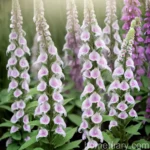
Digitalis purpurea (Common Foxglove): A Comprehensive Guide
Digitalis purpurea, commonly known as the Common Foxglove, is a stunning biennial or short-lived perennial plant with tall spires of tubular, bell-shaped flowers. This striking plant is a favorite amongst gardeners and has been used in traditional medicine for centuries. In this comprehensive guide, we will delve into the world of Digitalis purpurea, exploring its characteristics, cultivation, uses, maintenance, and much more. Whether you are an avid gardener, a plant enthusiast, or someone interested in the natural world, this article will provide you with a deep understanding of this captivating species.
What is Digitalis purpurea?
Digitalis purpurea, belonging to the Plantaginaceae family, is a species of flowering plant native to western and southwestern Europe. It is known for its majestic spikes of tubular flowers that can be found in an array of colors, including pink, purple, white, and yellow. The plant typically grows in a rosette of leaves during its first year, followed by flowering stems in the second year before setting seed and subsequently dying.
Key Takeaways – Digitalis purpurea (Common Foxglove)
Before we delve into the specifics of cultivating and caring for Digitalis purpurea, let’s summarize the key takeaways about this fascinating plant.
- Scientific Name: Digitalis purpurea
- Common Name: Common Foxglove
- Family: Plantaginaceae
- Native Habitat: Western and southwestern Europe
- Lifespan: Biennial or short-lived perennial
- Flower Colors: Pink, purple, white, yellow
- Notable Features: Tall spires of tubular, bell-shaped flowers
- Uses: Ornamental plant, traditional medicine
- Special Consideration: The entire plant is highly toxic if ingested
Now that we have a general understanding of Digitalis purpurea, let’s explore the specifics of its culture, uses, maintenance, and more.
Culture
Cultivating Digitalis purpurea can be a rewarding experience for gardeners due to its stunning floral display and the wildlife it attracts. However, to ensure its successful growth and development, it is essential to understand the plant’s specific cultural requirements. Let’s delve into the considerations for cultivating Common Foxglove.
Water
Digitalis purpurea thrives in consistently moist but well-drained soil. During the growing season, particularly in dry and hot climates, regular watering is essential to support healthy growth and flowering. However, it’s important to avoid overwatering, as waterlogged soil can lead to root rot and other issues. A good practice is to water deeply when the soil begins to dry out, ensuring that the moisture reaches the plant’s root zone.
Sunlight
In terms of sunlight requirements, Digitalis purpurea performs best in partial shade to full sun. While it can tolerate some shade, providing the plant with ample sunlight will promote robust growth and abundant flowering. However, in regions with intense and prolonged periods of heat, providing some afternoon shade can help prevent the plant from wilting or becoming stressed.
Fertilizer
When it comes to fertilizer, Digitalis purpurea generally does not require heavy feeding. In fact, excessive fertilization can lead to leggy growth and reduced flowering. A balanced, slow-release fertilizer applied in early spring as new growth emerges can provide the necessary nutrients for healthy development. Additionally, amending the soil with organic matter, such as well-rotted compost or leaf mold, can further enrich the soil and support the plant’s growth.
Soil
As mentioned earlier, Digitalis purpurea prefers moist, well-drained soil. It thrives in slightly acidic to neutral soil with good fertility. A loamy, humus-rich soil that retains moisture without becoming waterlogged is ideal for the plant. If the native soil is heavy or lacks organic matter, amending it with compost or peat moss can help create a more suitable growing environment for Common Foxglove.
Pruning
Pruning Digitalis purpurea can help maintain a tidy and attractive appearance while also encouraging prolonged flowering. It is important to keep in mind that the plant’s foliage is highly toxic, so handling it with care and wearing gloves is advisable when pruning or handling the plant. Here are some key considerations for pruning Common Foxglove:
- Disease Prevention: Remove any diseased or damaged leaves as soon as they are noticed to prevent the spread of fungal diseases.
- Deadheading: Regular deadheading of spent flowers can promote continued blooming and prevent the plant from setting seed too early.
- Post-Flowering Care: After the blooming period, cut back the flowering stems to the base to encourage the development of new rosettes of leaves for the following year’s flowering.
Proper pruning not only helps maintain the health and aesthetics of the plant but also prevents self-seeding, which can result in an abundance of seedlings and potentially invasive growth in some regions.
Propagation
Propagation of Digitalis purpurea can occur through both seeds and division. Let’s explore the two primary methods of propagating Common Foxglove:
Seed Propagation:
- Seed Collection: Collect mature seed capsules from the plant once they have dried and turned brown. The seeds are tiny and numerous, so care should be taken to collect them before the capsules open and disperse the seeds.
- Sowing: Sow the collected seeds in trays or seedling pots filled with well-draining potting mix in late spring to early summer. Press the seeds lightly into the soil surface without covering them, as they require light for germination.
- Germination: Keep the soil consistently moist and place the trays in a location with indirect sunlight. Germination can take several weeks, after which the seedlings can be transplanted into individual pots or directly into the garden.
Division:
- Timing: Dividing established clumps of Digitalis purpurea is best done in early spring before new growth emerges or in early autumn after the plant has finished flowering.
- Process: Carefully dig up the clump, ensuring that the roots and crowns remain intact. Using a sharp, clean knife, divide the clump into several sections, each containing roots and growing points. Replant the divisions in prepared soil, ensuring that they are at the same depth as they were previously growing.
Creating new plants through seed propagation and division allows for the expansion of Digitalis purpurea in the garden or the sharing of its beauty with others.
Container Popularity
Due to its striking and elegant appearance, Digitalis purpurea is a popular choice for container gardening. The plant’s tall spires of flowers add vertical interest and color to mixed container displays, providing a charming focal point. Cultivating Common Foxglove in containers also allows for more control over its growing conditions, making it suitable for gardeners with limited space or those looking to create stunning patio or balcony gardens.
Container Common Diseases
When growing Digitalis purpurea in containers, it is important to be mindful of potential diseases and pests that can affect the plant. Container gardening presents a unique set of challenges, and being proactive in disease prevention is key to ensuring the plant’s health and vigor.
Disease Diagnosis
Several diseases can affect Digitalis purpurea, especially when grown in containers. Common diseases to watch out for include:
- Powdery Mildew: A fungal disease that appears as white, powdery patches on the leaves, stems, and flowers.
- Leaf Spot: Characterized by the presence of dark, necrotic spots on the leaves, often with a yellow halo.
- Crown Rot: Caused by overly wet conditions, resulting in the rotting of the plant’s crown and roots.
Early detection and prompt action are crucial in managing these diseases. It is recommended to inspect the plant regularly for any signs of disease and take appropriate measures, such as providing proper airflow, adjusting watering practices, and, if necessary, using organic or conventional fungicides as a last resort.
Common Pests
Various pests can also pose a threat to container-grown Digitalis purpurea. Common pests to be aware of include:
- Aphids: Small, soft-bodied insects that feed on the plant’s sap, causing stunted growth and distorted foliage.
- Spider Mites: Tiny arachnids that suck sap from the foliage, leading to yellowing and stippling of the leaves.
- Slugs and Snails: These creatures can feed on the plant’s tender leaves and seedlings, leaving behind ragged edges and holes in the foliage.
Implementing integrated pest management practices, such as using physical barriers, natural predators, and organic remedies, can help mitigate pest infestations while minimizing the use of chemical treatments.
Botanist’s Tips
As a plant scientist with a passion for Digitalis purpurea, here are some additional tips and insights for cultivating and appreciating Common Foxglove:
- Attracting Pollinators: The bell-shaped flowers of Digitalis purpurea are particularly attractive to bees and hummingbirds, making it a valuable addition to pollinator-friendly gardens.
- Companion Plants: Pairing Common Foxglove with other shade-loving perennials, such as hostas, ferns, and astilbes, can create visually appealing and harmonious garden compositions.
- Mulching: Applying a layer of organic mulch around the base of the plant can help conserve soil moisture, suppress weed growth, and provide insulation during extreme temperatures.
- End-of-Season Care: In regions where Digitalis purpurea is not reliably hardy, providing a layer of mulch or protective coverings in late fall can help insulate the plant and protect it from harsh winter conditions.
These tips aim to enrich the gardening experience and foster a deeper appreciation for the unique qualities of Digitalis purpurea.
Fun Facts
As a plant scientist deeply intrigued by the natural world, I can’t help but share a few captivating and lesser-known facts about Digitalis purpurea:
-
Medicinal History: While the entire plant is highly toxic if ingested, extracts from Digitalis purpurea have been used in traditional medicine for their cardiac glycoside properties, particularly in regulating heart function.
-
Landscape Architect’s Choice: In landscape design, Common Foxglove is often chosen for its vertical accents and architectural qualities, adding drama and elegance to mixed borders and woodland gardens.
-
Symbolic Significance: The foxglove flower has been associated with various symbolic meanings, including healing, protection, and care, reflecting its diverse cultural and historical significance.
-
Naturalized Beauty: Digitalis purpurea has naturalized in many regions outside of its native habitat, showcasing its adaptability and resilience in various environmental conditions.
These fun facts illuminate the multifaceted nature of the Common Foxglove, enriching our understanding of its botanical, cultural, and ecological significance.
Links to External Resources
For further exploration and in-depth information about Digitalis purpurea, I have compiled a list of reputable external resources:
-
Royal Horticultural Society (RHS) – Digitalis purpurea: RHS Common Foxglove
-
University of Maryland Medical Center – Foxglove: UMMC Digitalis purpurea
-
Missouri Botanical Garden – Digitalis purpurea Information: MBG Foxglove
These reputable sources offer comprehensive insights, historical perspectives, and practical guidance on cultivating and appreciating Digitalis purpurea.
In conclusion, Digitalis purpurea, the Common Foxglove, is a captivating and versatile plant with a rich botanical heritage and cultural significance. From its towering spires of blossoms to its historical medicinal uses, this remarkable species continues to enchant and inspire gardeners, botanists, and plant enthusiasts alike. By understanding its cultural requirements, maintenance practices, and ecological roles, we can further appreciate the beauty and complexity of this extraordinary plant.
As we continue to explore the world of plants, let us embrace the wonders of Digitalis purpurea and celebrate its enduring allure in gardens, landscapes, and the natural world.