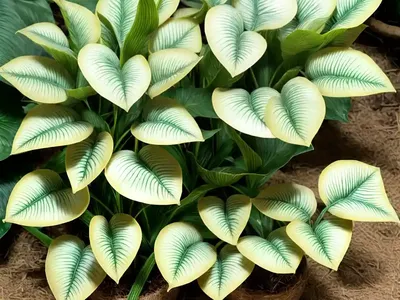
Dieffenbachia Tropic Snow (Dieffenbachia Amoena ‘Tropic Snow’)
Dieffenbachia, also known as Dumb Cane, is a popular and attractive indoor plant that is loved for its beautiful foliage and ease of care. Among the.



Dieffenbachia, also known as Dumb Cane, is a popular and attractive indoor plant that is loved for its beautiful foliage and ease of care. Among the numerous varieties of Dieffenbachia, the ‘Tropic Snow’ (Dieffenbachia amoena ‘Tropic Snow’) stands out for its striking variegated leaves and its adaptable nature. In this comprehensive guide, we will delve into the various aspects of caring for the Dieffenbachia Tropic Snow, including its cultural requirements, propagation, potential diseases and pests, and interesting facts about this stunning plant.
What is Dieffenbachia Tropic Snow (Dieffenbachia amoena ‘Tropic Snow’)?
Dieffenbachia amoena, commonly known as Dumb Cane, is an evergreen perennial plant that belongs to the Araceae family. The ‘Tropic Snow’ is a specific cultivar of Dieffenbachia amoena known for its striking white and green variegated leaves. This plant is native to the New World Tropics, primarily found in regions of Central and South America. It has gained immense popularity as an indoor ornamental plant due to its lush foliage and air-purifying properties.
Key Takeaways – Dieffenbachia Tropic Snow (Dieffenbachia amoena ‘Tropic Snow’)
- Scientific Name: Dieffenbachia amoena ‘Tropic Snow’
- Common Names: Dumb Cane, Dieffenbachia Tropic Snow
- Family: Araceae
- Native Habitat: Central and South America
- Key Features: Variegated leaves with white and green patterns
- Growth Habit: Upright, bushy
- Low Maintenance: Relatively easy to care for
- Toxicity: Poisonous if ingested
Now, let’s dive into the specifics of caring for the Dieffenbachia Tropic Snow, including factors such as water, sunlight, fertilizer, and soil requirements.
Culture
The Dieffenbachia Tropic Snow is a versatile plant that can thrive in indoor settings with the right conditions. When it comes to its cultural requirements, it’s essential to consider factors such as watering, sunlight, fertilization, soil, and pruning.
Uses
Dieffenbachia Tropic Snow serves both decorative and functional purposes, making it a popular choice for homes and offices. Some of its primary uses include:
- Indoor Decoration: Its lush foliage and variegated leaves make it an attractive addition to any indoor space, adding a touch of natural beauty.
- Air Purification: Like many other houseplants, Dieffenbachia Tropic Snow helps in purifying the air by filtering out toxins and impurities.
Water
Proper watering is crucial for the health and growth of Dieffenbachia Tropic Snow. However, it’s important to strike a balance, as overwatering can lead to root rot while underwatering can result in dry and stressed foliage.
Watering Guidelines
- Frequency: Water the plant when the top inch of the soil feels dry to the touch. Generally, this translates to once every 1-2 weeks, depending on environmental conditions.
- Watering Method: Pour water into the soil until it starts draining from the bottom of the pot. Discard any excess water to prevent waterlogging.
Sunlight
Dieffenbachia Tropic Snow thrives in indirect, filtered light and prefers moderate to high humidity levels. Adequate light exposure is crucial for the plant’s variegated leaves to retain their vibrant colors.
Light Requirements
- Ideal Location: Place the plant in a location where it can receive bright, indirect light. Avoid direct sunlight, as it can scorch the leaves.
- Indoor Placement: Near a north or east-facing window is usually ideal for maintaining the plant’s health and appearance.
Fertilizer
Fertilizing is essential to support the growth and overall health of Dieffenbachia Tropic Snow, especially during the growing season. A balanced fertilizer with equal parts of nitrogen, phosphorus, and potassium, along with micronutrients, is recommended.
Fertilizing Schedule
- Frequency: Fertilize the plant every 4-6 weeks during the growing season (spring and summer).
- Dilution: Use a water-soluble, well-balanced fertilizer diluted to half or quarter strength to avoid over-fertilization.
Soil
Choosing the right soil mix is vital for providing the necessary nutrients and aeration to the plant’s roots. Well-draining and nutrient-rich potting mixtures are ideal for Dieffenbachia Tropic Snow.
Soil Requirements
- Type: Utilize a well-draining potting mix that retains moisture without becoming waterlogged. A mix that includes peat moss, perlite, and pine bark is suitable.
- pH Level: The soil should be slightly acidic, with a pH range of 5.5 to 6.5.
Pruning
Regular pruning helps maintain the plant’s shape, promote bushier growth, and remove any damaged or discolored foliage. It’s essential to use clean and sharp pruning shears to prevent damage to the plant.
Pruning Guidelines
- Tip Pruning: Remove the tips of the stems to encourage branching and create a fuller, bushier appearance.
- Leaf Removal: Trim off any yellow, brown, or damaged leaves close to the stem using sterile shears to maintain the plant’s aesthetic appeal.
Propagation
Propagating Dieffenbachia Tropic Snow can be an exciting way to multiply your plant collection or share it with fellow gardening enthusiasts. Stem cuttings are the most common method for propagating Dumb Canes.
Propagation Techniques
- Stem Cuttings: Take 4-6 inch stem cuttings with at least one node and aerial root. Plant the cuttings in a moist, well-draining potting mix, and keep them in a warm and humid environment.
- Division: It is also possible to divide an existing plant during repotting to create new plants.
Container Popularity
The Dieffenbachia Tropic Snow is commonly grown in containers due to its suitability as an indoor plant. The size and type of container can impact the plant’s overall health and growth.
Container Considerations
- Size: Choose a container that allows for proper root development. As the plant grows, consider repotting it into a slightly larger container.
- Drainage: Ensure the container has drainage holes to prevent waterlogging and root rot.
Common Diseases
Like all plants, Dieffenbachia Tropic Snow is susceptible to certain diseases, especially when its care requirements are not met. It’s important to be aware of potential diseases and their associated symptoms to take proactive measures.
Disease Diagnosis
- Leaf Spot: Irregular brown spots or lesions on the foliage may indicate a fungal or bacterial infection.
- Powdery Mildew: A powdery, white substance on the leaves suggests the presence of powdery mildew, a common fungal disease.
- Root Rot: Yellowing and wilting of foliage, along with a foul odor from the soil, can indicate root rot due to overwatering.
Common Pests
Pests can pose a threat to the health and appearance of Dieffenbachia Tropic Snow. Being vigilant and promptly addressing pest issues is essential for preserving the plant’s vitality.
Common Pests
- Spider Mites: These tiny pests can cause webbing on the undersides of leaves and stippling on the upper surfaces.
- Mealybugs: White, cottony masses on the leaves or stems are a sign of mealybug infestation.
- Aphids: The presence of small, soft-bodied insects on the plant, especially along the stems and undersides of leaves, indicates an aphid infestation.
Botanist’s Tips
Botanists and horticulturists often provide valuable insights and tips for caring for specific plant varieties. Here are some expert tips for maintaining the health and beauty of Dieffenbachia Tropic Snow:
- Avoid Overwatering: Allow the top few inches of the soil to dry out between watering sessions to prevent root rot.
- Maintain Humidity: Increase humidity levels around the plant by using a humidifier or placing a tray filled with water and pebbles near the plant.
- Rotate the Plant: Periodically rotate the plant to ensure uniform growth and prevent leaning towards the light source.
Fun Facts
Uncover some interesting and lesser-known facts about Dieffenbachia Tropic Snow:
- Namesake: The genus name “Dieffenbachia” honors the Austrian botanist Ernst Dieffenbach.
- Toxicity: The sap of Dieffenbachia contains oxalate crystals, which can cause intense oral irritation and swelling if ingested, earning it the label of “Dumb Cane.”
Links to External Resources
For further information and resources on Dieffenbachia Tropic Snow and plant care, refer to the following helpful sources:
- The Spruce: How to Grow and Care for Dieffenbachia Plants
- North Carolina State University Extension: Dieffenbachia spp. – Dumb Cane
- University of Florida IFAS Extension: Dumbcane (Dieffenbachia spp.)
In conclusion, Dieffenbachia Tropic Snow, with its stunning foliage and relatively low maintenance needs, is a fantastic choice for adding a touch of greenery and elegance to indoor spaces. By understanding and implementing the appropriate care guidelines, enthusiasts can cherish the beauty of this remarkable plant while ensuring its long-term health and vitality.
By following the guidelines and tips provided in this comprehensive guide, plant enthusiasts can confidently cultivate and appreciate the charm of Dieffenbachia Tropic Snow in their homes, offices, and indoor spaces.
Remember that while the Dieffenbachia Tropic Snow is a fascinating and beautiful plant, it’s crucial to handle it with care, especially due to its toxic properties. With proper care and attention, this plant can thrive and bring joy with its lush foliage and captivating variegated leaves.