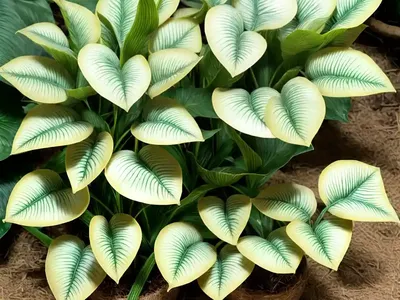
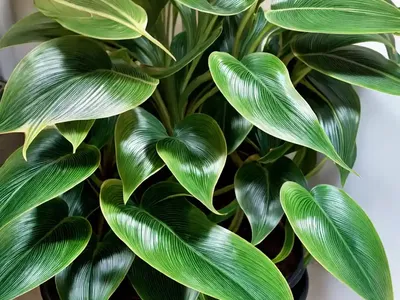
Dieffenbachia Maculata (Dieffenbachia Seguine)
Dieffenbachia maculata, also known as Dieffenbachia seguine, is a striking and popular plant revered for its unique foliar patterns and low maintenance.
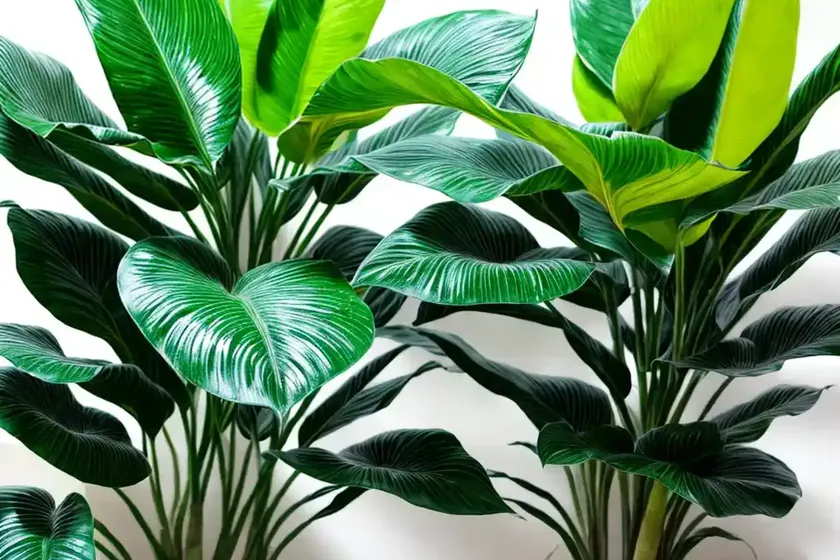
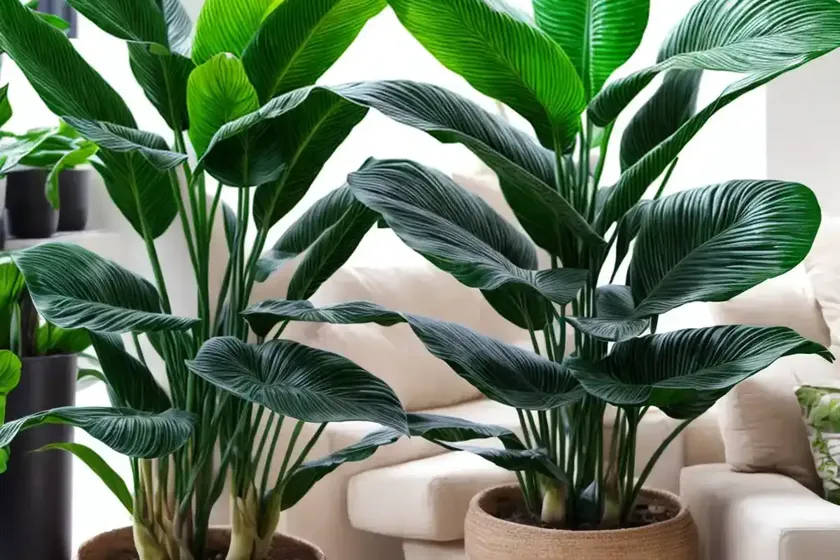
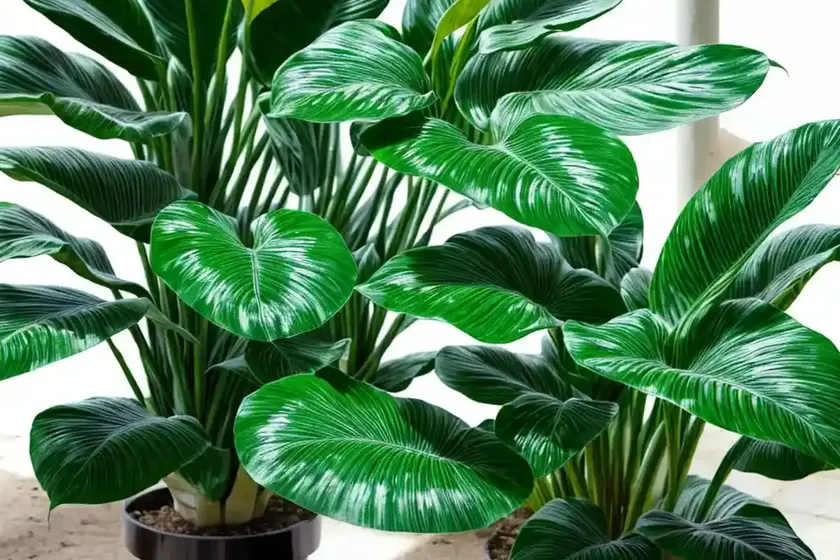
Dieffenbachia maculata, also known as Dieffenbachia seguine, is a striking and popular plant revered for its unique foliar patterns and low maintenance requirements. It is a species of Dieffenbachia, a genus of tropical plants in the family Araceae. Commonly referred to as “dumb cane,” Dieffenbachia is native to the New World Tropics, particularly found in regions of Central and South America. The name “dumb cane” is derived from the plant’s toxic sap, which can cause temporary loss of speech if ingested, making it a potentially dangerous plant to have around pets and small children.
Dieffenbachia maculata boasts large, lush leaves with stunning variegation, making it a popular choice for indoor spaces. Whether you’re an experienced plant enthusiast or new to the world of indoor gardening, Dieffenbachia maculata is an excellent choice for adding a touch of tropical elegance to your home or office environment.
In this comprehensive plant care guide, we will delve into the various aspects of Dieffenbachia maculata care, including its cultural requirements, uses, water and sunlight needs, fertilization, soil preferences, propagation methods, potential diseases and pests, as well as helpful tips from botanists. Additionally, we’ll explore fun and interesting facts about this captivating plant and provide links to valuable external resources for further reading and information.
Let’s embark on an insightful journey into the world of Dieffenbachia maculata, uncovering essential care tips and fascinating details about this remarkable species.
Key Takeaways – Dieffenbachia Maculata (Dieffenbachia Seguine)
Before we dive into the specific care and maintenance aspects of Dieffenbachia maculata, let’s outline the key takeaways for quick reference:
- Common Name: Dieffenbachia, Dumb Cane
- Botanical Name: Dieffenbachia maculata (Synonymous with Dieffenbachia seguine)
- Family: Araceae
- Native Habitat: Central and South America
- Growth Habit: Herbaceous, Upright
- Foliage: Large, Variegated Leaves
- Toxicity: Sap is Toxic if Ingested
- Indoor/Outdoor: Primarily Grown Indoors
- Uses: Decorative Ornamental Plant
- Popularity: Widely Cultivated as an Indoor Houseplant
- Maintenance Level: Low to Moderate
With these key points in mind, let’s explore the cultural requirements, care tips, and interesting aspects of Dieffenbachia maculata in more detail.
What is Dieffenbachia Maculata?
Dieffenbachia maculata, also known as Dieffenbachia seguine, is a species of flowering plant in the Araceae family. It is a tropical plant native to the New World Tropics, predominantly found in regions of Central and South America. The genus Dieffenbachia comprises around 30-50 species of evergreen perennial herbs known for their attractive foliage and relative ease of cultivation.
Distinguished by its large, oblong leaves and striking variegation, Dieffenbachia maculata is a popular choice for indoor cultivation, adding a touch of lush greenery and visual appeal to interior spaces. While primarily grown as a decorative houseplant, Dieffenbachia can also thrive in outdoor gardens in suitable climates, provided the temperature and humidity requirements are met.
This remarkable plant’s common name, “dumb cane,” alludes to the intoxicating effect of its sap when ingested, which can cause temporary loss of speech and other symptoms of toxicity. As such, it is crucial to exercise caution and keep Dieffenbachia maculata out of reach of pets and small children to prevent accidental ingestion of the toxic sap.
Dieffenbachia maculata is a versatile and resilient plant, making it an ideal choice for both seasoned plant enthusiasts and beginners looking to enhance their indoor greenery collection.
Culture
Cultivating and caring for Dieffenbachia maculata involves understanding and catering to its specific cultural requirements. By providing the right growing conditions, you can ensure the optimal health and vitality of this stunning plant. Let’s delve into the essential cultural aspects of Dieffenbachia maculata:
Uses
Dieffenbachia maculata is primarily valued for its decorative and ornamental qualities, making it a popular choice for enhancing the aesthetic appeal of indoor spaces. Whether placed in homes, offices, or public spaces such as lobbies and atriums, Dieffenbachia adds a tropical touch with its large, variegated leaves. Its striking foliage and relatively low maintenance needs make it an attractive option for incorporating greenery into interior decor while requiring minimal attention.
Additionally, Dieffenbachia maculata is known for its air-purifying properties, contributing to improved indoor air quality by helping remove certain airborne toxins. Its lush foliage not only adds visual interest but also serves as a functional element in promoting a healthier indoor environment.
Water
Proper watering is essential for the health and vigor of Dieffenbachia maculata. As with most houseplants, maintaining appropriate soil moisture levels is crucial for preventing issues such as root rot or dehydration. Here are some key points to consider when watering Dieffenbachia:
-
Moderate watering: Dieffenbachia prefers moderately moist soil, but overwatering should be avoided. Allow the top inch of the soil to dry out between waterings, then water thoroughly until the excess moisture drains from the bottom of the pot.
-
Water quality: Use room-temperature, filtered water to avoid subjecting the plant to extremes in water temperature or potential harmful chemicals present in tap water.
-
Drainage: Ensure that the container has drainage holes to allow excess water to escape, preventing waterlogging of the soil, which can lead to root rot.
-
Seasonal adjustments: Adjust the watering frequency based on seasonal conditions. Decrease watering during cooler, low-light periods and increase it during warmer, high-light seasons.
By maintaining a balanced approach to watering, you can promote healthy growth and prevent common water-related issues that may affect Dieffenbachia maculata.
Sunlight
Proper exposure to light is crucial for the overall well-being of Dieffenbachia maculata. While it thrives in bright, indirect light, it is important to avoid direct sunlight, especially during the peak hours of the day. Here’s a closer look at its sunlight requirements:
-
Bright, indirect light: Position the plant in a location that receives bright, indirect light, such as near a window with sheer curtains or in a well-lit room with ample natural light. Avoid exposing it to direct sunlight, as this can lead to leaf scorching and sun damage.
-
Rotate for even growth: To ensure balanced growth and prevent the plant from leaning toward the light source, rotate the container periodically to allow all sides of the plant to receive adequate light exposure.
-
Low-light tolerance: While Dieffenbachia prefers bright, indirect light, it can adapt to lower light conditions, although this may slow down its growth rate. Avoid placing it in areas with consistently dim lighting, as this can result in leggy, sparse growth.
Maintaining an optimal balance of light exposure is key to promoting healthy foliage development and overall plant vitality.
Fertilizer
Applying a suitable fertilizer regimen is important for supplying essential nutrients to Dieffenbachia maculata, supporting its growth and overall health. Here are some guidelines for fertilizing this remarkable plant:
-
Frequency: Feed Dieffenbachia maculata with a balanced, water-soluble fertilizer every 4-6 weeks during the growing season, typically from spring through summer. Refrain from fertilizing during the winter months when the plant’s growth slows down.
-
Dilution and strength: Dilute the fertilizer to half or quarter strength to avoid overfeeding, as excessive fertilizer can lead to salt build-up in the soil and potential root damage. Follow the manufacturer’s instructions for the appropriate dilution ratio.
-
Application method: Apply the diluted fertilizer solution to the moist soil, ensuring that it is evenly distributed to avoid concentrated exposure to the roots. Water the plant lightly after fertilizing to help the nutrients penetrate the soil.
By adhering to a balanced fertilization schedule and using the appropriate strength and type of fertilizer, you can optimize the growth and vitality of Dieffenbachia maculata.
Soil
Selecting the right type of soil is crucial for providing a suitable growing medium for Dieffenbachia maculata. A well-draining, nutrient-rich soil mix tailored to its specific needs is essential for fostering healthy root development and overall plant vigor. Here are the key considerations for choosing the ideal soil for Dieffenbachia:
-
Well-draining mix: Use a well-draining potting mix that allows excess water to flow through while retaining sufficient moisture. A combination of peat-based soil, perlite, and coarse sand helps create a porous, aerated environment for the roots.
-
Nutrient content: Opt for a soil mix rich in organic matter, as this provides essential nutrients and promotes a conducive environment for root establishment and growth. Balanced levels of macronutrients and micronutrients contribute to the plant’s overall health and vitality.
-
Aeration and texture: The soil mix should offer adequate aeration and a loose, friable texture to facilitate root penetration and healthy airflow around the root zone. Avoid heavy, compacted soils that can impede drainage and lead to waterlogged conditions.
By selecting the right soil mix and ensuring proper drainage, you can create an optimal growing environment for Dieffenbachia maculata, supporting robust growth and foliage development.
Pruning
Pruning is an important aspect of Dieffenbachia maculata care, contributing to its overall appearance, shape, and health. Regular pruning helps manage the plant’s size, encourages bushier growth, and removes any damaged or yellowing leaves. Here are some key points to consider when pruning Dieffenbachia:
-
Remove dead or yellowing leaves: Prune away any discolored, yellowing, or damaged leaves using sharp, sterile scissors or pruning shears. Make clean cuts at the base of the petioles (leaf stems) to promote a neat and uniform appearance.
-
Shape and size control: Trim back overgrown or leggy stems to maintain a compact, balanced form. This encourages new growth and helps prevent the plant from becoming overly sparse or unruly.
-
Maintenance pruning: Regularly inspect the plant for any signs of pest infestations, diseases, or excessive growth, and address these issues through targeted pruning when necessary.
By incorporating regular pruning into the care routine, you can enhance the overall appearance of Dieffenbachia maculata, promoting a tidy, well-maintained aesthetic.
Propagation
The propagation of Dieffenbachia maculata offers a rewarding opportunity to expand your plant collection and share the beauty of this species with others. While it can be propagated using several methods, stem cuttings and division are the most common approaches. Here’s an overview of the propagation methods for Dieffenbachia:
Stem Cuttings:
– Selecting cuttings: Choose healthy, mature stems with several nodes (joints) and ample foliage. Use a sharp, sterile knife to take a 4-6 inch cutting below a leaf node.
-
Rooting medium: Place the cuttings in a well-draining rooting medium, such as a mix of perlite and peat, ensuring that at least one node is buried while the upper portion remains above the soil.
-
Rooting conditions: Provide sufficient warmth, humidity, and indirect light for the cuttings to root. Maintain consistent moisture levels in the rooting medium without overwatering.
-
New growth: After several weeks, the cuttings should develop roots and begin producing new foliage, indicating successful propagation. Transplant them into individual containers once they have established a healthy root system.
Division:
– Separating rhizomes: Carefully divide the rhizomes of an established plant, ensuring that each division has a viable root system and several healthy stems.
-
Potting divisions: Plant the divisions in separate containers filled with well-draining soil, allowing the roots to settle while providing appropriate moisture and light conditions.
-
Establishment: Monitor the divisions for new growth and maintain consistent care to facilitate their establishment and acclimatization.
By utilizing these propagation methods, you can propagate Dieffenbachia maculata successfully, creating new plants from existing ones to expand your collection or share with fellow plant enthusiasts.
Container
Choosing the right container for Dieffenbachia maculata is essential for its growth, stability, and overall well-being. Consider these vital factors when selecting a suitable container for this captivating plant:
-
Size and drainage: Opt for a container that provides ample space for the plant’s root system to grow without being excessively large. Ensure that the container has drainage holes to prevent water accumulation and root rot.
-
Material: Select a pot made of a sturdy, durable material such as ceramic, terracotta, or plastic. Consider the weight of the container, especially if it will be placed on furniture or shelves.
-
Aesthetic appeal: Choose a container that complements the plant’s foliage and enhances its visual impact. The color and design of the pot can add an aesthetic touch to the overall presentation of the plant.
-
Transplanting: As the plant grows, periodically assess its root system and consider transplanting it to a slightly larger container to accommodate continued growth.
By carefully assessing the container needs of Dieffenbachia maculata and providing an appropriate growing environment, you can ensure its stability and promote healthy growth.
Popularity
Dieffenbachia maculata has earned widespread popularity as an indoor decorative plant due to its striking foliage, ease of care, and adaptability to indoor environments. Its lush, variegated leaves and low maintenance requirements have made it a favorite choice for homeowners, office spaces, and interior designers seeking to incorporate vibrant greenery into their surroundings.
The plant’s ability to thrive in low to moderate light conditions, combined with its air-purifying attributes, further contributes to its popularity as an indoor ornamental plant. Whether used as a standalone statement piece or incorporated into mixed plant arrangements, Dieffenbachia maculata continues to captivate plant enthusiasts and interior decor enthusiasts alike.
Common Diseases
While Dieffenbachia maculata is generally resilient, it is susceptible to certain diseases and issues that may impact its vitality. Understanding these common diseases and their potential causes is essential for implementing preventive measures and prompt treatment. Here are some prevalent diseases that can affect Dieffenbachia maculata:
Leaf Spot Diseases:
– Cause: Fungal pathogens such as Cercospora, Phyllosticta, and other leaf spot-causing organisms can lead to the development of small, dark spots on the plant’s leaves.
-
Symptoms: Circular or irregularly shaped spots on the leaves, often accompanied by yellowing or browning of the affected areas.
-
Preventive measures: Ensure proper air circulation, avoid overhead watering, and maintain appropriate humidity levels to discourage fungal growth. Remove and dispose of affected leaves to prevent the spread of the disease.
Bacterial Leaf Blight:
– Cause: Bacterial leaf blight, caused by pathogenic bacteria, can result in the development of water-soaked lesions on the leaves, leading to necrosis and wilting over time.
-
Symptoms: Wet, slimy lesions on the foliage, followed by wilting and eventual collapse of the affected portions.
-
Control measures: Remove and discard affected leaves, and ensure that the plant is not subjected to excessive moisture, which can promote bacterial growth. Implement sanitary practices to minimize the spread of the disease.
Root Rot:
– Cause: Overwatering and poorly draining soil can lead to the onset of root rot, caused by fungal pathogens such as Pythium, Phytophthora, and Fusarium.
-
Symptoms: Yellowing, wilting, and mushy, discolored roots, often accompanied by a foul odor emanating from the soil.
-
Preventive actions: Adopt a balanced approach to watering, allowing the soil to partially dry out between waterings to prevent waterlogging. Use well-draining soil and containers with adequate drainage to minimize the risk of root rot.
By proactively identifying and addressing these common diseases, you can safeguard the health and vigor of Dieffenbachia maculata, promoting optimal growth and foliage quality.
Disease Diagnosis
Diagnosing potential diseases and issues affecting Dieffenbachia maculata requires careful observation and understanding of the plant’s symptoms. Here are the key steps to diagnose and address diseases that may affect this species:
-
Symptom assessment: Regularly inspect the plant for any signs of discoloration, lesions, wilting, or abnormal growth. Note the specific appearance and location of the symptoms to aid in the diagnosis process.
-
Environmental factors: Consider factors such as watering practices, light exposure, humidity levels, and air circulation, as these can contribute to the development of certain diseases.
-
Pathogen identification: If necessary, seek professional assistance or utilize diagnostic tools to identify potential pathogens responsible for the observed symptoms. This can help tailor treatment measures to address the specific disease causing issues.
-
Treatment and prevention: Once the disease is identified, implement targeted treatment methods such as pruning affected areas, adjusting cultural practices, or using appropriate fungicides or bactericides as recommended. Focus on preventive measures to minimize the risk of disease recurrence.
By carefully diagnosing and addressing potential diseases, you can safeguard the vitality and resilience of Dieffenbachia maculata, promoting a thriving and visually appealing plant.
Common Pests
Dieffenbachia maculata is susceptible to certain pests that may infest its foliage and affect its overall health. Being mindful of these common pests and implementing preventive measures is crucial for maintaining the plant’s well-being. Here are some prevalent pests that can affect Dieffenbachia maculata:
Spider Mites:
– Identification: These tiny arachnids may appear as small, speck-like creatures on the undersides of the leaves and produce fine webbing.
-
Symptoms: Yellowing, stippling, and general decline of the plant’s foliage, often accompanied by the presence of fine webbing.
-
Control measures: Use insecticidal soap or horticultural oil to suppress spider mite populations. Increase humidity levels and monitor the plant closely to prevent further infestations.
Mealybugs:
– Identification: Mealybugs appear as white, cottony masses on the leaves, stems, and crevices of the plant. They may also produce a sticky secretion known as honeydew.
-
Symptoms: Wilting, yellowing, and stunted growth, often accompanied by the presence of honeydew and sooty mold.
-
Management techniques: Use a cotton swab dipped in rubbing alcohol to target and remove mealybugs from the plant. Regular application of neem oil can help suppress and deter further infestations.
Scale Insects:
– Identification: Scale insects are often found on the undersides of leaves and along the stems, appearing as small, raised bumps.
-
Symptoms: Yellowing, wilting, and reduced vigor of the affected plant parts, typically accompanied by the presence of sticky honeydew.
-
Control methods: Use a soft brush or cloth to physically remove scales from the plant, and apply horticultural oil to suffocate and suppress remaining populations.
By promptly identifying and addressing potential pest infestations,