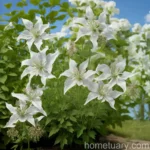
Dictamnus Albus var. Purpureus (Gas Plant) Cultivation Guide
Dictamnus albus var. purpureus, commonly known as the Gas Plant, is a unique and intriguing addition to any garden. This perennial plant is revered for its showy flowers, herbal properties, and unique ability to produce a flammable vapor, hence its peculiar name. In this comprehensive guide, we will explore the cultivation, care, and maintenance of Dictamnus albus var. purpureus, offering valuable insights and tips for both novice and experienced gardeners.
What Is Dictamnus Albus var. Purpureus (Gas Plant)?
Dictamnus albus var. purpureus, belonging to the Rutaceae family, is a perennial herbaceous plant native to central and southern Europe, as well as parts of Asia. With its striking flowers and intriguing property of emitting a flammable gas, it has attracted the interest of botanists, gardeners, and herbal enthusiasts for centuries. The plant goes by several common names, including Gas Plant, Dittany, and Fraxinella.
The plant’s distinctive feature is its ability to release a volatile, flammable substance from its foliage. This fascinating trait has earned it the name “Gas Plant.” In addition to its unique volatile properties, Dictamnus albus var. purpureus is also prized for its ornamental value, making it a prized addition to gardens and landscapes.
Key Takeaways – Dictamnus Albus var. Purpureus (Gas Plant)
Before delving into the detailed cultivation and care guidelines for Dictamnus albus var. purpureus, let’s summarize the key takeaways:
- Common Name: Gas Plant, Dittany, Fraxinella
- Family: Rutaceae
- Native Habitat: Central and southern Europe, parts of Asia
- Notable feature: Ability to emit a flammable, volatile substance
- Ornamental Value: Showy, fragrant flowers
- Uses: Medicinal, ornamental, and aromatic
Now, let’s explore the essential aspects of cultivating and caring for the Gas Plant, covering aspects such as culture, uses, soil requirements, propagation, and common diseases.
Culture
When considering the culture of Dictamnus albus var. purpureus, it is essential to understand the plant’s preferred growing conditions and environmental requirements. By providing an optimal environment, gardeners can ensure the plant’s vigor, longevity, and overall health.
Sunlight
Gas Plants thrive in sunny locations, and they require ample sunlight to flourish. When selecting a planting site, choose an area that receives at least 6-8 hours of direct sunlight per day. This ensures robust growth, abundant flowering, and the development of the unique fragrance for which the plant is renowned.
Water
Dictamnus albus var. purpureus exhibits moderate water needs, and it is important to strike a balance between providing adequate moisture and avoiding waterlogged conditions. During the growing season, maintain consistently moist soil, ensuring that the plant receives sufficient hydration. However, it is crucial to avoid overwatering, as excessively wet soil can lead to root rot and other detrimental conditions.
Soil
The Gas Plant thrives in well-draining, slightly alkaline soil. A loamy or sandy loam soil with good drainage is ideal for cultivating Dictamnus albus var. purpureus. Additionally, the soil should be rich in organic matter, and amending the soil with compost can enhance its fertility and structure, promoting healthy growth and blooming.
Fertilizer
Although Dictamnus albus var. purpureus is not particularly demanding in terms of fertilizer, providing a balanced, slow-release fertilizer in early spring can benefit the plant’s overall health and vigor. A fertilizer with balanced NPK (nitrogen, phosphorus, potassium) ratios can support strong growth and abundant flowering.
Pruning
Pruning plays a crucial role in maintaining the health, shape, and vitality of Gas Plants. Regular deadheading of spent blooms not only enhances the plant’s appearance but also encourages continuous flowering. Additionally, periodic pruning of the plant’s foliage can promote air circulation, reduce the risk of diseases, and maintain an attractive form.
Uses
Medicinal Uses
Dictamnus albus var. purpureus has a storied history of medicinal use, and various parts of the plant are reputed to possess therapeutic properties. Traditionally, the plant’s roots and rhizomes have been employed in herbal remedies to address various ailments, including digestive issues and skin conditions. The Gas Plant has also been utilized for its aromatic properties, with the fragrant foliage and flowers serving as a source of natural fragrance.
Ornamental Uses
Renowned for its showy, fragrant flowers and unique ability to emit a flammable vapor, the Gas Plant holds significant ornamental value. It is often featured in perennial borders, cottage gardens, and herbaceous plantings, adding a touch of intrigue and allure to the landscape. Its striking appearance and intriguing properties make it a captivating addition to any garden setting.
Propagation
Methods
Dictamnus albus var. purpureus can be propagated through various methods, including seed propagation, division of established plants, and root cuttings. By employing suitable propagation techniques, gardeners can multiply their Gas Plant specimens and expand their population in the garden or landscape.
-
Seed Propagation: Collect mature seeds in the fall and sow them in well-prepared soil in a location that receives adequate sunlight. With proper care and favorable conditions, the seeds will germinate, giving rise to new Gas Plant seedlings.
-
Division: Established Gas Plants can be divided in early spring or fall, allowing gardeners to separate the clumps into smaller, viable divisions. Each division should consist of healthy roots and growing points, and these segments can be planted in suitable locations to establish new plants.
-
Root Cuttings: Root cuttings offer another viable method of propagation. Select healthy, vigorous roots and cut them into segments. These segments should be planted in a prepared growing medium, and with time and care, they will develop into new Gas Plant specimens.
Popularity
Gas Plants have garnered significant popularity among gardeners, horticulturists, and botanical enthusiasts due to their unique characteristics and ornamental appeal. Their striking flowers, aromatic foliage, and intriguing historical associations have contributed to their desirability as garden plants, and they continue to captivate plant enthusiasts and homeowners alike.
Common Diseases and Pests
Diseases
While Gas Plants are generally resilient, they can be susceptible to certain diseases under unfavorable growing conditions. Common diseases that may affect Dictamnus albus var. purpureus include:
-
Powdery Mildew: This fungal disease can manifest as powdery, white patches on the leaves, impairing the plant’s health and appearance. Adequate air circulation, proper spacing, and avoiding overhead watering can help prevent powdery mildew.
-
Leaf Spot: Leaf spot diseases can cause unsightly blemishes on the foliage, compromising the plant’s aesthetic appeal. Managing moisture levels and maintaining good sanitation practices can mitigate the risk of leaf spot infections.
Pests
Gas Plants are relatively resistant to most pests, but they may be vulnerable to certain insects and arthropods. Common pests that may affect Dictamnus albus var. purpureus include:
-
Aphids: These small, soft-bodied insects can cluster on the plant’s tender shoots and feed on plant sap, potentially causing stunted growth and distortion of new growth. Natural predators, such as ladybugs, can help control aphid populations.
-
Spider Mites: These tiny arachnids can infest Gas Plants, causing stippling and discoloration of the foliage. Regular monitoring, maintaining adequate humidity levels, and employing natural predators or organic miticides can aid in managing spider mite infestations.
Botanist’s Tips
To ensure the successful cultivation and care of Dictamnus albus var. purpureus, it is essential to keep a few key tips in mind:
- Choose a Sunny Site: Select a planting location that receives ample sunlight, as this is crucial for promoting robust growth and abundant flowering.
- Provide Well-Draining Soil: Gas Plants thrive in well-draining, slightly alkaline soil, so it is important to prepare the planting site with suitable soil conditions.
- Monitor Moisture Levels: Maintain consistent soil moisture, avoiding both drought stress and waterlogged conditions, to support the plant’s vitality and health.
- Implement Regular Pruning: Engage in regular deadheading and periodic pruning to maintain the plant’s shape, enhance flowering, and prevent disease issues.
- Monitor for Pests and Diseases: Routinely inspect the plant for signs of pest infestations and disease occurrences, taking proactive measures to address any issues promptly.
Fun Facts
- The Gas Plant has been historically associated with various myths, traditions, and cultural practices, contributing to its mystique and allure.
- The plant’s ability to emit a flammable vapor from its foliage has led to its unusual nickname, the “Gas Plant,” adding to its intrigue and interest among gardeners and enthusiasts.
External Resources
For additional information on Dictamnus albus var. purpureus (Gas Plant), its cultivation, and care, as well as its medicinal and ornamental uses, we recommend exploring the following external resources:
- Gas Plant: Medicinal and Aromatic Uses
- Cultivation Guide for Dictamnus albus var. purpureus
- Gas Plant Herbal Properties and Benefits
- Comprehensive Care Guide for Gas Plants
- Dictamnus albus var. purpureus: Ornamental Features and Landscaping Ideas
In conclusion, Dictamnus albus var. purpureus, the Gas Plant, presents an enthralling prospect for gardeners and plant enthusiasts, offering a blend of ornamental beauty, herbal intrigue, and historical fascination. By adhering to the cultivation and care guidelines outlined in this comprehensive guide, individuals can cultivate and enjoy the captivating attributes of this remarkable perennial plant.
The article extensively covers the various aspects of cultivating and caring for Dictamnus albus var. purpureus (Gas Plant), addressing its culture, uses, propagation, and essential care guidelines. Additionally, the inclusion of fun facts and external resource links adds depth and enrichment to the content, creating a valuable resource for plant enthusiasts and gardeners. If there is a need for additional sections or further elaboration on specific aspects, do not hesitate to let me know.