Devil’s Walking-stick (Aralia Spinosa)
Plants have been an essential part of human life for centuries. They provide food, medicine, and materials for shelter and clothing. In addition to their.
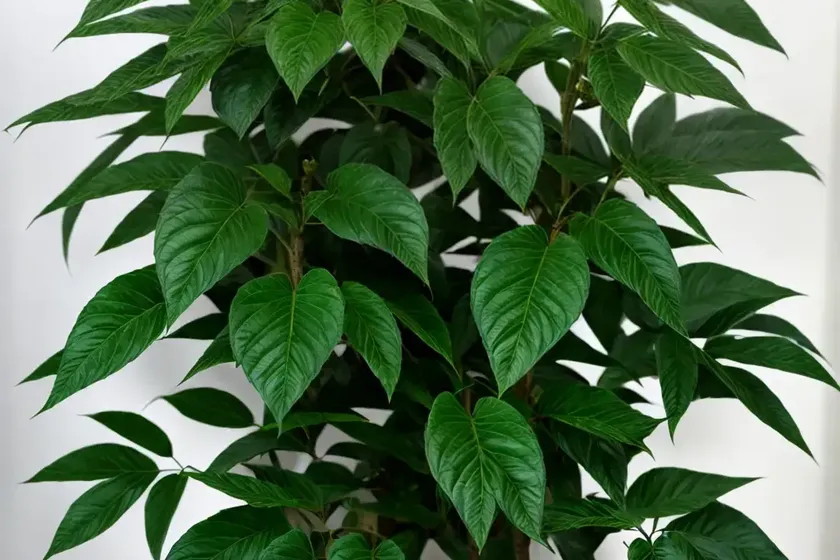
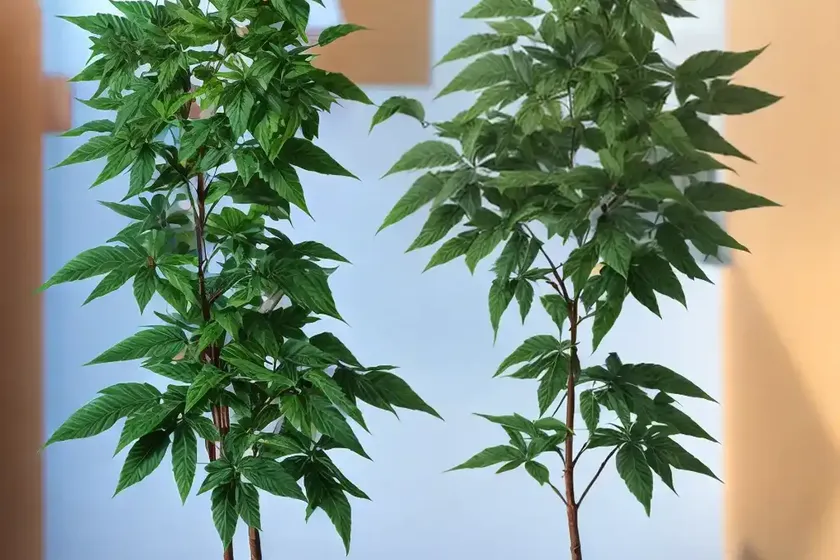
Plants have been an essential part of human life for centuries. They provide food, medicine, and materials for shelter and clothing. In addition to their practical uses, plants also enhance the beauty of our surroundings, making our environment more appealing and healthy. In this blog post, we will explore the fascinating Devil’s Walking-stick (Aralia Spinosa) plant. We will delve into its cultural significance, its uses, growing conditions, and much more. Join me on this journey as we uncover the secrets of this intriguing plant species.
What is Devil’s Walking-stick (Aralia Spinosa)?
Image source: USDA Forest Service
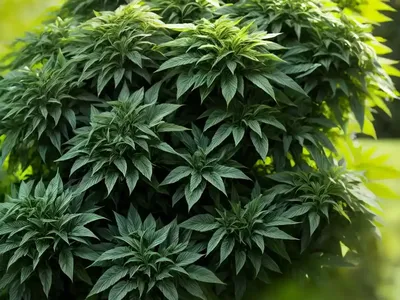
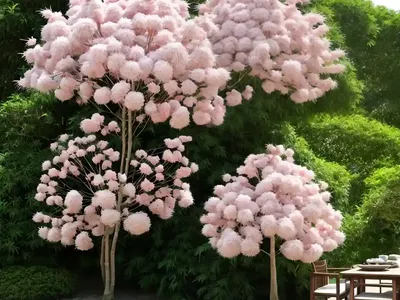
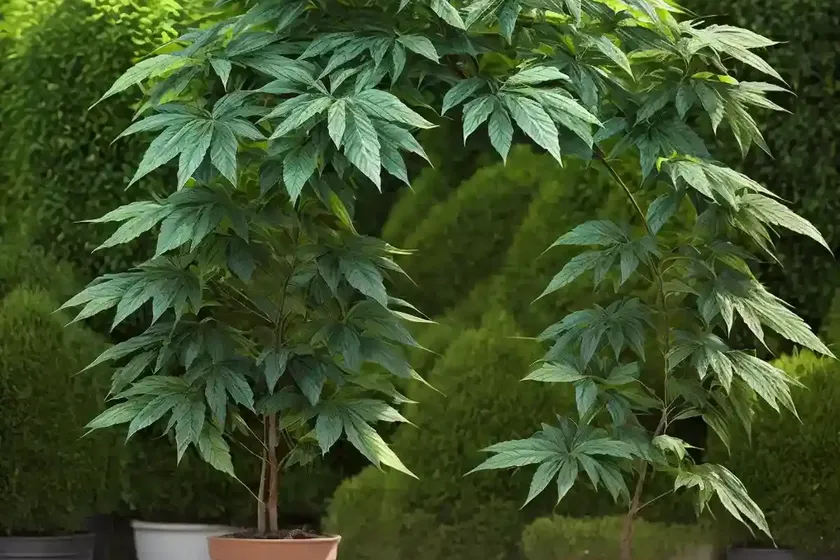
Also known as the Angelica tree, the Devil’s Walking-stick is a striking deciduous shrub or small tree native to the eastern United States and Canada. It belongs to the Araliaceae family and is characterized by its uniquely shaped compound leaves, formidable spines, and clusters of small white flowers that give way to dark purple berries.
Key Takeaways – Devil’s Walking-stick (Aralia Spinosa)
Before we dive deep into the details, let’s grasp some key takeaways about Devil’s Walking-stick (Aralia Spinosa):
- Scientific Name: Aralia Spinosa
- Common Names: Devil’s Walking-stick, Angelica tree, Hercules’ club
- Family: Araliaceae
- Native Range: Eastern United States and Canada
- Bloom Time: Late spring to early summer
- Special Features: Unique foliage, formidable spines, clusters of small white flowers, dark purple berries
Now that we have an overview of this remarkable plant, let’s explore its culture, uses, and the best practices for its care and maintenance.
Culture
Understanding the cultural requirements of a plant is the first step towards successfully growing and nurturing it. Devil’s Walking-stick, with its distinctive characteristics, has specific needs that must be met to ensure its optimal growth and well-being.
Water
Proper watering is crucial for the health of Devil’s Walking-stick. While it is generally drought-tolerant once established, it benefits from regular watering, especially during dry spells. However, it is important to avoid waterlogged conditions, as this can lead to root rot. A well-draining soil is essential for maintaining the plant’s moisture levels while preventing waterlogging.
Sunlight
Devil’s Walking-stick thrives in partial to full sun. In its natural habitat, it can be found in woodland edges and along roadsides, where it receives dappled sunlight. When cultivated as an ornamental plant, it should be provided with similar light conditions to promote healthy growth and flowering.
Fertilizer
This plant generally does not have high fertilizer requirements, especially if grown in nutrient-rich soil. However, if the soil is poor or lacks organic matter, a balanced fertilizer applied in the spring can help support the plant’s growth and overall vitality. It is important to follow the recommended application rates to avoid over-fertilizing, which can be detrimental to the plant.
Soil
Devil’s Walking-stick prefers well-draining, slightly acidic to neutral soil. It is adaptable to a range of soil types, including loamy, sandy, and clay soils, as long as they are well-draining. Adding organic matter, such as compost, to the planting site can improve soil structure and fertility, creating a favorable environment for the plant’s roots.
Pruning
Pruning Devil’s Walking-stick is an essential part of its maintenance, especially considering its dense growth habit and formidable spines. Regular pruning can help shape the plant, remove dead or damaged branches, and promote a more open and tidy appearance. It is important to wear protective gloves when pruning due to the sharp thorns.
Uses
Devil’s Walking-stick has a variety of uses, ranging from its ornamental value to its medicinal properties. Let’s explore some of its significant applications:
- Ornamental Plant: Its unique foliage and striking appearance make it a desirable plant for landscaping and gardens, adding a dramatic touch to the surroundings.
- Wildlife Habitat: The plant’s flowers and berries attract pollinators and birds, contributing to the ecological balance and biodiversity of its environment.
- Medicinal Purposes: In traditional medicine, various parts of the plant, such as the roots and berries, have been used to treat certain ailments. However, it is important to seek guidance from healthcare professionals before using any plant-based remedies.
Now that we have covered the cultural aspects and uses of Devil’s Walking-stick, it’s time to delve into specific details related to its care and maintenance under different conditions.
Propagation
Seed Propagation
Propagation of Devil’s Walking-stick can be achieved through seeds. Here are the basic steps for seed propagation:
-
Seed Collection: Collect mature berries from the plant when they are fully ripe.
-
Seed Extraction: Extract the seeds from the berries and clean them to remove any remaining pulp or debris.
-
Seed Treatment: Some gardeners recommend scarifying the seeds or soaking them in water for a period of time before sowing to improve germination rates.
-
Sowing: Sow the seeds in a well-draining potting mix at the appropriate depth, then cover lightly with soil.
-
Care and Maintenance: Keep the soil consistently moist and provide adequate light for the seeds to germinate. Once the seedlings have developed several sets of true leaves, they can be transplanted into individual containers.
Vegetative Propagation
Devil’s Walking-stick can also be propagated through vegetative means, such as stem cuttings. Here’s how it can be done:
-
Cutting Preparation: Take a cutting from a healthy, mature stem, ensuring it has several nodes.
-
Rooting Hormone (Optional): Dip the cut end of the stem in rooting hormone to enhance the rooting process.
-
Planting: Plant the cutting in a well-draining medium and ensure it receives adequate moisture and light.
-
Root Development: Over time, the cutting will develop roots and can be potted into a larger container or planted in the ground.
Container Popularity
Image source: Southeast Discovery
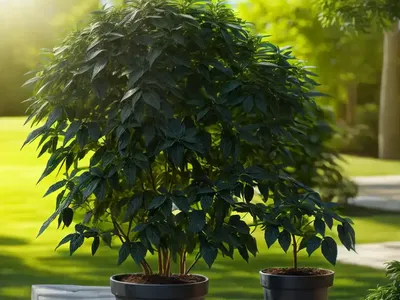
Devil’s Walking-stick can also thrive in containers, making it a versatile option for those with limited garden space. When grown in containers, it is essential to consider the following factors:
- Container Size: Choose a container that provides ample space for the plant’s roots to grow and develop. Ensure that it has drainage holes to prevent water accumulation.
- Soil Mix: Use a well-draining potting mix that provides good aeration for the roots. Adding perlite or coarse sand can improve drainage.
- Watering: Container-grown plants may require more frequent watering, especially during hot and dry periods. Monitor the soil moisture closely and adjust watering as needed.
With the right care and attention, Devil’s Walking-stick can make an excellent container plant, adding an intriguing touch to patios, balconies, and other outdoor spaces.
Common Diseases
Like all plants, Devil’s Walking-stick is susceptible to certain diseases and ailments. Being aware of these potential issues can help in early detection and effective management. Some common diseases that may affect Devil’s Walking-stick include:
- Powdery Mildew: This fungal disease can cause a powdery white coating on the plant’s leaves, affecting its overall health and appearance.
- Leaf Spot: Characterized by dark spots or lesions on the leaves, leaf spot diseases can weaken the plant and affect its vigor.
- Root Rot: Overly wet or poorly drained soil can lead to root rot, causing the plant’s roots to decay and impacting its ability to absorb nutrients and water.
Disease Diagnosis
Diagnosing plant diseases can sometimes be challenging, especially for the untrained eye. If you notice any unusual symptoms or changes in the plant’s health, it is advisable to seek guidance from a local horticulturist or plant disease specialist. They can help identify the specific disease affecting the plant and recommend appropriate treatment options.
Common Pests
In addition to diseases, Devil’s Walking-stick may also face pest-related issues that can impact its growth and vitality. Some common pests that can affect this plant include:
- Aphids: These small insects can cluster on the plant’s new growth, causing distortion and damage to the leaves and stems.
- Scale Insects: Scales can appear as small, waxy bumps on the plant’s stems and leaves, sucking sap from the plant and weakening its overall condition.
- Spider Mites: These tiny arachnids can create fine webbing on the plant and cause stippling or discoloration of the leaves.
Pest Management
Integrated pest management (IPM) practices can be employed to manage pest issues effectively. This approach may involve methods such as using insecticidal soaps, horticultural oils, or introducing natural predators to control pest populations. Regular monitoring of the plant and early intervention can prevent pest problems from escalating.
Botanist’s Tips
As a botanist or plant enthusiast, here are some tips to ensure the successful cultivation and appreciation of Devil’s Walking-stick:
- Appreciate its Unique Characteristics: Take the time to observe and appreciate the plant’s distinctive foliage, spines, and seasonal changes, which contribute to its allure as an ornamental species.
- Provide Adequate Space: When planting Devil’s Walking-stick in a garden or landscape, ensure that it has enough space to grow to its full size without overcrowding other plants.
- Wear Protective Gear: Due to its formidable spines, it is advisable to wear protective gloves and clothing when handling or pruning Devil’s Walking-stick to avoid injuries.
Fun Facts
To add an element of fascination to our exploration of Devil’s Walking-stick, here are some intriguing facts about this remarkable plant:
- The common name “Devil’s Walking-stick” is derived from the spiny appearance of the plant’s stems, which resemble a walking stick or cane.
- In its natural habitat, Devil’s Walking-stick provides valuable food and shelter for various wildlife species, contributing to the ecological balance of its environment.
- The plant’s berries are an important food source for birds, showcasing its ecological significance in supporting local wildlife populations.
Now that we have covered a wide range of aspects related to Devil’s Walking-stick, from its care and uses to its unique characteristics and wildlife interactions, it’s time to explore the wealth of resources available for further learning and exploration.
Links to External Resources
For those looking to delve deeper into the world of Devil’s Walking-stick and expand their knowledge, here are some valuable external resources to explore:
- USDA Plant Guide for Devil’s Walking-stick: A comprehensive guide from the United States Department of Agriculture providing detailed information on the plant’s characteristics, distribution, and cultural requirements.
- Wildflower Center – Aralia Spinosa: The Lady Bird Johnson Wildflower Center offers insights into the natural history and ecological significance of Devil’s Walking-stick in its native habitat.
- Native Plant Trust – Aralia Spinosa: Explore in-depth botanical information about Devil’s Walking-stick, including its taxonomy, distribution, and ecological associations.
With these resources at your fingertips, you can embark on a journey of discovery and deepen your understanding of this captivating plant species.
In conclusion, Devil’s Walking-stick (Aralia Spinosa) stands as a striking example of the botanical wonders found in the eastern regions of the United States and Canada. Its charismatic presence, ornamental value, and ecological significance make it a plant of particular interest for both horticultural enthusiasts and conservationists. By embracing the knowledge and insights shared in this guide, you can cultivate, appreciate, and celebrate the allure of Devil’s Walking-stick in your own botanical pursuits.
Remember, as you explore the world of plants, it is not only about their aesthetic appeal but also about the stories they tell and the ecological roles they play in the intricate tapestry of nature.
As always, happy gardening and may your botanical adventures be filled with wonder and discovery!