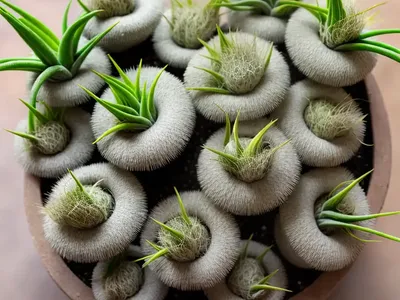
Deuterocohnia (Deuterocohnia)
Deuterocohnia, a genus of bromeliads, is known for its striking appearance and relatively low-maintenance requirements. In this comprehensive guide, we.
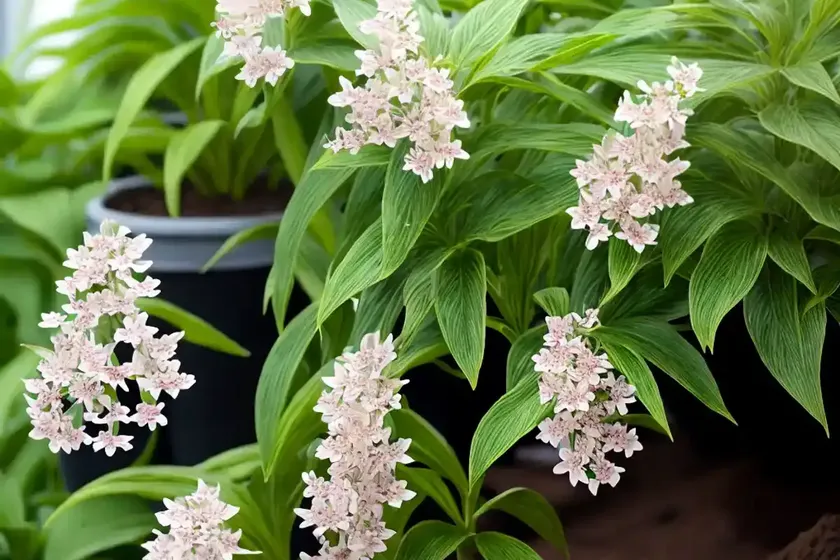
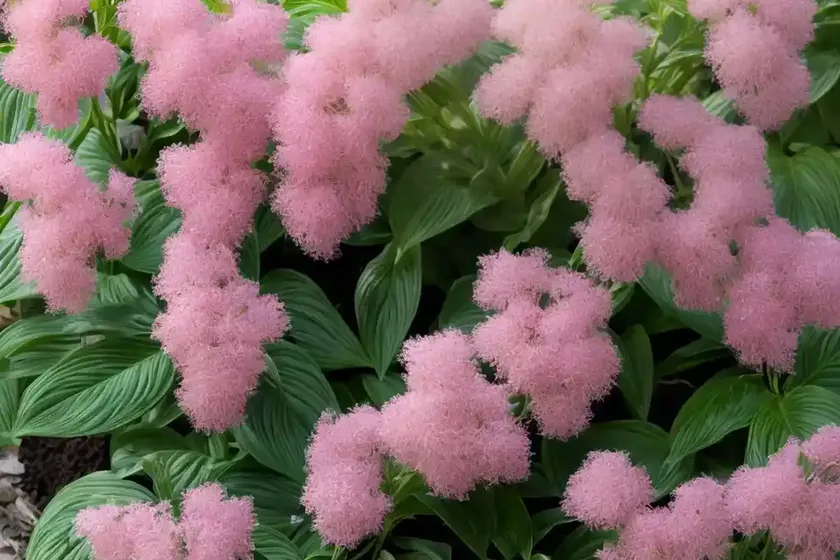
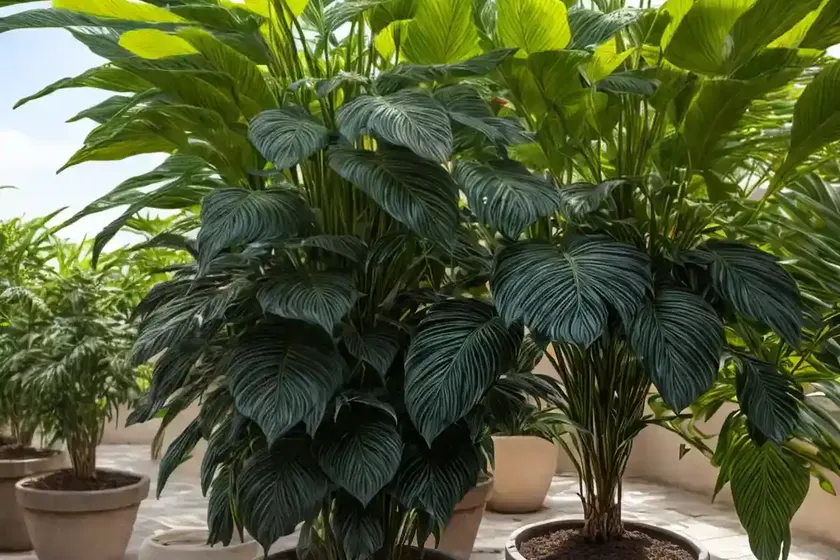
Deuterocohnia, a genus of bromeliads, is known for its striking appearance and relatively low-maintenance requirements. In this comprehensive guide, we will explore the various aspects of caring for and cultivating Deuterocohnia plants. From understanding their water and sunlight needs to learning about common pests and diseases, this guide aims to provide plant enthusiasts with all the essential information they need to successfully grow and appreciate these unique plants.
What is Deuterocohnia?
Deuterocohnia, a genus within the family Bromeliaceae, comprises approximately 22 recognized species known for their rosette-forming growth habit and intricately patterned foliage. These plants are native to various regions in South America, including Brazil, Uruguay, and Argentina, where they often thrive in rocky or dry habitats.
Deuterocohnia species are characterized by their adaptability to diverse environmental conditions, making them suitable for both indoor and outdoor cultivation in suitable climates. With their aesthetic appeal and relatively undemanding care requirements, Deuterocohnia plants have garnered popularity among enthusiasts and gardeners seeking to add unique and visually appealing specimens to their collections.
Key Takeaways – Deuterocohnia
Before delving into the specifics of Deuterocohnia plant care and cultivation, let’s summarily review the key takeaways associated with these distinctive plants.
- Hardiness: Deuterocohnia plants are known for their hardiness and tolerance to various environmental conditions.
- Aesthetic Appeal: The unique foliage and rosette formation of Deuterocohnia plants make them visually striking additions to gardens, landscapes, and indoor spaces.
- Low Maintenance: These plants generally have low maintenance requirements, making them suitable for enthusiasts with varying levels of gardening experience.
- Adaptability: Deuterocohnia plants can thrive in a range of conditions, including rocky or dry habitats, and are adaptable to different cultivation methods.
Now, let’s delve into the specific aspects of caring for and cultivating Deuterocohnia plants to ensure their optimal growth and visual appeal.
Culture
Uses
Before exploring the specific care requirements of Deuterocohnia plants, it’s essential to understand their potential uses in various settings. These uses can include both practical and aesthetic applications in landscaping, gardening, and interior design.
Landscaping and Gardening
- Aesthetic Appeal: Deuterocohnia plants are often used in landscaping to add visual interest and unique textures to outdoor spaces.
- Rock Gardens: Due to their adaptability to rocky habitats, some Deuterocohnia species are well-suited for inclusion in rock gardens and xeriscapes.
- Container Planting: The compact size and striking appearance of Deuterocohnia plants make them ideal for container gardening and ornamental displays on patios or decks.
- Companion Plants: They can serve as attractive companions to other succulents, cacti, or drought-tolerant species in garden beds or containers.
Water
Deuterocohnia plants have moderate water requirements, and overwatering can be detrimental to their health. Understanding the appropriate watering regimen is essential for maintaining the health and vitality of these unique bromeliads.
Watering Guidelines
- Frequency: Water Deuterocohnia plants when the top layer of the growing medium (typically a well-draining mix) feels dry to the touch.
- Avoid Waterlogging: Ensure that the growing medium allows excess water to drain freely to prevent waterlogging, which can lead to root rot.
- Central Cup: In addition to watering the growing medium, it’s important to fill the central cup (if present) of the rosette with water to provide moisture to the plant.
Sunlight
The sunlight requirements of Deuterocohnia plants vary depending on the specific species and their native habitat. Understanding their sunlight needs is crucial for ensuring their healthy growth and vibrant foliage.
Sun Exposure
- Bright Indirect Light: Provide Deuterocohnia plants with bright, indirect light for several hours each day. Avoid exposing them to intense, direct sunlight, especially during the hottest part of the day.
- Indoor Placement: For indoor cultivation, place Deuterocohnia plants near east or west-facing windows to provide them with adequate light. Alternatively, supplement natural light with grow lights if necessary.
- Outdoor Considerations: In outdoor settings, consider providing light shade during the hottest part of the day, especially in regions with intense sunlight.
Fertilizer
Fertilization is an important aspect of Deuterocohnia plant care, as it contributes to their overall health and vitality. However, it’s important to use fertilizers sparingly and with the appropriate formulation to avoid potential damage to these resilient plants.
Fertilization Guidelines
- Diluted Fertilizers: Use a balanced, diluted fertilizer formulated for bromeliads or other epiphytic plants. Apply the fertilizer at quarter-strength during the growing season, typically from spring to early fall.
- Avoid Overfertilization: Refrain from overfertilizing Deuterocohnia plants, as excessive nutrients can lead to salt buildup and damage the sensitive roots.
- Foliage Feeding: Consider foliar feeding by lightly misting the diluted fertilizer solution onto the foliage, allowing the plant to absorb nutrients through its leaves.
Soil
The selection of an appropriate growing medium is crucial for the health and growth of Deuterocohnia plants, as it directly impacts their moisture retention, aeration, and overall well-being.
Soil Mix
- Well-Draining Mix: Use a well-draining, porous potting mix with a blend of ingredients such as coconut coir, perlite, and pine bark to provide adequate aeration and prevent waterlogging.
- Epiphytic Substrate: Consider utilizing a specialized epiphytic mix formulated for bromeliads and other air plants, mimicking their natural growing conditions.
- Avoid Heavy Soils: Refrain from using heavy, water-retentive soils that can lead to excessive moisture around the roots, potentially causing rot and other issues.
Pruning
Pruning requirements for Deuterocohnia plants are minimal, primarily focusing on removing dead or decaying foliage and spent flowers to promote the overall health and appearance of the plants.
Pruning Considerations
- Dead Leaf Removal: Periodically remove brown or decaying leaves from the base of the plant to maintain a tidy and aesthetically pleasing appearance.
- Trimming Spent Blooms: Trim away spent flower stalks to encourage new growth and prevent the plant from expending unnecessary energy on seed production.
Propagation
Deuterocohnia plants can be propagated through various methods, allowing enthusiasts to expand their collection and share these unique specimens with other gardening enthusiasts.
Propagation Techniques
- Offsets (Pups): Deuterocohnia plants produce offsets, also known as pups, around the base of the mature plant. Carefully detach these pups and plant them in suitable growing medium to establish new plants.
- Division: For species that form clumps or multiple rosettes, division can be utilized to separate and replant individual rosettes, fostering new growth and expansion.
Container Popularity
The compact size and ornamental appeal of Deuterocohnia plants make them popular choices for container gardening, both indoors and outdoors.
Container Gardening
- Suitable Containers: Select containers with adequate drainage holes and a size proportional to the mature dimensions of the specific Deuterocohnia species.
- Ornamental Displays: Use Deuterocohnia plants in combination with other succulents, cacti, or ornamental foliage plants to create visually appealing container arrangements.
- Indoor Placement: Utilize Deuterocohnia plants as decorative elements in indoor settings, such as on windowsills, shelves, or as part of botanical displays.
Common Diseases
Understanding the common diseases that can affect Deuterocohnia plants is essential for proactive management and maintaining their overall health and vigor.
Disease Prevention
- Avoid Overwatering: Overwatering is a common cause of root rot and fungal issues in Deuterocohnia plants. Adhere to appropriate watering guidelines to prevent waterlogged conditions.
- Sanitary Practices: Practice cleanliness when tending to Deuterocohnia plants, avoiding the build-up of decaying plant matter or debris around the base of the rosettes.
Disease Diagnosis
In the event that a Deuterocohnia plant shows signs of distress or disease, it’s important to accurately diagnose the issue to implement targeted treatment and management strategies.
Symptom Recognition
- Yellowing Leaves: Yellowing or browning of foliage can indicate issues such as overwatering, nutrient deficiencies, or root rot.
- Mold and Fungus: The presence of mold, mildew, or fungal growth on the leaves or in the central cup may indicate excessive moisture levels and poor air circulation.
- Stunted Growth: Slow or stunted growth, along with wilting or drooping foliage, can signal underlying issues related to watering, soil conditions, or potential pest infestations.
Common Pests
While Deuterocohnia plants are generally resilient to pest infestations, they can occasionally face challenges from common garden pests that require prompt attention and management.
Pest Control
- Mealybugs and Scale: Inspect the foliage and rosettes for signs of mealybugs or scale insects, addressing infestations by gently wiping the affected areas with a cotton swab dipped in rubbing alcohol.
- Aphids: If aphids are present, spray the affected plants with a gentle stream of water to dislodge the insects, and consider using natural predators such as ladybugs for biological control.
Botanist’s Tips
To optimize the care, cultivation, and appreciation of Deuterocohnia plants, it’s beneficial to consider additional tips and insights from botanists and experienced growers.
Expert Suggestions
- Growth Observations: Regularly observe the growth patterns and condition of Deuterocohnia plants, noting any changes in foliage appearance or growth rate that may indicate underlying issues.
- Seasonal Adjustments: Make seasonal adjustments to watering, light exposure, and overall care based on the specific requirements of the Deuterocohnia species and the environmental conditions in your area.
Fun Facts
Uncovering interesting and unique facts about Deuterocohnia plants can further inspire appreciation for these captivating specimens and their ecological significance.
Intriguing Tidbits
- Epiphytic Adaptations: Many Deuterocohnia species exhibit epiphytic adaptations, naturally growing on trees or rocky substrates, showcasing their resilience and versatility in diverse habitats.
- Pollinator Attraction: Some Deuterocohnia species produce vibrant blooms that attract pollinators, contributing to the ecological dynamics of their native habitats.
Links to External Resources
Continue your exploration of Deuterocohnia plants, their care, and cultivation by delving into the following external resources:
Conclusion
Deuterocohnia plants, with their captivating foliage and adaptability, present opportunities for both novice and experienced plant enthusiasts to appreciate and cultivate unique specimens. By understanding their care requirements, propagation methods, and potential uses in various settings, individuals can foster the optimal growth and visual appeal of Deuterocohnia plants while contributing to the diverse tapestry of botanical diversity in gardens, landscapes, and interior spaces.
As you embark on your journey of caring for and cultivating Deuterocohnia plants, remember to observe their growth patterns, adjust their care based on seasonal considerations, and celebrate the beauty and resilience of these distinctive bromeliads.
Continue your exploration of Deuterocohnia plants, their care, and cultivation by delving into the following external resources: