Desert-willow (Chilopsis Linearis)
Plants are incredible living organisms that come in a wide variety of forms and thrive in diverse environments. One such remarkable plant is the.

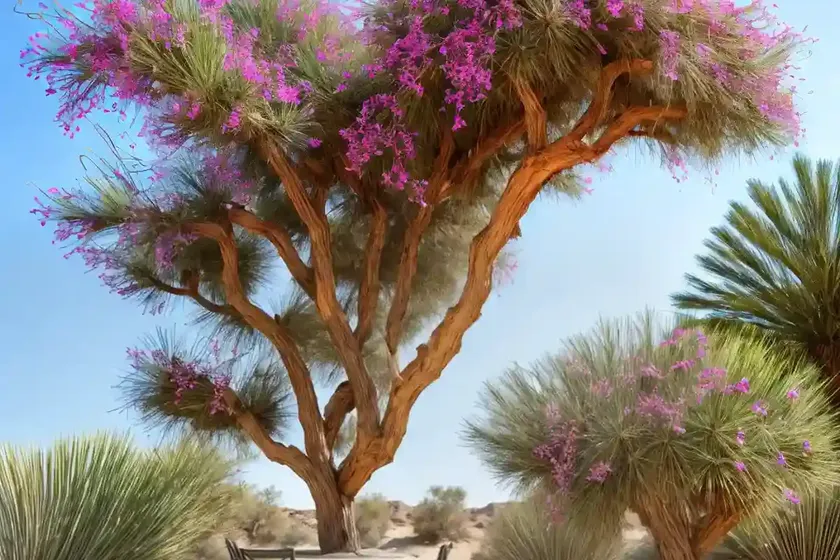
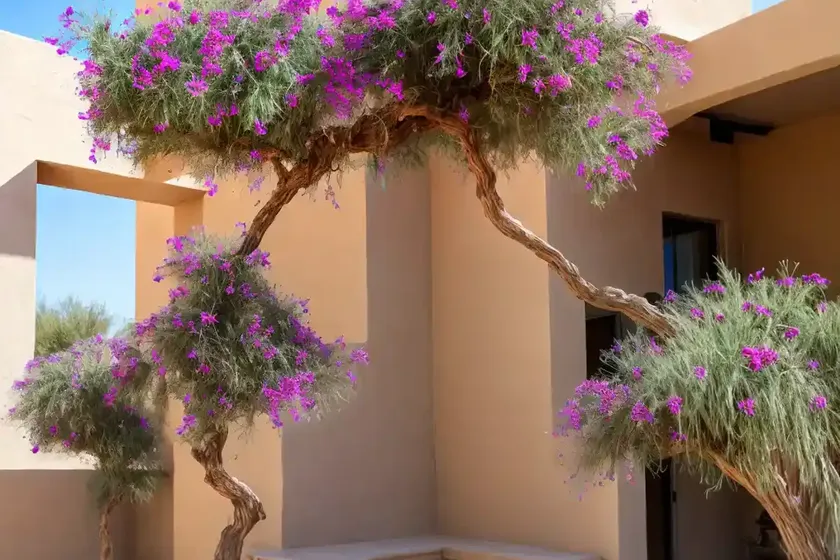
Plants are incredible living organisms that come in a wide variety of forms and thrive in diverse environments. One such remarkable plant is the Desert-Willow, scientifically known as Chilopsis linearis. This resilient and striking plant offers not only visual appeal but also several beneficial features. From its beautiful flowers to its ability to thrive in arid conditions, the Desert-Willow is a captivating addition to any landscape.
In this comprehensive guide, we will explore the various aspects of the Desert-Willow, including its cultural significance, uses, care requirements, potential diseases and pests, and much more. Whether you are a seasoned gardener or someone looking to delve into the world of plants, this blog post will equip you with the knowledge and insights needed to cultivate and appreciate the Desert-Willow.
What is the Desert-Willow (Chilopsis linearis)?
The Desert-Willow, scientifically known as Chilopsis linearis, is a flowering plant native to the southwestern United States and northern Mexico. It belongs to the family Bignoniaceae and is often referred to as desert-willow, desert willow, or willow-leaved catalpa. Despite its common name, the Desert-Willow is not closely related to true willows (Salix spp.), rather it is more closely related to Catalpa trees.
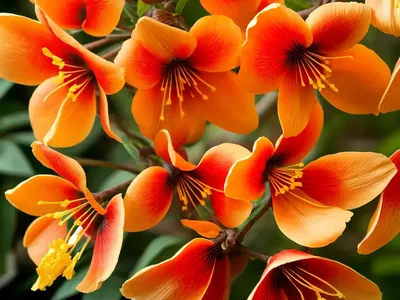
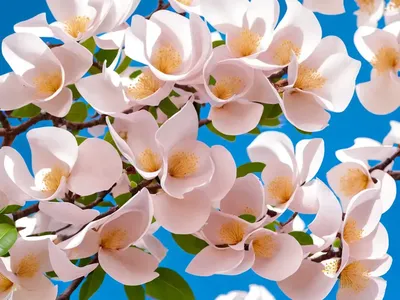
This remarkable plant is well adapted to thrive in arid and semi-arid regions, exhibiting drought tolerance and an ability to flourish in hot, dry climates. The Desert-Willow is known for its attractive trumpet-shaped flowers, which vary in color from light pink to deep burgundy, depending on the variety. Additionally, its narrow, linear leaves and impressive tolerance to challenging environmental conditions make it an appealing choice for landscaping and gardening projects in regions with low rainfall and high temperatures.
Now, let’s delve into the various aspects of caring for and cultivating the Desert-Willow, covering its water, sunlight, soil, pruning, propagation, and other essential considerations.
Key Takeaways – Desert-Willow (Chilopsis linearis)
Before we begin our in-depth exploration of the Desert-Willow, let’s summarize the key takeaways that will be covered in this guide:
- Plant Name: Desert-Willow (Chilopsis linearis)
- Culture: Understanding the cultural significance and uses of the Desert-Willow
- Water: Identifying the watering requirements for optimal growth
- Sunlight: Exploring the sunlight preferences and needs of the Desert-Willow
- Fertilizer: Understanding the role of fertilization in promoting healthy growth
- Soil: Choosing the best soil for the Desert-Willow’s cultivation
- Pruning: Learning about pruning techniques and their impact on the plant’s development
- Propagation: Exploring methods for propagating the Desert-Willow
- Container: Understanding the plant’s suitability for container gardening
- Popularity: Recognizing the growing popularity of the Desert-Willow in landscaping and gardening
- Common Diseases: Identifying potential diseases and their diagnosis in Desert-Willow plants
- Common Pests: Understanding the common pests that may affect the health of the Desert-Willow
- Botanist’s Tips: Gaining insights and tips from botanical experts
- Fun Facts: Exploring interesting and lesser-known facts about the Desert-Willow
- Links to External Resources: Accessing additional information and resources for further exploration
With these key takeaways in mind, let’s embark on a journey to uncover the intricacies of caring for and appreciating the Desert-Willow.
Desert-Willow (Chilopsis linearis) Care
Culture
The Desert-Willow, with its striking appearance and adaptability, holds cultural significance in various regions where it thrives. Understanding its traditional uses and ecological importance can deepen our appreciation for this resilient plant.
Uses
The Desert-Willow has been traditionally valued for its multiple uses, including:
- Landscaping: It is widely used in xeriscaping and water-wise gardens, serving as an ornamental and drought-tolerant addition to landscapes.
- Medicinal Properties: Certain indigenous communities have utilized parts of the plant for their purported medicinal benefits.
- Wildlife Habitat: The flowers and foliage of the Desert-Willow attract pollinators and wildlife, contributing to the biodiversity of its native ecosystems.
- Timber Uses: In some regions, the wood of the Desert-Willow has been used for crafting small wooden items or decorative purposes.
Understanding these diverse uses provides valuable insights into the ecological and cultural significance of the Desert-Willow.
Water
The watering requirements of the Desert-Willow play a crucial role in its overall health and development. Understanding its preferences and needs for moisture can aid in successful cultivation.
Watering Requirements
-
Established Plants: Once established, the Desert-Willow exhibits good drought tolerance and can survive with minimal irrigation in arid environments. However, during prolonged dry spells, it is beneficial to provide deep and infrequent waterings to promote healthy growth.
-
Young Plants: Young Desert-Willow plants may require more frequent watering to aid in root development and establishment. However, it is important to avoid overwatering, as the plant is susceptible to root rot in consistently wet soil.
-
Signs of Water Stress: It’s important to monitor the plant for signs of water stress, such as wilting or yellowing leaves, especially during hot, dry periods.
By understanding the Desert-Willow’s watering requirements, gardeners can effectively manage its moisture needs and promote its resilience in challenging environmental conditions.
Sunlight
The Desert-Willow’s ability to thrive in sunny and hot climates makes it a coveted plant for landscapes with ample sunlight. Understanding its preferences for light exposure is essential for its successful cultivation.
Full Sun Requirements
The Desert-Willow thrives in full sunlight and requires at least 6-8 hours of direct sunlight per day to flourish. Placing it in a location with ample sunlight is crucial for promoting robust flowering and overall healthy growth.
When selecting a site for planting, it’s important to prioritize areas with adequate sunlight exposure to ensure the plant’s vitality and vigor.
Fertilizer
Fertilization can play a significant role in enhancing the growth and blooming capabilities of the Desert-Willow. However, understanding the appropriate timing and types of fertilizers is essential for its well-being.
Fertilizing Techniques
-
Timing: Fertilize the Desert-Willow in early spring, just before the onset of new growth. Avoid late-season fertilization, as it can stimulate late growth that may be vulnerable to cold damage.
-
Fertilizer Type: Utilize a balanced, slow-release fertilizer formulated for flowering shrubs and trees. Applying a fertilizer with a nutrient ratio of 10-10-10 or similar can provide the essential nutrients for the Desert-Willow’s growth and flowering.
-
Application Method: Distribute the fertilizer evenly around the root zone of the plant and water thoroughly to ensure proper absorption.
By following appropriate fertilization practices, gardeners can support the Desert-Willow’s nutritional needs and contribute to its overall vitality.
Soil
Selecting the right soil for the Desert-Willow is crucial for its successful establishment and sustained growth. Understanding the soil preferences and pH requirements can greatly benefit the plant’s overall health.
Soil Preferences
-
Well-Draining Soil: The Desert-Willow thrives in well-draining soil and is intolerant of waterlogged conditions. A mixture of loamy, sandy, or gravelly soil that allows for efficient drainage is ideal for its cultivation.
-
Soil pH: The plant prefers slightly acidic to neutral soil with a pH range of 6.0 to 7.5. Testing the soil pH and amending it, if necessary, can create an optimal growing environment for the Desert-Willow.
-
Mulching: Applying a layer of organic mulch around the base of the plant can help retain soil moisture and regulate soil temperature, contributing to the Desert-Willow’s overall well-being.
By selecting and preparing the appropriate soil, gardeners can create a favorable environment for the Desert-Willow to thrive and showcase its remarkable features.
Pruning
Pruning is an essential practice for maintaining the health, shape, and flowering potential of the Desert-Willow. Understanding the techniques and timing for pruning can ensure the plant’s continued vigor and aesthetic appeal.
Pruning Techniques
-
Winter Pruning: Conduct pruning during late winter or early spring while the plant is dormant. This timing allows for the removal of dead or damaged branches and promotes the development of new growth in the upcoming growing season.
-
Selective Pruning: Remove any crossing or rubbing branches, as well as any weak or diseased growth. Additionally, selectively pruning to shape the plant can enhance its overall visual appeal and structure.
-
Pruning Young Plants: For young Desert-Willow plants, focus on shaping and establishing a well-structured framework that will support healthy growth and flowering in the future.
By employing proper pruning techniques, gardeners can help the Desert-Willow maintain its vitality and vigor while enhancing its ornamental value.
Propagation
Propagation allows for the expansion of Desert-Willow populations and the preservation of specific varietals. Understanding the methods for propagating this remarkable plant can support its continued presence in diverse landscapes.
Propagation Methods
-
Seed Propagation: Collect seeds from mature pods and sow them in well-draining soil in the spring. Germination may take several weeks, and it’s important to provide consistent moisture to aid in the establishment of young seedlings.
-
Cutting Propagation: Take softwood or hardwood cuttings from the parent plant and root them in a suitable growing medium. Apply rooting hormone to encourage the development of roots, and provide the cuttings with a warm and humid environment for successful propagation.
-
Division: In some cases, mature Desert-Willow plants can be propagated through division, where the root ball is carefully separated into multiple sections, each with its own shoots and roots.
By exploring different propagation methods, gardeners can actively contribute to the preservation and proliferation of the Desert-Willow’s diverse varieties and genetic diversity.
Container Popularity
The Desert-Willow’s adaptability and striking appearance make it a desirable candidate for container gardening. Understanding its suitability for container cultivation opens up new possibilities for incorporating this plant into diverse settings.
Container Gardening Tips
-
Container Requirements: Choose a large container with adequate drainage holes to accommodate the Desert-Willow’s root system and facilitate proper drainage.
-
Potting Mix: Utilize a well-draining potting mix that mimics the plant’s preferred soil conditions. Adding perlite or coarse sand to the mix can improve aeration and drainage.
-
Sunlight Exposure: Place the container in a location that receives ample sunlight, as the Desert-Willow thrives in full sun conditions.
By leveraging the plant’s adaptability and incorporating it into container gardening, enthusiasts can enjoy the beauty of the Desert-Willow in a variety of indoor and outdoor settings.
Common Diseases
Like all living organisms, the Desert-Willow is susceptible to certain diseases that can impact its health and appearance. Recognizing common diseases and their symptoms is crucial for implementing timely interventions.
Disease Diagnosis
-
Leaf Spot: Leaf spots caused by fungal pathogens can lead to the development of dark lesions on the foliage. Ensuring good air circulation and avoiding overhead watering can help prevent the spread of leaf spot diseases.
-
Powdery Mildew: This fungal disease presents as a powdery white coating on the leaves, typically in conditions with high humidity and poor air circulation. Pruning affected foliage and promoting better air movement can aid in managing powdery mildew.
-
Root Rot: Overly wet or waterlogged soil can lead to root rot, which manifests as wilting, yellowing foliage, and overall decline in plant health. Adjusting watering practices and improving soil drainage are essential for preventing and managing root rot.
By being vigilant and proactive in identifying and addressing potential diseases, gardeners can safeguard the health and vitality of the Desert-Willow in their landscapes.
Common Pests
Pests can pose a significant threat to the well-being of the Desert-Willow, causing damage to foliage, flowers, and overall plant vigor. Understanding common pests and their management is crucial for preserving the plant’s aesthetic and ecological value.
Pest Management
-
Aphids: These small, soft-bodied insects can cluster on new growth and feed on plant sap, leading to distorted foliage and the secretion of sticky honeydew. Rinsing the plant with a strong stream of water or using insecticidal soap can help control aphid populations.
-
Spider Mites: These tiny pests can cause stippling and discoloration on the foliage of the Desert-Willow. Regularly spraying the plant with water and applying horticultural oil can help mitigate spider mite infestations.
-
Scale Insects: Scale insects can be found on the stems and leaves of the plant, feeding on plant juices and weakening the Desert-Willow. Pruning and physically removing scale insects can help manage their impact on the plant.
By implementing effective pest management strategies, gardeners can minimize the damage caused by common pests and support the Desert-Willow’s continued growth and vitality.
Botanist’s Tips
Gaining insights and tips from botanical experts can provide valuable guidance for successfully caring for and appreciating the Desert-Willow in various settings.
Expert Advice
-
Selecting Varieties: Consider exploring different varieties of Desert-Willow to incorporate a diverse range of flower colors and growth habits into your landscape.
-
Native Habitat Considerations: Mimicking the natural growing conditions of the Desert-Willow, such as well-draining soil and ample sunlight, can enhance its performance and resilience.
-
Wildlife Benefits: Recognize and appreciate the plant’s role in supporting pollinators and wildlife, contributing to the overall ecological balance and biodiversity.
By incorporating expert advice into their approach, gardeners can make informed decisions and create environments that are conducive to the Desert-Willow’s well-being and ecological impact.
Fun Facts
Uncovering interesting and lesser-known facts about the Desert-Willow can deepen our appreciation for its unique features and ecological contributions.
Fascinating Insights
-
Long Blooming Period: The Desert-Willow often boasts a long flowering season, with some varieties producing blooms from late spring through early fall, attracting pollinators and admirers alike.
-
Wildlife Interaction: The plant’s flowers and foliage provide valuable resources for hummingbirds, bees, and other pollinators, enriching the surrounding ecosystem.
-
Drought Tolerance: The Desert-Willow’s ability to thrive in arid conditions without sacrificing its visual appeal makes it a standout choice for water-wise landscapes and gardens.
By exploring these fun facts, enthusiasts can develop a deeper connection with the Desert-Willow and elevate their appreciation for its remarkable characteristics.
Links to External Resources
For further exploration and in-depth information about the Desert-Willow, consider engaging with external resources and references from reputable sources. Here are some valuable resources to enhance your knowledge:
- Native Plants of North America: Desert Willow
- University of Florida IFAS Extension: Chilopsis linearis – Desert-Willow
- Lady Bird Johnson Wildflower Center: Desert-Willow, Desert Catalpa, Flowering Willow, Orchid of the Desert, Bowie’s Willow
- USDA Natural Resources Conservation Service: Chilopsis linearis
By engaging with credible external resources, enthusiasts and professionals alike can gain valuable insights and expand their understanding of the Desert-Willow, promoting its cultivation and conservation in various landscapes.
In Conclusion
The Desert-Willow (Chilopsis linearis) stands as a resilient and visually captivating plant with several beneficial attributes, making it a desirable addition to landscapes and gardens. By understanding its cultural significance, caring for its specific needs, and appreciating its ecological contributions, enthusiasts can foster a deeper connection with this remarkable plant.
As we embrace the diverse uses, care requirements, potential diseases, and fascinating elements of the Desert-Willow, we embark on a journey to celebrate its beauty and ecological value. By incorporating expert insights, monitoring for potential issues, and exploring its unique features, gardeners and nature enthusiasts can actively contribute to the conservation and appreciation of the Desert-Willow in diverse settings.
Through this comprehensive guide, we hope to inspire a renewed appreciation for the Desert-Willow and encourage the cultivation and preservation of this remarkable plant in landscapes, gardens, and natural habitats.
Remember, as you care for and enjoy the beauty of the Desert-Willow, you are also contributing to the preservation of a resilient and ecologically valuable species, enhancing the natural world around you.
The Desert-Willow awaits, ready to charm and thrive in your curated landscapes and outdoor spaces, offering its vibrant flowers and enduring presence in the everchanging tapestry of nature.
Would you like to explore this article further, or do you have additional questions about the Desert-Willow and its care? Feel free to delve into the external resources provided or reach out for more insights and guidance. Happy gardening!