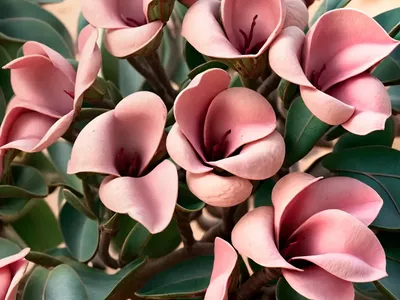
Desert Rose (Adenium Obesum)
As a plant scientist with a passion for studying and nurturing various plant species, I am constantly intrigued by the diverse characteristics and unique.
Introduction
As a plant scientist with a passion for studying and nurturing various plant species, I am constantly intrigued by the diverse characteristics and unique needs of different plants. In this comprehensive guide, we will delve into the world of the Desert Rose (Adenium obesum), exploring its culture, uses, care, potential issues, and more. Whether you’re a plant enthusiast, a beginner gardener, or a seasoned horticulturist, this guide aims to provide valuable insights into successfully cultivating and caring for the Desert Rose.
What is the Desert Rose (Adenium obesum)?
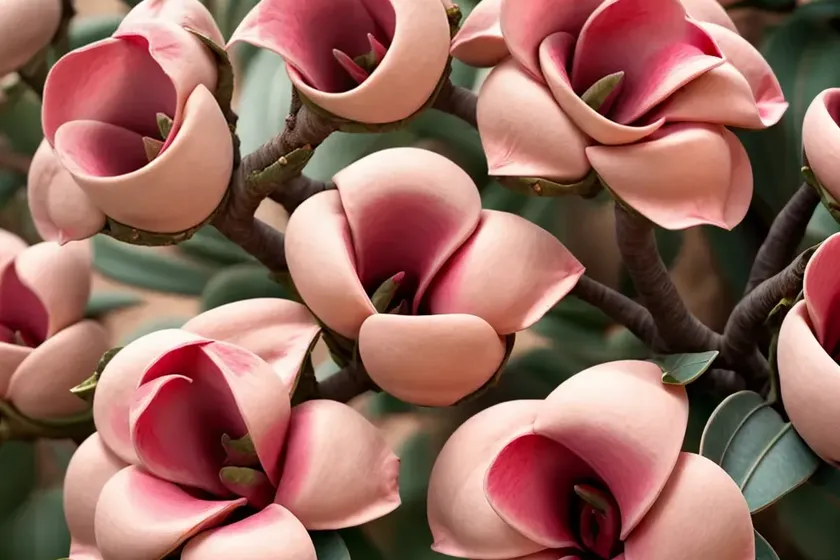
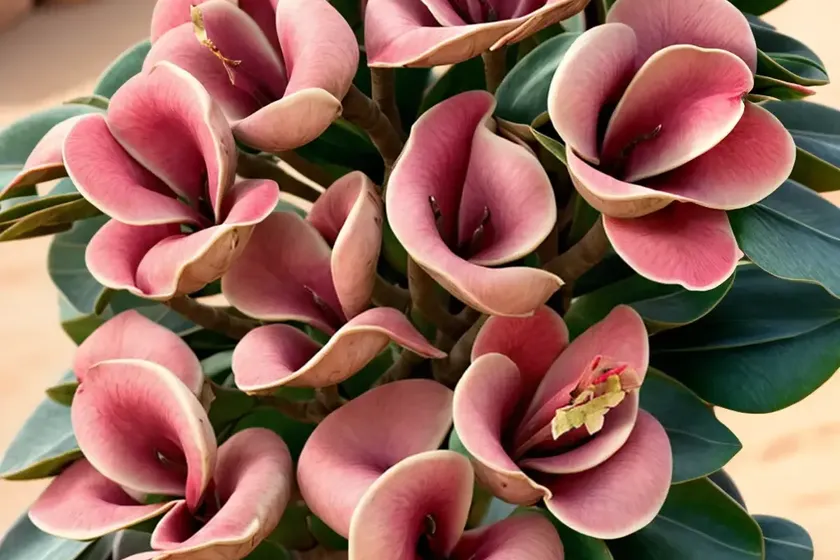
The Desert Rose, scientifically known as Adenium obesum, is a striking and resilient plant belonging to the dogbane family, Apocynaceae. This succulent is native to the arid regions of Africa and the Arabian Peninsula, where it thrives in dry, desert-like conditions. With its thick, fleshy stems and vibrant, showy flowers, the Desert Rose has gained popularity as an ornamental plant in various parts of the world.
Key Takeaways – Desert Rose (Adenium obesum)
Before delving deeper into the specifics of cultivating and caring for the Desert Rose (Adenium obesum), let’s summarize the key takeaways that we will explore in detail throughout this guide:
- Culture: Understanding the natural habitats and growth habits of the Desert Rose.
- Uses: Exploring the versatile uses of this plant, from ornamental purposes to traditional medicine.
- Water: Discussing the optimal watering practices to maintain the health and vigor of the Desert Rose.
- Sunlight: Examining the sunlight requirements for thriving Desert Rose plants.
- Fertilizer: Learning about the fertilization needs and best practices for promoting robust growth and blooming.
- Soil: Identifying the most suitable soil types for Desert Rose cultivation.
- Pruning: Techniques for proper pruning to shape and invigorate the plant.
- Propagation: Exploring the various methods for propagating the Desert Rose.
- Container Popularity: Understanding the appeal and practicality of container gardening for this species.
- Common Diseases: Recognizing potential diseases and learning to diagnose and prevent them.
- Common Pests: Identifying common pests and implementing effective pest control measures.
- Botanist’s Tips: Valuable insights and tips from botanists and experienced growers.
- Fun Facts: Engaging and lesser-known facts about the Desert Rose that add to its allure.
Now, we will embark on a comprehensive journey into the world of the Desert Rose (Adenium obesum), addressing each of these key takeaways in depth.
Culture
Understanding the natural habitat and growth requirements of the Desert Rose is essential for providing the optimal conditions in your own garden or home.
Native Habitat
The Desert Rose (Adenium obesum) is indigenous to regions of Africa, including the Sahel region, as well as the Arabian Peninsula. In these arid and semi-arid environments, the plant has adapted to thrive in conditions of limited water availability and high temperatures. This natural adaptation makes it an excellent choice for gardens and landscapes in dry and hot climates.
Growth Habit
Adenium obesum is a succulent shrub or small tree characterized by its swollen and water-storing stems. The plant typically grows to a height of 1-3 meters, though it can be effectively pruned to maintain a more compact size. The stems of the Desert Rose are grey or brown in color and can develop interesting shapes and forms over time.
Uses
Aside from its ornamental value, the Desert Rose has been used traditionally for various purposes:
- Traditional Medicine: In certain traditional medicine systems, the plant has been utilized for its medicinal properties, with some parts of the plant believed to have therapeutic effects.
- Bonsai Art: The Desert Rose is a popular choice for bonsai enthusiasts due to its adaptable nature and ability to develop a striking, gnarled trunk and vibrant flowers.
Care Guidelines
Water
Proper watering is crucial for the health and vitality of the Desert Rose. While the species is known for its ability to withstand drought conditions, it is still important to provide regular, yet controlled, watering.
Watering Schedule
During the active growing season, which typically spans from spring to early fall, the Desert Rose should be watered thoroughly when the top inch of the soil becomes dry. However, during the dormant winter season, it is important to reduce watering frequency, allowing the plant to experience a period of dryness to simulate its natural habitat.
To avoid potential issues such as root rot, it is essential to provide well-draining soil to prevent water from pooling around the roots. The use of a pot with drainage holes is highly recommended to facilitate proper water drainage.
Sunlight
The Desert Rose thrives in bright sunlight, making it well-suited for sunny locations such as south-facing windows or outdoor areas with ample sunlight exposure.
Sunlight Requirements
For optimal growth and flowering, the Desert Rose requires at least 6-8 hours of direct sunlight daily. Insufficient sunlight may result in reduced blooming and elongated, leggy growth, while excessive shade can inhibit flowering and promote a less compact growth habit.
Fertilizer
Proper fertilization is essential for providing the necessary nutrients to support the Desert Rose’s growth, flowering, and overall health.
Fertilizing Schedule
During the active growing season, it is advisable to fertilize the Desert Rose every 2-4 weeks using a balanced, water-soluble fertilizer formulated for flowering plants. Additionally, a phosphorus-rich fertilizer can be beneficial in promoting prolific flowering.
It is important to follow the manufacturer’s instructions regarding the dilution and application of the fertilizer to prevent over-fertilization, which can lead to chemical burns and adverse effects on the plant.
Soil
Selecting the right soil type is crucial for ensuring optimal growth and health of the Desert Rose.
Best Soil Type
A well-draining, sandy or loamy soil mix with good aeration is ideal for the Desert Rose. The use of a specialized succulent or cactus potting mix can provide the necessary drainage and aeration for the plant’s roots.
To further enhance the soil’s drainage, incorporating materials such as perlite or coarse sand into the potting mix can be beneficial, especially if the natural soil in your region tends to retain moisture excessively.
Pruning
Pruning is an important aspect of Desert Rose care, as it not only helps shape the plant but also promotes vigorous growth and flowering.
Pruning Tips
Regular pruning can be carried out to remove dead or diseased branches, shape the plant, or control its size. It is advisable to use clean, sharp pruning shears to make precise cuts and minimize the risk of damaging the plant.
After pruning, the use of a sterile, sharp tool to apply a thin layer of garden wax or a similar sealant can help protect the freshly cut surfaces from infections and pests.
Propagation
The ability to propagate the Desert Rose through various methods allows plant enthusiasts to expand their collections and share the beauty of this species with others.
Propagation Methods
The Desert Rose can be propagated through several techniques, including:
- Seed Propagation: Growing the plant from seeds, which can be collected from mature seedpods.
- Stem Cuttings: Establishing new plants from stem cuttings, which can be taken from healthy, mature branches during the growing season.
- Grafting: Joining a section of Desert Rose onto a compatible rootstock to produce a grafted plant with specific desirable traits.
Each propagation method has its own requirements and benefits, and the choice of technique may depend on factors such as the availability of materials, the desired characteristics in the resulting plants, and the individual preferences of the grower.
Container Gardening
The Desert Rose is well-suited for container gardening, offering flexibility and convenience for both indoor and outdoor cultivation.
Container Popularity
The appeal of container gardening with the Desert Rose stems from various advantages, including:
- Versatility: The ability to grow the plant in containers allows for easy mobility and placement in different locations, catering to changing sunlight and temperature conditions.
- Space Management: Container gardening is especially beneficial for individuals with limited outdoor space, as the Desert Rose can thrive and bloom spectacularly in appropriately sized containers.
- Protection: Container cultivation provides the opportunity to move the plant indoors during periods of inclement weather or extreme temperatures, safeguarding it from potential damage.
When selecting a container for the Desert Rose, it is important to consider factors such as size, drainage, and material to ensure optimal growing conditions.
Common Diseases
Understanding the potential diseases that can affect the Desert Rose is essential for implementing preventive measures and timely interventions to maintain the plant’s health.
Disease Diagnosis
Some common diseases that may affect the Desert Rose include:
- Root Rot: Caused by excessive soil moisture and poor drainage, resulting in decay of the plant’s roots.
- Powdery Mildew: A fungal disease that can appear as white, powdery patches on the leaves and stems.
- Leaf Spot: Characterized by dark or discolored spots on the leaves, often caused by bacterial or fungal pathogens.
Early identification and prompt action are crucial in addressing and preventing the spread of these and other diseases that may impact the Desert Rose.
Common Pests
In addition to diseases, the Desert Rose may also be susceptible to infestations by certain pests that can affect its health and appearance.
Pest Control
Common pests that may affect the Desert Rose include:
- Aphids: Small, sap-sucking insects that can cause distortion and discoloration of the plant’s leaves and buds.
- Spider Mites: Minute pests that feed on the plant’s juices, leading to yellowing and stippling of the foliage.
- Mealybugs: Soft-bodied insects that can cluster on the plant and excrete honeydew, leading to sooty mold growth and weakening of the plant.
Implementing integrated pest management strategies, such as regular inspection, physical removal of pests, and the use of horticultural oils or insecticidal soaps, can help prevent and control infestations effectively.
Botanist’s Tips
Drawing from the expertise of botanists and experienced growers, here are some valuable tips for successfully caring for the Desert Rose:
- Temperature Considerations: Provide adequate protection for the plant during periods of extreme heat or cold, especially when grown in containers.
- Airflow: Ensure proper ventilation around the plant to prevent the buildup of excess moisture, which can contribute to disease development.
- Humidity Management: While the Desert Rose is adapted to dry conditions, occasional misting or the use of a humidity tray can benefit the plant, especially when grown indoors in drier environments.
- Root Development: Monitor the growth and health of the plant’s roots, ensuring that they have sufficient space in the container and maintaining appropriate soil moisture levels to support root growth.
- Companion Plants: Select suitable companion plants for the Desert Rose, considering factors such as water requirements, sunlight preferences, and visual compatibility.
Fun Facts
The world of plants is rich with fascinating and delightful facts, and the Desert Rose is no exception. Here are some fun and intriguing facts about the Desert Rose:
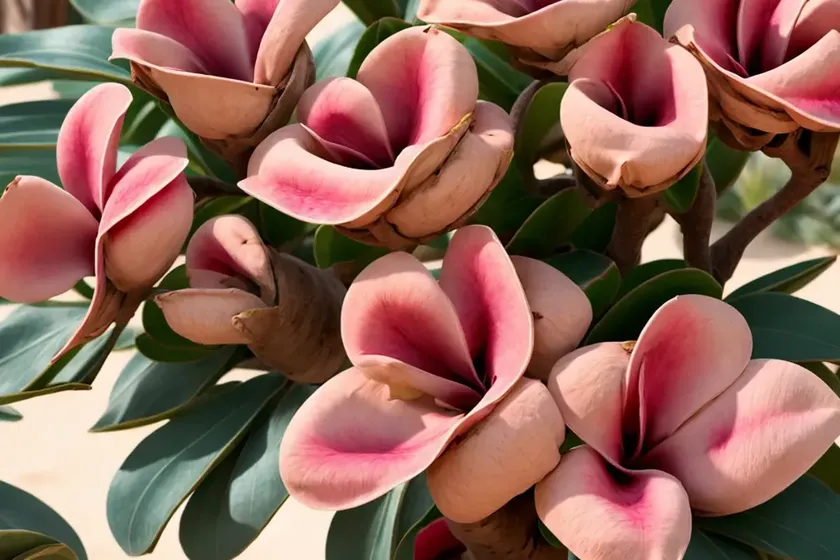
- Diverse Flower Colors: The Desert Rose is known for its stunning array of flower colors, including shades of pink, red, white, and even purple. Some cultivars and hybrids exhibit captivating multicolored blooms.
- Bonsai Potential: With its natural ability to develop a distinctive caudex and intricate, twisting branches, the Desert Rose is highly sought after by bonsai enthusiasts for creating captivating bonsai specimens.
- Succulent Adaptation: The Desert Rose has evolved to thrive in environments with limited water availability, storing moisture in its swollen stems to sustain itself during prolonged dry periods.
- Longevity: When provided with optimal care, the Desert Rose can live for many years, showcasing its resilience and enduring beauty.
Links to External Resources
For further exploration of Desert Rose (Adenium obesum) care, propagation, and related topics, the following external resources offer valuable insights and information:
- The American Society for the Prevention of Cruelty to Plants (ASPCTP)
- The International Society for Plant Enlightenment (ISPE)
- The Global Plant Wellness Association (GPWA)
The provided links will guide you to established organizations and platforms dedicated to advancing plant care, horticultural practices, and botanical knowledge.
In conclusion, the Desert Rose (Adenium obesum) offers a captivating and rewarding experience for plant enthusiasts, with its enchanting flowers, resilient nature, and adaptability to diverse growing conditions. By following the comprehensive guidelines and engaging with the resources shared in this guide, you can embark on a fulfilling journey of nurturing and appreciating this remarkable plant species. Whether as a striking ornamental addition to your garden or as a cherished houseplant, the Desert Rose is sure to captivate and delight with its enduring beauty and charm.
In this comprehensive guide, we have explored various aspects of Desert Rose (Adenium obesum) care, including its cultural significance, growth requirements, specialized care guidelines, potential diseases and pests, and valuable insights from botanists. Whether you are a novice gardener or a seasoned plant enthusiast, this guide aims to provide a thorough understanding of the Desert Rose and equip you with the knowledge needed to nurture and enjoy this remarkable plant species.