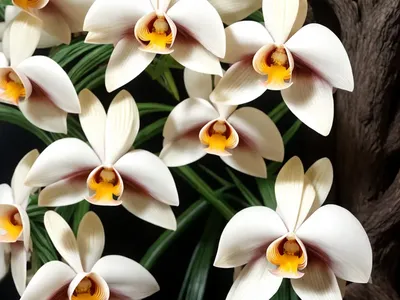
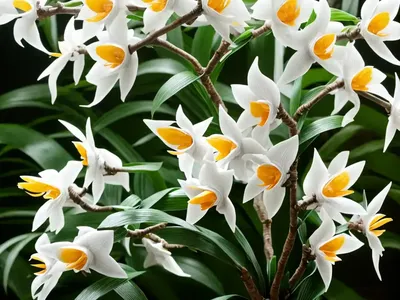
Dendrobium Orchid (Dendrobium)
Dendrobium orchids, commonly known as Dendrobium, are a diverse group of orchids belonging to the family Orchidaceae. With over a thousand species.
Introduction
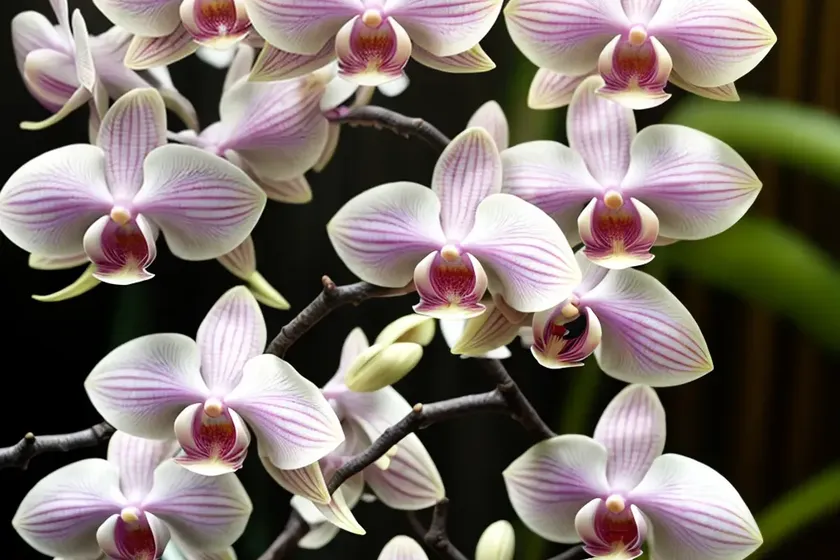
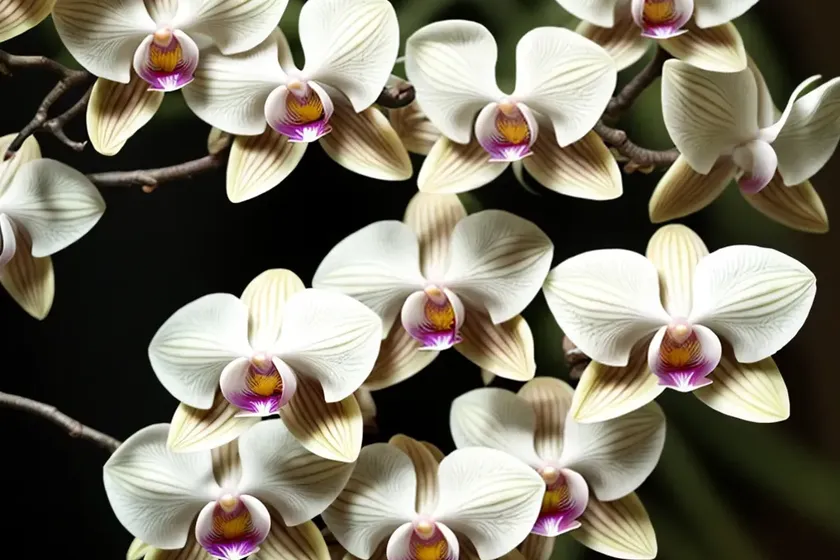
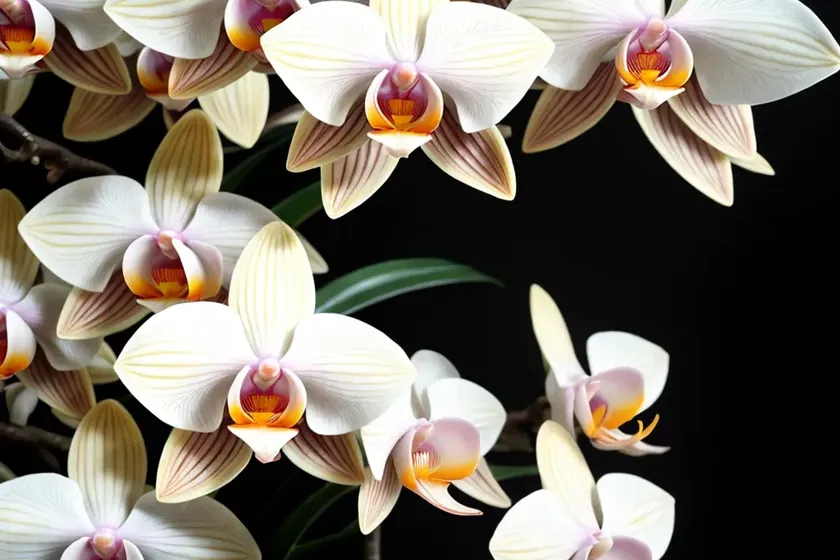
Dendrobium orchids, commonly known as Dendrobium, are a diverse group of orchids belonging to the family Orchidaceae. With over a thousand species, Dendrobium orchids are known for their stunning and diverse varieties, making them one of the most popular orchid genera globally. In this comprehensive guide, we will explore the fascinating world of Dendrobium orchids, including their culture, uses, best practices for care, common diseases, pests, and interesting facts.
What is Dendrobium Orchid?
The Dendrobium genus encompasses a wide range of orchid species, varying in size, shape, color, and blooming patterns. These orchids are native to diverse habitats across Asia, Australia, and the Pacific Islands, where they grow in a variety of climates and altitudes. The name “Dendrobium” is derived from the Greek words “dendron” (tree) and “bios” (life), reflecting their epiphytic or lithophytic growth habits in the wild.
Key Takeaways – Dendrobium Orchid (Dendrobium)
Before we delve deeper into the specifics of Dendrobium orchid care and cultivation, let’s highlight the key takeaways that will be covered in this guide:
- Dendrobium Orchid care
- Dendrobium Orchid species and varieties
- How to grow Dendrobium Orchids
- Pruning and watering requirements
- Sunlight and temperature preferences
- Potting mix and fertilization techniques
- Propagation and division methods
- Common diseases and pest management
- Fun facts about Dendrobium Orchids
Culture
Uses
Dendrobium orchids have been cherished for their ornamental value for centuries. From traditional medicinal uses to their significance in cultural ceremonies and modern floral arrangements, these orchids hold a special place in various cultures. Additionally, some Dendrobium species are cultivated for their application in perfumery and the production of gourmet food delicacies.
Water
Proper watering is crucial for the health and blooming of Dendrobium orchids. These orchids thrive when their roots experience a cycle of moisture and drying, simulating their natural growing conditions. The frequency of watering should be adjusted according to the orchid’s growing medium, environmental conditions, and the specific needs of the plant.
Sunlight
Dendrobium orchids generally prefer bright, indirect light. Adequate sunlight exposure is essential for their growth and blooming. However, prolonged exposure to intense sunlight can lead to leaf burn and dehydration, so it’s important to provide suitable shading or diffused light when necessary.
Fertilizer
Proper nutrition is essential for the healthy growth and flowering of Dendrobium orchids. A balanced, water-soluble orchid fertilizer, specifically formulated for epiphytic orchids, should be applied at regular intervals to provide the necessary nutrients for robust growth and vibrant blooms.
Soil
In their natural habitat, Dendrobium orchids typically grow on trees or rocks, utilizing a well-draining, airy medium to promote healthy root growth. When cultivated in pots, a coarse, well-aerated orchid mix or a blend of materials such as bark, sphagnum moss, and perlite is recommended to mimic their natural environment.
Pruning
Pruning is an essential aspect of Dendrobium orchid care, as it promotes new growth, enhances flowering, and maintains the overall health and appearance of the plant. Regular pruning involves the removal of spent blooms, dead or yellowing leaves, and canes that have completed their blooming cycle.
Propagation
Dendrobium orchids can be propagated through various methods, including division, backbulb propagation, keiki propagation, and tissue culture. Each propagation technique offers unique advantages and is chosen based on the specific requirements of the orchid and the preferences of the grower.
Container
Selecting the appropriate container for Dendrobium orchids is crucial to ensure proper drainage, aeration, and sufficient space for root expansion. Orchid pots with ample drainage holes and suitable dimensions are ideal for accommodating the growth habits of Dendrobium orchids.
Popularity
Dendrobium orchids are highly esteemed and sought after for their exceptional beauty, diverse colors, and intriguing forms. They hold a prominent position in the orchid community and are widely cultivated by enthusiasts, hobbyists, and professional growers. Their popularity is further amplified by their adaptability to various growing conditions and their rewarding blooming cycles, making them a favored choice for both novice and experienced orchid enthusiasts.
Common Diseases
Dendrobium orchids can be susceptible to a range of diseases, including fungal, bacterial, and viral infections. Proper cultural practices, vigilant monitoring, and timely interventions are paramount in preventing and managing these diseases to safeguard the health and vitality of the orchids.
Disease Diagnosis
Early detection and accurate diagnosis of diseases are crucial for implementing effective control measures and preventing the spread of pathogens. Common symptoms of orchid diseases include leaf spotting, discoloration, wilting, distorted growth, and abnormal lesions, which necessitate thorough assessment and prompt action to mitigate the impact on the plants.
Common Pests
Like many ornamental plants, Dendrobium orchids are susceptible to pest infestations, including aphids, scale insects, spider mites, and thrips. Regular inspection and proactive pest management strategies are essential to protect the orchids from the detrimental effects of these pests and maintain their vitality.
Botanist’s Tips
To enhance the success and enjoyment of cultivating Dendrobium orchids, consider the following expert tips:
- Select orchid species and varieties suited to your local climate and growing conditions.
- Establish a consistent care routine tailored to the specific needs of your Dendrobium orchids.
- Monitor environmental factors such as temperature, humidity, and airflow to create an optimal growing environment.
- Familiarize yourself with the unique growth habits and blooming patterns of your Dendrobium orchids to provide tailored care and support.
Fun Facts
- The name “Dendrobium” is derived from the Greek words “dendron” (tree) and “bios” (life), alluding to their epiphytic or lithophytic growth habits.
- Some Dendrobium species have been utilized in traditional medicine for their purported therapeutic properties.
- Dendrobium orchids exhibit a remarkable diversity of flower shapes, colors, and sizes, captivating enthusiasts with their unparalleled beauty and elegance.
Links to External Resources
For further exploration of Dendrobium orchids and to access valuable resources and insights, refer to the following links:
- American Orchid Society
- Royal Horticultural Society – Growing Orchids
- Orchid Species – Dendrobium
- International Dendrobium Species Register
In conclusion, Dendrobium orchids captivate enthusiasts with their astonishing diversity, captivating blooms, and intriguing growth habits. By understanding and implementing the best practices for their care and cultivation, growers can unlock the full potential of these remarkable orchids and experience the rewards of nurturing these botanical treasures. Whether you are a novice orchid enthusiast or a seasoned collector, the enchanting allure of Dendrobium orchids is sure to inspire a lifelong fascination with their timeless beauty.