Dendrobium Nobile (Noble Rock Orchid)
Dendrobium nobile, commonly known as Noble Rock Orchid, is a stunning species of orchid known for its magnificent bloom and beautiful floral display. This.
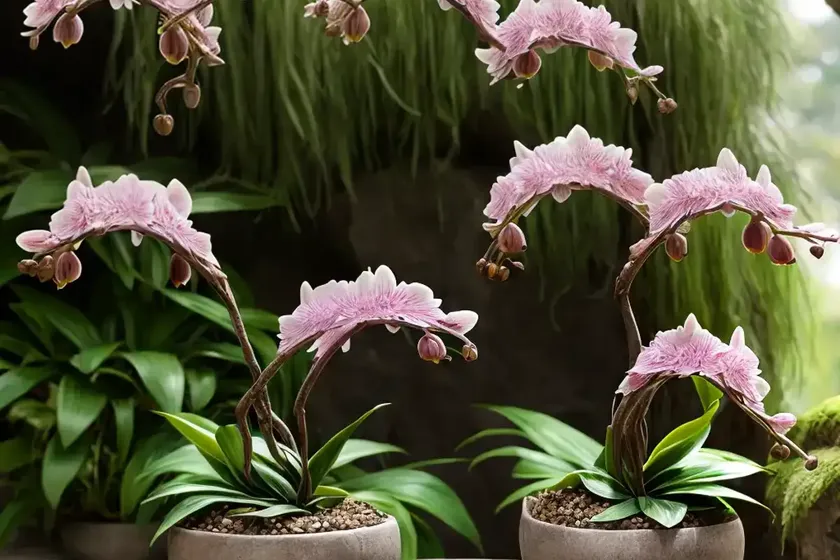
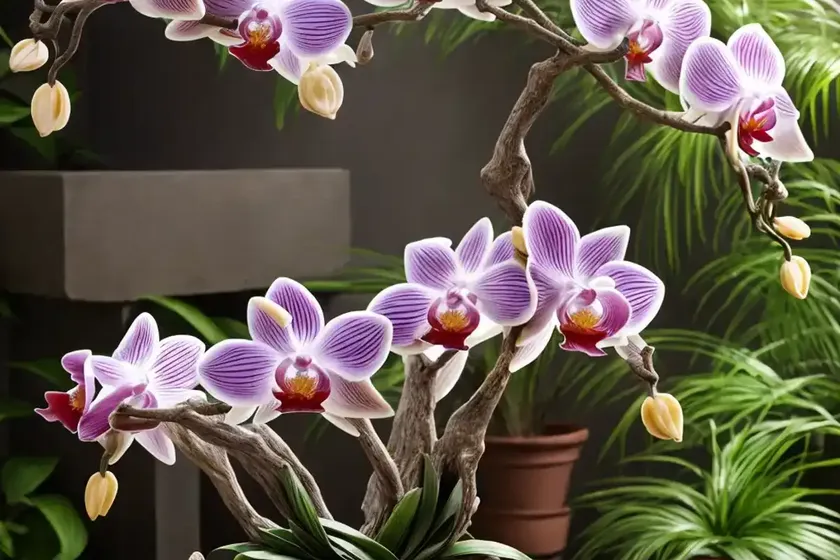
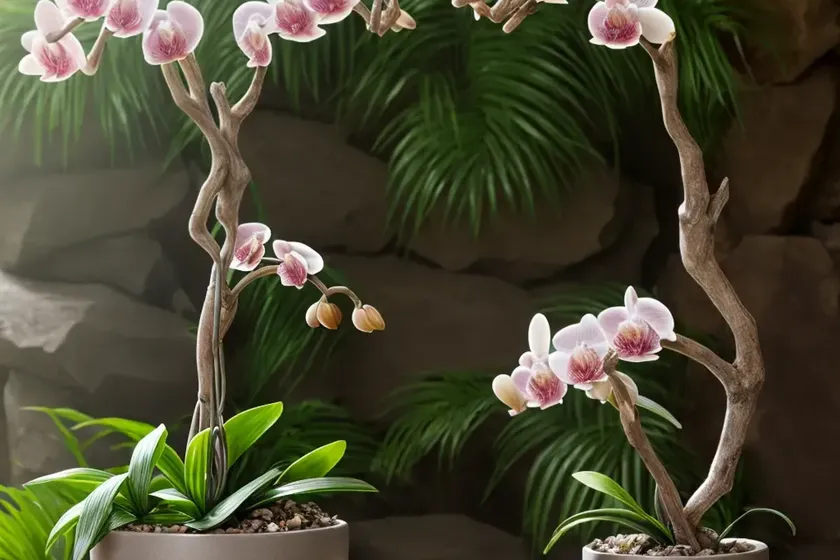
Dendrobium nobile, commonly known as Noble Rock Orchid, is a stunning species of orchid known for its magnificent bloom and beautiful floral display. This epiphytic orchid is a native of the Himalayan regions and can be found in various parts of Southeast Asia, including China, India, Thailand, and Vietnam. The Dendrobium genus is one of the largest in the orchid family, and Dendrobium nobile is a significant representative of this diverse group of orchids.
In this comprehensive guide, we will delve into all aspects of caring for and cultivating Dendrobium nobile, also known as the Noble Rock Orchid. We will explore its cultural requirements, uses, ideal environmental conditions, propagation methods, common diseases and pests, as well as interesting botanical facts. Whether you’re a seasoned orchid enthusiast or a beginner looking to embark on a fulfilling journey of orchid cultivation, this guide will provide you with the essential knowledge to successfully nurture and appreciate the beauty of Dendrobium nobile.
Key Takeaways – Dendrobium Nobile (Noble Rock Orchid)
Before we dive into the specifics of caring for Dendrobium nobile, let’s explore some key takeaways about this exquisite orchid:
- Dendrobium nobile is an epiphytic orchid species known for its vibrant and long-lasting flowers.
- It thrives in bright, indirect light and requires a well-ventilated environment to prevent issues such as rot and fungal infections.
- The Noble Rock Orchid is valued not only for its ornamental beauty but also for its use in traditional medicine and fragrance production.
- When it comes to watering, Dendrobium nobile benefits from a balanced approach, allowing the growing medium to partially dry out between waterings.
- A suitable fertilizer regimen and well-draining potting medium are essential for promoting healthy growth and prolific flowering.
- Regular pruning, especially after the flowering season, promotes the orchid’s vitality and ensures the development of new growths and blooms.
With these key points in mind, let’s take a closer look at the specific requirements for cultivating and caring for Dendrobium nobile.
What is Dendrobium Nobile (Noble Rock Orchid)?
Description and Morphology
Dendrobium nobile, belonging to the Dendrobium genus, is a charismatic orchid species celebrated for its impressive floral displays and resilience. As an epiphytic orchid, it naturally inhabits the branches of trees and other elevated surfaces, and its adaptive nature allows it to thrive in diverse environments. The distinctive characteristics of Dendrobium nobile include:
- Pseudobulbs: This orchid species is characterized by pseudobulbs, which are swollen, structurally modified stems used for water and nutrient storage. The pseudobulbs of Dendrobium nobile typically appear clustered along the rhizome and serve as reservoirs for sustaining the plant during periods of dormancy or water scarcity.
- Aerial Roots: Dendrobium nobile develops aerial roots that anchor the plant to its growing surface while absorbing moisture and nutrients from the surrounding atmosphere. These roots are essential for the plant’s adaptation to epiphytic habitats and play a crucial role in its overall growth and development.
- Leaves: The leaves of Dendrobium nobile are generally oblong or elliptical in shape, and they exhibit varying shades of green, often with a waxy texture. The leaves play a pivotal role in photosynthesis and contribute to the orchid’s overall vitality and vigor.
Flowering
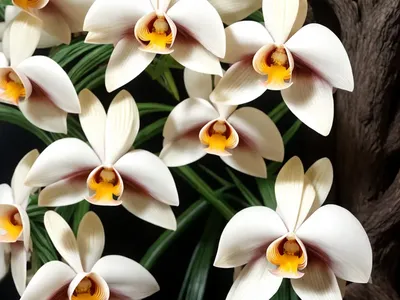
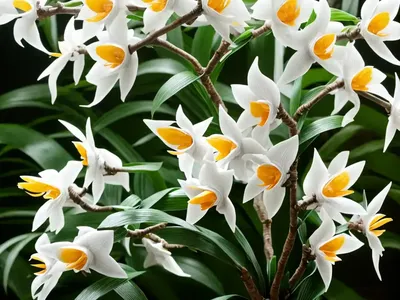
One of the most captivating attributes of Dendrobium nobile is its remarkable flowering capacity. The orchid produces stunning, multicolored blooms that grace its elongated flower spikes. The flowers exhibit a diverse range of hues, including shades of white, pink, purple, and yellow, often with intricate patterns and markings that add to their visual allure.
Moreover, the inflorescences of Dendrobium nobile can persist for several weeks, providing enduring beauty and a delightful fragrance that accentuates its ornamental value. The extended bloom period makes Dendrobium nobile a highly sought-after addition to indoor and outdoor garden spaces, captivating enthusiasts and admirers with its breathtaking floral exhibition.
Taxonomic Classification
In terms of taxonomic classification, Dendrobium nobile falls within the family Orchidaceae, which comprises a diverse array of terrestrial, epiphytic, and lithophytic orchid species. Within the genus Dendrobium, Dendrobium nobile is recognized as a notable representative and is further categorized into various varieties and cultivars, each exhibiting distinct traits and characteristics.
Understanding the fundamental features and growth patterns of Dendrobium nobile provides valuable insights into its cultural requirements and ideal conditions for successful cultivation. This knowledge serves as a foundation for fostering the robust health and vitality of this captivating orchid species.
Now that we have gained a deeper understanding of the fundamental aspects of Dendrobium nobile, let’s explore the cultural requirements necessary for its optimal growth and flourishing.
Culture: Caring for Dendrobium Nobile
Cultivating Dendrobium nobile involves understanding and addressing its specific requirements related to water, sunlight, fertilizer, soil, and other critical factors that contribute to its well-being. By meeting the orchid’s cultural needs, enthusiasts and cultivators can support its growth and stimulate prolific flowering, resulting in a rewarding and visually captivating display.
Water
Proper watering is essential for the health and vitality of Dendrobium nobile. As an epiphytic orchid, it has distinct water requirements that correspond to its natural habitat and growth habits. Consider the following guidelines for watering Dendrobium nobile:
- Watering Frequency: Dendrobium nobile benefits from a moderate watering routine that allows the growing medium to partially dry out between waterings. This approach prevents waterlogged conditions, which can lead to root rot and other moisture-related issues. During the active growing season, typically spring and summer, water the orchid when the top layer of the growing medium feels dry to the touch.
- Growing Medium: A well-draining growing medium is crucial for preventing water retention around the orchid’s roots. Sphagnum moss, bark-based mixes, or specialized orchid substrates offer excellent drainage properties and facilitate the passage of air to the roots, promoting a healthy root environment.
Sunlight
As a photosynthetic organism, Dendrobium nobile relies on adequate light exposure to support its metabolic processes and promote robust growth. Consider the following considerations for providing the ideal light conditions for Dendrobium nobile:
- Light Intensity: Dendrobium nobile thrives in bright, indirect light. Protect the orchid from direct sunlight, especially during the peak hours of intense midday sun, as prolonged exposure can lead to leaf scorching and heat stress. An eastern or shaded western exposure is often suitable for providing the orchid with the requisite light levels while minimizing the risk of light-related damage.
Fertilizer
Appropriate fertilization plays a critical role in nourishing Dendrobium nobile and sustaining its growth and flowering capabilities. When selecting and applying fertilizers for the orchid, it’s essential to consider the following guidelines:
- Fertilizer Composition: Choose a balanced, water-soluble fertilizer specifically formulated for orchids. A formulation with a balanced N-P-K (nitrogen, phosphorus, potassium) ratio, such as 20-20-20, can provide the essential nutrients necessary for promoting vigorous growth and blooming.
Soil
In the context of orchid cultivation, the selection of an appropriate growing medium is pivotal for maintaining healthy root conditions and facilitating optimal nutrient uptake. When potting or repotting Dendrobium nobile, consider the following recommendations for the soil or growing medium:
- Growing Medium: Opt for a well-draining mix tailored to the requirements of epiphytic orchids. Orchid-specific media composed of bark, sphagnum moss, perlite, or other porous materials facilitate aeration around the roots and help prevent waterlogged conditions. Avoid using traditional potting soil, as its dense nature can impede drainage and lead to root suffocation.
Pruning
Pruning is an essential aspect of orchid care, contributing to the maintenance of plant health, the promotion of new growth, and the enhancement of flowering potential. When pruning Dendrobium nobile, follow these key principles:
- After-Bloom Pruning: After the orchid has finished flowering, assess the presence of any spent flower spikes, which can be pruned back to encourage the development of new growths and subsequent blooms. Gently remove the faded flower spikes using sterile pruning shears, taking care to avoid damaging the emerging buds and pseudobulbs.
Propagation
Propagation offers an exciting avenue for multiplying Dendrobium nobile and cultivating new plants. The following methods can be employed for propagating this alluring orchid species:
- Back-Bulb Division: Back-bulb division involves separating mature pseudobulbs with viable growth points, enabling the development of new plants from these segments. When the orchid is being repotted, carefully isolate healthy pseudobulbs and their associated roots, and plant them in individual containers or suitable growing environments.
By adhering to these cultural guidelines, orchid enthusiasts and cultivators can foster the flourishing growth and exceptional blooming capacity of Dendrobium nobile, celebrating its innate beauty and resilience. The precise care and attention devoted to these aspects help sustain the orchid’s health and vitality, ensuring a gratifying experience for enthusiasts and aficionados alike.
Uses of Dendrobium Nobile (Noble Rock Orchid)
In addition to its ornamental value, Dendrobium nobile holds considerable significance in several cultural, commercial, and traditional spheres, contributing to its diverse range of uses and applications. The appeal and utility of this captivating orchid extend beyond its visual charm, encompassing various domains where its intrinsic properties and derivatives are valued and utilized.
Medicinal and Therapeutic Applications
Dendrobium nobile has been integral to traditional medicine and alternative healing practices in various regions where it is indigenous. Its pseudobulbs and other plant parts are utilized for their purported medicinal properties, which are attributed to their constituents and chemical components. The therapeutic applications of Dendrobium nobile include:
- Traditional Remedies: In traditional Chinese medicine, Dendrobium nobile has been historically employed for its purported benefits in promoting vitality, strengthening the immune system, and addressing respiratory ailments. The pseudobulbs are incorporated into decoctions, tinctures, and herbal formulations aimed at promoting wellness and alleviating specific health concerns.
- Nutraceutical Formulations: Extracts derived from Dendrobium nobile are utilized in nutraceutical supplements and health products, where they are marketed for their potential health-enhancing effects and supportive properties. These formulations often leverage the perceived nutritional and bioactive attributes of the orchid’s constituents to develop products targeting well-being and vitality.
Fragrance and Aromatics
The captivating fragrance of Dendrobium nobile has garnered attention in the realm of perfumery and aromatics, where it contributes to the creation of alluring scents and aromatic concoctions. The floral notes and nuances of Dendrobium nobile’s blossoms are harnessed in the following applications:
- Perfume Components: The floral essences and aromatic compounds derived from Dendrobium nobile are utilized in perfumery to impart captivating floral accords and distinctive olfactory profiles to various fragrances. The orchid’s fragrance is valued for its unique character and its potential to enhance the sensory appeal of perfumes and aromatic compositions.
- Aromatherapy: In aromatherapy and holistic wellness practices, the fragrance of Dendrobium nobile is cherished for its calming and uplifting properties. The orchid’s aromatics may be utilized in essential oil blends, aromatic mists, and spa formulations aimed at promoting relaxation and emotional well-being.
Decorative and Ornamental Purposes
Dendrobium nobile’s exceptional aesthetic qualities position it as a favored choice for decorative and ornamental purposes, adorning diverse settings with its captivating floral panache and natural allure. The orchid’s uses in decorative and ornamental contexts encompass the following domains:
- Floral Arrangements: Dendrobium nobile’s resplendent blossoms feature prominently in floral arrangements, bouquets, and floral displays, gracing special occasions, events, and ceremonious settings with their enduring beauty and expressive charm. The orchid’s vibrant blooms add a touch of sophistication and elegance to floral compositions, serving as focal points or complementary elements in artistic arrangements.
- Indoor and Outdoor Gardens: As a potted plant or a garden specimen, Dendrobium nobile enriches indoor and outdoor spaces with its lush foliage and captivating floral showcases. Elegantly showcased in diverse containers or integrated into garden landscapes, the orchid contributes to the aesthetic appeal and visual splendor of its surroundings, attracting admirers and enthusiasts with its timeless allure.
By exploring the diverse uses and cultural significance of Dendrobium nobile, we gain a profound appreciation for the far-reaching impact and the inherent value of this remarkable orchid species. Its applications extend beyond the realm of horticulture and encompass broader arenas where its attributes are esteemed and harnessed for their distinctive benefits and contributions.
Common Diseases and Pest Management
The health and well-being of Dendrobium nobile are susceptible to various diseases and pest infestations that can compromise its vitality and growth. Recognizing the characteristic symptoms and adopting effective control measures are instrumental in safeguarding the orchid from potential afflictions and preserving its robust health. Let’s explore some common diseases and pests that can affect Dendrobium nobile, along with essential tips for diagnosis and management.
Disease Diagnosis
Diagnosing diseases in Dendrobium nobile necessitates vigilant observation and a keen understanding of the symptoms that may manifest under stress, pathogens, or unfavorable conditions. The following are some prevalent diseases and their diagnostic indicators:
Fusarium Wilt (Fusarium oxysporum)
- Symptoms: Wilted and yellowing leaves, stunted growth, discoloration and necrosis of pseudobulbs, and vascular discoloration in affected tissues.
- Diagnosis: Examination of the orchid’s leaves, pseudobulbs, and vascular tissues for discoloration, wilting, and atypical growth patterns can aid in diagnosing Fusarium wilt.
Botrytis Blight (Botrytis cinerea)
- Symptoms: Greyish-brown lesions on leaves and pseudobulbs, as well as the development of fuzzy, gray mold on affected plant parts.
- Diagnosis: Visual inspection of plant tissues for characteristic lesions and the presence of fungal growth can assist in diagnosing Botrytis blight.
Common Pests
Pest infestations pose a significant threat to the health and vitality of Dendrobium nobile, necessitating proactive pest management strategies and measures to mitigate their impact. Some of the common pests that can afflict the Noble Rock Orchid include:
Aphids (Aphidoidea)
- Identification: Tiny, soft-bodied insects that congregate on the undersides of leaves and infest new growth, causing damage through feeding and the secretion of honeydew.
- Management: Insecticidal soaps, neem oil, and horticultural oils provide effective control of aphids, targeting the pests while minimizing impacts on beneficial organisms.
Scale Insects (Superfamily Coccoidea)
- Identification: Scale insects appear as small, oval-shaped pests that attach themselves to the orchid’s stems and leaves, feeding on plant sap and potentially causing declining growth and vigor.
- Management: Mechanical removal of scales, followed by the application of horticultural oils or insecticidal soaps, can help manage and suppress scale infestations on Dendrobium nobile.
By identifying and addressing these common diseases and pests, cultivators and enthusiasts can proactively safeguard Dendrobium nobile from potential afflictions and maintain its robust health and vitality. Early detection and prompt intervention ensure the preservation of the orchid’s natural beauty and contribute to a harmonious and flourishing cultivation experience.
Botanist’s Tips: Caring for Dendrobium Nobile
Drawing from botanical insights and horticultural expertise, the following tips encapsulate essential recommendations for caring for Dendrobium nobile and supporting its exemplary growth and flowering potential. These insights provide valuable guidance for cultivating and nurturing the Noble Rock Orchid in diverse environments and settings, enriching the cultivation experience and fostering the orchid’s vitality.
Tip 1: Optimal Watering Practices
- Balance is Key: Aim for a balanced watering approach that allows for adequate moisture while preventing waterlogging and root suffocation. Adjust the frequency and volume of watering based on the orchid’s specific growing environment and prevailing conditions.
Tip 2: Light Management
- Fine-Tuned Exposure: Provide Dendrobium nobile with bright, indirect light that supports its photosynthetic requirements without subjecting the plant to the adverse effects of direct sunlight. Balancing light exposure fosters healthy growth and robust flowering.
Tip 3: Nutrient Supplementation
- Balanced Fertilization: Administer a balanced, water-soluble fertilizer to Dendrobium nobile during its active growth phases, ensuring that essential nutrients are available to support vigorous development and sustained flowering.
Tip 4: Cultivation Consistency
- Stable Growing Conditions: Strive to maintain consistent environmental conditions, including temperature, humidity, and air circulation, to provide Dendrobium nobile with the stability it requires for vigorous growth and flowering.
Tip 5: Pruning Precision
- Selective Pruning: Carefully prune spent flower spikes and maintain the orchid’s overall architecture, removing dead or decaying plant material to promote new growth and mitigate disease risks.
Tip 6: Pests and Diseases Vigilance
- Regular Monitoring: Conduct regular inspections of Dendrobium nobile for signs of pests, diseases, or stress, intervening promptly to address any emerging issues and prevent their escalation.
Implementing these botanist’s tips empowers cultivators and enthusiasts to cultivate a thriving and visually compelling Dendrobium nobile, fostering a synergistic relationship with the orchid and celebrating its enduring beauty and allure.
Fun Facts About Dendrobium Nobile
Uncover intriguing and captivating trivia about Dendrobium nobile, gaining insights into its captivating attributes and cultural significance. These fun facts offer unique perspectives that enrich our appreciation for this enchanting orchid species, elevating its allure and legacy as a distinguished representative of the botanical world.
- Pseudobulb Resilience: Dendrobium nobile’s pseudobulbs serve as reservoirs for water and nutrients, enabling the orchid to endure periods of drought and environmental variability. The pseudobulbs play a pivotal role in sustaining the orchid’s vitality and supporting its adaptation to diverse habitats.
- Traditional Symbolism: In certain cultural contexts, Dendrobium nobile is associated with symbolism and traditional connotations, evoking sentiments of elegance, grace, and enduring beauty. The orchid’s presence in art, literature, and cultural expressions reflects its timeless appreciation and adoration.
By immersing ourselves in these fun facts, we deepen our admiration for Dendrobium nobile and the multifaceted dimensions of its presence in diverse cultural and botanical realms. Its storied legacy and intrinsic charm continue to