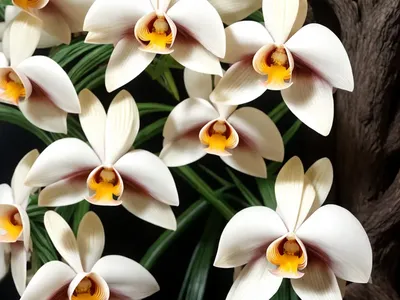
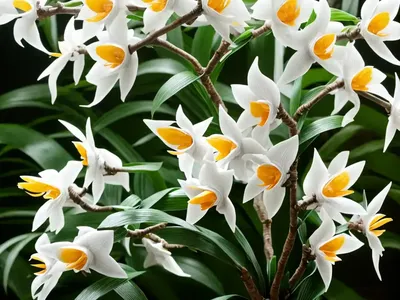
Dendrobium Lindleyi (Lindley’s Dendrobium)
Dendrobium lindleyi, commonly known as Lindley’s Dendrobium, is a species of orchid that belongs to the genus Dendrobium. This orchid species is renowned.
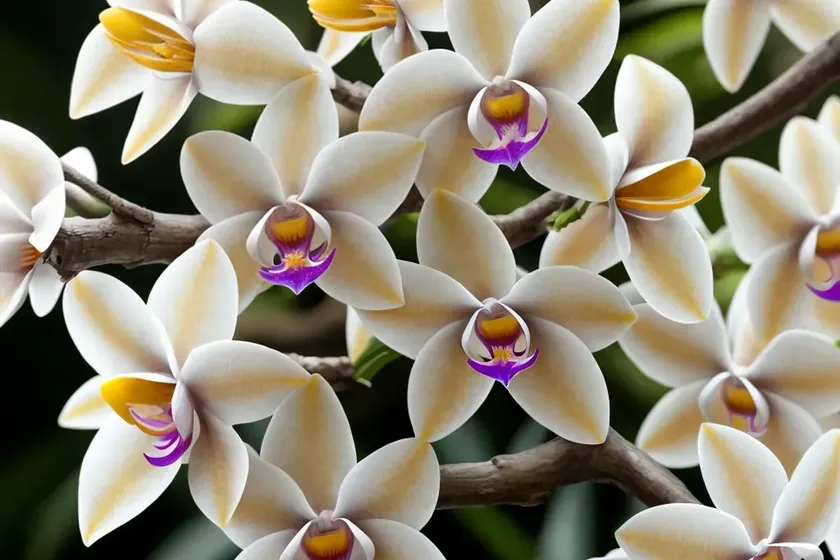
What is Dendrobium lindleyi?
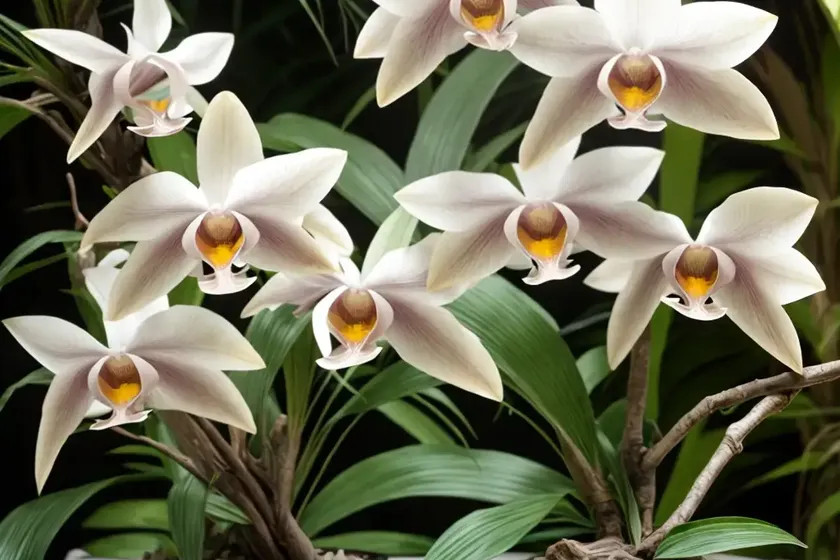
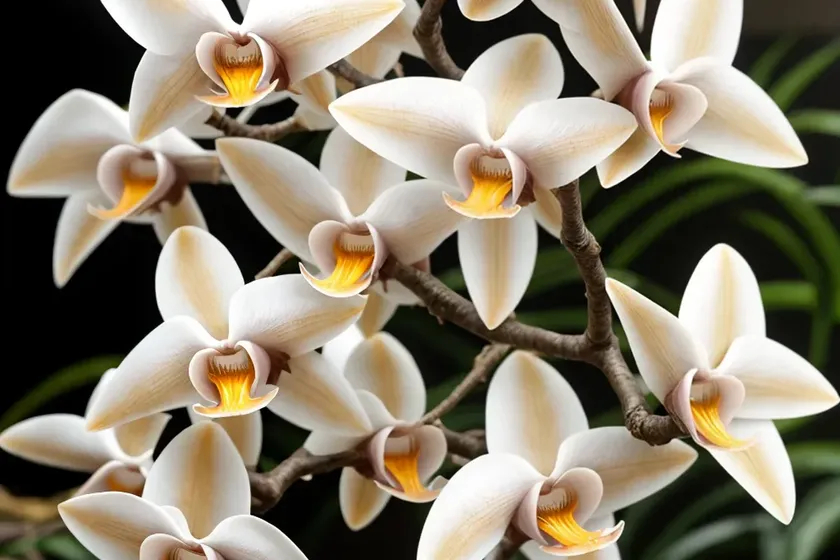
Dendrobium lindleyi, commonly known as Lindley’s Dendrobium, is a species of orchid that belongs to the genus Dendrobium. This orchid species is renowned for its elegant appearance and delicate, fragrant blooms. Native to tropical and subtropical regions of Southeast Asia, Dendrobium lindleyi is cherished not only for its ornamental value but also for its cultural and medicinal significance.
As a plant scientist and enthusiast of orchids, I am excited to delve into the intricate details of Dendrobium lindleyi, providing a comprehensive guide to its cultivation and care. In this article, we will explore various aspects of this captivating orchid, including its habitat, cultural practices, uses, and common issues encountered during its cultivation.
Key Takeaways – Dendrobium lindleyi (Lindley’s Dendrobium)
Before we delve into the specifics of caring for Dendrobium lindleyi, let’s take a moment to highlight some key takeaways about this remarkable orchid:
- Dendrobium lindleyi is a species of orchid known for its delicate, fragrant blooms and elegant appearance.
- This orchid is indigenous to tropical and subtropical regions of Southeast Asia.
- In addition to its ornamental value, Dendrobium lindleyi holds cultural and medicinal significance.
- Proper care and attention to factors such as watering, sunlight, fertilizer, and pruning are essential for cultivating thriving Dendrobium lindleyi plants.
- Like many orchids, Dendrobium lindleyi requires specialized care and attention to flourish in indoor and outdoor settings.
Now, let’s embark on a journey to understand the detailed care and cultivation practices for Dendrobium lindleyi.
Culture
Uses
Dendrobium lindleyi has been a revered plant in several cultures and traditional medicinal practices. Primarily known for its ornamental value, it is also valued for its fragrance and delicate blooms, making it a popular choice for floral arrangements and decorative purposes.
In traditional medicine, various parts of the Dendrobium species, including Dendrobium lindleyi, are used to create herbal remedies for a variety of health concerns. From promoting overall well-being to supporting respiratory health, these orchids have been utilized for generations as part of traditional healing practices.
Water
Proper watering is crucial for the health and well-being of Dendrobium lindleyi. As an epiphytic orchid, Dendrobium lindleyi is adapted to receiving moisture from the air and rainfall in its natural habitat. When cultivating these orchids, it is essential to replicate these conditions by providing consistent, yet not excessive, levels of water.
Lindley’s Dendrobium Watering Needs:
- Frequency: Water Dendrobium lindleyi when the growing medium approaches dryness. Depending on the environmental conditions, this may range from once a week to several times a week.
- Water Quality: Use tepid, rainwater, or distilled water to avoid mineral buildup and damage to the orchid’s roots.
- Drainage: Ensure that the growing medium or potting mix allows excess water to drain freely, preventing waterlogged conditions.
Sunlight
Proper exposure to light is vital for the healthy growth of Dendrobium lindleyi. In their natural habitat, these orchids are accustomed to receiving bright, filtered light. When cultivating Dendrobium lindleyi indoors, it is important to replicate these light conditions to ensure optimal growth and blooming.
Best Light Conditions for Lindley’s Dendrobium:
- Indoor Placement: Position Dendrobium lindleyi near east or west-facing windows to provide bright, indirect light. Avoid direct exposure to intense midday sunlight, as this can lead to leaf burn.
- Outdoor Cultivation: If growing Dendrobium lindleyi outdoors, provide dappled or filtered sunlight to prevent scorching of the delicate foliage.
Fertilizer
Supplemental fertilization plays a critical role in supporting the growth and blooming of Dendrobium lindleyi. However, it is important to utilize fertilizers specifically formulated for orchids to prevent damage to the sensitive root system.
Lindley’s Dendrobium Nutrients and Fertilizers:
- Frequency: During the active growing season, feed Dendrobium lindleyi with a diluted, balanced orchid fertilizer every two to four weeks.
- Mineral Content: Use a fertilizer specifically designed for orchids, as these products contain the essential nutrients necessary for healthy growth without excessive salts that can harm orchid roots.
- Avoid Overfeeding: Always dilute the fertilizer to half or a quarter of the recommended strength to prevent fertilizer burn and root damage.
Soil
Dendrobium lindleyi, like many orchids, is not cultivated in traditional soil. Instead, these orchids thrive in a specialized growing medium or potting mix that provides excellent aeration and drainage.
Lindley’s Dendrobium Potting Mix:
- Orchid Bark Mix: Utilize a well-draining, fine-grade orchid bark mix as the primary growing medium for Dendrobium lindleyi. This mix retains just enough moisture while preventing waterlogged conditions.
- Additional Components: Optionally, mix in materials such as perlite, charcoal, or sphagnum moss to enhance drainage and aeration.
- Repotting: Repot Dendrobium lindleyi when the potting mix begins to break down or compact, typically every one to three years, depending on the condition of the medium.
Pruning
Pruning is an essential aspect of caring for Dendrobium lindleyi, aiding in the maintenance of healthy growth and promoting blooming.
Lindley’s Dendrobium Pruning Techniques:
- After Blooming: Once the blooms have faded, trim the flower spike to just above a healthy, dormant bud to encourage the development of new flowering stems.
- Removing Dead or Yellowing Growth: Periodically inspect Dendrobium lindleyi for dead or yellowing foliage and trim these sections to maintain the plant’s overall health and appearance.
- Sterilization: Always utilize sterilized pruning tools to prevent the introduction of pathogens to the orchid.
Propagation
The propagation of Dendrobium lindleyi can be accomplished through several methods, offering orchid enthusiasts the opportunity to expand their collection and share these beautiful plants with others.
Propagation of Dendrobium lindleyi:
- Division: When repotting mature Dendrobium lindleyi specimens, carefully divide the plant by separating healthy pseudobulbs with attached roots to create new individual plants.
- Keiki Formation: Occasionally, Dendrobium lindleyi may produce keiki, or small plantlets, along the flower spike. These keiki can be gently removed and potted once they have developed their own root system.
- Tissue Culture: For large-scale propagation or conservation efforts, tissue culture techniques can be employed to generate numerous new plants from a small section of Dendrobium lindleyi tissue.
Container Popularity
Dendrobium lindleyi is a popular choice for cultivation in a variety of containers, ranging from traditional clay pots to more specialized orchid containers designed to promote proper aeration and drainage.
Dendrobium lindleyi Potting Containers:
- Clay Pots: Utilize unglazed clay pots to provide excellent breathability and additional moisture evaporation, suiting the preferences of Dendrobium lindleyi.
- Orchid Baskets: These specialized containers feature an open-weave design that allows for robust aeration and drainage, benefiting the overall health of Dendrobium lindleyi root systems.
- Mounting: In some cases, Dendrobium lindleyi can be cultivated by mounting the orchid onto a piece of cork, tree fern, or other suitable substrate, allowing the plant to grow in a more natural, epiphytic manner.
Common Diseases
Like all cultivated plants, Dendrobium lindleyi is susceptible to certain diseases and disorders. Understanding these common issues is essential for maintaining the health and vitality of these orchids.
Disease Diagnosis:
- Root Rot: Overly moist or waterlogged conditions can lead to root rot in Dendrobium lindleyi. Symptoms include mushy, discolored roots and a decline in overall plant health.
- Fungal Infections: Various fungal pathogens can affect Dendrobium lindleyi, leading to issues such as leaf spots, stem rots, or overall decline.
- Viral Diseases: Viruses can cause a range of symptoms in Dendrobium lindleyi, including mottling, streaking, and distortion of leaves and flowers.
Common Pests
In addition to diseases, Dendrobium lindleyi can also fall victim to various pests that can compromise the health and appearance of these orchids.
Common Pests Affecting Dendrobium lindleyi:
- Aphids: These small, sap-sucking insects can infest the tender new growth of Dendrobium lindleyi, potentially leading to distorted growth and the transmission of viral diseases.
- Scale Insects: Scale insects may attach themselves to the foliage and pseudobulbs of Dendrobium lindleyi, where they feed on plant sap and produce honeydew, leading to the development of sooty mold.
- Spider Mites: These tiny arachnids can cause stippling and webbing on the leaves of Dendrobium lindleyi, leading to a decline in overall plant health if left unchecked.
Botanist’s Tips
Cultivating Dendrobium lindleyi can be a rewarding experience, but it requires attention to detail and an understanding of the unique requirements of these orchids. Here are some valuable tips to help you succeed in growing and caring for Dendrobium lindleyi:
- Observe Watering Needs: Pay close attention to the watering requirements of Dendrobium lindleyi, adjusting your watering schedule based on environmental conditions and the moisture level of the growing medium.
- Provide Optimal Light: Ensure that Dendrobium lindleyi receives the right balance of light, avoiding excessive direct sunlight while providing sufficient brightness for healthy growth and blooming.
- Utilize Suitable Containers: Choose containers or potting methods that promote excellent drainage and breathability, creating a suitable environment for the delicate root systems of Dendrobium lindleyi.
- Monitor for Pests and Diseases: Regularly inspect Dendrobium lindleyi for signs of pests or diseases, taking prompt action to address any issues that may arise.
- Maintain Optimal Humidity: If cultivating Dendrobium lindleyi indoors, consider supplemental measures such as humidifiers or humidity trays to provide the ideal moisture levels for these orchids.
Fun Facts
In addition to their captivating beauty and cultural significance, Dendrobium lindleyi possesses several intriguing attributes that make them stand out among other orchid species:
- Fragrance: The blooms of Dendrobium lindleyi exude a delightful, sweet fragrance, making them a popular choice for floral arrangements and adding a pleasant scent to indoor environments.
- Epiphytic Adaptation: As an epiphytic orchid, Dendrobium lindleyi has adapted to absorb moisture and nutrients from the air and rainwater, allowing it to thrive in unique habitats such as tree branches and rocky crevices.
- Cultural Significance: In some cultures, Dendrobium lindleyi holds symbolic value, often being associated with expressions of love, beauty, and elegance in various traditions.
Links to External Resources
For further exploration of Dendrobium lindleyi and its cultivation, care, and cultural significance, consider accessing the resources provided below:
- The American Orchid Society
- Royal Horticultural Society – Dendrobium Care
- University of Florida IFAS Extension – Orchid Care for Beginners
- Orchid Board – Online Forum for Orchid Enthusiasts
Conclusion
In conclusion, Dendrobium lindleyi, also known as Lindley’s Dendrobium, is a mesmerizing orchid species that captivates orchid enthusiasts with its delicate blooms, sweet fragrance, and cultural significance. By understanding and implementing the essential care practices outlined in this comprehensive guide, you can cultivate thriving Dendrobium lindleyi plants, bringing the grace and beauty of these orchids into your indoor or outdoor spaces. Whether you are a seasoned orchid enthusiast or a beginner venturing into the world of orchid cultivation, the allure of Dendrobium lindleyi is sure to inspire and reward your efforts as you embark on this botanical journey.
Remember, successful cultivation of Dendrobium lindleyi requires patience, attention to detail, and a deep appreciation for the unique attributes of these exceptional orchids. By embracing the art and science of caring for Dendrobium lindleyi, you can experience the joy of witnessing these exquisite orchids thrive and bloom, enriching your life with their beauty and elegance.
Thank you for joining me on this exploration of Dendrobium lindleyi, and may your journey with these remarkable orchids be filled with growth, blooms, and a deep sense of connection to the captivating world of botanical wonders.