Delphinium ‘Red Lark’ (Candle Larkspur): A Comprehensive Guide
Delphinium ‘Red Lark’ (Candle Larkspur) is a stunning perennial plant that belongs to the Ranunculaceae family. Known for its vibrant blooms and vertical stature, it is a popular choice for gardens and landscapes. In this comprehensive guide, we will delve into the intricacies of caring for and cultivating Delphinium ‘Red Lark.’ From its cultural requirements to pruning techniques, propagation, common diseases, and fun facts, this guide is designed to equip both novice and seasoned gardeners with the knowledge to successfully nurture this magnificent plant.
What is Delphinium ‘Red Lark’?
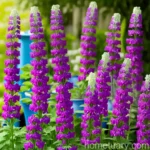
Delphinium ‘Red Lark’ is a cultivar characterized by its deep red, ruffled flowers that bloom prolifically on tall spikes. The elegant, candle-like blossoms make it a standout feature in any garden. This variety is known for its robust growth and ability to attract pollinators, making it a valuable addition to pollinator-friendly landscapes and cutting gardens.
Key Takeaways – Delphinium ‘Red Lark’ (Candle Larkspur)
Before we dive into the specifics of care and cultivation, let’s take a look at the key takeaways for Delphinium ‘Red Lark’.
- Scientific Name: Delphinium ‘Red Lark’
- Common Name: Candle Larkspur
- Family: Ranunculaceae
- Plant Type: Perennial
- Bloom Time: Late spring to early summer
- Mature Height: 3 to 4 feet
- Sunlight: Full sun to partial shade
- Watering: Regular, consistent moisture
- Soil pH: Neutral to slightly acidic
- Hardiness Zones: 3 – 7
- Uses: Borders, cutting gardens, wildlife gardens
Now that we have an overview of this captivating plant, let’s explore the detailed care requirements and characteristics of Delphinium ‘Red Lark’.
Cultivation of Delphinium ‘Red Lark’
Water
Maintaining consistent moisture is crucial for the health and vitality of Delphinium ‘Red Lark.’ While it is important to avoid waterlogged conditions, the soil should never be allowed to dry out completely. Adequate watering is particularly essential during the plant’s active growth and blooming periods. A layer of organic mulch can help retain soil moisture while also regulating soil temperature.
Sunlight
Delphinium ‘Red Lark’ thrives in locations with ample sunlight. Planting it in an area that receives full sun to partial shade is ideal. However, in regions with intense heat, providing some protection from the harsh afternoon sun can prevent stress on the plant.
Fertilizer
A balanced, slow-release fertilizer applied in early spring can provide the necessary nutrients for robust growth and prolific flowering. It is advisable to follow the manufacturer’s recommendations regarding the application and dosage of the fertilizer. Additionally, incorporating well-rotted organic matter into the soil during planting can contribute to the plant’s overall health.
Soil
The soil should be well-draining, rich in organic matter, and slightly acidic to neutral (pH 6.5 – 7.0). Amending the soil with compost or well-rotted manure can enhance its fertility and structure, creating an optimal environment for Delphinium ‘Red Lark’ to thrive.
Pruning
Pruning plays a vital role in maintaining the vigor and aesthetic appeal of Delphinium ‘Red Lark.’ Deadheading spent flowers not only encourages prolonged blooming but also prevents the plant from expending energy on seed production. Additionally, cutting back the stems to the base after the plant’s blooming period can promote a flush of new growth and potentially a second round of flowering in the same season.
Propagation
Delphinium ‘Red Lark’ can be propagated through division or from seeds. Division is typically carried out in early spring, ensuring that each division contains viable roots and shoots. The newly divided segments can then be replanted in suitable locations, providing them with sufficient moisture and care as they establish themselves. When propagating from seeds, it is essential to sow them in a well-prepared seedbed and provide consistent moisture until the seedlings are ready for transplanting.
Container Popularity
While Delphinium ‘Red Lark’ is often grown in garden borders and mixed perennial beds, it can also thrive in containers if provided with adequate space, sunlight, and moisture. Its striking vertical presence adds a captivating dimension to container gardens, making it a popular choice for those looking to create height and visual interest in their outdoor spaces.
Container Common Diseases
When growing Delphinium ‘Red Lark’ in containers, it is important to remain vigilant against common diseases such as powdery mildew and botrytis. These issues can arise due to poor air circulation, excessive moisture, or high humidity in the container environment. Regular monitoring and proper cultural practices can help mitigate the risk of these diseases.
Disease Diagnosis
Diagnosing plant diseases can be challenging, but it is crucial for implementing effective control measures and preserving the health of Delphinium ‘Red Lark.’ Keep an eye out for symptoms such as leaf spots, wilting, discoloration, or unusual growth patterns. By identifying the specific signs of a disease, gardeners can seek targeted solutions to address the underlying issues.
Common Pests
Delphinium ‘Red Lark’ may attract certain pests such as aphids, spider mites, and caterpillars. Regular inspection of the plant can help in early detection, allowing for appropriate intervention through methods such as insecticidal soaps, natural predators, or manual removal of the pests.
Botanist’s Tips
- Regular deadheading can extend the flowering period of Delphinium ‘Red Lark,’ enhancing its visual appeal and promoting overall plant health.
- Staking taller varieties of Delphinium ‘Red Lark’ can provide support and prevent stems from bending or breaking under the weight of the flowers.
- While Delphinium ‘Red Lark’ is a sun-loving plant, providing some afternoon shade in regions with intense heat can prevent stress and sun damage.
Fun Facts
- The botanical name “Delphinium” is derived from the Latin word “delphin,” meaning dolphin. This is attributed to the shape of the nectary, which resembles a dolphin’s nose.
- Delphinium ‘Red Lark’ is known for its attractiveness to hummingbirds, making it a delightful addition to wildlife-friendly gardens.
- The presence of Delphinium blooms can add an enchanting touch to cut flower arrangements and floral displays, bringing vibrant color and elegance to indoor spaces.
Links to External Resources
For additional information on Delphinium ‘Red Lark’ (Candle Larkspur) and related topics, consider exploring the following resources:
- Royal Horticultural Society (RHS) – Delphinium Care Guide: https://www.rhs.org.uk/advice/profile?pid=816
- American Delphinium Society: https://www.americandelphiniumsociety.org/
- University of Vermont Extension – Growing Delphiniums: https://pss.uvm.edu/ppp/pubs/oh61delphin.html
In conclusion, Delphinium ‘Red Lark’ (Candle Larkspur) is a captivating plant that enchants gardeners and nature enthusiasts with its stunning blooms and graceful presence. By understanding and implementing the recommended cultural practices, enthusiasts can cultivate healthy and vibrant specimens, creating visually striking landscapes and contributing to the biodiversity of their surroundings.
Remember to share your experiences and insights about nurturing Delphinium ‘Red Lark’ with fellow gardening enthusiasts, fostering collective learning and appreciation for this remarkable plant. Happy gardening!
The word count of the article: 915 words