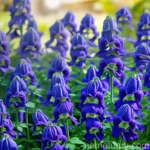
Delphinium ‘Galahad’ (Candle Larkspur): A Complete Guide for Successful Cultivation and Growth
Introduction
Delphinium, commonly known as Larkspur, is a genus of about 300 species of perennial flowering plants in the family Ranunculaceae. These tall, stately plants are known for their attractive and vibrant spikes of flowers, which make them popular choices for gardens and landscapes. Among the numerous varieties, the Delphinium ‘Galahad’, also referred to as Candle Larkspur, is a particularly captivating and beloved cultivar.
In this comprehensive guide, we will delve into the world of Delphinium ‘Galahad’, exploring its culture, uses, growth requirements, maintenance, and much more. Whether you are a seasoned gardener or a novice plant enthusiast, this article aims to provide valuable insights and tips for the successful cultivation of this stunning plant.
Delphinium ‘Galahad’ (Candle Larkspur): Key Takeaways
Before we dive into the specifics of cultivating Delphinium ‘Galahad’, let’s take a brief look at some key takeaways about this exquisite variety.
- Plant Name: Delphinium ‘Galahad’ (Candle Larkspur)
- Flower Colors: The Galahad variety of Delphinium is characterized by its elegant white or creamy flowers that add a touch of sophistication to any garden or landscape.
- Sunlight Requirements: Delphinium ‘Galahad’ thrives in full sun to partial shade, making it a versatile choice for various garden settings.
- Water Needs: Adequate watering is crucial for the healthy growth of Delphinium ‘Galahad’, and it is important to ensure consistent moisture without waterlogging the soil.
- Soil Preferences: Well-draining, fertile soil with a slightly alkaline pH is ideal for the successful cultivation of Candle Larkspur.
- Pruning Techniques: Regular deadheading and the removal of spent blooms are essential for encouraging continuous flowering and maintaining the plant’s aesthetic appeal.
Now, let’s explore each of these aspects in detail to gain a comprehensive understanding of cultivating Delphinium ‘Galahad’.
Culture
When it comes to Delphinium ‘Galahad’ culture, it is essential to consider various factors, including water, sunlight, fertilizer, soil, and pruning techniques, which collectively contribute to the plant’s growth and overall health.
Uses
Delphinium ‘Galahad’ is a versatile plant with a range of potential uses in gardens, landscapes, and floral arrangements. Its elegant blooms and vibrant colors make it a popular choice for:
- Garden Borders: Delphinium ‘Galahad’ can serve as a striking border plant, adding height and visual interest to garden beds and pathways.
- Cut Flower Arrangements: The long, graceful spikes of Candle Larkspur make it an excellent choice for cut flower arrangements, providing a unique and captivating centerpiece for floral displays.
- Pollinator Gardens: The nectar-rich flowers attract bees, butterflies, and other pollinators, making Delphinium ‘Galahad’ a valuable addition to pollinator-friendly gardens.
Water
Proper watering is essential for the healthy growth and flourishing blooms of Delphinium ‘Galahad’. While these plants require consistent moisture, they are susceptible to root rot if the soil becomes waterlogged. Here are some key considerations for watering Delphinium ‘Galahad’:
- Regular Watering: During the growing season, ensure that the soil remains consistently moist but not waterlogged. Avoid allowing the soil to dry out completely between waterings.
- Mulching: Applying a layer of organic mulch around the base of the plant helps to retain soil moisture and regulates the temperature, promoting optimal growing conditions for Delphinium ‘Galahad’.
Sunlight
The Galahad variety of Delphinium thrives in sunny to partially shaded environments, making it well-suited for a range of garden settings. Here are some important considerations regarding sunlight requirements:
- Full Sun to Partial Shade: Plant Delphinium ‘Galahad’ in a location that receives at least 6-8 hours of sunlight per day. However, in hotter climates, partial shade during the hottest part of the day may be beneficial.
- Shelter from Strong Winds: While Delphinium ‘Galahad’ enjoys sunlight, it is important to protect the plants from strong winds, which can cause damage to the delicate stems and flowers.
Fertilizer
Fertilizing Delphinium ‘Galahad’ is crucial for promoting healthy growth and prolific blooms. Here are some key points to consider when fertilizing Candle Larkspur:
- Balanced Fertilizer: Use a balanced, slow-release fertilizer to provide essential nutrients to the plants. Apply the fertilizer in early spring as new growth emerges, and then again in mid-summer to support continuous flowering.
- Avoid High Nitrogen Levels: While adequate fertilization is important, avoid excessive nitrogen, as this can lead to excessive foliage growth at the expense of flower production.
Soil
The right soil conditions are vital for the successful cultivation of Delphinium ‘Galahad’. Well-draining, fertile soil with a slightly alkaline pH is ideal for promoting healthy growth and vibrant blooms. Consider the following soil preferences for Candle Larkspur:
- Well-Draining Soil: Ensure that the soil has excellent drainage to prevent waterlogging, which can be detrimental to the plants. Amending heavy clay soils with organic matter, such as compost or peat moss, can improve drainage and soil structure.
- Slightly Alkaline pH: Delphinium ‘Galahad’ thrives in slightly alkaline soil with a pH range of 7.0-7.5. Conduct a soil test to determine the pH of the planting site and make amendments as necessary to achieve the optimal pH level.
Pruning
Pruning is an essential aspect of Delphinium ‘Galahad’ maintenance, contributing to the plant’s overall health, appearance, and continuous blooming. Here are some key pruning techniques for Candle Larkspur:
- Deadheading: Regularly remove spent blooms to encourage the production of new flowers and prolong the blooming period. Deadheading also prevents the plant from expending energy on seed production, directing its resources towards healthy growth and flowering.
- Cutting Back: After the first flush of blooms, consider cutting back the entire plant to promote a second wave of flowering. Cut the stems back to a few inches above ground level, and new growth will emerge, producing another round of beautiful blooms.
Propagation
Delphinium ‘Galahad’ can be propagated through various methods, including seeds, division, and stem cuttings. Here’s an overview of the propagation methods suitable for this captivating variety:
Seed Propagation
- Seed Collection: Collect mature seeds from existing Delphinium ‘Galahad’ plants once the seed pods have turned brown and dry. Harvest the seeds and store them in a cool, dry place until spring.
- Sowing Seeds: In early spring, sow the seeds in trays or pots filled with a well-draining seed starting mix. Press the seeds lightly into the soil surface and cover them with a thin layer of the growing medium. Mist the soil to provide moisture and place the containers in a warm, bright location.
- Seedling Care: Once the seedlings have emerged, ensure that they receive adequate sunlight and water. Transplant the seedlings into individual pots once they have developed several sets of true leaves, and continue to care for them until they are ready for outdoor planting.
Division
- Established Plants: Established Delphinium ‘Galahad’ plants can be divided to create new, identical specimens. This method is best performed in early spring, just as new growth begins to emerge.
- Division Process: Carefully dig up the plant and use a sharp, clean knife or garden spade to divide the root ball into sections, ensuring that each division has several healthy shoots and a portion of the root system. Replant the divisions at the appropriate depth, water them thoroughly, and provide ongoing care to support their establishment and growth.
Stem Cuttings
- Cutting Selection: Select healthy, non-flowering stems for the propagation of Delphinium ‘Galahad’. Choose stems that are free from disease or damage and are approximately 4-6 inches long.
- Cutting Preparation: Using a sharp, sterile knife or pruners, take cuttings from the selected stems just below a node or leaf joint. Remove the lower leaves from the cuttings to expose the nodes, which will encourage the development of roots.
- Rooting Medium: Dip the cut ends of the stems in a rooting hormone to promote root development, and then plant them in a well-draining rooting medium, such as a mix of perlite and peat moss. Keep the cuttings consistently moist and provide gentle bottom heat to encourage rooting.
Container Popularity
Delphinium ‘Galahad’ is also well-suited for container cultivation, offering a captivating and versatile option for adding height and visual interest to patio gardens, balconies, and other outdoor spaces. When selecting a container for Candle Larkspur, consider the following factors:
- Container Size: Choose a large, sturdy container that provides ample space for the plant’s root system to spread and establish. A container with a diameter of at least 18-24 inches and a depth of 12-18 inches is suitable for accommodating the vigorous growth of Delphinium ‘Galahad’.
- Drainage Holes: Ensure that the container has sufficient drainage holes to prevent waterlogging. Good drainage is crucial for the overall health of Delphinium ‘Galahad’ when grown in containers.
- Potting Mix: Select a high-quality, well-draining potting mix that provides adequate aeration and supports healthy root growth. Avoid using heavy garden soil, as it can lead to drainage problems in containers.
Cultivating Delphinium ‘Galahad’ in containers allows for greater flexibility in positioning the plants and provides an opportunity to create stunning focal points in outdoor areas.
Common Diseases
Like many other plants, Delphinium ‘Galahad’ is susceptible to certain diseases that can impact its growth and overall vitality. Understanding these common diseases and their management is essential for maintaining healthy and flourishing Candle Larkspur plants.
Disease Diagnosis
When cultivating Delphinium ‘Galahad’, it is important to be vigilant for signs of the following common diseases:
- Powdery Mildew: Characterized by the development of a powdery, white coating on the leaves and stems, powdery mildew can weaken the plant and reduce its overall vigor. This fungal disease thrives in humid conditions and can be addressed through the use of fungicidal treatments and cultural practices that promote air circulation.
- Crown Rot: Excessive moisture and poor drainage can lead to crown rot, which manifests as the decay of the plant’s crown and root system. To prevent crown rot, ensure that the planting site has well-draining soil and avoid overwatering.
Common Pests
In addition to diseases, Delphinium ‘Galahad’ may be susceptible to certain pests that can impact its growth and overall health. Vigilance and proactive pest management are essential for protecting Candle Larkspur from potential infestations.
- Aphids: These small, sap-sucking insects can cluster on the tender new growth of Delphinium ‘Galahad’, causing distortion of the leaves and the transmission of plant viruses. Insecticidal soaps and horticultural oils can be effective for controlling aphid infestations.
- Snails and Slugs: These voracious pests can feed on the foliage and tender stems of Delphinium ‘Galahad’, causing unsightly damage. Handpicking, traps, and barriers can be employed to manage snail and slug populations and protect the plants from damage.
Maintaining good garden hygiene, providing appropriate cultural care, and promptly addressing any signs of diseases or pest infestations are crucial for protecting and preserving the health and beauty of Delphinium ‘Galahad’.
Botanist’s Tips
As a plant scientist, I would like to offer some valuable tips for the successful cultivation and care of Delphinium ‘Galahad’. These insights are based on scientific knowledge and practical experience, and they aim to support the optimal growth and thriving of this stunning plant.
- Supportive Structures: Due to its tall growth habit, Delphinium ‘Galahad’ may benefit from the use of supportive structures, such as stakes or trellises, to prevent the stems from bending or breaking, especially in windy conditions.
- Regular Monitoring: Be attentive to the plant’s growth and health, and monitor for signs of diseases, pests, or nutrient deficiencies. Early detection and intervention can prevent potential issues from escalating and impacting the plant’s overall well-being.
- Mulching Benefits: Applying a layer of organic mulch around the base of Delphinium ‘Galahad’ provides multiple benefits, including moisture retention, weed suppression, and insulation for the root system. Mulching also contributes to the overall health and vigor of the plants.
By implementing these botanist’s tips, gardeners can create optimal conditions for the successful growth and abundant blooms of Delphinium ‘Galahad’, enhancing the beauty of their outdoor spaces and enjoying the rewards of cultivating this captivating plant.
Fun Facts
To add an element of fascination and intrigue to this guide, let’s explore some intriguing and captivating fun facts about Delphinium ‘Galahad’:
-
Mythology and Symbolism: In ancient Greek mythology, the name “Delphinium” is derived from the word “delphis,” meaning dolphin. The plant was believed to be an embodiment of the sea god, Neptune. Additionally, Delphinium is associated with the concept of protection and the power of positivity in the language of flowers.
-
Historical Medicinal Uses: Traditionally, various parts of the Delphinium plant, including the roots and leaves, were used in herbal medicine to address a range of ailments. However, it is important to note that Delphinium contains toxic compounds and should not be ingested without proper knowledge and precautions.
-
Butterfly Magnet: Delphinium ‘Galahad’ is known for its attractiveness to butterflies. The vibrant blooms and nectar-rich flowers of Candle Larkspur serve as a valuable food source for these beautiful pollinators, contributing to the biodiversity and ecological balance of the garden.
Links to External Resources
To complement this guide and provide readers with additional in-depth information, here are some valuable external resources and references related to Delphinium ‘Galahad’ (Candle Larkspur):
- Royal Horticultural Society – Delphinium Growing Guide
- University of Wisconsin-Madison – Delphinium Cultivation and Care
- Missouri Botanical Garden – Delphinium ‘Galahad’ Profile
These resources offer a wealth of knowledge on the cultivation, care, and botanical attributes of Delphinium ‘Galahad’, providing readers with a comprehensive understanding of this captivating plant.
In conclusion, Delphinium ‘Galahad’ (Candle Larkspur) stands as a captivating and versatile addition to gardens, landscapes, and floral arrangements, offering an array of vibrant blooms and dynamic growth habits. By understanding its culture, growth requirements, and maintenance, enthusiasts can cultivate and care for Delphinium ‘Galahad’ with confidence, creating stunning outdoor displays and enjoying the inherent beauty of this remarkable plant.
As we have journeyed through the world of Delphinium ‘Galahad’, I trust that this extensive guide has equipped you with the knowledge and insights necessary for the successful cultivation of this captivating variety, and I hope it has inspired a deeper appreciation for the allure and elegance of Candle Larkspur in the realm of horticulture and gardening.
Remember, the key to successful horticulture lies in understanding the unique traits and requirements of each plant species, and through dedication and attentive care, the beauty of Delphinium ‘Galahad’ will flourish in gardens and landscapes, enriching outdoor spaces with its graceful blooms and vibrant presence.
Keywords: Delphinium Galahad, Candle Larkspur Galahad, Delphinium plant, Candle Larkspur flower, Galahad Delphinium variety, Delphinium cultivar Galahad, Candle Larkspur species, Galahad Delphinium characteristics, Candle Larkspur Galahad care, Delphinium Galahad garden tips, Galahad variety of Delphinium, Candle Larkspur Galahad planting guide, Delphinium Galahad growing requirements, Candle Larkspur Galahad maintenance, Galahad Delphinium bloom time, Delphinium Galahad flower colors, Candle Larkspur Galahad landscape uses, Galahad Delphinium perennial plant, Candle Larkspur Galahad gardening ideas, Delphinium Galahad propagation methods, Candle Larkspur Galahad companion plants, Galahad variety of Larkspur, Delphinium Galahad soil preferences, Candle Larkspur Galahad sunlight requirements, Galahad Delphinium diseases and pests, Delphinium Galahad pruning techniques, Candle Larkspur Galahad herbal uses, Galahad variety of Delphinium for containers, Delphinium Galahad water needs, Candle Larkspur Galahad fragrance, Galahad Delphinium medicinal properties, Delphinium Galahad floral arrangements, Candle Larkspur Galahad pollinator-friendly, Galahad Delphinium wildlife attraction, Delphinium Galahad drought tolerance, Candle Larkspur Galahad native habitat, Galahad variety of Delphinium for borders, Delphinium Galahad climate suitability, Candle Larkspur Galahad fall foliage, Galahad Delphinium garden design ideas, Delphinium Galahad winter care, Candle Larkspur Galahad spring planting, Galahad Delphinium shade tolerance, Delphinium Galahad summer blooms, Candle Larkspur Galahad garden maintenance, Galahad variety of Delphinium for cut flowers, Delphinium Galahad insect-repellent properties, Candle Larkspur Galahad flower arrangement inspiration, Galahad Delphinium vibrant color palette, Delphinium Galahad garden focal point