Delosperma ‘Wheels of Wonder’ Fire Wonder (Ice Plant)
Introduction
Plants are an essential part of our environment and are critical for maintaining the ecological balance of the planet. The Delosperma ‘Wheels of Wonder’ Fire Wonder, commonly known as the Ice Plant, is a fascinating specimen that has garnered attention for its unique characteristics and vibrant appearance. As a plant scientist, it is my pleasure to delve deep into the intricacies of this captivating plant, providing a comprehensive guide to its care, maintenance, and various uses.
What is Delosperma ‘Wheels of Wonder’ Fire Wonder (Ice Plant)?
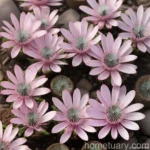
Delosperma ‘Wheels of Wonder’ Fire Wonder is a low-growing succulent perennial that belongs to the Aizoaceae family. This plant is native to South Africa, where it thrives in rocky, well-drained soils. The Ice Plant gets its common name from the sparkling, ice-like appearance of its glistening, daisy-like flowers. These blooms come in a stunning array of colors, with Fire Wonder displaying striking shades of red, pink, and orange.
This plant has gained immense popularity in gardens and landscaping projects due to its adaptability and resilience. Its ability to withstand harsh conditions, such as drought and poor soil quality, makes it a valuable asset for both beginner and experienced gardeners. Delosperma ‘Wheels of Wonder’ Fire Wonder is also an excellent ground cover, adding vibrant splashes of color to any landscape.
Key Takeaways – Delosperma ‘Wheels of Wonder’ Fire Wonder (Ice Plant)
Here are the key takeaways that we will be covering in this comprehensive guide to Delosperma ‘Wheels of Wonder’ Fire Wonder (Ice Plant):
- Culture
- Uses
- Water
- Sunlight
- Fertilizer
- Soil
- Pruning
- Propagation
- Container Popularity
- Container Common Diseases
- Disease diagnosis
- Common pests
- Botanist’s tips
- Fun facts
- Links to External Resources
Now, let’s move on to explore each of these aspects in detail.
Culture
Understanding the cultural requirements of Delosperma ‘Wheels of Wonder’ Fire Wonder is essential for its successful growth and development. From its preferred climate to its unique adaptations, the cultural aspects of this plant shed light on its remarkable characteristics.
Climate
The Ice Plant is well-suited to regions with a Mediterranean climate, characterized by hot, dry summers and mild, wet winters. It thrives in full sunlight and high temperatures, making it an ideal choice for gardeners in warm climates. However, with appropriate care, it can also be cultivated in more temperate regions.
Hardiness
Delosperma ‘Wheels of Wonder’ Fire Wonder is generally hardy to USDA Hardiness Zones 6-10. It is known for its excellent tolerance to heat and drought but may need protection from excessive moisture during the winter months, especially in colder climates.
Drought Tolerance
One of the most remarkable features of the Ice Plant is its exceptional drought tolerance. Its succulent leaves and stems are designed to store water, allowing the plant to survive extended periods of drought without compromising its health and appearance.
Uses
The Ice Plant offers a wide range of uses, making it a versatile addition to any garden or landscape. Here are some common uses of Delosperma ‘Wheels of Wonder’ Fire Wonder:
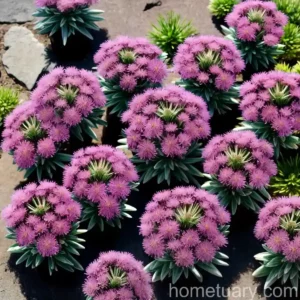
- Ground Cover: Its low-growing, spreading habit makes the Ice Plant an excellent ground cover, forming a colorful carpet of flowers and foliage.
- Rock Gardens: Due to its natural habitat in rocky terrain, the Ice Plant is well-suited for rock gardens and dry, sandy soils.
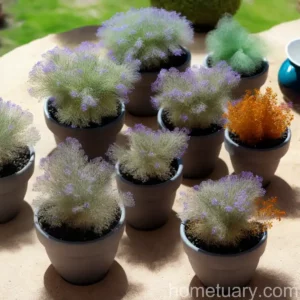
- Containers: Its compact growth habit and drought tolerance make it an attractive option for container gardening, adding a bright burst of color to patios and balconies.
- Erosion Control: The dense mat of foliage and roots can help prevent soil erosion on slopes and embankments.
- Attracting Pollinators: The vibrant flowers of the Ice Plant attract bees, butterflies, and other pollinators, making it a valuable addition to pollinator gardens.
The versatility of Delosperma ‘Wheels of Wonder’ Fire Wonder allows it to be integrated into various landscaping designs, providing both ornamental value and practical benefits.
Water
Proper watering is crucial for the health and vitality of Delosperma ‘Wheels of Wonder’ Fire Wonder. While it is known for its drought tolerance, it still requires periodic watering, especially during the growing season. Here are some guidelines for watering the Ice Plant:
- Established Plants: Once established, the Ice Plant is relatively low-maintenance and can survive with minimal irrigation. Water deeply but infrequently to encourage deep root growth and drought resistance.
- Newly Planted Specimens: Newly planted Ice Plants may require more frequent watering to help them establish healthy root systems. Monitor the soil moisture and water when the top inch of the soil feels dry to the touch.
Overwatering can be detrimental to the Ice Plant, as it is susceptible to root rot in soggy, waterlogged soil. Therefore, it is essential to strike a balance and avoid both underwatering and overwatering.
Sunlight
Ample sunlight is essential for the proper growth and blooming of Delosperma ‘Wheels of Wonder’ Fire Wonder. This plant thrives in full sun to partial shade, with a preference for at least 6-8 hours of direct sunlight per day. Here’s how sunlight requirements can affect the performance of the Ice Plant:
- Increased Flowering: Adequate sunlight promotes abundant flowering, leading to a spectacular display of colorful blooms.
- Compact Growth: Inadequate sunlight may cause leggy, weak growth, reducing the overall visual appeal of the plant.
- Heat Tolerance: The Ice Plant excels in high-temperature environments, making it an excellent choice for sunny, arid landscapes.
To ensure optimal growth and flowering, it is crucial to position Delosperma ‘Wheels of Wonder’ Fire Wonder in a location that receives sufficient sunlight throughout the day.
Fertilizer
When it comes to fertilizing the Ice Plant, a balanced approach is key. While it is not a heavy feeder, providing some nutrients can enhance its overall vigor and blooming potential. Here are some guidelines for fertilizing Delosperma ‘Wheels of Wonder’ Fire Wonder:
- Early Spring: Apply a slow-release, balanced fertilizer in early spring to provide the plant with the nutrients it needs for the upcoming growing season.
- Light Feeding: Avoid excessive fertilization, as this can lead to overly lush growth at the expense of flowering. A light application of a general-purpose fertilizer should be sufficient.
- Organic Options: Consider using organic or low-dose fertilizers to avoid the risk of nutrient buildup in the soil.
It is important to monitor the plant’s response to fertilization and adjust the feeding regimen accordingly. A healthy, well-fed Ice Plant will produce an abundance of brilliant flowers throughout the blooming season.
Soil
The soil requirements of Delosperma ‘Wheels of Wonder’ Fire Wonder are closely tied to its native habitat and natural adaptations. This plant thrives in well-draining, slightly acidic to neutral soils, and can tolerate a wide range of soil types, including sandy, gravelly, and loamy soils.
Soil Preparation
When planting or transplanting the Ice Plant, it is crucial to prepare the soil to create an ideal growing environment. Here are some steps to consider for soil preparation:
- Drainage: Ensure that the planting area has good drainage to prevent waterlogging, which can be detrimental to the Ice Plant.
- Amendments: Incorporate organic matter such as compost or leaf mold to improve soil structure and fertility. This can be especially beneficial for heavy clay soils.
By preparing the soil to meet the specific needs of Delosperma ‘Wheels of Wonder’ Fire Wonder, gardeners can lay the groundwork for healthy, robust growth and prolific flowering.
Pruning
Pruning plays a vital role in the maintenance and rejuvenation of Delosperma ‘Wheels of Wonder’ Fire Wonder. Proper pruning can help enhance the plant’s appearance, promote flowering, and manage its growth. Here are some key aspects to consider when pruning the Ice Plant:
Deadheading
- Promoting Blooming: Regular deadheading of spent flowers can encourage the production of new blooms, extending the flowering period and overall visual appeal of the plant.
- Aesthetic Maintenance: Removing faded flowers helps maintain a neat, tidy appearance, preventing the plant from looking unkempt or leggy.
Renovation Pruning
- Overgrown Specimens: If the Ice Plant becomes overgrown or untidy, renovation pruning can help rejuvenate the plant. This involves cutting back the entire plant to promote fresh, new growth.
Timing
- Post-Blooming Period: Prune the Ice Plant after the blooming period to remove spent flowers and shape the plant as needed. Avoid heavy pruning during the hot summer months.
By incorporating regular pruning into the care routine, gardeners can ensure that Delosperma ‘Wheels of Wonder’ Fire Wonder maintains its compact, vibrant growth habit while producing an abundance of colorful blooms.
Propagation
Propagation is a rewarding way to multiply Delosperma ‘Wheels of Wonder’ Fire Wonder, whether for personal enjoyment or for sharing the plant with others. There are several methods of propagation that can be successful with the Ice Plant:
Division
- Spring Propagation: Divide mature Ice Plants in early spring to create new plants. Gently tease apart the root clumps and replant the divisions in suitable locations.
- Faster Establishment: Division can help the newly propagated plants establish themselves more quickly in the garden or landscape.
Stem Cuttings
- Seasonal Cuttings: Take stem cuttings in late spring or early summer, when the plant is actively growing. Choose healthy, non-flowering shoots for the best results.
- Rooting Medium: Place the cuttings in a well-draining rooting medium and provide the appropriate warmth and humidity for successful rooting.
Seed Propagation
- Seed Collection: Gather seeds from mature Ice Plants and sow them in a suitable seed-starting mix. Provide the right conditions for germination, including warmth and consistent moisture.
By exploring different propagation methods, gardeners can expand their collection of Delosperma ‘Wheels of Wonder’ Fire Wonder and share its beauty with others.
Container Popularity
The Ice Plant is a popular choice for container gardening, thanks to its compact growth habit, vibrant blooms, and drought tolerance. When grown in containers, Delosperma ‘Wheels of Wonder’ Fire Wonder can add a beautiful touch to patios, balconies, and other outdoor spaces. Here are some key points to consider when growing this plant in containers:
- Well-Draining Soil: Use a well-draining potting mix with added perlite or coarse sand to mimic the natural soil conditions preferred by the Ice Plant.
- Container Size: Select a container that provides ample room for root growth, and ensure that it has drainage holes to prevent waterlogging.
- Sunlight Requirements: Position the container in a location that receives adequate sunlight, such as a sunny patio or south-facing balcony.
Container gardening allows enthusiasts to enjoy the beauty of Delosperma ‘Wheels of Wonder’ Fire Wonder in spaces where traditional in-ground planting may not be feasible.
Common Diseases
While Delosperma ‘Wheels of Wonder’ Fire Wonder is known for its resilience, it can be susceptible to certain diseases under unfavorable conditions. Understanding the common diseases that affect this plant can help gardeners take proactive measures to prevent and manage potential issues. Here are some prevalent diseases that may impact the Ice Plant:
Root Rot
- Cause: Excessive soil moisture and poor drainage can lead to root rot, causing the plant to wilt and decline.
- Prevention: Ensure well-draining soil and avoid overwatering to mitigate the risk of root rot.
Powdery Mildew
- Symptoms: Powdery mildew appears as a white, powdery coating on the leaves, often leading to stunted growth and reduced flowering.
- Management: Provide adequate air circulation and avoid overhead watering to minimize the risk of powdery mildew.
Leaf Spot
- Identification: Leaf spot diseases manifest as dark or discolored spots on the foliage, potentially causing leaf yellowing and drop.
- Cultural Practices: Maintain proper spacing between plants and promote good air circulation to reduce the likelihood of leaf spot diseases.
In addition to these diseases, it is important to monitor the Ice Plant for signs of pests and cultural issues that can compromise its health. Regular inspections and prompt action can help maintain the vigor and beauty of Delosperma ‘Wheels of Wonder’ Fire Wonder.
Disease Diagnosis
Accurately diagnosing diseases affecting Delosperma ‘Wheels of Wonder’ Fire Wonder is crucial for implementing effective control measures. Establishing the cause of symptoms such as wilting, discoloration, or unusual growth can help identify the appropriate course of action. Here are some steps for diagnosing diseases in the Ice Plant:
Visual Inspection
- Symptom Observation: Carefully examine the plant for symptoms such as leaf spots, wilting, or abnormal growth patterns.
- Pest Examination: Look for signs of insect activity or pest damage, which can mimic the symptoms of certain diseases.
Environmental Assessment
- Cultural Factors: Evaluate the plant’s growing conditions, including watering, sunlight, and soil quality, to assess how cultural practices may be contributing to the observed symptoms.
Professional Consultation
- Expert Guidance: If uncertain about the cause of a particular issue, consult with a horticulturist or plant pathologist to obtain a professional diagnosis and recommendations for treatment.
Accurate disease diagnosis is a critical step in preserving the health and vitality of Delosperma ‘Wheels of Wonder’ Fire Wonder, enabling gardeners to address issues effectively and prevent further damage.
Common Pests
In addition to diseases, Delosperma ‘Wheels of Wonder’ Fire Wonder may encounter various pests that can affect its overall health and appearance. Being aware of these common pests and their management strategies is essential for safeguarding the plant. Here are some pests that may pose a threat to the Ice Plant:
Aphids
- Identification: Look for clusters of small, soft-bodied insects on the foliage, which can cause leaf distortion and the presence of honeydew.
- Control: Use insecticidal soap or horticultural oil to manage aphid populations, and encourage natural predators such as ladybugs and lacewings.
Spider Mites
- Signs of Infestation: Spider mites often leave fine webbing on the foliage and cause stippling or yellowing of the leaves due to their feeding activity.
- Management: Regularly hose down the plant to reduce mite populations, and consider using insecticidal sprays if infestations are severe.
Snails and Slugs
- Feeding Damage: These pests are known for leaving irregular holes in the leaves and can cause extensive damage, especially in damp, shady conditions.
- Physical Barriers: Use copper tape or diatomaceous earth as a barrier to protect the Ice Plant from snails and slugs.
By staying vigilant and implementing preventative measures, gardeners can minimize the impact of pests on Delosperma ‘Wheels of Wonder’ Fire Wonder, preserving its beauty and vitality.
Botanist’s Tips
As a plant scientist, I would like to share some expert tips for cultivating and caring for Delosperma ‘Wheels of Wonder’ Fire Wonder, drawing on my knowledge and experience with this remarkable plant. These tips aim to support gardeners in achieving optimal results and ensuring the long-term success of the Ice Plant in their landscapes. Here are some valuable botanist’s tips for growing and maintaining Delosperma ‘Wheels of Wonder’ Fire Wonder:
- Well-Draining Soil: Prioritize well-draining soil to mimic the natural growing conditions of the Ice Plant and prevent water-related issues.
- Moderate Fertilization: Avoid excessive fertilization, as this can lead to overly lush growth with reduced flowering. A light, balanced fertilizer application is sufficient.
- Spring Pruning: Perform light pruning in spring to remove any winter damage and encourage new growth and flowering.
- Watering Frequency: Err on the side of underwatering rather than overwatering to avoid waterlogged soil, particularly during the winter months.
- Integrated Pest Management: Embrace a holistic approach to pest management, including the promotion of natural predators and the use of targeted control measures when needed.
By incorporating these botanist’s tips into their care routines, gardeners can optimize the growing conditions for Delosperma ‘Wheels of Wonder’ Fire Wonder, allowing it to thrive and showcase its dazzling beauty.
Fun Facts
Exploring the fascinating aspects of Delosperma ‘Wheels of Wonder’ Fire Wonder can uncover a wealth of intriguing details that add to the plant’s allure. Here are some fun facts about the Ice Plant that showcase its unique qualities and ecological significance:
- Color Variability: The vibrant flowers of the Ice Plant can exhibit a stunning array of colors, including shades of red, pink, orange, and yellow, often on the same plant.
- Xerophytic Adaptations: The succulent leaves and stems of Delosperma ‘Wheels of Wonder’ Fire Wonder are specialized for water storage, allowing the plant to thrive in arid, low-water environments.
- Ecological Role: In its native habitat, the Ice Plant contributes to soil stabilization and erosion control on rocky slopes and hillsides.
- Pollinator Attraction: The bright, nectar-rich flowers of this plant attract bees, butterflies, and other pollinators, supporting local ecosystems.
These fun facts highlight the ecological importance and aesthetic charm of Delosperma ‘Wheels of Wonder’ Fire Wonder, adding depth to its appeal for enthusiasts and conservationists alike.
Links to External Resources
For further information on Delosperma ‘Wheels of Wonder’ Fire Wonder and related topics, consider exploring the following reputable external resources:
- Royal Horticultural Society (RHS) – Delosperma
- University of California Agriculture and Natural Resources – Integrated Pest Management for Home Gardeners and Landscape Professionals
- Missouri Botanical Garden – Delosperma Cooperi
- The Hardy Plant Society – Delosperma
- American Society for the Prevention of Cruelty to Plants (ASPCP) – Plant Care Guides
These resources can provide valuable insights, care guidelines, and research-based information on Delosperma ‘Wheels of Wonder’ Fire Wonder, enhancing your knowledge and appreciation of this captivating plant.
In conclusion, Delosperma ‘Wheels of Wonder’ Fire Wonder, also known as the Ice Plant, exemplifies the beauty and resilience of succulent