Delosperma ‘Jewel of the Desert Rosequartz’ (Ice Plant): A Comprehensive Guide
Plants are an essential part of our planet’s ecosystem. They not only offer aesthetic value but also contribute to the well-being of the environment and the living organisms that depend on them. One incredibly fascinating plant that has gained popularity among horticulturists and enthusiasts is the Delosperma ‘Jewel of the Desert Rosequartz’, commonly known as the Ice Plant. In this comprehensive guide, we will explore the various facets of this stunning plant, including its cultural preferences, uses, care requirements, propagation methods, and much more.
What is Delosperma ‘Jewel of the Desert Rosequartz’ (Ice Plant)?
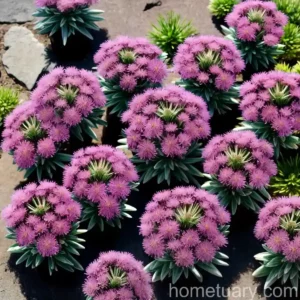
Delosperma ‘Jewel of the Desert Rosequartz’ is a perennial succulent that belongs to the Aizoaceae family, native to South Africa. It is also commonly referred to as the Ice Plant due to its glistening, dew-like appearance. This unique plant is known for its vibrant, daisy-like flowers and its ability to form a dense mat of foliage, making it an excellent groundcover option in gardens and landscapes. The ‘Jewel of the Desert’ series, to which Rosequartz belongs, is renowned for its prolific blooming and exceptional drought tolerance, making it a sought-after choice for xeriscaping and rock gardens.
Key Takeaways – Delosperma ‘Jewel of the Desert Rosequartz’ (Ice Plant)
Before delving into the specific aspects of the Ice Plant, let’s highlight the key takeaways that we will be exploring in detail:
- Culture
- Uses
- Water
- Sunlight
- Fertilizer
- Soil
- Pruning
- Propagation
- Container Popularity
- Container Common Diseases
- Disease diagnosis
- Common pests
- Botanist’s tips
- Fun facts
- Links to External Resources
Now, let’s dive into the intricacies of each of these elements to gain a comprehensive understanding of this enchanting plant.
Culture
The culture of Delosperma ‘Jewel of the Desert Rosequartz’ encompasses its environmental requirements and the conditions that best support its growth and development. Understanding the plant’s cultural needs is crucial for successfully cultivating and maintaining it.
Environment
Ice Plants thrive in arid and semi-arid regions and are well-adapted to sandy or rocky soils. They are excellent choices for xeriscaping and are well-suited for coastal gardens due to their tolerance to salt spray. The ability to thrive in low-nutrient soils makes them a desirable option for challenging garden conditions.
Hardiness
When it comes to hardiness, Delosperma ‘Jewel of the Desert Rosequartz’ is known for its exceptional resilience in harsh conditions. It is suitable for USDA hardiness zones 6a to 10b, making it adaptable to a wide range of climates.
Landscaping Uses
The Ice Plant’s cascading habit and vibrant flowers make it a fantastic choice for groundcover, rock gardens, slope stabilization, and as an accent in borders and containers. Its ability to withstand drought and bloom profusely contributes to its versatility in landscaping.
Uses
The uses of Delosperma ‘Jewel of the Desert Rosequartz’ extend beyond its ornamental value. Understanding its various applications can provide insight into how to best integrate it into different settings.
Ornamental
The primary use of the Ice Plant is ornamental, as it adds a pop of color and a textural element to garden beds, containers, and landscape designs. Its ability to bloom continuously throughout the growing season makes it a valuable addition to any ornamental garden setting.
Erosion Control
Due to its dense mat-forming nature, Delosperma ‘Jewel of the Desert Rosequartz’ is effective in preventing soil erosion on slopes and embankments. Its extensive root system helps bind the soil, making it an eco-friendly solution for erosion control.
Pollinator Attraction
The nectar-rich flowers of the Ice Plant attract various pollinators, including bees and butterflies, making it a valuable addition to pollinator gardens. Its role in supporting pollinators contributes to the overall ecological balance.
Water
Proper watering is essential for the health and vitality of Delosperma ‘Jewel of the Desert Rosequartz’. Understanding its water requirements is crucial for preventing issues such as overwatering or drought stress.
Watering Requirements
Ice Plants are highly drought-tolerant once established, making them ideal for water-wise gardening. They prefer well-draining soil and are susceptible to root rot if subjected to excessive moisture. During the growing season, it is advisable to water deeply but infrequently, allowing the soil to dry out between waterings.
Drought Resistance
The ability of Delosperma ‘Jewel of the Desert Rosequartz’ to withstand prolonged periods of drought is one of its defining characteristics. This makes it an excellent choice for regions with limited water availability and for individuals seeking low-maintenance garden options.
Water-wise Gardening
In the context of water-wise gardening, the Ice Plant excels due to its minimal water requirements and its capacity to thrive in arid environments. Utilizing it in xeriscaping and dry garden designs can promote sustainable water usage.
Sunlight
Sunlight plays a pivotal role in the growth and flowering of Delosperma ‘Jewel of the Desert Rosequartz’. Understanding its sunlight preferences is essential for maximizing its potential in garden settings.
Sunlight Needs
The Ice Plant thrives in full sun to partial shade, with a preference for at least six hours of direct sunlight per day. Insufficient sunlight may result in reduced flowering and elongated, leggy growth. Providing adequate sunlight is vital for promoting vigorous growth and prolific flowering.
Heat Tolerance
Delosperma ‘Jewel of the Desert Rosequartz’ exhibits excellent heat tolerance, allowing it to thrive in hot climates and sunny garden locations. Its ability to withstand intense sunlight makes it a reliable choice for gardens with prolonged sun exposure.
Fertilizer
While Ice Plants are known for their low-fertilization requirements, understanding the basic principles of fertilization can aid in optimizing their growth and flowering.
Fertilization Practices
In general, Delosperma ‘Jewel of the Desert Rosequartz’ does not require regular fertilization. In fact, excessive fertilization can lead to an overgrowth of foliage at the expense of flowers. Applying a balanced, water-soluble fertilizer at half-strength in early spring can support healthy growth without promoting excessive vegetative expansion.
Nutrient Needs
Ice Plants are well-adapted to low-nutrient environments and are capable of thriving in lean soils. Their minimal nutrient requirements make them resilient to nutrient-poor conditions, making them an excellent choice for gardens with challenging soil profiles.
Soil
The soil composition greatly influences the growth and performance of Delosperma ‘Jewel of the Desert Rosequartz’. Understanding its soil preferences is crucial for creating an optimal growing environment.
Soil Preferences
Ice Plants prefer well-draining, sandy or gravelly soils that mimic the conditions of their native habitat. Soil with a slightly acidic to neutral pH range is well-suited for promoting healthy root development and overall plant vigor.
Potting Soil Recommendations
For container-grown Ice Plants, a well-draining potting mix designed for succulents or cacti is ideal. Avoiding overly rich or moisture-retentive soils is important to prevent waterlogged conditions.
Pruning
Pruning plays a role in maintaining the tidy and compact appearance of Delosperma ‘Jewel of the Desert Rosequartz’, while also promoting continuous blooming.
Deadheading
Regular deadheading of spent flowers encourages ongoing blooming and prevents the plant from expending energy on seed production. This practice helps maintain a neat and floriferous display throughout the growing season.
Maintenance Techniques
In terms of maintenance, minimal pruning is required for Ice Plants. Trimming back any leggy or unruly growth can help rejuvenate the plant and encourage a denser, more uniform habit.
Propagation
Understanding the methods of propagating Delosperma ‘Jewel of the Desert Rosequartz’ is valuable for expanding its presence in the garden or sharing it with fellow gardening enthusiasts.
Propagation Methods
The primary methods of propagating Ice Plants include division and stem cuttings. Division can be carried out in early spring or early fall, while stem cuttings can be taken in late spring or early summer. Both methods can yield successful results with proper care and attention.
Planting Depth
When planting propagated divisions or cuttings, ensure that they are set at the same depth as the parent plant, with the node or crown slightly above the soil level. Adequate soil contact and moisture are essential for encouraging root development.
Container Popularity
Delosperma ‘Jewel of the Desert Rosequartz’ is well-suited for container cultivation, offering numerous possibilities for creative and practical uses in diverse garden settings.
Container Gardening
The compact growth habit and vibrant flowers of the Ice Plant make it an excellent candidate for container gardening. It can be grown in individual pots or combined with other succulents and drought-tolerant plants to create striking displays.
Container Design Ideas
Incorporating Delosperma ‘Jewel of the Desert Rosequartz’ into container designs adds a colorful and textural element to patios, balconies, and outdoor living spaces. Pairing it with contrasting foliage textures and forms can enhance the visual impact of container arrangements.
Common Diseases
While Ice Plants are relatively resistant to diseases, certain issues can arise under unfavorable growing conditions. Understanding the common diseases and their prevention is crucial for maintaining plant health.
Disease Prevention
Proper cultural practices, including providing adequate air circulation, managing watering frequency, and avoiding overhead irrigation, can help prevent most disease issues. Additionally, utilizing disease-resistant cultivars and maintaining garden hygiene can reduce the likelihood of infections.
Disease Diagnosis
Common diseases that may affect Delosperma ‘Jewel of the Desert Rosequartz’ include fungal infections such as powdery mildew and root rot, as well as bacterial leaf spots. Learning to recognize the symptoms of these diseases can aid in early intervention and mitigation.
Common Pests
Pest infestations can pose a threat to the health and aesthetics of Ice Plants. Identifying common pests and employing appropriate control measures is essential for managing pest issues effectively.
Insect Pests
Aphids, spider mites, and scale insects are among the potential pests that may target Delosperma ‘Jewel of the Desert Rosequartz’. Regular monitoring and the use of insecticidal soaps or horticultural oils can help manage infestations without resorting to broad-spectrum pesticides.
Pest Management
Integrated pest management (IPM) strategies, emphasizing cultural, biological, and least-toxic control measures, are recommended for sustainable pest management. Maintaining a balanced ecosystem in the garden can help naturally regulate pest populations.
Botanist’s Tips
Drawing on the insights of botanists and horticultural experts can provide valuable guidance for successfully cultivating and enjoying Delosperma ‘Jewel of the Desert Rosequartz’.
Maintenance Guidelines
Regular maintenance, including thorough watering when necessary, deadheading spent blooms, and occasional light pruning, can help keep Ice Plants in top condition throughout the growing season.
Seasonal Care
Adapting care practices to suit the changing seasons can contribute to the long-term health and performance of the plant. Adjusting watering frequency, providing winter protection as needed, and monitoring for signs of stress are important aspects of seasonal care.
Fun Facts
Discovering interesting and unique aspects about Delosperma ‘Jewel of the Desert Rosequartz’ can deepen appreciation for this captivating plant.
- The fleshy, succulent leaves of Ice Plants enable them to store water, making them remarkably resilient in arid conditions.
- Some species of Delosperma are edible and have a history of traditional medicinal use in their native habitats.
Conclusion
Delosperma ‘Jewel of the Desert Rosequartz’ (Ice Plant) is truly a gem in the world of horticulture, offering a dazzling display of flowers, exceptional drought tolerance, and versatile uses in garden and landscape settings. By understanding and implementing its cultural preferences, proper care, and propagation methods, enthusiasts can cultivate thriving and visually stunning displays of this remarkable plant.
Incorporating Delosperma ‘Jewel of the Desert Rosequartz’ into garden designs not only adds aesthetic value but also contributes to sustainable gardening practices, especially in regions with limited water resources. With its vibrant flowers, low-maintenance requirements, and remarkable adaptability, the Ice Plant continues to charm and inspire gardeners and nature enthusiasts around the world.
References
- Royal Horticultural Society – Delosperma
- University of California Agriculture & Natural Resources – Ground Cover Plants for Slopes
- Missouri Botanical Garden – Delosperma
- University of Florida IFAS Extension – Drought-Tolerant Plants for North Florida
- University of Rhode Island GreenShare Factsheets – Soil pH