Delosperma ‘Jewel of the Desert Ruby’ (Ice Plant): A Complete Guide to Care and Cultivation
Delosperma ‘Jewel of the Desert Ruby’, commonly known as the Ice Plant, is a stunning and low-maintenance succulent that has gained popularity amongst gardeners for its vibrant flowers and drought-tolerant nature. In this comprehensive guide, we will delve into the various aspects of caring for this beautiful plant, including its cultural requirements, uses, propagation, and common diseases and pests. Whether you are a seasoned gardener or a novice looking to enhance your green thumb, this guide will equip you with all the essential knowledge to cultivate and nurture Delosperma ‘Jewel of the Desert Ruby’.
What is Delosperma ‘Jewel of the Desert Ruby’ (Ice Plant)?
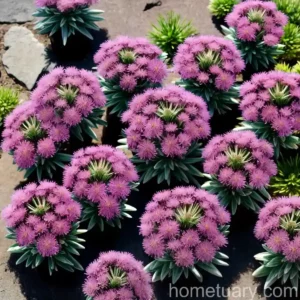
Delosperma ‘Jewel of the Desert Ruby’ is a succulent plant that belongs to the Aizoaceae family. Its common name, Ice Plant, originates from its glistening, ice-like appearance when the sunlight hits its translucent leaves. This particular variety is celebrated for its deep ruby-red flowers, which bloom profusely from late spring to early fall, creating a striking display in any garden or landscape.
Key Takeaways – Delosperma ‘Jewel of the Desert Ruby’ (Ice Plant)
Before we delve into the detailed care and cultivation techniques for Delosperma ‘Jewel of the Desert Ruby’, it’s essential to highlight the key takeaways regarding this exquisite plant.
- Scientific Name: Delosperma ‘Jewel of the Desert Ruby’
- Common Name: Ice Plant
- Flowering Season: Late spring to early fall
- Flower Color: Ruby-red
- Water Needs: Low to moderate
- Sunlight Requirements: Full sun to partial shade
- Cultural Uses: Ground cover, rock gardens, containers
- Drought Tolerance: High
- Growth Habit: Spreading, trailing
Now, let’s explore the essential aspects of cultivating and caring for Delosperma ‘Jewel of the Desert Ruby’.
Culture
The proper cultural attention to Delosperma ‘Jewel of the Desert Ruby’ is vital for its overall health and prolific flowering. This section will cover the various cultural requirements that contribute to the successful cultivation of this charming succulent.
Water
Delosperma ‘Jewel of the Desert Ruby’ displays admirable drought tolerance and, hence, requires minimal watering once established. Overwatering is a common mistake that can lead to root rot and other issues. The general rule of thumb is to water deeply but infrequently, allowing the soil to dry out between waterings. During periods of extended drought or high temperatures, a thorough watering once every two weeks should be sufficient.
Understanding the specific water needs of your plant in correlation with the climate and soil conditions in your area is crucial for maintaining its health and vigor.
Sunlight
Being native to regions with abundant sunlight, Delosperma ‘Jewel of the Desert Ruby’ thrives in full sun to partial shade. It is essential to provide the plant with at least 6 hours of direct sunlight daily to promote optimal flowering and overall growth. However, in areas with scorching afternoon sun, providing some protection during the hottest part of the day may be beneficial.
Fertilizer
Delosperma ‘Jewel of the Desert Ruby’ does not have high fertilizer requirements and can thrive in nutrient-poor soils. In fact, excessive fertilization can lead to excessive foliage growth at the expense of flower production. A once-yearly application of a balanced, slow-release fertilizer in the spring, when the plant starts actively growing, is generally sufficient to support its growth and flowering.
Soil
The Ice Plant is not overly demanding when it comes to soil quality, as long as it is well-draining. It thrives in sandy or gravelly soils with a slightly acidic to neutral pH. It is crucial to avoid waterlogged conditions, as stagnant moisture around the roots can be detrimental to the plant’s health. If the soil in your garden is heavy and tends to retain water, amending it with sand, perlite, or gravel can significantly improve its drainage.
Pruning
Pruning plays a pivotal role in maintaining the neat and tidy appearance of Delosperma ‘Jewel of the Desert Ruby’ and encouraging prolonged flowering. It is generally a low-maintenance plant that doesn’t require frequent pruning unless to remove dead or damaged foliage or to restrain its growth.
Pruning is typically conducted in early spring, before the new growth emerges. Use clean and sharp pruning shears to trim back any leggy or unruly stems to encourage a more compact and bushy growth habit. Additionally, deadheading the spent flowers throughout the growing season can stimulate the production of new blooms and prolong the flowering period, enhancing the visual appeal of the plant.
Propagation
Propagating Delosperma ‘Jewel of the Desert Ruby’ can be an enjoyable and rewarding process, allowing you to expand your collection of these stunning plants or share them with fellow gardening enthusiasts. The two primary methods of propagation for this species are through division and stem cuttings.
Division
Division is an effective method to propagate Delosperma ‘Jewel of the Desert Ruby’ and is usually carried out in the spring when the plant is most actively growing. Here’s a simple guide to the division process:
- Carefully dig up the mature plant, ensuring to disturb the roots as little as possible.
- Gently tease apart the rooted sections and separate them into individual plants with intact root systems.
- Plant the divided sections in prepared and well-draining soil, and water them in thoroughly.
Within a few weeks, the divisions will establish themselves and begin to grow vigorously, forming new clusters of colorful blooms.
Stem Cuttings
Stem cuttings offer another straightforward method to propagate Delosperma ‘Jewel of the Desert Ruby’. Follow these steps to propagate using stem cuttings:
- Using clean and sharp scissors or pruners, take 3 to 4-inch cuttings from healthy, non-flowering stems of the plant.
- Remove the lower leaves to expose the nodes from which the roots will develop.
- Plant the cuttings in a well-draining propagation medium such as a mixture of perlite and peat moss.
- Water the cuttings lightly and cover them with a plastic dome or a clear plastic bag to create a humid environment that promotes root development.
Place the cuttings in a bright, indirect light location and ensure the propagation medium remains consistently moist but not waterlogged. Within a few weeks, the cuttings will root and can be transplanted into individual pots or garden beds.
Container Popularity
Delosperma ‘Jewel of the Desert Ruby’ is ideally suited for container cultivation due to its low water needs and sprawling growth habit. Planting it in containers allows gardeners to appreciate its beauty up close, which is especially beneficial for those in regions with harsh climates where maintaining proper soil conditions can be a challenge.
The vibrant, ruby-red flowers of this Ice Plant create captivating and eye-catching displays in containers, adding a splash of color to patios, balconies, and other outdoor spaces. Moreover, its resilience against drought makes it a preferred choice for low-maintenance container gardening, particularly for individuals with busy schedules or those new to gardening.
Common Diseases
While Delosperma ‘Jewel of the Desert Ruby’ is relatively resistant to diseases, it is essential to remain vigilant and proactive in preventing and managing any potential issues that may arise. The following are a few common diseases that can affect this charming succulent:
- Root Rot: Prolonged periods of high moisture in the soil can lead to root rot, causing the plant to wilt and decline. To prevent this, ensure the soil is well-draining and avoid overwatering.
- Powdery Mildew: In humid or poorly ventilated environments, powdery mildew can develop on the foliage, appearing as a white powdery substance. To mitigate this, avoid overhead watering and provide adequate spacing between plants to enhance air circulation.
Regular inspection of the plant for any signs of diseases, combined with appropriate cultural practices, can greatly reduce the risk of encountering these issues.
Disease Diagnosis
Early diagnosis of diseases is crucial for implementing timely interventions to prevent their spread and mitigate their impact on the plant’s health. If you notice any unusual symptoms or changes in the appearance of the Ice Plant, it is important to conduct a thorough examination to diagnose the issue accurately.
Root Rot Diagnosis
Root rot is typically manifested through the following symptoms:
- Wilting and yellowing of the foliage, which may progress to browning and shriveling.
- Soft, decaying roots with a foul odor.
- Stunted growth and a general decline in the plant’s vigor.
Powdery Mildew Diagnosis
Powdery mildew presents with the following diagnostic features:
- White, powdery patches on the upper surface of the leaves, accompanied by distorted growth.
- Fuzzy white growth on the stems and undersides of the foliage.
- Premature leaf drop and reduced flowering.
Upon identifying the symptoms, prompt corrective actions can be taken to address the specific disease and restore the plant to health.
Common Pests
While Delosperma ‘Jewel of the Desert Ruby’ is generally resilient against pests, it may occasionally fall victim to certain insects. Being aware of the common pests that can infest the Ice Plant enables gardeners to promptly address any infestations and safeguard the plant’s well-being.
Aphids
These small, sap-sucking insects can congregate on the tender shoots and flower buds of the Ice Plant, causing distortion of the foliage and inhibiting the plant’s growth. Regularly inspecting the plant and utilizing insecticidal soaps or horticultural oils can effectively manage aphid populations.
Spider Mites
Spider mites are microscopic pests that can inflict damage by feeding on the plant’s cells, leading to stippling, yellowing, and eventual leaf drop. Increasing humidity around the plant and applying a targeted miticide can aid in eradicating spider mite infestations.
Botanist’s Tips
To maximize the success of cultivating Delosperma ‘Jewel of the Desert Ruby’ and witness its stunning display of ruby-red flowers, the following botanist’s tips are invaluable:
- Plant in Well-Draining Soil: Ensuring the soil has excellent drainage is essential to prevent waterlogged conditions, which can compromise the plant’s health.
- Provide Adequate Sunlight: Position the Ice Plant in a location that receives ample sunlight to promote robust growth and profuse flowering.
- Monitor Watering Practices: Adhere to a conservative watering regimen to prevent overwatering, as excess moisture can lead to root rot and other complications.
- Regular Pruning and Deadheading: Periodically pruning back overgrown or leggy stems and deadheading spent flowers are essential practices to maintain the plant’s aesthetic appeal and prolong the flowering period.
- Vigilant Pest and Disease Management: Monitoring the plant for any signs of pests or diseases and addressing them promptly is crucial for sustaining its vitality.
By incorporating these botanist’s tips into your care routine, you can ensure the flourishing and long-term health of Delosperma ‘Jewel of the Desert Ruby’.
Fun Facts
-
Reduced Water Needs: The Ice Plant’s water-storing capacity in its leaves allows it to thrive in arid environments, making it an excellent choice for xeriscaping and water-wise gardens.
-
Pollinator Magnet: The vibrant, nectar-rich flowers of Delosperma ‘Jewel of the Desert Ruby’ attract an array of pollinators, including bees and butterflies, contributing to the overall biodiversity of the garden.
-
Native Habitat: Delosperma ‘Jewel of the Desert Ruby’ is native to South Africa, where it can be found blanketing rocky slopes and arid regions with its colorful blooms.
Links to External Resources
Delve further into the enchanting world of Delosperma ‘Jewel of the Desert Ruby’ with the following external resources: