Delosperma ‘Jewel of the Desert Opal’ (Ice Plant): A Comprehensive Guide
Delosperma ‘Jewel of the Desert Opal,’ also known as Ice Plant, is a stunning succulent that has been capturing the hearts of gardeners, landscapers, and plant enthusiasts with its vibrant flowers and low-maintenance nature. In this comprehensive guide, we will delve into the characteristics, care requirements, uses, and benefits of this delightful plant. From its cultural significance to its propagation methods, this article will provide a thorough understanding of Delosperma ‘Jewel of the Desert Opal.’
Introduction to Delosperma ‘Jewel of the Desert Opal’
Delosperma ‘Jewel of the Desert Opal’ is a popular variety of ice plant that belongs to the Aizoaceae family. Its botanical name, Delosperma, is derived from the Greek words “delos,” meaning visible, and “sperma,” meaning seed, referring to the seeds that are visible when the plant’s capsules are ripe. The common name “Ice Plant” is attributed to the glistening appearance of its succulent leaves, which create a frosty, icy effect when dew or water droplets accumulate on its surface.
Key Takeaways – Delosperma ‘Jewel of the Desert Opal’
Before we delve into the specifics of caring for Delosperma ‘Jewel of the Desert Opal,’ let’s overview its key characteristics and benefits. This will provide a snapshot of what makes this plant truly special.
Delosperma ‘Jewel of the Desert Opal’ (Ice Plant)
- Scientific Name: Delosperma ‘Jewel of the Desert Opal’
- Common Name: Ice Plant
- Family: Aizoaceae
- Watering Needs: Low to Moderate
- Sunlight Requirements: Full Sun
- Soil Type: Well-draining, Sandy Soil
- Plant Type: Perennial Succulent
- Flowering Period: Spring to Fall
- Hardiness Zones: 6-11
- Growth Habit: Spreading, Trailing
Now, let’s explore the various aspects of caring for and utilizing this remarkable plant.
Delosperma ‘Jewel of the Desert Opal’ Culture
Understanding the cultural requirements of Delosperma ‘Jewel of the Desert Opal’ is essential for its successful growth and development. From its water and sunlight needs to its soil preferences, each aspect contributes to the overall health and vitality of the plant.
Uses
Delosperma ‘Jewel of the Desert Opal’ is versatile and can be utilized in various ways, from enhancing the beauty of rock gardens to providing ground cover in arid landscapes. Its uses include:
- Ground cover in dry and sunny locations
- Rock garden plantings
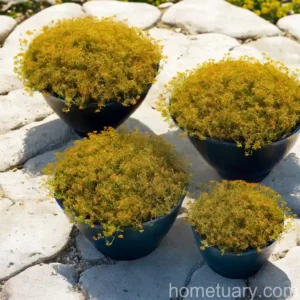
- Container gardening
- Erosion control on slopes
- Adding vibrant color to xeriscapes
- Attracting pollinators and beneficial insects
Water
While Delosperma ‘Jewel of the Desert Opal’ is highly drought-tolerant, it still requires occasional watering, especially during prolonged dry spells. It’s important to understand its water needs to maintain a healthy balance.
Watering Tips
- Frequency: Water deeply but infrequently, allowing the soil to dry out between waterings.
- Avoid Overwatering: Ensure that the soil is well-draining to prevent waterlogged conditions, which can lead to root rot.
- Established Plants: Once established, reduce watering frequency, as the plant becomes more resilient to drought conditions.
Sunlight
Adequate sunlight is crucial for the growth and blooming of Delosperma ‘Jewel of the Desert Opal.’ Understanding its sunlight requirements allows for optimal placement within the landscape.
Sunlight Requirements
- Full Sun: Thrives in full sun and benefits from at least 6 hours of direct sunlight per day.
- Heat Tolerance: Well-suited for hot and sunny locations, making it an ideal choice for desert gardens and sunny borders.
- Shade Sensitivity: Avoid excessive shading, as it can hinder flowering and lead to leggy growth.
Soil
The right soil conditions are imperative for the overall well-being of Delosperma ‘Jewel of the Desert Opal.’ Understanding its soil requirements ensures that it thrives in its designated environment.
Soil Type
- Well-Draining Soil: Requires well-draining soil to prevent water accumulation around the roots. Sandy or gravelly soils are well-suited for promoting drainage.
- pH Level: Thrives in slightly acidic to slightly alkaline soil (pH 6.0–7.5).
- Amendments: Incorporate organic matter or gravel into heavy clay soils to improve drainage and aeration.
Fertilizer
Proper fertilization contributes to the health and vigor of Delosperma ‘Jewel of the Desert Opal.’ Understanding when and how to fertilize this plant is crucial for promoting robust growth and prolific flowering.
Fertilization Guidelines
- Minimal Fertilization: Ice plants have low to moderate fertility requirements and can thrive without frequent fertilization.
- Balanced Fertilizer: Use a balanced, low-nitrogen fertilizer, applying it sparingly in early spring.
- Organic Alternatives: Consider organic fertilizers to supplement the soil with essential nutrients without the risk of fertilizer burn.
Pruning
Pruning aids in maintaining the compact growth and tidy appearance of Delosperma ‘Jewel of the Desert Opal.’ Understanding the basics of pruning can help manage the plant’s growth and flowering cycle.
Pruning Tips
- Deadheading: Remove spent flowers to encourage continued blooming and prevent self-seeding.
- Renovation Pruning: Perform light pruning in early spring to remove any damaged or overgrown stems.
- Shearing: Periodically shear the plant back to maintain a neat and compact form, particularly after the flowering period.
Propagation
The ability to propagate Delosperma ‘Jewel of the Desert Opal’ allows for expanding its presence in the landscape or sharing its beauty with others. Understanding the propagation methods can be rewarding for avid gardeners.
Propagation Methods
- Division: Divide mature clumps in early spring, ensuring that each division has a healthy root system.
- Cuttings: Take stem cuttings in late spring and root them in well-draining soil or propagation medium.
- Seeds: Collect and sow ripe seeds in well-prepared soil, providing adequate moisture for germination.
Container Popularity
Delosperma ‘Jewel of the Desert Opal’ is well-suited for container gardening, offering a burst of color and texture in confined spaces. Understanding its container requirements ensures successful cultivation in pots and other containers.
Container Gardening Tips
- Well-Draining Containers: Use containers with drainage holes to prevent waterlogging.
- Soil Selection: Fill containers with well-draining soil or a specialized cactus mix to promote healthy root growth.
- Sun Exposure: Place containers in sunny locations to meet the plant’s full sun requirements.
Common Diseases
While Delosperma ‘Jewel of the Desert Opal’ is relatively resistant to pests and diseases, it can occasionally face certain issues that affect its health. Understanding common diseases aids in timely intervention and effective management.
Disease Diagnosis
Signs of Disease
- Rotting Roots: Presence of mushy, discolored roots indicative of root rot caused by overly wet conditions.
- Leaf Spotting: Frequent occurrence of brown or black spots on the foliage, signaling potential fungal infections.
- Stem Discoloration: Darkening or softening of stems, indicating rot or fungal diseases.
Common Pests
Delosperma ‘Jewel of the Desert Opal’ is generally resistant to pests, but certain insects can still pose a threat to its vitality. Identifying and managing common pests is crucial for maintaining the plant’s health.
Pest Identification
- Aphids: Small, soft-bodied insects that cluster on the tender shoots and feed on plant sap, leading to stunted growth and distorted foliage.
- Spider Mites: Tiny pests that affect the undersides of leaves, causing stippling and webbing, and weakening the plant.
- Snails and Slugs: Consume tender foliage and flower buds, leaving behind irregular holes and damage.
Botanist’s Tips
As botanists and plant enthusiasts, understanding the intrinsic nature of Delosperma ‘Jewel of the Desert Opal’ allows for a deeper appreciation of its unique attributes and ecological significance.
Fun Facts
- Delosperma ‘Jewel of the Desert Opal’ is native to South Africa and is well-adapted to hot and arid climates.
- The term “ice plant” comes from the glistening appearance of its leaves, which has a frosty or icy sheen when moist.
- Some ice plant varieties, including ‘Jewel of the Desert Opal,’ are edible and can be added to salads for a pop of color and a refreshing, slightly tart flavor.
- Ice plants are excellent at stabilizing soil and preventing erosion, making them valuable in landscaping and ecological restoration efforts.
Links to External Resources
For further exploration of Delosperma ‘Jewel of the Desert Opal’ and related topics, the following external resources provide valuable insights and in-depth information:
- Royal Horticultural Society – Delosperma care and cultivation
- The National Gardening Association – Growing ice plants
- University of California, Agriculture and Natural Resources – Integrated pest management for ornamental plants
Throughout this guide, we have explored the comprehensive care, uses, and benefits of Delosperma ‘Jewel of the Desert Opal.’ It is a plant that not only adds beauty to the landscape but also contributes to ecological sustainability through its resilience and adaptability. Embracing the joy of nurturing and admiring this remarkable plant provides a deep connection to the natural world and the wonders of plant life.
In conclusion, Delosperma ‘Jewel of the Desert Opal’ stands as a testament to the allure and resilience of succulent plants, enriching gardens and landscapes with its captivating charm. As we continue to appreciate and cultivate this remarkable species, its presence undoubtedly enhances the beauty of our natural surroundings.