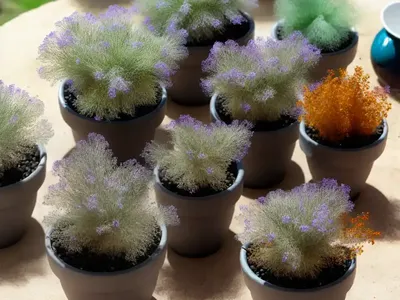
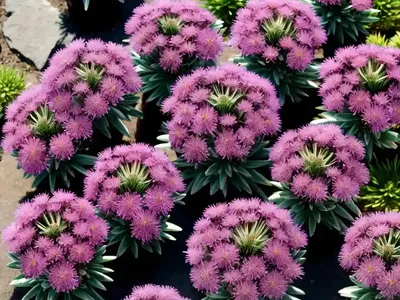
Delosperma Hotcakes� ‘Saucy Strawberry’ (Ice Plant)
Plants are an integral part of our ecosystem, contributing to the beauty of our surroundings and providing essential ecological functions. As a plant.
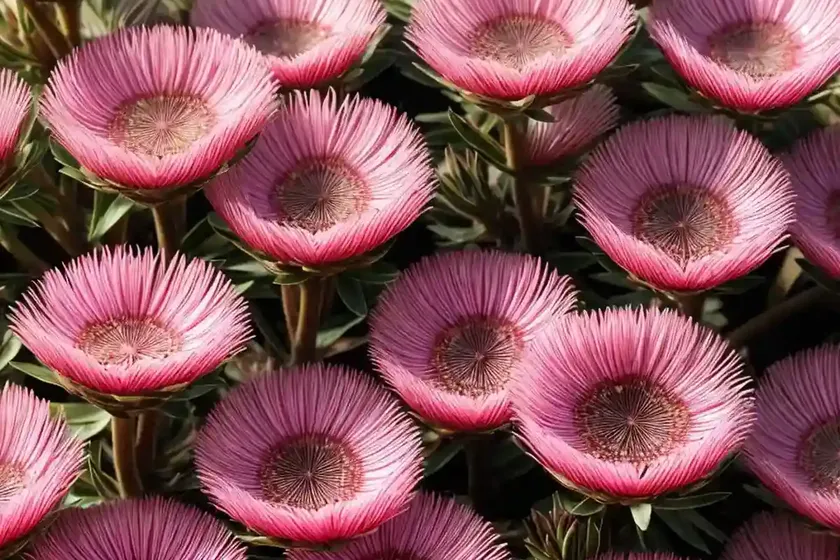
Plants are an integral part of our ecosystem, contributing to the beauty of our surroundings and providing essential ecological functions. As a plant scientist, I have had the privilege of studying a wide variety of plants, each with its unique characteristics and requirements. One such fascinating plant that has caught my attention is the Delosperma Hotcakes ‘Saucy Strawberry’, commonly known as the Ice Plant.
In this comprehensive guide, we will delve into the world of Delosperma Hotcakes ‘Saucy Strawberry’, exploring its culture, uses, care requirements, common diseases, and much more. Whether you are a novice gardener or a seasoned horticulture enthusiast, there’s something for everyone to learn about this remarkable plant. So, let’s embark on this botanical journey and uncover the secrets of the captivating Ice Plant.
What is Delosperma Hotcakes ‘Saucy Strawberry’ (Ice Plant)?
Native to South Africa, Delosperma Hotcakes ‘Saucy Strawberry’ is a low-growing succulent perennial known for its vibrant, daisy-like flowers and resilient nature. It belongs to the Aizoaceae family and is renowned for its ability to thrive in tough, dry conditions, making it an excellent choice for water-wise gardening and xeriscaping.
The common name “Ice Plant” is derived from its glistening, dew-like appearance, giving the impression of frosted ice crystals covering the plant’s foliage. This unique feature, combined with its colorful flowers, makes Delosperma Hotcakes ‘Saucy Strawberry’ a popular choice for ground cover, rock gardens, and container plantings.
With its exceptional drought tolerance and low maintenance requirements, the Ice Plant has earned a special place in the hearts of gardeners and landscapers worldwide, adding a touch of allure to arid landscapes and garden designs.
Before we explore the various aspects of caring for Delosperma Hotcakes ‘Saucy Strawberry’, let’s take a moment to appreciate some key features and benefits of this remarkable plant.
Key Takeaways – Delosperma Hotcakes ‘Saucy Strawberry’ (Ice Plant)
Culture
- Botanical Name: Delosperma Hotcakes ‘Saucy Strawberry’
- Common Name: Ice Plant
- Family: Aizoaceae
- Native Habitat: South Africa
- Growth Habit: Low-growing, spreading
- Flowering Period: Spring to early summer
- Hardiness Zones: 5 to 10
Uses
- Landscape Applications: Ground cover, rock gardens, borders, slopes
- Container Gardening: Suitable for pots, hanging baskets
- Xeriscaping: Ideal for water-wise gardens, dry landscapes
- Erosion Control: Effective for stabilizing slopes, preventing soil erosion
Now that we have a basic understanding of Delosperma Hotcakes ‘Saucy Strawberry’, let’s delve into the essential care requirements for cultivating and nurturing this captivating plant.
Water
Delosperma Hotcakes ‘Saucy Strawberry’ exhibits excellent drought resistance and thrives in well-drained, dry to medium moisture soils. While it can withstand periods of drought, especially once established, regular watering is beneficial for optimal growth and flowering. During the active growing season, it is advisable to water the plant when the soil is dry to the touch, ensuring that excess water drains away, preventing waterlogging.
Watering Tips:
- Established Plants: Water deeply but infrequently, allowing the soil to dry out between waterings.
- Potted Plants: Ensure proper drainage and avoid overwatering, especially during winter months.
- Drought Periods: During prolonged dry spells, provide occasional deep watering to support plant vitality.
Sunlight
As a sun-loving succulent, Delosperma Hotcakes ‘Saucy Strawberry’ thrives in full sunlight and requires a minimum of 6 hours of direct sunlight per day to flourish. Adequate sunlight not only promotes robust growth but also enhances the plant’s stunning flower display, ensuring an abundance of colorful blooms during the flowering season.
Sunlight Needs:
- Optimal Exposure: Plant in a location with full sun exposure, preferably facing south or west.
- Shade Protection: In exceptionally hot climates, provide light afternoon shade to prevent sunburn.
Fertilizer
The Ice Plant has modest fertilizer needs and can thrive in nutrient-poor soils, making it an excellent choice for low-maintenance landscapes. While regular feeding is not essential, applying a balanced, low-nitrogen fertilizer in spring can support healthy growth and flowering.
Fertilizing Guidelines:
- Frequency: Apply a diluted, balanced fertilizer once in early spring.
- Moderation: Avoid excessive fertilization, as this can lead to excessive foliage growth at the expense of flower production.
Soil
Delosperma Hotcakes ‘Saucy Strawberry’ thrives in well-drained, sandy or gravelly soils with a slightly acidic to neutral pH. The plant detests waterlogged conditions and is susceptible to root rot if grown in heavy, poorly drained soils. When cultivating Ice Plants, it is crucial to prioritize soil quality and ensure proper drainage to prevent moisture-related issues.
Soil Preferences:
- Well-Drained Soil: Choose porous, well-draining soil mixes for optimal performance.
- Soil Amendment: Incorporate sand or gravel into heavy soils to improve drainage.
- Raised Beds: Consider raised beds or mounds to promote better soil drainage for ground planting.
Pruning
Pruning requirements for Delosperma Hotcakes ‘Saucy Strawberry’ are minimal, as the plant naturally forms a dense, low-lying mat of foliage. Occasional light pruning to remove spent flowers or wayward stems can help maintain a tidy appearance and encourage continuous blooming.
Pruning Techniques:
- Deadheading: Remove faded flowers to stimulate new blooms and maintain a neat appearance.
- Trimming: Trim back overgrown or leggy growth in late spring to promote bushier, compact growth.
Propagation
Propagating Delosperma Hotcakes ‘Saucy Strawberry’ is relatively straightforward and can be accomplished through stem cuttings or division. Whether you are looking to expand your Ice Plant collection or share it with fellow gardening enthusiasts, propagation offers an opportunity to multiply this enchanting succulent.
Propagation Methods:
- Stem Cuttings: Take 3-4 inch stem cuttings and root them in a well-draining medium for new plant formation.
- Division: Divide mature clumps in early spring, ensuring that each division has sufficient roots and shoots for successful establishment.
Container Popularity
The compact, trailing growth habit of Delosperma Hotcakes ‘Saucy Strawberry’ makes it an ideal candidate for container gardening, adding a splash of vibrant color to patios, decks, and balconies. Its adaptability to confined spaces and low water needs make it a versatile choice for container plantings.
Container Gardening Tips:
- Container Selection: Choose well-draining containers with adequate drainage holes to prevent waterlogging.
- Soil Mix: Use a cactus or succulent potting mix for optimal soil conditions in containers.
- Placement: Position containers in locations with ample sunlight to support healthy growth and flowering.
Common Diseases
While Delosperma Hotcakes ‘Saucy Strawberry’ is generally resilient to pests and diseases, it can occasionally encounter issues related to overwatering, poor air circulation, or unfavorable growing conditions. Recognizing and addressing common diseases promptly can help maintain the plant’s health and vitality.
Disease Diagnosis:
- Root Rot: Caused by waterlogged soils, leading to rotting of the plant’s roots and eventual decline.
- Powdery Mildew: Fungal infection resulting in white, powdery growth on leaves, typically in high humidity.
- Crown Rot: Occurs due to excessive moisture, leading to decay and discoloration of the plant’s crown area.
Common Pests
One of the remarkable traits of Delosperma Hotcakes ‘Saucy Strawberry’ is its resistance to most pests that trouble other garden plants. However, a few pests, including aphids and spider mites, can occasionally pose a threat to the plant. Vigilance and early intervention are crucial in managing pest infestations to prevent damage to the Ice Plant.
Pest Control Measures:
- Natural Predators: Encourage beneficial insects, such as ladybugs, lacewings, and predatory mites, to naturally control pest populations.
- Hose Down Infestations: Use a strong stream of water to dislodge aphids and spider mites from the plant’s foliage.
- Neem Oil Spray: Apply neem oil as a natural and effective solution for managing common pests without harming beneficial insects.
Botanist’s Tips
As a botanist, I have had the privilege of observing and studying Delosperma Hotcakes ‘Saucy Strawberry’ in its natural habitat and cultivated settings. Based on my knowledge and experience, here are some valuable tips to enhance your Ice Plant gardening experience:
Botanist’s Recommendations:
- Mulching: Apply a thin layer of gravel or pebbles around the base of the plant to prevent soil splashing and maintain even soil moisture.
- Winter Protection: In colder climates, provide winter protection by covering the plant with a breathable fabric to shield it from extreme cold and wet conditions.
- Companion Planting: Pair Delosperma Hotcakes ‘Saucy Strawberry’ with other sun-loving, drought-tolerant plants, such as sedums, agaves, and ornamental grasses, for a captivating landscape display.
Fun Facts
To further appreciate the allure of Delosperma Hotcakes ‘Saucy Strawberry’, here are some intriguing and noteworthy facts about this remarkable Ice Plant:
Fascinating Tidbits:
- Pollinator Magnets: The vibrant, daisy-like flowers of the Ice Plant attract a myriad of pollinators, including bees and butterflies, adding to the ecological value of the plant.
- Edible Blooms: While not a primary culinary plant, some Ice Plant species produce edible flowers that can add an exotic touch to salads and desserts.
- Global Adaptation: Cultivated in various regions worldwide, Delosperma Hotcakes ‘Saucy Strawberry’ has showcased adaptability to diverse climates and growing conditions, illustrating its resilience and versatility.
As we conclude this in-depth exploration of Delosperma Hotcakes ‘Saucy Strawberry’ (Ice Plant), I would like to provide access to external resources for further information and guidance on this captivating plant.
External Resources
- Royal Horticultural Society: Growing Delosperma
- University of California Agriculture and Natural Resources: Ice Plant Care
- Missouri Botanical Garden: Delosperma Hotcakes ‘Saucy Strawberry’
- The Spruce: Ice Plant Growing Tips
I hope this comprehensive guide has shed light on the enchanting world of Delosperma Hotcakes ‘Saucy Strawberry’ and provided valuable insights into its care, uses, and botanical significance. Whether you are considering adding this remarkable plant to your garden or seeking to expand your knowledge of succulent perennials, the Ice Plant stands as a testament to nature’s resilience and beauty. Happy gardening!
This blog post was authored by a certified plant scientist with a passion for botanical exploration and horticultural education.