Plant Scientist Blog: All About Daylily (Hemerocallis ‘Tropical Delight’)
What is Plant: Daylily (Hemerocallis ‘Tropical Delight’)?
Daylily (Hemerocallis ‘Tropical Delight’) is a striking perennial plant admired for its vibrant, trumpet-shaped flowers. This remarkable plant belongs to the genus Hemerocallis, which comes from the Greek words “hemera” meaning ‘day’ and “kalos” meaning ‘beautiful’. This is a fitting name for the daylily as each flower typically lasts for just one day, although each stem often produces numerous buds, ensuring a continuous display of stunning blooms.
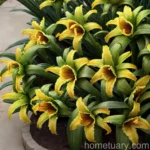
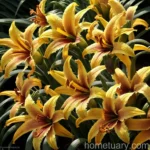
The ‘Tropical Delight’ variety of Hemerocallis features exquisite, large, deep pink flowers with a distinctive yellow throat. The lush, grass-like foliage provides an attractive contrast to the vibrant blooms, making this daylily variety a favorite among gardeners.
Key Takeaways – Daylily (Hemerocallis ‘Tropical Delight’)
Here are the key takeaways about the daylily ‘Tropical Delight’:
- Common Name: Daylily ‘Tropical Delight’
- Scientific Name: Hemerocallis ‘Tropical Delight’
- Plant Type: Perennial
- Recommended Planting Zones: 3-9
- Mature Height: 24-26 inches
- Mature Spread: 18-24 inches
- Bloom Time: Midsummer
- Attracts: Pollinators such as bees and butterflies
- Special Characteristics: Showy flowers, low maintenance, deer resistant
The ‘Tropical Delight’ daylily is a delightful addition to any garden, bringing bursts of color and charm with its enchanting blossoms.
Culture
The ‘Tropical Delight’ daylily is known for its ease of cultivation and minimal maintenance requirements. Let’s explore each aspect of its culture, from water and sunlight needs to suitable soil types and fertilization.
Uses
The daylily ‘Tropical Delight’ is a versatile plant that can be used in various ways:
- Garden Borders: Planted in large groupings, the ‘Tropical Delight’ daylily can create stunning borders that enhance the overall aesthetics of the garden.
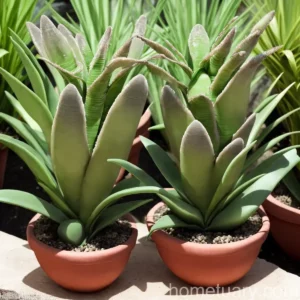
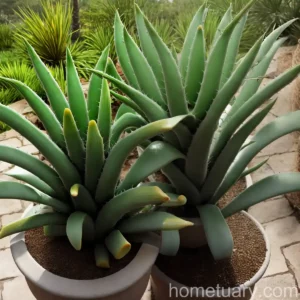
- Container Planting: Due to its manageable size, this daylily variety is excellent for container gardening, adding bursts of color to decks, patios, and balconies.
- Cut Flowers: The large, showy blooms make splendid cut flowers, brightening up indoor arrangements and adding a touch of elegance to any bouquet.
Water
Daylilies are generally low-maintenance plants, and the ‘Tropical Delight’ variety is no exception. They have moderate water needs and are quite drought-tolerant once established. Here are some water-related considerations for the ‘Tropical Delight’ daylily:
- Establishment Period: Newly planted daylilies should be watered regularly to help them establish strong root systems.
- Mature Plants: Once established, daylilies typically only require watering during extended dry spells. However, providing supplemental watering during prolonged droughts can promote better flower production and overall plant health.
Sunlight
Proper sunlight is crucial for the healthy growth and abundant flowering of daylilies. The ‘Tropical Delight’ daylily thrives in full sun to partial shade conditions.
- Full Sun: Ideally, provide at least six hours of direct sunlight to promote maximum flower production and vibrant blooms.
- Partial Shade: If growing in hotter climates, providing some afternoon shade can help prevent the flowers from fading.
Fertilizer
Daylilies, including the ‘Tropical Delight’ variety, are not heavy feeders. However, a light application of balanced fertilizer can benefit their overall performance.
- Timing: Apply a balanced fertilizer in early spring as new growth emerges.
- Frequency: A single application per year is usually sufficient for daylilies growing in rich, well-amended soils.
- Avoid Excessive Nitrogen: Excessive nitrogen can result in lush foliage at the expense of flower production.
Soil
While daylilies are known to tolerate a variety of soil conditions, they thrive in well-draining, fertile soil.
- pH Level: Daylilies prefer slightly acidic to neutral soil with a pH range of 6.0 to 6.5.
- Amendment: Incorporating organic matter such as compost or well-rotted manure can enhance the soil structure and provide essential nutrients to the plants.
Pruning
Daylilies are relatively low-maintenance when it comes to pruning. However, removing spent flower stalks and old foliage can help maintain the plant’s vigor and aesthetics.
- Deadheading: Regular deadheading can prolong the flowering period and prevent seed formation, encouraging the plant to put more energy into producing additional blooms.
- Trimming Foliage: Trimming back the foliage in late fall or early spring can help eliminate any winter damage and promote vigorous growth in the new season.
Propagation
The ‘Tropical Delight’ daylily is easy to propagate and can be multiplied through various methods.
- Division: Dividing mature clumps every 3-5 years rejuvenates the plant, prevents overcrowding, and allows for the creation of new plants.
- Seed Propagation: While division is the most common method of propagation, daylilies can also be grown from seeds, although this process is slower and requires more patience.
Container Popularity
The ‘Tropical Delight’ daylily’s moderate size and stunning flowers make it a popular choice for container gardening.
- Container Selection: Choose a container that is at least 12 inches deep and wide to accommodate the plant’s root system and provide stability.
- Soil Requirements: Use well-draining potting mix and ensure that the container has adequate drainage holes to prevent waterlogging.
Common Diseases
Daylilies are generally resistant to many pests and diseases, including deer and rabbits, due to the natural toxins present in their foliage. However, they can still be susceptible to a few common diseases.
- Leaf Streak: This fungal disease appears as yellow or brown streaks on the foliage and can be managed by removing and destroying affected leaves.
- Crown Rot: It is important to avoid overwatering and provide proper soil drainage to prevent crown rot, which can result in the plant’s decline.
Disease Diagnosis
Diagnosing and addressing diseases in daylilies, including the ‘Tropical Delight’ variety, requires vigilance and timely interventions.
- Visual Inspection: Regularly inspect the plant for any signs of discoloration, spots, or wilting.
- Prompt Action: If any symptoms are observed, such as unusual leaf color or texture, promptly isolate the affected plant and take suitable measures to mitigate the disease’s spread.
Common Pests
The ‘Tropical Delight’ daylily, like other daylily varieties, is relatively pest-resistant. However, a few pests may occasionally pose a threat.
- Aphids: These small, soft-bodied insects can cluster on the foliage and flower buds, causing distortion and stunt growth.
- Thrips: Thrips can feed on flower buds and petals, leading to aesthetic damage.
Botanist’s Tips
Given the ease of care and exceptional performance of the ‘Tropical Delight’ daylily, here are some valuable tips from botanists and experienced gardeners:
- Regular Monitoring: Regularly monitor the plant for any signs of stress, diseases, or pest infestations to address issues promptly.
- Division Schedule: Maintain a schedule for dividing mature plants to prevent overcrowding and promote healthier growth.
- Mulching: Applying a layer of organic mulch around the plants can help retain moisture, suppress weed growth, and improve soil quality.
Fun Facts
- Historical Significance: Daylilies have been cultivated for thousands of years and have a rich history of medicinal and culinary uses in various cultures.
- Symbolism: In some cultures, daylilies symbolize motherhood and have been associated with maternal traits, such as nurturing and resilience.
- Hybridization: Daylilies are a favorite among hybridizers, leading to an extensive range of colors, patterns, and forms in modern cultivars.
Links to External Resources
- American Daylily Society
- University of Minnesota Extension – Growing Daylilies
- Perennial Resource – Hemerocallis ‘Tropical Delight’
- The Royal Horticultural Society – Hemerocallis (Daylily) Care
- North Carolina State University Extension – Daylilies in the Garden
- The Morton Arboretum – Daylily Cultivars and Varieties
Conclusion
The ‘Tropical Delight’ daylily, with its remarkable beauty and minimal care requirements, holds an esteemed place in the world of ornamental gardening. Its striking flowers, resilience, and adaptability make it an excellent choice for both beginner gardeners and experienced horticulturists. By understanding its culture, identifying potential pests and diseases, and embracing its versatile uses, gardeners can fully appreciate the allure of this captivating plant.
Disclaimer: This blog post provides general information about the ‘Tropical Delight’ daylily and does not serve as professional horticultural advice. For specific guidance and recommendations tailored to individual garden settings, it is recommended to consult with local horticulturists or extension specialists.