The Alluring Beauty of Daylily (Hemerocallis ‘Savannah’s Big Dream’)
Hemerocallis, commonly known as daylilies, is a mesmerizing flowering plant that captivates gardeners and horticulturists with its enchanting blooms and resilience. One particularly captivating cultivar is Hemerocallis ‘Savannah’s Big Dream,’ known for its stunning flowers and adaptability to various growing conditions.
In this comprehensive guide, we will delve into the intricate details of this charming daylily cultivar, exploring its cultural significance, cultivation practices, uses, and maintenance. Whether you are an avid gardener seeking to add a touch of elegance to your landscape or a botany enthusiast intrigued by the captivating world of plant species, this detailed exploration of Hemerocallis ‘Savannah’s Big Dream’ is tailored to quench your curiosity.
Plant Name: Daylily (Hemerocallis ‘Savannah’s Big Dream’)
Daylilies belong to the genus Hemerocallis, and ‘Savannah’s Big Dream’ is a captivating cultivar within this diverse group. This cultivar is celebrated for its exceptional beauty and adaptability, making it a sought-after addition to gardens and landscapes.
What is a Daylily (Hemerocallis ‘Savannah’s Big Dream’)?
Hemerocallis ‘Savannah’s Big Dream’ is a perennial flowering plant known for its striking blooms, which typically last for a single day. However, each stem carries numerous buds, ensuring a prolonged display of colorful flowers throughout the blooming season. The variety is revered for its lush foliage and an abundance of blossoms, making it a delightful addition to any garden or landscape.
Key Takeaways – Daylily (Hemerocallis ‘Savannah’s Big Dream’)
Cultivar Information
- Scientific Name: Hemerocallis ‘Savannah’s Big Dream’
- Common Name: Daylily
- Plant Type: Perennial
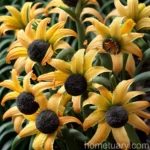
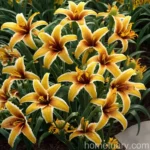
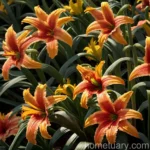
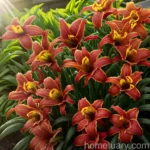
- Flower Color: Variegated hues of pink and yellow
- Blooming Period: Spring to late summer
- Growth Habit: Clumping, upright
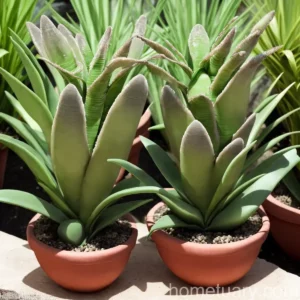
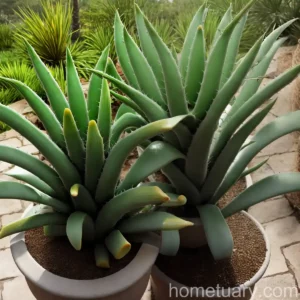
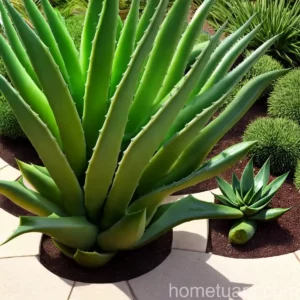
- Foliage: Green, grass-like
- Fragrance: Fragrant flowers
Culture of Hemerocallis ‘Savannah’s Big Dream’
The successful cultivation of Hemerocallis ‘Savannah’s Big Dream’ relies on a comprehensive understanding of its cultural needs. From watering practices to soil preferences and pest management, providing optimal growing conditions is essential to witness the full splendor of this captivating daylily cultivar.
Uses
Hemerocallis ‘Savannah’s Big Dream’ serves various purposes in horticulture and landscaping, contributing to the aesthetic appeal and ecological balance of garden settings. Its uses include:
- Ornamental Value: The captivating blooms of ‘Savannah’s Big Dream’ make it an excellent choice for ornamental garden beds, borders, and landscape designs.
- Pollinator Attraction: The nectar-rich flowers of daylilies attract pollinators, fostering biodiversity within garden ecosystems.
- Cut Flowers: The robust stems and prolific flowering make ‘Savannah’s Big Dream’ an ideal choice for cut flower arrangements and floral displays.
Water
Adequate water supply is crucial for the vitality and blooming prowess of Hemerocallis ‘Savannah’s Big Dream.’ While daylilies are known for their resilience in various moisture conditions, consistent watering, especially during the blooming season, is recommended to ensure optimal flower production and overall plant health.
Watering Guidelines:
– Frequency: Water deeply and infrequently, allowing the soil to partially dry out between watering sessions.
– Morning Watering: Watering in the morning allows foliage to dry throughout the day, reducing the risk of fungal diseases, particularly in humid climates.
Sunlight
As sun-loving plants, daylilies thrive in full sun to partial shade conditions. Proper exposure to sunlight is integral to fostering robust growth and prolific blooming in Hemerocallis ‘Savannah’s Big Dream.’
Sunlight Requirements:
– Full Sun: Aim for a minimum of 6-8 hours of direct sunlight daily for optimal flowering and overall vigor.
– Partial Shade: While daylilies prefer full sun, they can also thrive in areas with partial shade, especially in regions with intense afternoon sun or high temperatures.
Fertilizer
Nutrient management is vital for sustaining the health and vibrancy of Hemerocallis ‘Savannah’s Big Dream.’ Employing a balanced fertilization regimen tailored to the plant’s needs ensures robust growth, abundant blooms, and sustained vitality.
Fertilization Tips:
– Slow-Release Fertilizer: Apply a balanced, slow-release fertilizer during the early spring to provide a steady supply of nutrients throughout the growing season.
– Supplemental Feeding: Consider supplementary feedings of water-soluble fertilizers during the blooming period to support flower production.
Soil
The soil composition directly influences the growth, blooming, and overall well-being of Hemerocallis ‘Savannah’s Big Dream.’ Understanding the ideal soil preferences of daylilies is essential for creating a nurturing growing environment.
Soil Preferences:
– Well-Draining Soil: Daylilies thrive in well-draining soil to prevent waterlogging, which can lead to root rot and other moisture-related issues.
– Organic Matter: Amending the soil with compost or organic matter enhances its texture and fertility, promoting healthy root development and nutrient uptake.
Pruning
Pruning plays a pivotal role in maintaining the aesthetics and vitality of Hemerocallis ‘Savannah’s Big Dream.’ Regular pruning practices aid in flower production, foliage management, and disease prevention.
Pruning Guidelines:
– Deadheading: Remove spent flowers to encourage continuous blooming and prevent seed formation, directing the plant’s energy towards producing new blooms.
– Foliage Maintenance: Trim discolored or damaged foliage to enhance the plant’s appearance and prevent disease spread.
Propagation of Hemerocallis ‘Savannah’s Big Dream’
Expanding your collection of Hemerocallis ‘Savannah’s Big Dream’ can be achieved through efficient propagation methods. Understanding the techniques for multiplying daylilies ensures a sustainable supply of these captivating plants for your garden or landscape.
Common Propagation Methods
Division
- Method: Divide mature clumps during the early spring or fall.
- Procedure: Use a sharp, sterile tool to separate the clumps, ensuring each division has viable roots and foliage.
- Replanting: Transplant the divisions into prepared soil, ensuring adequate spacing and watering to facilitate establishment.
Seed Propagation
- Harvesting Seeds: Collect seeds from mature daylily seed pods after they have ripened and dried on the plant.
- Sowing Seeds: Sow the seeds in a well-draining, sterile seed-starting mix and provide optimal moisture and light conditions for germination.
- Transplanting: Once seedlings have developed, transplant them into individual containers or prepared garden beds.
Container Popularity
The adaptability of Hemerocallis ‘Savannah’s Big Dream’ to container cultivation makes it a popular choice for gardeners with limited space or those seeking to showcase its beauty on patios, balconies, or decks.
Container Considerations:
– Size: Choose a container that accommodates the plant’s mature size, providing ample space for root development.
– Drainage: Ensure the container has adequate drainage holes to prevent waterlogging, which can compromise the plant’s health.
– Soil Selection: Utilize well-draining potting mixes tailored for perennial plants to provide optimal growing conditions.
Common Diseases and Pest Management
Like any plant, daylilies are susceptible to certain diseases and pest infestations. Recognizing common issues and implementing proactive measures is pivotal in maintaining the health and vigor of Hemerocallis ‘Savannah’s Big Dream.’
Disease Diagnosis
Leaf Streak (Aureobasidium microstictum)
- Symptoms: Long, yellow streaks on foliage, often accompanied by reddish-purple discoloration.
- Management: Remove and destroy infected foliage, and improve air circulation to mitigate the spread of the disease.
Rust (Puccinia hemerocallidis)
- Symptoms: Orange or brownish powdery spots on the undersides of leaves, leading to foliage discoloration and eventual decline.
- Management: Apply fungicidal sprays and remove infected plant debris to prevent the disease’s recurrence.
Crown Rot (Various Pathogens)
- Symptoms: Wilting, yellowing foliage, and decay at the base of the plant.
- Management: Improve soil drainage and avoid overwatering to prevent crown rot, a disease that often results from waterlogged conditions.
Common Pests
Aphids (Aphidoidea)
- Identification: Small, soft-bodied insects clustering on tender shoots and flower buds.
- Management: Control aphids through insecticidal soaps or horticultural oils, promoting natural predator populations as a biological control measure.
Spider Mites (Tetranychidae)
- Identification: Fine webbing on the undersides of leaves, accompanied by stippling and discoloration.
- Management: Mitigate spider mite infestations through regular misting to increase humidity and the application of insecticidal sprays.
Botanist’s Tips for Hemerocallis ‘Savannah’s Big Dream’
1. Mulching: Apply a layer of organic mulch around daylilies to conserve soil moisture, regulate temperature, and suppress weed growth.
2. Dividing Regularly: Divide mature clumps every few years to rejuvenate the plant, promote vigorous growth, and prevent overcrowding.
3. Integrated Pest Management: Embrace holistic pest control approaches, incorporating natural predators, trap crops, and cultural practices to manage pest populations effectively.
Fun Facts about Hemerocallis ‘Savannah’s Big Dream’
-
Long Blooming Period: ‘Savannah’s Big Dream’ delights gardeners with a prolonged flowering season, showcasing its attractive blooms for an extended period.
-
Edible Flowers: Daylily flowers are edible and feature in various culinary traditions, adding a touch of floral elegance to diverse dishes and drinks.
Links to External Resources
For further exploration and in-depth information about Hemerocallis ‘Savannah’s Big Dream’ and daylilies in general, the following links provide valuable insights and practical guidance:
– American Daylily Society
– The Daylily Hybridizer’s Association
In conclusion, Hemerocallis ‘Savannah’s Big Dream’ stands as a captivating representation of the allure, resilience, and ornamental brilliance of daylilies. Its enchanting blooms, adaptability, and cultural significance make it a prized addition to gardens, landscapes, and the world of horticulture. By understanding and embracing the nuances of its cultivation and maintenance, gardeners and plant enthusiasts can fully appreciate the mesmerizing charm and enduring beauty of ‘Savannah’s Big Dream.’
Considering the captivating allure and horticultural significance of Hemerocallis ‘Savannah’s Big Dream,’ this comprehensive guide provides an in-depth exploration of its cultural nuances, propagation methods, disease and pest management, alongside valuable botanist’s tips and fun facts. The information presented serves as a vital resource for gardeners, horticulturists, and enthusiasts seeking to embrace the elegance and resilience of this captivating daylily cultivar.