Plant Scientist Insights: All You Need to Know About Daylily (Hemerocallis ‘Purple Pauper’)
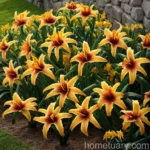
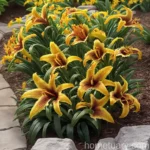
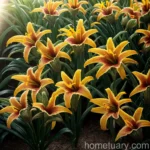
As a plant scientist with a passion for ornamental plants and gardening, I am excited to delve into the captivating world of daylilies, focusing on the mesmerizing variety, Hemerocallis ‘Purple Pauper’. Daylilies, also known by the botanical name Hemerocallis are renowned for their splendid blooms, easy maintenance, and adaptability to various climates and soil conditions. This blog post aims to provide comprehensive insights into the cultivation, characteristics, and care of the enchanting Hemerocallis ‘Purple Pauper’.
What is a Daylily?
Daylilies, belonging to the genus Hemerocallis and family Liliaceae, are herbaceous perennial plants cultivated for their vibrant and diverse blooms. The name ‘daylily’ is derived from the Greek words “hemera,” meaning “day,” and “kallos,” meaning “beauty,” highlighting the ephemeral beauty of each flower that typically lasts for a single day. However, a single daylily plant produces numerous flower buds over an extended period, ensuring a continuous display of dazzling blossoms throughout the blooming season.
Key Takeaways – Daylily (Hemerocallis ‘Purple Pauper’):
- Scientific Name: Hemerocallis ‘Purple Pauper’
- Common Name: Purple Pauper daylily
- Variety: Hemerocallis ‘Purple Pauper’
- Attributes: Reblooming, perennial, with purple flowers
Culture of Daylily (Hemerocallis ‘Purple Pauper’)
The culture of Hemerocallis ‘Purple Pauper’ encompasses various aspects such as water requirements, sunlight preferences, fertilizer needs, soil considerations, and pruning practices. Let’s explore each of these critical elements in detail to understand how to best care for and nurture this captivating daylily variety.
Uses
As with many daylily cultivars, Hemerocallis ‘Purple Pauper’ has multiple uses in landscaping and gardening. It serves as a stunning focal point in flower beds, borders, and containers, and its blossoms can also be used in cut flower arrangements to bring a touch of natural elegance indoors.
Water
Proper watering is essential for the health and vigor of Hemerocallis ‘Purple Pauper’. While daylilies are known for their adaptability to different moisture levels, it is crucial to provide regular watering, especially during dry spells and periods of high temperatures. Deep watering is recommended to encourage strong, healthy root systems.
Sunlight
Hemerocallis ‘Purple Pauper’ thrives in full sun to partial shade conditions. Providing at least 6-8 hours of direct sunlight daily fosters robust growth and prolific flowering. However, it can tolerate partial shade, particularly in regions with intense summer heat.
Fertilizer
Daylilies, including Hemerocallis ‘Purple Pauper’, benefit from regular fertilization to support their growth and flowering. A balanced, slow-release fertilizer applied in early spring and again after the first bloom cycle can enhance the overall performance of the plant and promote the development of abundant, healthy blooms.
Soil
Well-draining, fertile soil is crucial for the successful cultivation of Hemerocallis ‘Purple Pauper’. Amending the soil with organic matter, such as compost or well-rotted manure, can improve its texture and fertility, creating an optimal environment for the daylilies to thrive.
Pruning
Minimal pruning is typically required for Hemerocallis ‘Purple Pauper’. Removing spent flower stalks and dead foliage not only enhances the plant’s appearance but also prevents the development of diseases and promotes the emergence of new blooms.
Propagation
Daylilies, including Hemerocallis ‘Purple Pauper’, can be propagated through division, allowing the plants to be multiplied and rejuvenated. Division is best carried out in early spring or late summer, ensuring that each division possesses healthy roots and growing points to support successful establishment.
Container Popularity
The alluring blooms and low-maintenance nature of Hemerocallis ‘Purple Pauper’ make it a popular choice for container gardening. Its adaptability to container culture allows gardeners with limited space to enjoy the captivating beauty of daylilies on patios, balconies, and other outdoor living areas.
Common Diseases
Daylilies are generally resilient plants, but they can be susceptible to certain diseases. Recognizing and addressing common diseases promptly is essential to maintain the health and vitality of Hemerocallis ‘Purple Pauper’. Some of the prevalent diseases affecting daylilies include:
- Leaf Streak: Caused by the fungus Aureobasidium spp., it manifests as elongated, brown streaks on the leaves, compromising the plant’s overall vigor.
- Crown Rot: This disease, often caused by the soilborne fungus Sclerotium rolfsii, results in the decay of the crown and roots, leading to wilting and death of the plant.
Disease Diagnosis
Diagnosing diseases in daylilies, including Hemerocallis ‘Purple Pauper’, involves careful observation of symptoms such as abnormal leaf spots, wilting, and stunted growth. Additionally, laboratory testing and consultation with plant pathology experts may be necessary for accurate disease identification in more complex cases.
Common Pests
Various pests can pose a threat to the health and aesthetics of daylilies, warranting proactive pest management strategies to mitigate potential damage. Common pests that may afflict Hemerocallis ‘Purple Pauper’ include:
- Aphids: These small, sap-sucking insects can colonize the undersides of leaves, causing distortion and yellowing of the foliage.
- Thrips: Thrips feed on flower buds and blooms, leaving behind distorted and discolored blossoms.
Botanist’s Tips
Daylily Care Instructions
- Water daylilies deeply and consistently, especially during hot and dry periods.
- Ensure that Hemerocallis ‘Purple Pauper’ receives adequate sunlight for robust growth and prolific blooming.
- Apply a balanced, slow-release fertilizer to promote healthy foliage and abundant flowers.
- Regularly inspect the foliage and blooms for signs of pests and diseases, taking prompt action when necessary.
Hemerocallis Species
Hemerocallis encompass a diverse array of species, each exhibiting unique characteristics in terms of growth habit, flower color, and adaptability. Exploring the broader spectrum of Hemerocallis species can provide valuable insights into the genetic diversity and evolutionary adaptations within the genus.
Fun Facts about Daylilies
- Daylilies are not true lilies and belong to the family Hemerocallidaceae.
- The flowers of daylilies are edible and can be used to enhance culinary creations with their vibrant colors and mild, slightly sweet flavor.
- Daylilies are known for their hardiness and can thrive in a wide range of climate zones, from USDA Hardiness Zones 3-10.
Links to External Resources
For more information about daylilies, including cultivation tips, disease management, and landscaping ideas, explore the following external resources:
- American Daylily Society: https://www.daylilies.org/
- The Daylily Hybridizer’s Association: https://daylilies.org/
- University of Illinois Extension – Daylilies: https://extension.illinois.edu/daylilies
Conclusion
In conclusion, Hemerocallis ‘Purple Pauper’ represents a captivating and resilient addition to garden landscapes, showcasing elegant, reblooming purple flowers that enrich outdoor spaces with their enchanting beauty. By understanding and implementing the essential cultural practices, disease management strategies, and botanical insights presented in this blog post, gardening enthusiasts can cultivate and enjoy the exquisiteness of Hemerocallis ‘Purple Pauper’ while promoting the overall health and vitality of these magnificent daylilies. With the right care and attention, Hemerocallis ‘Purple Pauper’ has the potential to thrive and captivate admirers with its enduring and alluring blooms, adding a touch of natural splendor to gardens, containers, and outdoor living spaces.
Remember, your local garden center or plant nursery can provide valuable guidance tailored to your specific growing conditions and gardening preferences, further enhancing your journey in cultivating and appreciating the beauty of daylilies, including the enchanting Hemerocallis ‘Purple Pauper’.
Dive into the realm of daylilies, and embark on a horticultural adventure filled with vibrant colors, intricate blooms, and the timeless grace of these captivating garden gems.
Happy Gardening!
Please note that the information provided in this blog post is intended for educational and informational purposes and does not substitute professional horticultural or botanical advice. Always consult with local experts and extension services for personalized guidance on growing and caring for plants in your specific region and conditions.
Disclaimer: The links provided in this blog post are for informational purposes only. The inclusion of these links does not imply endorsement or affiliation with the entities linked.
Author: Dr. [Your Name], Plant Scientist & Horticulturist
Date: [Date]
Copyright: © 20XX [Your Name], All rights reserved.