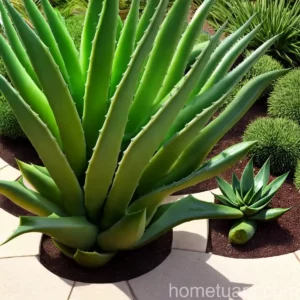
All About Daylily (Hemerocallis ‘Carolyn Criswell’)
The daylily, scientifically known as Hemerocallis, is a perennial flowering plant that belongs to the family Asphodelaceae. The genus Hemerocallis is native to Eurasia, including China, Korea, and Japan, but the plant has since been widely cultivated around the world for its attractive flowers and easy-going nature.
In this comprehensive guide, we will delve into the specifics of the daylily variety known as Hemerocallis ‘Carolyn Criswell.’ From its cultural requirements to propagation techniques and common issues, we will cover everything you need to know to successfully cultivate and enjoy this stunning plant.
Key Takeaways – Daylily (Hemerocallis ‘Carolyn Criswell’)
Before we delve into the finer details of daylily care and cultivation, let’s take a look at the key takeaways for Hemerocallis ‘Carolyn Criswell’:
- Daylily Type: Perennial flowering plant
- Cultural Preferences: Well-draining soil, ample sunlight, and regular watering
- Notable Traits: Striking flowers, low maintenance, and adaptability in various climates
- Propagation: Easily propagated through division
- Common Issues: Susceptible to aphids, spider mites, and certain fungal diseases
- Garden Uses: Ideal for borders, mass plantings, and mixed perennial beds
Now, let’s explore each of these aspects in greater detail to understand how to care for and make the most of Hemerocallis ‘Carolyn Criswell’ in your garden.
Culture
Cultural practices play a vital role in the success of any plant in a garden or landscape. Understanding the specific cultural requirements of the Hemerocallis ‘Carolyn Criswell’ is crucial for ensuring its healthy growth and abundant flowering.
Uses
Hemerocallis ‘Carolyn Criswell’ is a versatile plant with several potential uses in the landscape and garden. Some of its key uses include:
- Border Plantings: The vibrant flowers and upright growth habit of Hemerocallis ‘Carolyn Criswell’ make it an excellent choice for border plantings, where it can create striking visual displays.
- Mass Plantings: Due to its ease of cultivation and prolific flowering, this daylily variety is well-suited for mass plantings, adding colorful accents to the garden.
- Mixed Perennial Beds: When combined with other perennials with compatible cultural requirements, Hemerocallis ‘Carolyn Criswell’ can contribute to vibrant and dynamic mixed perennial beds.
- Erosion Control: In areas prone to soil erosion, the robust root system of daylilies can help stabilize the soil and prevent erosion.
Water
Proper watering is essential for the health and vitality of Hemerocallis ‘Carolyn Criswell.’ While daylilies are relatively tolerant of dry conditions, consistent moisture is crucial for optimal growth and flowering.
- Watering Frequency: Daylilies should be watered deeply and consistently, especially during the active growing season and periods of drought. However, they are susceptible to root rot if the soil remains consistently waterlogged, so well-draining soil is essential.
- Mulching: Applying a layer of mulch around daylilies helps retain soil moisture and suppress weed growth. Organic mulches, such as shredded bark or compost, are particularly beneficial as they gradually decompose, enriching the soil in the process.
Sunlight
Ample sunlight is a key requirement for the successful cultivation of Hemerocallis ‘Carolyn Criswell.’ This daylily variety thrives in full sun to partial shade, although it tends to produce more robust flowering displays when grown in a location with at least six hours of direct sunlight per day.
- Optimal Exposure: Select a planting site that receives adequate sunlight, especially during the peak growing season. In regions with intense summer heat, providing some afternoon shade can help prevent excessive stress on the plants.
Fertilizer
Proper fertilization can significantly impact the growth and flowering performance of Hemerocallis ‘Carolyn Criswell.’ While daylilies are generally tolerant of various soil conditions, providing adequate nutrients can promote healthier plants and more abundant blooms.
- Nutrient Requirements: Daylilies benefit from a balanced, slow-release fertilizer applied in early spring as new growth emerges. A fertilizer with a formulation close to 10-10-10 or 5-10-5 provides essential nutrients without promoting excessive foliage growth at the expense of flowering.
- Avoid Overfertilization: Overfertilizing daylilies can lead to excessive vegetative growth, reduced flowering, and increased susceptibility to certain diseases. Follow the recommended application rates provided on the fertilizer label.
Soil
Understanding the soil preferences of Hemerocallis ‘Carolyn Criswell’ is crucial for creating an environment that promotes healthy growth and ensures the plant’s long-term success in the garden.
- Well-Draining Soil: Daylilies thrive in well-draining soil that provides adequate aeration for the roots. Soil with high organic matter content, such as loamy or sandy loam soils, is well-suited for daylilies.
- Soil pH: Daylilies prefer slightly acidic to neutral soil pH, ranging from 6.0 to 7.0. Conducting a soil test can help determine the pH of the planting site and guide any necessary adjustments.
Pruning
Pruning and deadheading are important maintenance practices that can enhance the appearance of Hemerocallis ‘Carolyn Criswell’ and promote continuous flowering throughout the growing season.
- Deadheading: Removing spent flowers promptly encourages the plant to redirect its energy into producing new blooms, prolonging the flowering period and maintaining a tidy appearance.
- Foliage Cleanup: Trimming away withered or discolored foliage can improve the overall aesthetic appeal of the plant and reduce the risk of disease development.
Propagation
Hemerocallis ‘Carolyn Criswell’ can be easily propagated through division, making it straightforward to expand your collection or share plants with fellow gardening enthusiasts.
Division
Division is the most common and effective method of propagating Hemerocallis ‘Carolyn Criswell.’ The process involves separating the plant’s rhizomes into smaller sections, each with viable roots and growing points.
- Best Time for Division: Early spring, just as new growth emerges, is the ideal time to divide daylilies. This allows the divided segments to establish and initiate new growth before the peak of the growing season.
- Division Technique: Carefully lift the clumps of daylilies from the soil and use a sharp knife or garden spade to separate them into individual segments, ensuring that each division has several healthy roots and a portion of the fan-shaped foliage.
Container Popularity
While daylilies are often grown directly in garden beds, they can also thrive in containers, offering a versatile option for gardeners with limited space or those seeking to feature these vibrant plants in specific areas of the garden or landscape.
- Container Selection: Choose containers with adequate drainage holes and a size that accommodates the expansive root system of daylilies. Large, deep containers are ideal for providing ample space for root development.
- Growing Medium: Select a high-quality, well-draining potting mix for container-grown daylilies. The growing medium should retain moisture without becoming waterlogged, promoting healthy root growth.
- Positioning: Place containers in locations that receive sufficient sunlight, as daylilies require adequate light to thrive and produce abundant flowers.
Common Diseases
While daylilies are generally resilient plants, they can be susceptible to certain diseases and health issues. Understanding the common diseases affecting Hemerocallis ‘Carolyn Criswell’ and how to identify and manage them is essential for maintaining the plant’s health.
Disease Diagnosis
Recognizing the signs and symptoms of common daylily diseases allows for prompt intervention and effective management to prevent the spread of infections and minimize the impact on plant health.
- Leaf Streak: Characterized by the presence of elongated, brown streaks on the foliage, leaf streak is a fungal disease that can weaken daylilies over time. Adequate spacing, good air circulation, and avoiding overhead irrigation can help prevent and manage leaf streak.
- Rust: Rust infections manifest as orange to reddish-brown pustules on the undersides of leaves, often accompanied by yellowing or browning of the foliage. Proper sanitation and the removal of infected plant material can help prevent the spread of rust within the garden.
- Crown Rot: Excessive soil moisture and poor drainage can contribute to crown rot, leading to the decline and eventual death of affected daylilies. Improving soil drainage and avoiding overwatering are critical for preventing crown rot.
Disease Prevention
Implementing proactive measures to prevent common daylily diseases is crucial for maintaining the overall health and vigor of Hemerocallis ‘Carolyn Criswell’ in the garden.
- Sanitation Practices: Regularly remove any dead or diseased foliage from daylilies to prevent the spread of diseases. Disinfecting tools between uses and cleaning up plant debris can help maintain a healthy growing environment.
- Proper Watering: Avoid overwatering daylilies, as excessive soil moisture can create conditions favorable for certain fungal diseases. Water the plants at the base, minimizing moisture contact with the foliage.
Common Pests
In addition to diseases, daylilies can also be affected by a range of pests that can impact their growth and overall vigor. Identifying and addressing common pests promptly is essential for maintaining healthy plants.
Pest Identification
Understanding the signs of pest infestations on Hemerocallis ‘Carolyn Criswell’ allows for timely intervention and targeted pest management strategies.
- Aphids: These small insects feed on the sap of daylilies, often congregating on the undersides of leaves and causing distorted growth. Insecticidal soaps or horticultural oils can effectively control aphid populations without harming beneficial insects.
- Spider Mites: Spider mites are tiny arachnids that can cause stippling and discoloration of daylily foliage. Regularly spraying the plants with a strong stream of water can help dislodge and control spider mite populations.
Pest Control
Implementing pest control measures, including biological and cultural strategies, can effectively manage common pests while minimizing the use of chemical interventions.
- Beneficial Insects: Encouraging the presence of predatory insects, such as ladybugs and lacewings, can help naturally control aphid populations, reducing the need for chemical insecticides.
- Cultural Practices: Regularly inspecting daylilies for signs of pest activity, maintaining a clean garden environment, and providing optimal growing conditions can enhance the plants’ resilience to pest infestations.
Botanist’s Tips
To provide valuable insights based on botanical expertise, here are some tips to ensure the successful cultivation of Hemerocallis ‘Carolyn Criswell’ and optimize its performance in the garden:
- Soil Preparation: Prior to planting daylilies, amend the soil with organic matter to improve its structure and fertility, providing an ideal foundation for healthy growth.
- Mulching Benefits: Apply a layer of organic mulch around daylilies to conserve soil moisture, suppress weed growth, and gradually enrich the soil as the mulch decomposes.
- Adequate Spacing: When planting multiple daylilies, ensure proper spacing between the plants to allow for good air circulation and prevent overcrowding, which can lead to disease development.
- Regular Monitoring: Routinely monitor for signs of pests, diseases, or nutrient deficiencies, taking prompt action to address any issues and safeguard the health of the plants.
Fun Facts
Exploring the intriguing and delightful aspects of Hemerocallis ‘Carolyn Criswell’ can enrich our appreciation for this remarkable plant. Here are some fun facts about this daylily variety:
- Named After a Hybridizer: Hemerocallis ‘Carolyn Criswell’ is named after the renowned daylily hybridizer Carolyn Criswell, who introduced this exceptional cultivar to the gardening world.
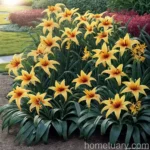
- Flower Characteristics: The flowers of Hemerocallis ‘Carolyn Criswell’ exhibit a captivating blend of peachy-apricot tones, adding a warm and inviting presence to garden landscapes.
- Drought Tolerance: While daylilies benefit from consistent moisture, many varieties, including ‘Carolyn Criswell,’ display impressive drought tolerance once established, making them resilient in various environmental conditions.
Links to External Resources
To further expand your knowledge and expertise on Hemerocallis ‘Carolyn Criswell’ and daylily cultivation, consider exploring the following resources:
- American Hemerocallis Society: The official website of the American Hemerocallis Society provides comprehensive information on daylily cultivation, hybridization, and a wealth of resources for daylily enthusiasts.
- Fine Gardening – All About Daylilies: This article from Fine Gardening offers valuable insights into the various aspects of daylilies, including their care, growing tips, and recommended cultivars.
- University of Missouri Extension – Daylilies in the Garden: The University of Missouri Extension publication on daylilies provides in-depth guidance on selecting, planting, and caring for daylilies in garden and landscape settings.
In conclusion, Hemerocallis ‘Carolyn Criswell’ exemplifies the captivating beauty and adaptability of daylilies, making it a prized addition to gardens and landscapes. By understanding and implementing the recommended cultural practices and maintenance strategies, you can enjoy an abundance of vibrant flowers and the resilient nature of this extraordinary plant.
Whether you are a seasoned gardener or new to cultivating daylilies, Hemerocallis ‘Carolyn Criswell’ offers a rewarding and visually captivating experience, enhancing the allure of outdoor spaces with its remarkable floral displays, adaptability, and low-maintenance nature.