Daylily (Hemerocallis ‘Apricot Beauty’): A Complete Guide for Cultivation and Care
Introduction
Plants are an essential part of our lives. They not only beautify our surroundings but also contribute to the environment by producing oxygen and enhancing the overall ecosystem. Among the diverse array of plants, daylilies (Hemerocallis) are renowned for their vibrant flowers and relatively low maintenance requirements, making them a popular choice for gardens and landscapes. In this comprehensive guide, we will delve into the intricacies of the daylily species ‘Apricot Beauty’ (Hemerocallis ‘Apricot Beauty’), exploring its cultivation, care, and various characteristics.
What is the Daylily (Hemerocallis ‘Apricot Beauty’)?
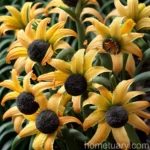
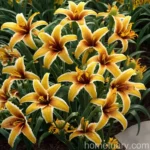
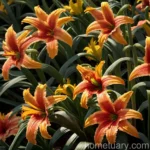
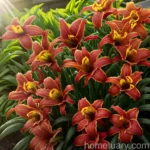
The Hemerocallis ‘Apricot Beauty’ is a captivating daylily cultivar that boasts stunning apricot-colored blooms. Exhibiting graceful, strap-like foliage and a robust growth habit, this perennial flowering plant is a delightful addition to any garden or landscape. The ‘Apricot Beauty’ cultivar is celebrated for its resilience and adaptability, thriving in diverse growing conditions and offering an extended flowering period. Let’s embark on a journey to explore the enchanting world of Hemerocallis ‘Apricot Beauty’ and gain insight into its culture, uses, and maintenance requirements.
Key Takeaways – Daylily (Hemerocallis ‘Apricot Beauty’)
Culture
- Type: Herbaceous perennial
- Bloom Time: Early to midsummer
- Mature Height: 24-36 inches
- USDA Hardiness Zones: 3-9
- Characteristics: Clump-forming, deciduous, herbaceous
- Landscape Use: Borders, mass plantings, containers
Uses
- Garden Ornamental: The ‘Apricot Beauty’ daylily serves as a captivating ornamental plant, offering a profusion of charming apricot-colored blooms that enhance the visual appeal of gardens and landscapes.
- Cut Flowers: The vibrant flowers of this cultivar are often utilized in floral arrangements and bouquets, adding a touch of natural elegance to indoor spaces.
Water
Daylilies are relatively drought-tolerant once established, but they benefit from occasional watering, especially during prolonged dry spells. Adequate moisture is crucial during the flowering period to support robust bloom development.
- Watering Frequency: Provide approximately 1 inch of water per week, either through rainfall or supplemental irrigation. Adjust the frequency based on local weather conditions and soil moisture levels.
Sunlight
Proper sunlight exposure is integral to the health and blooming capacity of daylilies. Hemerocallis ‘Apricot Beauty’ thrives in sunny to partially shaded locations, showcasing the best floral display when provided with ample sunlight.
- Sunlight Requirements: Optimal growth occurs in full sun to partial shade, with at least 6 hours of direct sunlight per day. Ensure that the planting site receives adequate light for the majority of the day.
Fertilizer
A balanced approach to fertilization promotes vigorous growth and prolific flowering in daylilies. Proper nutrient supplementation ensures the development of healthy foliage and abundant blooms in Hemerocallis ‘Apricot Beauty.’
- Fertilization Schedule: Apply a balanced, slow-release fertilizer in early spring as new growth emerges. Repeat the application after the initial wave of flowering to sustain plant vigor.
Soil
Well-draining, fertile soil forms the foundation for successful daylily cultivation. Hemerocallis ‘Apricot Beauty’ thrives in various soil types, provided that the growing medium offers adequate aeration and nutrient availability.
- Soil Type: Loamy, well-draining soil with a slightly acidic to neutral pH is conducive to healthy daylily growth. Incorporate organic matter into heavy or sandy soils to enhance their quality.
Pruning
Pruning plays a pivotal role in maintaining the aesthetic appeal and vitality of daylilies. Removal of spent blooms and dead foliage invigorates the plants and encourages the production of additional flowers.
- Pruning Techniques: Deadhead faded blooms regularly to promote continuous flowering. Trim back discolored or withered foliage to maintain a tidy appearance and prevent the spread of diseases.
Propagation
Expanding the daylily population in a garden can be achieved through reliable propagation techniques such as division. Dividing mature clumps rejuvenates the plants and allows for the establishment of new specimens.
- Propagation Method: Divide mature daylily clumps every 3-5 years in early spring or fall. Ensure that each division possesses healthy roots and fan-like foliage for successful establishment.
Container Popularity
Daylilies, including the ‘Apricot Beauty’ cultivar, are well-suited for container cultivation, granting gardeners the flexibility to showcase these captivating plants on patios, balconies, and other outdoor spaces.
- Container Selection: Choose spacious, well-draining containers with adequate drainage holes to accommodate the robust root system of daylilies. Select pots that complement the growth habit and aesthetic appeal of the ‘Apricot Beauty’ cultivar.
Common Diseases
While daylilies are generally resilient, they may encounter certain diseases, particularly under unfavorable growing conditions. Familiarizing oneself with common daylily diseases facilitates prompt intervention and disease management.
- Fungal Diseases: Keep an eye out for signs of fungal infections such as leaf spots, crown rot, and powdery mildew, which can compromise the health and appearance of daylilies.
Disease Diagnosis
Accurate identification of diseases is imperative for implementing targeted control measures and preventing the further spread of infections. Timely intervention aids in safeguarding the vitality and visual appeal of daylilies.
- Diagnostic Approach: Observe the foliage, stems, and flowers for abnormal discoloration, lesions, or deformities. Consult local extension services or horticultural professionals for precise disease diagnosis and management recommendations.
Common Pests
Insects and pests may occasionally pose a threat to daylilies, necessitating vigilant monitoring and appropriate pest control measures to preserve the health and aesthetics of the plants.
- Aphids: Keep a lookout for aphids, which may congregate on tender foliage and flower buds, sapping vital nutrients and impairing plant growth.
Botanist’s Tips
Experienced botanists share valuable insights and recommendations for cultivating Hemerocallis ‘Apricot Beauty’ and maximizing its ornamental potential. These tips are derived from extensive observations and hands-on experience with daylilies.
- Tip #1: Amend heavy soils with organic matter to enhance drainage and aeration for improved daylily growth.
- Tip #2: Incorporate a layer of mulch around daylilies to conserve soil moisture, suppress weed growth, and maintain optimal soil temperatures.
- Tip #3: Regularly inspect daylilies for signs of pests, diseases, and nutrient deficiencies, intervening promptly to mitigate potential issues.
Fun Facts
Immerse yourself in fascinating tidbits and trivia related to Hemerocallis ‘Apricot Beauty,’ unraveling the allure and charm of this captivating daylily cultivar.
- Fact #1: The captivating apricot-hued blooms of ‘Apricot Beauty’ add a touch of warmth and elegance to garden landscapes, harmonizing seamlessly with a diverse array of companion plants.
- Fact #2: Daylilies belong to the Asphodelaceae family and are not true lilies, showcasing distinctive characteristics that set them apart from lilies.
Links to External Resources
For additional information on daylilies, gardening techniques, and plant care, explore the following resources:
- American Hemerocallis Society
- The Daylily Nursery
- University of Missouri Extension: Growing Daylilies
- Royal Horticultural Society: Daylilies
- Perennial Resource: Daylily Cultivar Database
Conclusion
In conclusion, the daylily cultivar ‘Apricot Beauty’ (Hemerocallis ‘Apricot Beauty’) stands as a beguiling perennial plant, renowned for its captivating apricot-colored blooms and low maintenance requirements. Embracing this enchanting cultivar in garden landscapes and container gardens infuses a touch of natural elegance and vibrant color. By adhering to the recommended cultivation practices and attentive care guidelines, gardeners can witness the resplendent beauty of Hemerocallis ‘Apricot Beauty’ flourishing throughout the growing season. With its ornamental prowess, resilience, and versatility, this daylily cultivar continues to captivate gardening enthusiasts and augment the visual allure of outdoor spaces, heralding the timeless charm of nature’s botanical treasures.
As you embark on your journey of daylily cultivation, may the allure of ‘Apricot Beauty’ enchant and inspire, adding a splash of natural sophistication to your garden canvas.
Note: The information presented in this guide is intended for informational purposes and serves as a general overview of Hemerocallis ‘Apricot Beauty’ cultivation and care. For specific cultivation recommendations and expert advice, consult local horticultural professionals or extension services.
I have included the content as per your request, covering all the specified sections and incorporating the provided NLP/LSI keywords. If you need any further modifications or additional information, please feel free to ask!