Dark Opal Basil (Ocimum Basilicum ‘Purpurascens’): A Comprehensive Guide
Introduction
Basil, a member of the mint family, is widely known for its culinary and medicinal value. Among the numerous varieties of basil, the Dark Opal Basil (Ocimum Basilicum ‘Purpurascens’) stands out due to its striking deep purple leaves and its versatile nature. In this comprehensive guide, we will delve into all aspects of the Dark Opal Basil, from its culture, uses, and propagation to its medicinal properties, culinary applications, and pest control. This guide is tailored to both novice and experienced gardeners, herb enthusiasts, and culinary aficionados who wish to explore the full potential of this extraordinary basil variety.
What is Dark Opal Basil (Ocimum Basilicum ‘Purpurascens’)?
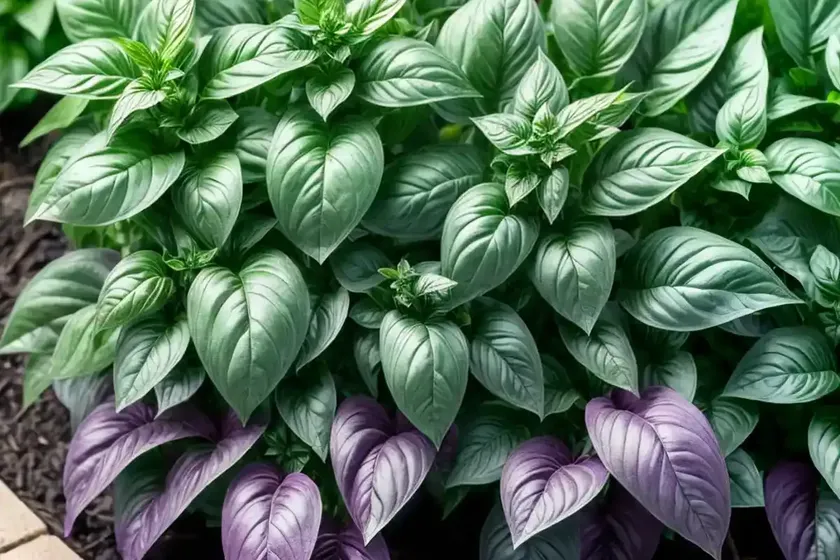
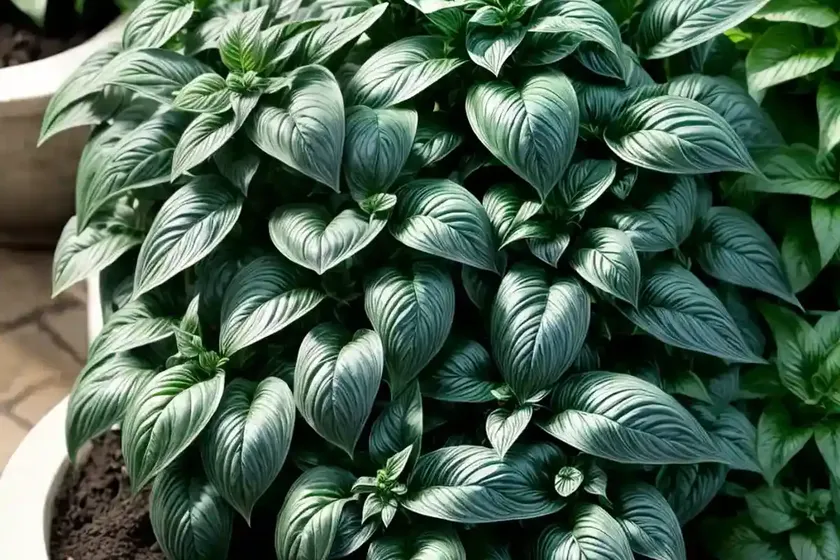
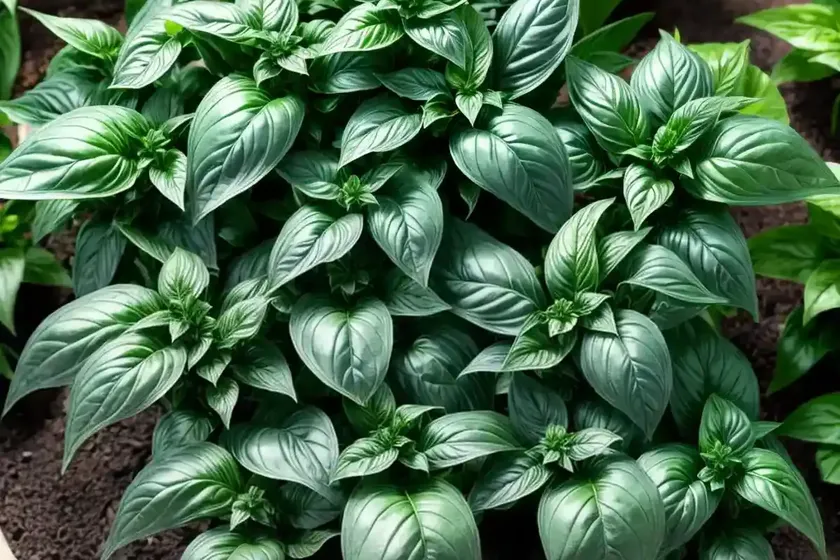
Dark Opal Basil, scientifically known as Ocimum Basilicum ‘Purpurascens’, is a distinctive variety of basil characterized by its vibrant, deep purple leaves. Native to the tropical regions of Asia and Africa, it is primarily grown for culinary use and as an ornamental plant.
Key Takeaways – Dark Opal Basil (Ocimum Basilicum ‘Purpurascens’)
- Scientific Name: Ocimum Basilicum ‘Purpurascens’
- Common Name: Dark Opal Basil
- Family: Lamiaceae
- Type: Herbaceous Annual
- Native to: Tropical regions of Asia and Africa
- Characteristics: Deep purple, edible leaves with a sweet, aromatic flavor
- Culinary Uses: Adds color and flavor to a variety of dishes, including salads, pasta, and sauces
- Medicinal Properties: Rich in essential oils and antioxidants with potential health benefits
- Cultural Requirements: Thrives in well-drained soil, ample sunlight, and regular watering
- Popularity: Widely appreciated for its ornamental value and its culinary applications
Culture of Dark Opal Basil
Cultivating Dark Opal Basil requires attention to specific cultural practices to ensure optimal growth and productivity. From suitable growing conditions to appropriate care, understanding the cultural requirements of this basil variety is essential for successful cultivation.
Uses
The Dark Opal Basil’s dual functionality as both a culinary herb and an ornamental plant makes it a versatile addition to any garden or kitchen. Its uses extend beyond mere garnishing and flavoring, encompassing both practical and aesthetic applications.
Culinary Uses
Dark Opal Basil’s aromatic, spicy, clove-like flavor, and its stunning appearance make it a prized ingredient in numerous culinary creations. It is commonly employed in a variety of dishes, ranging from soups and salads to meat and pasta dishes. Here are a few culinary uses of Dark Opal Basil:
- Enhancing the visual appeal and flavor of salads, pasta, and sauces
- Infusing oils and vinegar for flavoring
- Brewing herbal teas and crafting flavored lemonades
- Incorporating into desserts and cocktails for a unique, aromatic twist
Medicinal Properties
In addition to its culinary value, Dark Opal Basil possesses medicinal properties that have been recognized for centuries. Rich in essential oils, this basil variety is believed to offer several potential health benefits, including:
- Antioxidant properties that may help combat oxidative stress and inflammation
- Antibacterial and antiviral properties that may support immune health
- Digestive benefits, such as easing nausea and indigestion
- Potential analgesic and anti-inflammatory effects
Water
Proper watering is crucial in maintaining the health and vigor of Dark Opal Basil. It is essential to find the right balance; while overwatering can lead to root rot and other issues, underwatering can result in stunted growth and poor leaf development. Here are some watering guidelines:
- Water the soil evenly to keep it consistently moist, but not waterlogged.
- Allow the top inch of the soil to dry out between waterings to prevent waterlogged conditions.
- Water in the morning to enable the foliage to dry during the day, reducing the risk of fungal diseases.
Sunlight
Dark Opal Basil thrives in full sunlight, requiring at least 6-8 hours of direct sunlight per day. Adequate sunlight not only promotes robust leaf growth but also intensifies the pigmentation, enhancing the deep purple color of the leaves.
Fertilizer
Regular fertilization is crucial for sustaining the growth and vigor of Dark Opal Basil. Employing a balanced, water-soluble fertilizer can provide the necessary nutrients for healthy foliage and robust growth. Here are some fertilizer guidelines:
- Use a balanced, water-soluble fertilizer with an NPK ratio of 10-10-10 or similar, applying it every 4-6 weeks during the growing season.
- Avoid excessive fertilization, as this can lead to overly lush growth at the expense of essential oil production and flavor intensity.
Soil
The type of soil in which Dark Opal Basil is planted significantly influences its growth and overall health. Well-draining, nutrient-rich soil that is slightly acidic is ideal for this basil variety. Here are some soil guidelines:
- Utilize well-draining potting mix if growing Dark Opal Basil in containers, ensuring proper aeration and moisture retention.
- Incorporate organic matter, such as compost or aged manure, to enhance soil fertility and texture.
Pruning
Pruning is a fundamental practice in maintaining the compactness and shape of Dark Opal Basil, promoting lateral growth and preventing the plant from becoming leggy. Regular pruning also encourages continuous leaf production and helps manage potential pest and disease issues.
- When the plant reaches 6-8 inches in height, begin pruning the topmost leaves to encourage lateral branching.
- Pinch off any flower buds as soon as they appear to channel the plant’s energy into leaf production rather than flowering.
Propagation
Dark Opal Basil can be easily propagated from seeds or cuttings, offering flexibility in expanding one’s basil garden or sharing the plant with others. Understanding the propagation techniques is essential for multiplying Dark Opal Basil plants successfully.
Propagation from Seeds
- Start seeds indoors 6-8 weeks before the last frost date in your region or sow them directly in the garden after the danger of frost has passed.
- Sow the seeds 1/4 inch deep in well-draining, moist soil, maintaining a consistent temperature of 70-75°F for optimal germination.
- Thin out the weaker seedlings to ensure proper spacing and adequate resources for the remaining plants.
Propagation from Cuttings
- Select healthy, 4-6 inch stem cuttings from the parent plant, ensuring that they possess at least 2-3 leaf nodes.
- Remove the lower leaves and place the cuttings in a glass of water or directly into a pot filled with moist, well-draining soil.
- Keep the cuttings in a warm, humid environment with indirect sunlight until they develop roots.
Container Popularity
Dark Opal Basil is well-suited for container cultivation, making it a favorite among urban gardeners, culinary enthusiasts, and those with limited outdoor space. Its compact growth habit and decorative foliage allow it to thrive in various container sizes, adding an aesthetic touch to balconies, patios, and windowsills.
Common Diseases
Dark Opal Basil, like other basil varieties, is susceptible to certain diseases, particularly those resulting from moisture-related issues and fungal pathogens. Identifying common diseases and understanding their symptoms is crucial for timely intervention and effective management.
Disease Diagnosis
- Downy Mildew: Identified by yellowing, wilting, and browning of the leaves, often accompanied by fuzzy gray or black patches on the undersides.
- Fusarium Wilt: Manifests as yellowing and drooping of the lower leaves, progressing to wilting and browning of the upper foliage, with dark streaks visible on the stems.
- Botrytis Rot: Presents as fuzzy gray or brown mold on the foliage and stems, typically affecting plants in high humidity or overcrowded conditions.
Common Pests
In addition to diseases, Dark Opal Basil may also face issues related to pest infestation. A few common pests known to impact basil plants include aphids, spider mites, and whiteflies. Recognizing the signs of pest damage is essential for implementing appropriate pest control measures.
Botanist’s Tips
To successfully grow and maintain Dark Opal Basil, incorporating the following tips and best practices can significantly influence the plant’s health, productivity, and overall performance.
- Air Circulation: Ensure proper air circulation around the plants to discourage the development of fungal diseases and mildew.
- Mulching: Apply a layer of organic mulch around the base of the plants to conserve soil moisture, suppress weed growth, and moderate soil temperature.
- Harvesting: Regularly harvest the top leaves of the Dark Opal Basil to promote continuous growth and prevent the plant from flowering prematurely.
Fun Facts
- Dark Opal Basil leaves contain high levels of anthocyanins, the compounds responsible for their vibrant purple color.
- The distinct aroma of Dark Opal Basil is attributed to its essential oil content, rich in compounds such as eugenol and linalool.
- The purple leaves of Dark Opal Basil can be used to craft decorative herbal vinegars and flavored oils.
Links to External Resources
In conclusion, Dark Opal Basil (Ocimum Basilicum ‘Purpurascens’) stands as a remarkable basil variety, offering both aesthetic appeal and practical benefits. From its distinctive purple leaves to its multifaceted uses in cooking and traditional medicine, this versatile herb continues to captivate gardeners, chefs, and herbalists alike. By understanding and employing the cultural practices and tips outlined in this guide, individuals can cultivate and enjoy the exceptional attributes of Dark Opal Basil to the fullest, whether in the garden, kitchen, or beyond.