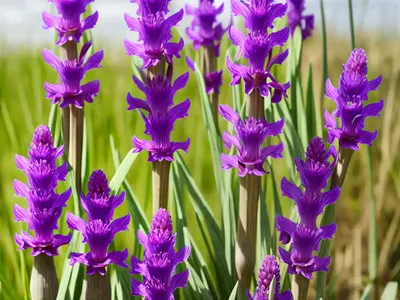
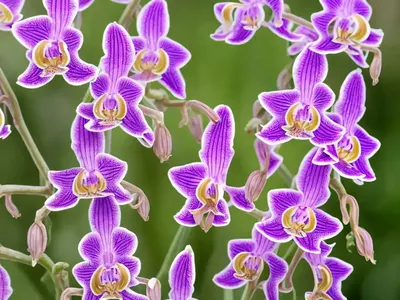
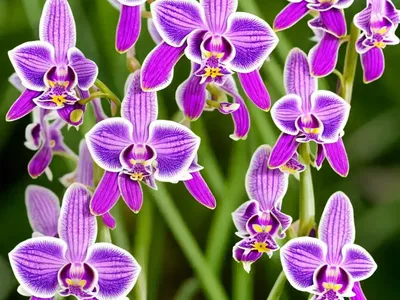
Dactylorhiza Purpurella (Northern Marsh Orchid)
Dactylorhiza purpurella, commonly known as the Northern Marsh Orchid, is a beautiful and delicate flowering plant that thrives in marshy and wetland.
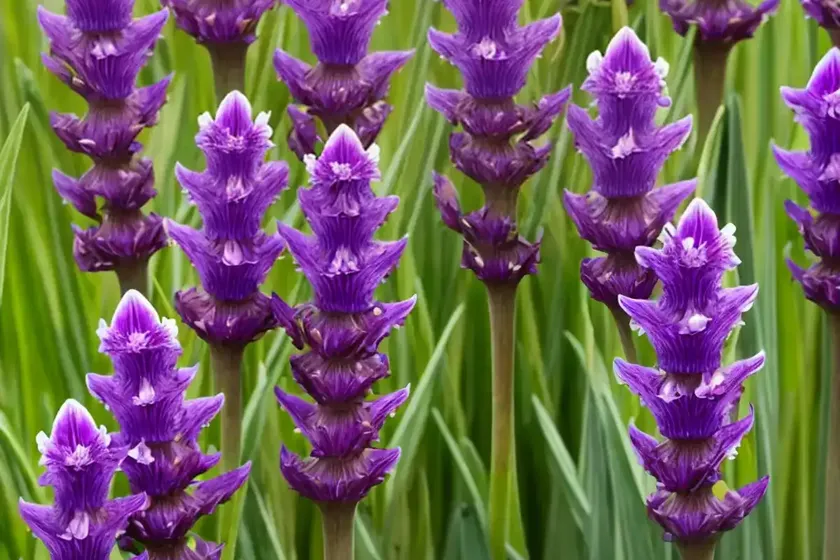
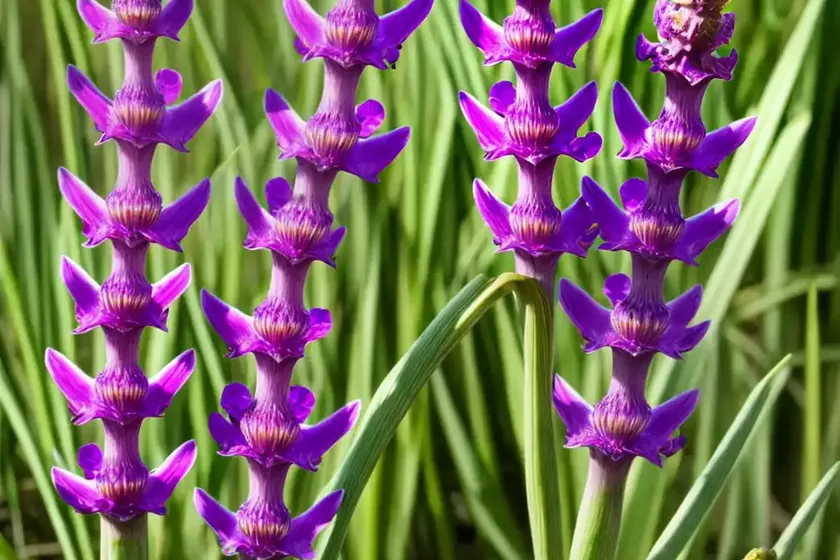
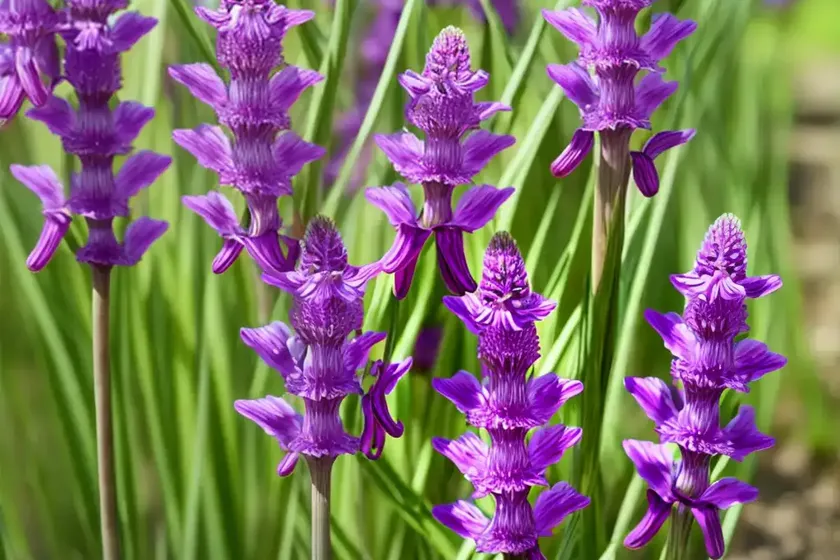
Dactylorhiza purpurella, commonly known as the Northern Marsh Orchid, is a beautiful and delicate flowering plant that thrives in marshy and wetland habitats. This striking orchid species is known for its purple flowers and unique ecological role in wetland ecosystems. In this comprehensive guide, we will delve into the intriguing world of Dactylorhiza purpurella, exploring its characteristics, cultural requirements, uses, and conservation status.
What is Dactylorhiza purpurella?
Dactylorhiza purpurella is a species of orchid that belongs to the genus Dactylorhiza within the family Orchidaceae. This captivating orchid is native to Northern Europe, including regions such as the United Kingdom, Scandinavia, and parts of Central Europe. It is a herbaceous perennial plant, typically reaching heights of 20-50cm, and is characterized by its slender stems and vibrant purple flowers. The Northern Marsh Orchid is specifically adapted to thrive in marshes, wet meadows, damp grasslands, and other moist habitats, where it plays a crucial role in supporting biodiversity and ecological balance.
Key Takeaways – Dactylorhiza purpurella (Northern Marsh Orchid)
Let’s explore the key aspects of Northern Marsh Orchid, including its cultural requirements, uses, conservation status, and interesting facts.
Culture
Water
- The Northern Marsh Orchid thrives in moist to wet conditions, making it a perfect choice for marshy areas and damp landscapes.
- Ensure that the plant receives consistent moisture, especially during its active growth periods.
Sunlight
- This orchid species prefers partial shade to full sun, making it adaptable to a variety of light conditions.
- In hotter climates, providing some shade during the hottest part of the day can be beneficial for the plant.
Fertilizer
- While Northern Marsh Orchids do not require heavy feeding, they can benefit from a balanced, water-soluble fertilizer during their growing season.
- Apply fertilizer at half-strength to avoid overwhelming the delicate root systems of the orchid.
Soil
- The ideal soil for Dactylorhiza purpurella is well-draining and rich in organic matter.
- A mix of peat, sand, and perlite can create a suitable growing medium for these orchids.
Pruning
- Minimal pruning is necessary for this orchid species. Remove any spent flower spikes to encourage new growth and flowering.
Propagation
- Northern Marsh Orchids can be propagated through division, which involves separating the rhizomes and replanting them in suitable growing conditions.
Container Popularity
- While Northern Marsh Orchids can thrive in containers, they are best suited for open landscapes and naturalistic settings where they can spread and thrive.
Common Diseases
- Northern Marsh Orchids may be susceptible to fungal diseases, particularly in overly moist conditions.
- Proper ventilation and spacing can help prevent fungal issues in these plants.
Disease Diagnosis
- Common signs of fungal diseases include wilting, yellowing of leaves, and stunted growth.
- Proper diagnosis and treatment by a plant specialist or horticulturist are essential if disease symptoms are observed.
Common Pests
- The Northern Marsh Orchid may attract aphids and spider mites, especially when grown in indoor settings.
- Regular monitoring and the use of natural predators or organic pest control methods can help manage pest issues.
Botanist’s Tips
- When cultivating Northern Marsh Orchids, pay close attention to the plant’s moisture needs, striving to create a consistently moist yet well-drained growing environment.
- Provide ample space for the orchids to spread and naturalize, allowing them to showcase their full beauty and ecological contributions.
Fun Facts
- The Northern Marsh Orchid plays a vital role in supporting pollinators and other wildlife in wetland ecosystems.
- This species has been the subject of extensive research and conservation efforts due to its ecological significance.
Now that we have explored the cultural aspects and unique characteristics of Dactylorhiza purpurella, let’s delve into its uses, habitat preferences, and conservation status.
Links to External Resources
- Royal Horticultural Society – Dactylorhiza purpurella
- The Wildlife Trusts – Northern Marsh Orchid
- Botanical Society of Britain & Ireland
Throughout this guide, we will provide exciting insights into the captivating world of the Northern Marsh Orchid. Stay tuned for more intriguing details about this enchanting plant!