Cypripedium Parviflorum Var. Pubescens (Yellow Lady’s Slipper Orchid)
Cypripedium parviflorum var. pubescens, commonly known as Yellow Lady’s Slipper Orchid, is a remarkable and captivating plant that belongs to the.
What is Cypripedium parviflorum var. pubescens?
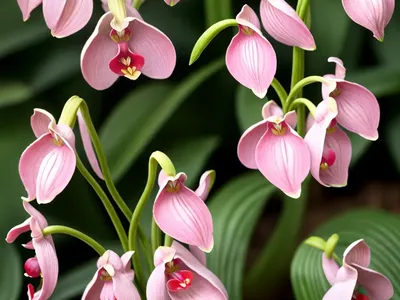
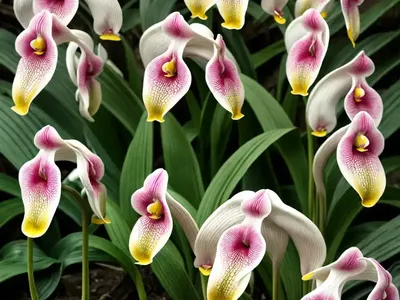
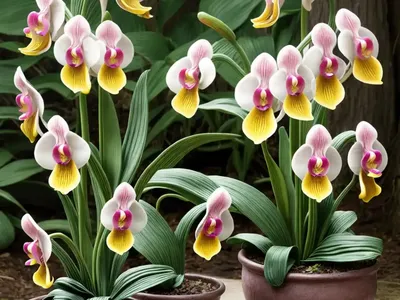
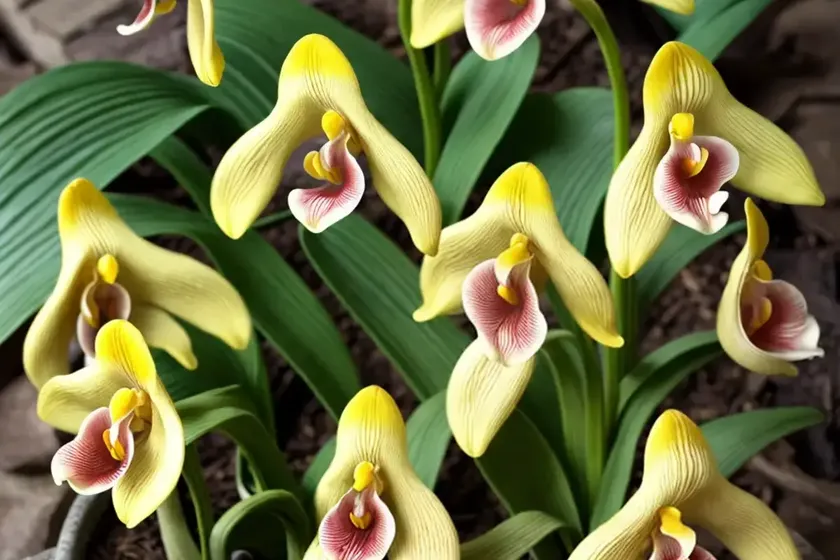
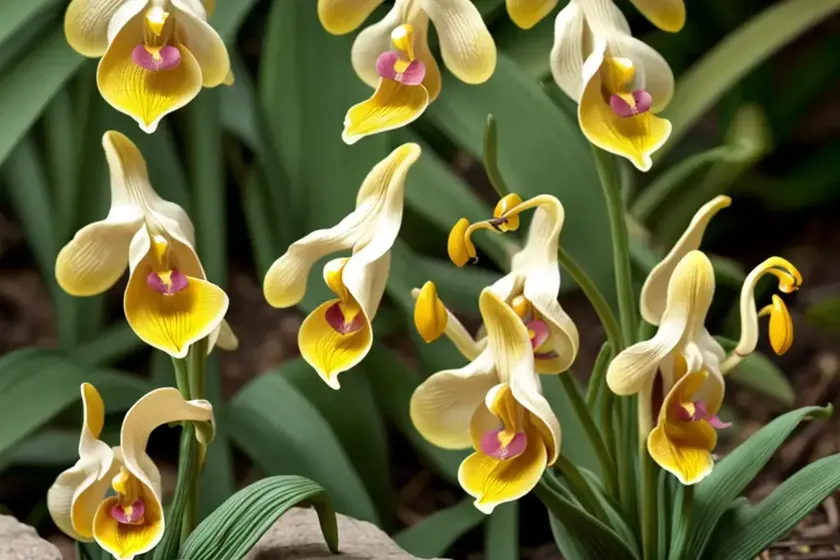
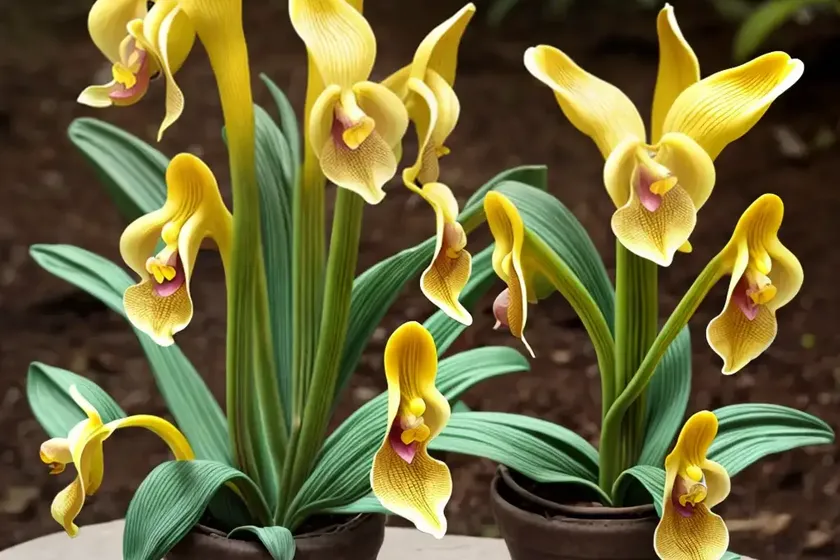
Cypripedium parviflorum var. pubescens, commonly known as Yellow Lady’s Slipper Orchid, is a remarkable and captivating plant that belongs to the Orchidaceae family. This particular variety of Cypripedium parviflorum is characterized by its stunning yellow slipper-shaped flowers, which make it a popular choice among orchid enthusiasts and botanists alike.
Key Takeaways – Cypripedium parviflorum var. pubescens (Yellow Lady’s Slipper Orchid)
Before delving into the specific details of the Yellow Lady’s Slipper Orchid, let’s highlight some key takeaways:
- Scientific Name: Cypripedium parviflorum var. pubescens
- Common Name: Yellow Lady’s Slipper Orchid
- Family: Orchidaceae
- Color: Yellow
- Native to: North America
- Distinct Feature: Slipper-shaped flowers
Now, let’s explore this fascinating orchid plant in more detail, covering its culture, uses, care requirements, potential diseases and pests, as well as interesting facts and tips for successful cultivation.
Remember, the information provided here is intended to serve as a comprehensive guide for both novice and experienced plant enthusiasts, offering valuable insights into the cultivation and appreciation of Cypripedium parviflorum var. pubescens.
Culture of Cypripedium parviflorum var. pubescens
Understanding the culture and natural habitat of Cypripedium parviflorum var. pubescens is essential for successfully cultivating and caring for this Orchid species.
Native Habitat and Ecology
Yellow Lady’s Slipper Orchid is native to North America, where it thrives in specific ecological conditions. This orchid species is commonly found in rich, moist woodlands, preferring habitats with partial shade and well-draining soil. It often grows in association with diverse plant communities, contributing to the unique biodiversity of its native habitats.
The conservation of these natural habitats is crucial for preserving the delicate balance of ecosystems and ensuring the survival of native orchid species, including Cypripedium parviflorum var. pubescens.
Uses of Cypripedium parviflorum var. pubescens
Cypripedium parviflorum var. pubescens holds cultural, horticultural, and ecological significance, offering various uses and benefits:
Horticultural and Aesthetic Value
As a visually striking orchid species, the Yellow Lady’s Slipper Orchid is highly valued in horticulture and ornamental gardening. Its unique flowers and graceful appearance make it a sought-after addition to botanical gardens, native plant landscapes, and specialized orchid collections.
Conservation and Research
This orchid species plays a crucial role in botanical research, conservation efforts, and the preservation of native plant species. By studying its ecological requirements, genetic diversity, and habitat interactions, researchers and conservationists can develop strategies to safeguard its future and contribute to the broader understanding of orchid ecology.
Medicinal and Cultural Significance
Certain native cultures have historically attributed medicinal and cultural significance to orchid species, including the Yellow Lady’s Slipper Orchid. While modern uses may vary, understanding the historical and traditional significance of plants is essential for appreciating their broader cultural contexts.
Care and Maintenance of Cypripedium parviflorum var. pubescens
Watering
Proper watering is crucial for the health and vitality of Cypripedium parviflorum var. pubescens. As a woodland orchid, it thrives in consistently moist but well-draining soil. Avoid overwatering, as excessive moisture can lead to root rot and other issues. During the active growing season, maintain a consistent watering schedule, ensuring the soil remains evenly moist without becoming waterlogged. In contrast, reduce watering during the plant’s dormancy period to mimic its natural growth cycle.
Sunlight
Yellow Lady’s Slipper Orchids prefer dappled or indirect sunlight, mimicking the conditions of their native woodland habitats. Too much direct sunlight can cause leaf scorch and stress the plant, while insufficient light may hinder flowering and overall growth. Finding the right balance for light exposure is essential for promoting healthy foliage and vibrant blooms.
Fertilizer
Orchids, including Cypripedium parviflorum var. pubescens, have specific nutritional requirements that differ from those of many other houseplants. A balanced orchid fertilizer, specifically formulated for use with epiphytic or terrestrial orchids, can provide essential nutrients for healthy growth and blooming. During the active growing season, apply a diluted orchid fertilizer every two to four weeks. However, it’s crucial to reduce or stop fertilizing during the dormant phase to support the plant’s natural cycle.
Soil
The type of soil or growing medium used for Yellow Lady’s Slipper Orchids is a critical factor in their care. These orchids thrive in a well-draining, organic-rich mix that provides both moisture retention and aeration. A recommended potting mix for terrestrial orchids may consist of components such as sphagnum moss, perlite, bark, and leaf mold. Avoid heavy or compacted soils, as they can impede root health and drainage.
Pruning
Proper pruning practices contribute to the overall health, shape, and flowering of Cypripedium parviflorum var. pubescens. While orchids generally require minimal pruning compared to many other plants, removing spent flower stems and dead or damaged foliage helps maintain the plant’s vitality and aesthetic appeal. Use clean, sterilized pruning tools to minimize the risk of introducing pathogens to the plant.
Propagation
Orchid propagation techniques can vary among different species, and the propagation of Cypripedium parviflorum var. pubescens often involves specific considerations. While seed propagation is a viable option, it may require specialized techniques and environments to achieve success. Additionally, divisions and rhizome segments can be used for propagating certain orchid species, but it’s essential to approach propagation with caution and respect for the plant’s natural growth patterns.
Container Gardening with Cypripedium parviflorum var. pubescens
Popularity of Container Cultivation
The captivating beauty and intriguing growth habits of Yellow Lady’s Slipper Orchids make them a popular choice for container gardening and ornamental displays. Cultivating these orchids in suitable containers allows plant enthusiasts to create stunning focal points, explore specialized growing conditions, and appreciate their delicate splendor up close.
Common Diseases and Prevention
As with any cultivated plant, Yellow Lady’s Slipper Orchids are susceptible to certain diseases and ailments, which can impact their growth and vitality. Common diseases that may affect these orchids include fungal infections, such as root rot or leaf spot, and viral or bacterial issues. Implementing preventive measures, such as maintaining proper watering practices, providing adequate air circulation, and using sterile growing mediums, can help minimize the risk of disease and promote overall plant health.
Disease Diagnosis and Management
Promptly identifying and addressing potential diseases or health issues in orchids is essential for effective management and care. Observing changes in foliage color, texture, and growth patterns, as well as monitoring the presence of pests or unusual symptoms, can aid in disease diagnosis. Once a disease is identified, appropriate treatment measures, such as targeted fungicides or cultural adjustments, may be necessary to mitigate the impact and promote recovery.
Common Pests and Control Measures
Certain pests, including aphids, mealybugs, and scale insects, can pose a threat to the health of Yellow Lady’s Slipper Orchids. These invasive pests may target various parts of the plant, such as the foliage, stems, or roots, leading to damage and potential stress. By implementing integrated pest management strategies, including regular monitoring, manual removal of pests, and targeted insecticidal treatments, plant enthusiasts can protect their orchids from pest-related issues.
Botanist’s Tips for Cypripedium parviflorum var. pubescens
To help you succeed in cultivating and appreciating Cypripedium parviflorum var. pubescens, here are some valuable tips from botanists and experienced growers:
- 1. Research Native Habitats: Understanding the natural environments where Yellow Lady’s Slipper Orchids thrive can provide valuable insights into their care requirements.
- 2. Mimic Natural Conditions: Strive to recreate the ecological conditions and growth patterns of Cypripedium parviflorum var. pubescens in your cultivation practices, including light, water, and soil preferences.
- 3. Regular Observation: Regularly observing the plant’s growth, flowering, and overall health can aid in detecting and addressing any potential issues early on.
- 4. Patience and Perseverance: Orchid cultivation often requires patience and perseverance, as these plants may have specific growth and blooming cycles influenced by their natural habitats.
Fun Facts about Cypripedium parviflorum var. pubescens
- The slipper-shaped flowers of Cypripedium parviflorum var. pubescens serve as specialized structures that aid in attracting pollinators and facilitating successful reproduction.
- In the wild, Yellow Lady’s Slipper Orchids engage in intricate interactions with specific pollinators, contributing to the fascinating web of ecological relationships in their native habitats.
- Different varieties of Cypripedium parviflorum exhibit subtle variations in flower color, marking patterns, and growth habits, adding to the allure of these orchids for collectors and enthusiasts.
Links to External Resources
For further exploration and in-depth information on Cypripedium parviflorum var. pubescens, consider exploring the following external resources:
- Royal Horticultural Society – Cypripedium parviflorum
- North American Orchid Conservation Center
- The American Orchid Society
- United States Department of Agriculture – Plants Database
- International Union for Conservation of Nature – Orchid Specialist Group
- Native Plant Conservation Campaign
- Botanical Gardens and Arboreta
In conclusion, the Yellow Lady’s Slipper Orchid, Cypripedium parviflorum var. pubescens, represents a captivating and ecologically significant orchid species with a rich botanical history and cultural appeal. Its unique features, conservation importance, and intrinsic beauty make it a plant of great interest and value, prompting continued research, appreciation, and conservation efforts within the botanical community.
By understanding and embracing the natural culture of Cypripedium parviflorum var. pubescens, plant enthusiasts and conservation advocates can contribute to the preservation and appreciation of this remarkable orchid species, ensuring its enduring presence in the world of horticulture and native plant conservation.
Remember to approach the cultivation and appreciation of Yellow Lady’s Slipper Orchids with care, respect, and a spirit of curiosity, allowing the enchanting beauty of these orchids to inspire and enrich your botanical endeavors.
References
- Royal Horticultural Society. “Cypripedium parviflorum.” Link
- North American Orchid Conservation Center. Link
- The American Orchid Society. Link
- United States Department of Agriculture – Plants Database. Link
- International Union for Conservation of Nature – Orchid Specialist Group. Link
- Native Plant Conservation Campaign. Link
- Botanical Gardens and Arboreta. Link