The Versatile Euphorbia Cyparissias (Cypress Spurge): Understanding Its Cultivation, Uses, and Maintenance
Euphorbia cyparissias, commonly known as cypress spurge, is a resilient and attractive perennial plant that belongs to the Euphorbiaceae family. Its unique characteristics, adaptability, and aesthetic appeal make it a popular choice for landscaping and gardening purposes. In this comprehensive guide, we will delve into the various aspects of cultivating and caring for cypress spurge, its uses, and its significance in horticulture and ecology.
What is Euphorbia Cyparissias (Cypress Spurge)?
Cypress spurge, scientifically referred to as Euphorbia cyparissias, is a herbaceous perennial plant native to Europe and Asia. It is named for its resemblance to cypress trees due to its upright, slender stems and densely packed foliage. The plant typically reaches a mature height of 12 to 18 inches and has an extensive root system, making it an efficient ground cover.
Characteristics of Euphorbia Cyparissias
- Foliage: The plant boasts narrow, linear leaves arranged in whorls around its stem, creating a lush and dense appearance.
- Flowering: In late spring to early summer, cypress spurge produces delicate, yellow-green flower clusters that add a subtle charm to gardens.
- Adaptability: Euphorbia cyparissias is known for its resilience and ability to thrive in diverse environmental conditions, making it suitable for various landscaping applications.
- Toxicity: Like many plants in the Euphorbia genus, cypress spurge contains toxic compounds that can cause skin irritation and gastrointestinal distress if ingested. It is essential to handle this plant with care and keep it away from children and pets.
Now that we have familiarized ourselves with the fundamental attributes of cypress spurge, let’s explore the key takeaways, including its cultural requirements, uses, and maintenance guidelines.
Key Takeaways – Cypress Spurge (Euphorbia Cyparissias)
Culture
Cultivating cypress spurge successfully entails understanding its specific environmental needs and providing appropriate care. Key factors to consider include:
Water
- Watering Frequency: Cypress spurge thrives in moderately moist soil. While it is resilient to short periods of drought, regular watering is essential during its initial establishment phase.
- Drainage: Adequate soil drainage is crucial to prevent waterlogging, as excessive moisture retention can lead to root rot and other issues.
Sunlight
- Light Requirements: Euphorbia cyparissias flourishes in full sun to partial shade. It can tolerate a range of light conditions, making it adaptable to various garden settings.
Fertilizer
- Nutrient Needs: Generally, cypress spurge does not have high fertilizer requirements. If the soil is poor or deficient in nutrients, applying a balanced, slow-release fertilizer in spring can promote healthy growth and flowering.
Soil
- Soil Type: Well-draining soil with a slightly alkaline to neutral pH is optimal for cypress spurge. It can thrive in rocky, sandy, or loamy soil types, as long as they are not waterlogged.
- Soil Amendment: Incorporating organic matter such as compost or well-rotted manure can improve soil structure and fertility, benefiting the plant’s overall health.
Pruning
- Maintenance Pruning: Deadheading the spent flowers can prolong the blooming period of cypress spurge and prevent self-seeding. Additionally, removing any diseased or damaged foliage promotes the plant’s vigor.
Propagation
- Seeding: Cypress spurge readily self-sows, producing viable seeds that facilitate natural propagation. However, if intentional propagation is desired, seeds can be collected after flowering and sown in prepared soil.
- Division: Dividing mature clumps of cypress spurge can be done in early spring to create new plants and rejuvenate existing ones.
Container Popularity
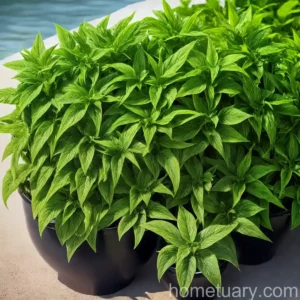
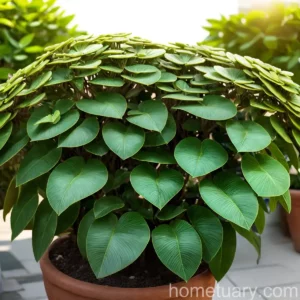
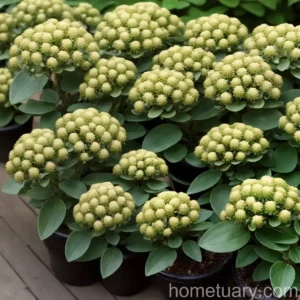
- Container Gardening: With its adaptability and compact growth habit, cypress spurge is suitable for container gardening, offering a versatile option for ornamental displays and landscape arrangements.
Uses
Beyond its ornamental value, cypress spurge serves various functional purposes in gardening and landscaping endeavors. Its primary uses include:
- Ground Cover: The dense foliage of Euphorbia cyparissias makes it an excellent ground cover plant, effectively suppressing weed growth and enhancing the visual appeal of open spaces.
- Erosion Control: Due to its extensive root system and soil-binding capabilities, cypress spurge is utilized in erosion control efforts, particularly on slopes and embankments.
- Wildlife Habitat: The plant provides refuge for beneficial insects and wildlife, contributing to biodiversity and ecological balance within garden ecosystems.
Common Diseases
While cypress spurge is relatively resistant to many pests and diseases, it can occasionally encounter certain issues that warrant attention:
- Powdery Mildew: In humid and poorly ventilated conditions, cypress spurge may develop powdery mildew on its foliage. Maintaining good air circulation and promptly addressing fungal infections are essential preventative measures.
- Root Rot: Prolonged waterlogging can lead to root rot in cypress spurge. Improving soil drainage and avoiding overwatering are crucial for preventing this issue.
Common Pests
- Deer: Cypress spurge is typically deer-resistant due to its toxic nature, making it less appealing to browsing herbivores.
Now that we have covered the essential aspects of cypress spurge, let’s explore some additional insights and tips for successfully cultivating and appreciating this versatile plant.
Botanist’s Tips
As a plant enthusiast, here are some valuable tips that can enhance your experience of growing and caring for cypress spurge:
- Companion Planting: Pairing cypress spurge with compatible companion plants such as lavender, salvia, or ornamental grasses can create visually appealing and ecologically beneficial garden arrangements.
- Winter Care: Providing adequate mulch or coverage during winter can help protect cypress spurge from extreme cold and frost damage, ensuring its vitality in the following growing season.
- Garden Design: Incorporating cypress spurge in rock gardens, borders, or naturalistic landscapes can add texture and color contrast, contributing to a well-balanced and diverse plant composition.
Fun Facts
To appreciate the unique characteristics and ecological significance of cypress spurge, here are some intriguing fun facts about the plant:
- Invasive Potential: While valued for its qualities, cypress spurge has been identified as an invasive species in certain regions, where its vigorous growth can outcompete native flora and disrupt ecosystems.
- Ecological Benefits: Despite its invasive tendencies in certain contexts, cypress spurge can play a beneficial role in stabilizing soil, supporting pollinators, and enhancing biodiversity under appropriate management and ecological considerations.
Links to External Resources
For further exploration and detailed insights into Euphorbia cyparissias and its cultivation, the following external resources provide valuable information:
- Euphorbia cyparissias: Invasive Plant Atlas of the United States
- Cypress Spurge – Euphorbia cyparissias
- Growing Euphorbias
- Shade-Tolerant Perennials
In conclusion, Euphorbia cyparissias (cypress spurge) stands as a compelling plant species with multifaceted uses, ornamental appeal, and ecological implications. With proper understanding and conscientious horticultural practices, this versatile plant can contribute to diverse garden landscapes and environmental stewardship. Whether as a ground cover, a focal point in a container garden, or a contributor to wildlife habitat, cypress spurge exemplifies the intersection of beauty and functionality in the realm of botanical cultivation.