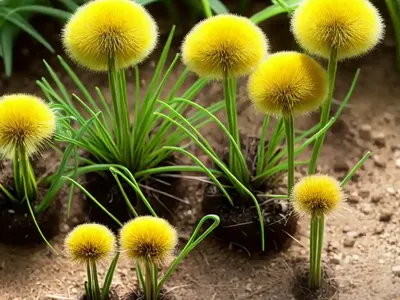
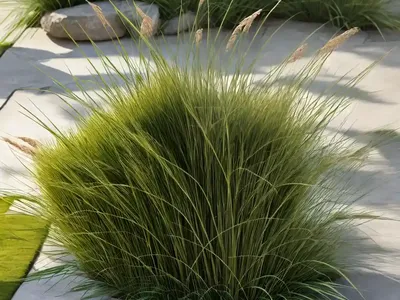
Cyperus Papyrus ‘King Tut’ (Papyrus)
Cyperus papyrus ‘King Tut’, commonly known as Papyrus, is a striking ornamental plant with a rich history and a myriad of uses. From its cultural.


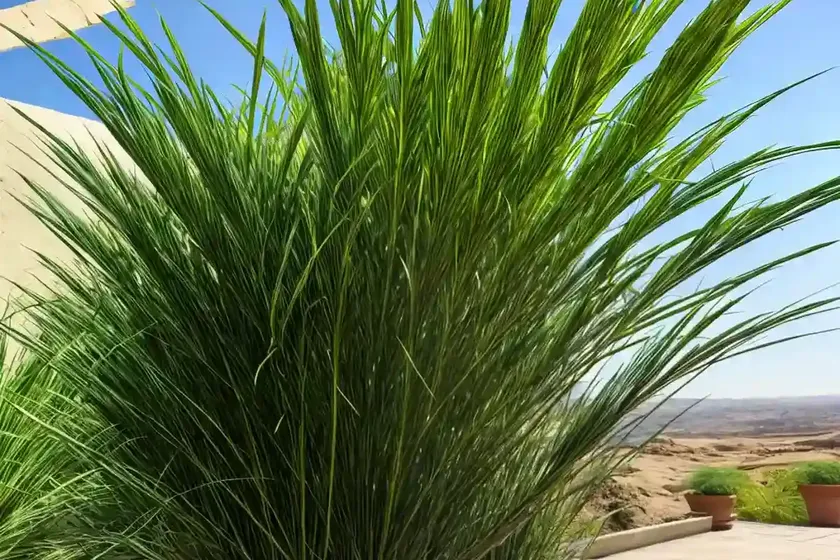
Cyperus papyrus ‘King Tut’, commonly known as Papyrus, is a striking ornamental plant with a rich history and a myriad of uses. From its cultural significance to its benefits in landscaping and indoor decor, this versatile plant has captured the attention of botany enthusiasts and gardeners alike. In this comprehensive guide, we will delve into the various facets of this remarkable plant, including its cultural uses, growth requirements, propagation methods, common diseases, and maintenance tips.
What is Cyperus Papyrus ‘King Tut’?
Cyperus papyrus ‘King Tut’ is a member of the Cyperaceae family, native to Africa and the Mediterranean region. This iconic plant is widely recognized for its historical importance, as it was used in ancient Egypt for crafting paper, boats, mats, and as a symbol of the Egyptian culture. The ‘King Tut’ cultivar is a popular ornamental variety, distinguished by its lush, cascading foliage and dramatic presence.
Key Takeaways – Cyperus papyrus ‘King Tut’ (Papyrus)
Before we dive into the intricacies of caring for the Cyperus papyrus ‘King Tut’, let’s outline the key takeaways and the main topics that we will explore in this guide.
- Plant Name: Cyperus papyrus ‘King Tut’ (Papyrus)
- Cultural Significance: The historical and cultural significance of the Papyrus plant
- Growth Requirements: Understanding the water, sunlight, fertilizer, and soil needs of the King Tut Papyrus
- Propagation and Pruning: Methods for propagation, pruning, and maintaining the King Tut Papyrus
- Common Diseases and Pests: Identifying common diseases and pests affecting the Papyrus plant
- Botanist’s Tips: Expert tips for cultivating and caring for Cyperus papyrus ‘King Tut’
- Fun Facts: Intriguing and lesser-known facts about the King Tut Papyrus
- External Resources: Links to reputable external resources for further exploration
Culture
Cultural Significance of the Papyrus Plant
The Papyrus plant holds significant cultural importance, particularly in ancient Egypt, where it was integral to the development of their civilization. The stem of the Papyrus plant was used to create the first paper-like material that allowed ancient Egyptians to record their history, write religious texts, and maintain administrative records. Moreover, the iconic image of the ‘King Tut’ papyrus has been immortalized in ancient Egyptian art and continues to be emblematic of the country’s rich heritage.
Beyond its historical roots, the Papyrus plant has transcended cultural boundaries and gained recognition as a symbol of abundance, vitality, and regenerative power. This symbolic significance has made it a popular choice for landscaping, interior design, and as a focal point in botanical gardens and ponds.
Uses
Cultural Uses of Cyperus Papyrus ‘King Tut’
The cultural uses of Cyperus Papyrus ‘King Tut’ are diverse and steeped in historical significance. Some of the prominent cultural uses include:
- Historical Significance: As mentioned earlier, the Papyrus plant played a pivotal role in ancient Egyptian culture, serving as a medium for recording history and transmitting knowledge.
- Art and Symbolism: The distinctive appearance of the ‘King Tut’ Papyrus has made it a favored subject in art, symbolizing resilience, growth, and the timeless allure of ancient civilizations.
- Botanical Gardens and Landscaping: The graceful demeanor of the Papyrus plant has made it a sought-after addition to botanical gardens, public parks, and landscape design, where it adds a touch of exotic elegance.
- Water Gardens and Ponds: Due to its affinity for aquatic habitats, the Papyrus plant is an ideal choice for ponds and water gardens, imparting a touch of natural tranquility and beauty to such settings.
Growth Requirements
Understanding the specific growth requirements of Cyperus papyrus ‘King Tut’ is essential for cultivating and maintaining this plant successfully. Let’s delve into the key factors influencing its growth, including water, sunlight, fertilizer, and soil needs.
Water
The water requirements of Cyperus papyrus ‘King Tut’ are one of the defining features of its cultivation. This plant thrives in moist to boggy conditions, making it a superb choice for ponds or water garden features. When grown in containers, it is crucial to maintain a consistent water supply to mimic its natural habitat. Soil should be consistently damp but not waterlogged to prevent root rot and ensure optimal growth.
Watering Tips
- Ensure the plant’s pot or planting bed is placed in a saucer or tray filled with water to maintain an adequate level of moisture.
- Regularly check the soil moisture and water level, especially during hot and dry periods.
- Avoid allowing the soil to dry out completely, as this can cause stress to the plant.
Sunlight
Cyperus papyrus ‘King Tut’ thrives in full sun to partial shade, making it adaptable to a range of light conditions. However, it tends to perform best when provided with ample sunlight, which encourages robust growth and vibrant foliage. For indoor cultivation, placing the plant near a bright window or under grow lights can help meet its light requirements.
Sunlight Exposure Tips
- When grown indoors, position the plant in a location that receives at least 6-8 hours of indirect sunlight per day.
- In outdoor settings, choose a spot with partial sun to full sun exposure, ensuring that the plant receives adequate light without being exposed to harsh afternoon sun.
- Regularly rotate indoor plants to ensure even light distribution and balanced growth.
Fertilizer
Fertilizing the Cyperus papyrus ‘King Tut’ plant is essential for supporting its lush foliage and overall vigor. A balanced liquid fertilizer or slow-release granular fertilizer can be used to provide the necessary nutrients for healthy growth. It is advisable to fertilize the plant during the active growing season to boost its vitality.
Fertilization Guidelines
- Use a balanced liquid fertilizer with an N-P-K ratio of 10-10-10 or a slow-release granular fertilizer applied according to the manufacturer’s instructions.
- Feed the plant every 4-6 weeks during the growing season, reducing the frequency during the dormant period.
- Avoid over-fertilization, as this can lead to excessive foliage growth at the expense of root development.
Soil
The choice of soil for Cyperus papyrus ‘King Tut’ is critical to its development and long-term health. This plant thrives in rich, loamy soils with good moisture retention capabilities. When grown in containers, a well-draining potting mix with added organic matter is recommended to create an ideal substrate for the plant’s roots.
Soil Recommendations
- Use a high-quality potting mix rich in organic matter, such as peat moss, compost, or well-rotted manure.
- Ensure the soil substrate has a pH range of 5.5 to 7.5, providing the optimal conditions for nutrient uptake and overall plant health.
- Consider adding perlite or sand to improve drainage and prevent waterlogging in container-grown plants.
Pruning
Pruning Cyperus papyrus ‘King Tut’ is an essential aspect of its maintenance, helping to control its size, shape, and overall appearance. Regular pruning also ensures the plant’s vitality and prevents the onset of overcrowding or straggly growth.
Pruning Tips
- Trim the older or yellowing foliage at the base of the plant to promote fresh growth and maintain a tidy appearance.
- Remove any damaged or diseased stems and leaves to prevent the spread of infections and maintain the plant’s overall health.
- Prune back any overgrown or excessive foliage to maintain a balanced and aesthetically pleasing silhouette.
Propagation
The propagation of Cyperus papyrus ‘King Tut’ can be achieved through various methods, allowing gardeners to expand their collection of these striking plants. From division and seed propagation to stem cuttings, each method presents unique advantages and considerations for successful propagation.
Propagation Methods
- Division: Carefully dividing the plant’s rhizomes and roots can yield new, healthy specimens that can be transplanted to different locations.
- Seed Propagation: Collecting and sowing the seeds of Cyperus papyrus ‘King Tut’ can be a rewarding way to propagate this plant, although it requires patience and attention to specific germination requirements.
- Stem Cuttings: Taking stem cuttings from healthy, established plants and rooting them in a suitable growing medium is an effective method for producing new Papyrus plants.
Container Popularity
Cyperus papyrus ‘King Tut’ has garnered significant popularity as a container plant, particularly due to its adaptability to aquatic environments and its striking visual impact. When grown in containers, this plant offers a captivating presence that can enhance indoor and outdoor spaces with its graceful, fountain-like foliage.
Container Requirements
- Choose a large, sturdy container with adequate drainage holes to prevent waterlogging and root rot.
- Use a loamy, moisture-retentive potting mix with added organic matter to provide an ideal growing medium for the Papyrus plant.
- Position the container in a location that receives ample sunlight, either indoors near a bright window or outdoors in a spot with partial sun to full sun exposure.
Common Diseases
While Cyperus papyrus ‘King Tut’ is generally resilient, it can be susceptible to certain diseases and disorders that can impact its growth and overall vigor. Understanding and identifying these common diseases is instrumental in implementing effective management strategies to maintain the plant’s health.
Disease Diagnosis
Leaf Spot
- Symptoms: Circular, dark spots on the foliage, often with yellow halos
- Cause: Fungal pathogens, often favored by excessively moist conditions
- Management: Improve air circulation, avoid overhead watering, and apply fungicidal treatments if necessary
Rust
- Symptoms: Rust-colored pustules on the undersides of leaves, leading to leaf yellowing and defoliation
- Cause: Fungal infection favored by high humidity and poor air circulation
- Management: Remove infected plant material, improve air circulation, and apply fungicidal treatments as needed
Root Rot
- Symptoms: Wilting, yellowing foliage, and a foul odor emanating from the root zone
- Cause: Excessive soil moisture leading to fungal infections and root decay
- Management: Adjust watering practices, improve soil drainage, and consider repotting in a well-draining medium
Common Pests
In addition to diseases, Cyperus papyrus ‘King Tut’ can be vulnerable to certain pests that can compromise its growth and vitality. Identifying these common pests and implementing targeted control measures is crucial for safeguarding the plant from infestations.
Pest Identification
Aphids
- Symptoms: Clusters of small, soft-bodied insects on the undersides of leaves, causing leaf distortion and honeydew secretion
- Management: Use insecticidal soap, neem oil, or a strong water spray to dislodge and control aphid populations
Spider Mites
- Symptoms: Fine webbing on the foliage, stippling or discoloration of leaves, and reduced plant vigor
- Management: Increase humidity, use insecticidal soap, neem oil, or horticultural oil to control spider mite infestations
Scale Insects
- Symptoms: Small, raised, waxy or armored scales on stems and leaves, leading to stunted growth and yellowing foliage
- Management: Use horticultural oil, neem oil, or rubbing alcohol to target and eliminate scale insects from the plant
Botanist’s Tips
Cultivating Cyperus papyrus ‘King Tut’ – Expert Advice
- Ample Moisture: Ensure consistent moisture levels for the Papyrus plant, especially when grown in containers or aquatic environments. Increase water frequency during hot weather to prevent dehydration.
- Pruning and Maintenance: Regular pruning and maintenance are essential for managing the plant’s growth and preventing overcrowding. Removing spent foliage promotes fresh growth and vigor.
- Protect from Frost: If grown in regions with frost or freezing temperatures, provide appropriate protection or consider overwintering the plant indoors to prevent cold damage.
Fun Facts
- The Cyperus papyrus ‘King Tut’ is named after the Egyptian pharaoh Tutankhamun, reflecting its historical ties to ancient Egypt and the Hellenistic period.
- The pith of the Papyrus plant was historically used to create one of the earliest forms of paper, with the plant’s significance in the development of written language and civilization.
- The striking appearance of the ‘King Tut’ Papyrus has made it a favored subject in art and depictions of ancient Egyptian landscapes, reflecting its enduring cultural appeal.
Links to External Resources
To further enrich your understanding and explore additional insights into the Cyperus papyrus ‘King Tut’ (Papyrus) and related topics, consider referring to the following external resources:
- Royal Horticultural Society – Cyperus papyrus ‘King Tut’ Plant Profile
- University of Florida IFAS Extension – Growing Papyrus Indoors
- Missouri Botanical Garden – Cyperus papyrus ‘King Tut’ Overview
- The American Phytopathological Society – Common Fungal Diseases of Ornamental Plants
By tapping into these resources, you can broaden your knowledge, gain practical insights, and foster a deeper appreciation for the captivating world of the Cyperus papyrus ‘King Tut’ and its diverse botanical realm.
As an iconic representative of history, culture, and botanical allure, Cyperus papyrus ‘King Tut’ (Papyrus) stands as a testament to the enduring fascination and continued relevance of plants in our lives. Whether adorning water gardens, bringing life to an indoor space, or serving as a tangible link to ancient civilizations, the ‘King Tut’ Papyrus embodies the intrinsic appeal and boundless possibilities of the botanical realm.