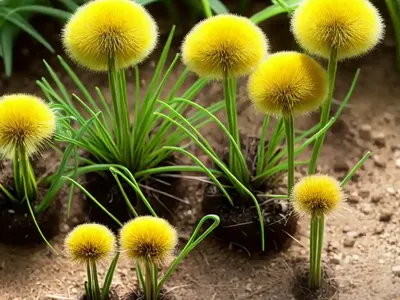
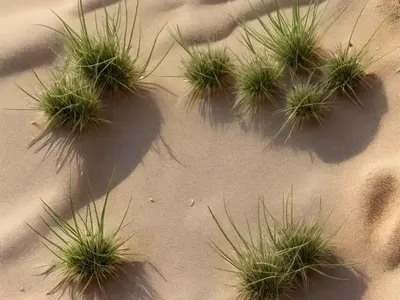
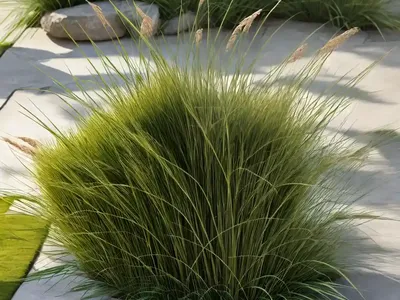
Cyperus Involucratus (Umbrella Plant)
Cyperus involucratus, commonly known as the Umbrella Plant, is a striking and versatile perennial that thrives in a variety of environments. As a plant.
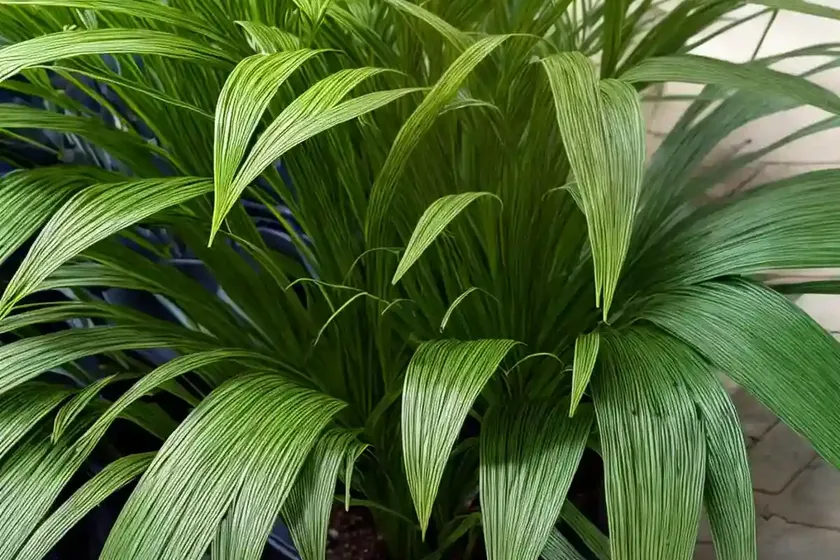
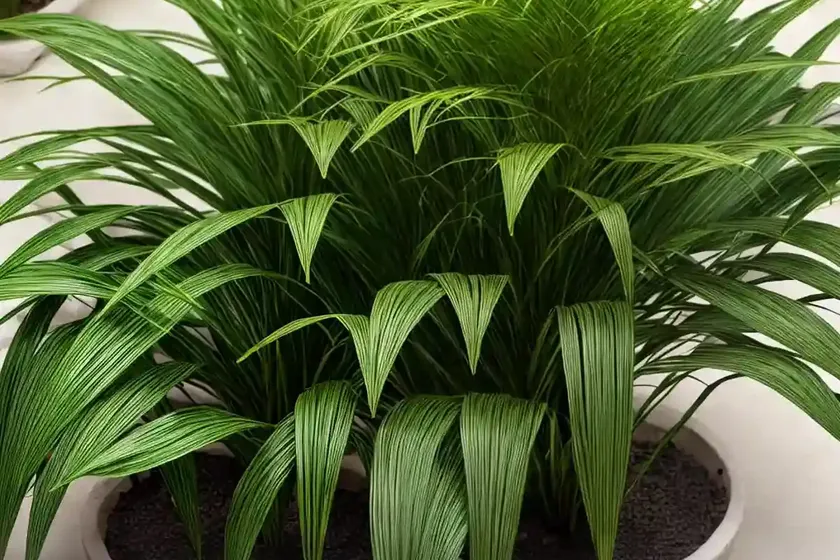
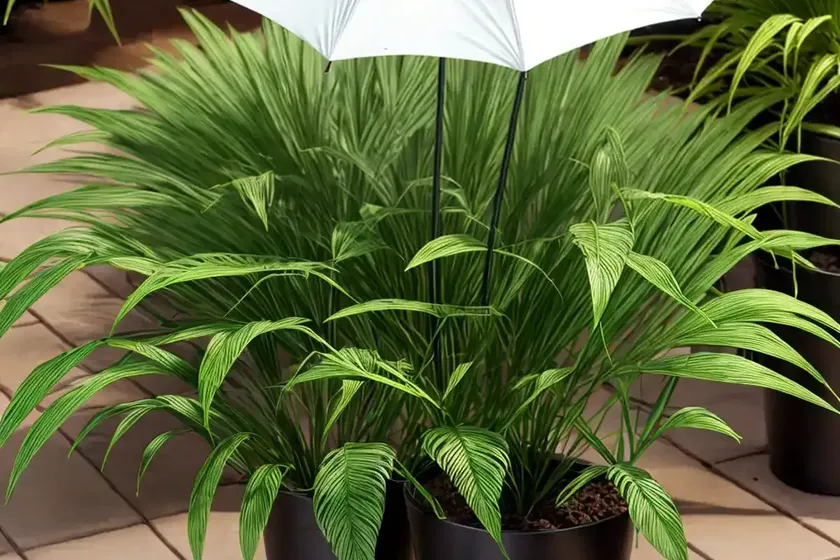
Cyperus involucratus, commonly known as the Umbrella Plant, is a striking and versatile perennial that thrives in a variety of environments. As a plant scientist, I am excited to provide a comprehensive guide to the care, cultivation, and common uses of this unique plant.
What is Cyperus involucratus (Umbrella Plant)?
Cyperus involucratus is a species of sedge in the family Cyperaceae. It is native to Madagascar and other regions of tropical Africa. The plant is characterized by its distinct umbrella-like arrangement of leaves, which gives it the common name “Umbrella Plant.”
The plant typically grows in clumps with stems that can reach heights of 3 to 6 feet (0.9 to 1.8 meters). The long, slender leaves radiate from the top of the stems, creating a visually striking and tropical appearance.
Key Takeaways – Cyperus involucratus (Umbrella Plant)
Culture
Umbrella Plants are popular for their ornamental value and are often cultivated as houseplants, pondside accents, or in landscape borders. The plant’s graceful foliage and adaptability to various growing conditions make it an attractive choice for both indoor and outdoor settings.
Uses
The Umbrella Plant has a wide range of uses, including:
- Ornamental houseplant
- Pondside accent or water garden plant
- Landscape border or specimen plant
- Green or living wall component
- Container plant for patios or balconies
Now, let’s delve into the essential care requirements for thriving Umbrella Plants.
Umbrella Plant Care
Umbrella Plants are relatively low-maintenance, making them suitable for both novice and experienced gardeners. Proper care and attention are essential for ensuring the health and vitality of these plants. The following sections outline the specific care requirements for Cyperus involucratus, including water, sunlight, fertilizer, soil, pruning, and propagation.
Water
Proper watering is crucial for the health of Umbrella Plants. Here are some key tips for watering these plants effectively:
- Regular Watering: Ensure that the soil remains consistently moist, but not waterlogged. Avoid allowing the soil to dry out completely between waterings, as this can lead to stress and wilting.
- Pondside Planting: If growing in a pond or water garden, ensure that the plant’s root system is submerged in water to a depth of a few inches. This helps maintain the plant’s lush appearance.
Sunlight
Umbrella Plants thrive in bright, indirect light. When grown indoors, place the plant near a window where it can receive ample sunlight without being subjected to direct, intense rays. Outdoor plants benefit from partial sun to partial shade, especially in warmer climates where excessive sun exposure can lead to leaf burn.
Fertilizer
To promote healthy growth and vibrant foliage, feed Umbrella Plants with a balanced liquid fertilizer every 4-6 weeks during the growing season. Select a fertilizer that is specifically formulated for indoor or outdoor plants, depending on the plant’s growing environment.
Soil
Umbrella Plants prefer moist, well-draining soil with a slightly acidic to neutral pH. A high-quality potting mix that retains moisture without becoming waterlogged is ideal for container-grown plants. When planting in the ground, amend the soil with organic matter to improve its texture and water retention capabilities.
Pruning
Regular pruning helps to maintain the attractive appearance of Umbrella Plants and prevents overcrowding. Remove any yellowing or damaged leaves as needed, and trim back overgrown foliage to promote healthy growth patterns.
Propagation
Umbrella Plants can be propagated through division or by taking stem cuttings. Propagation through division involves separating the plant’s rhizomes to create new plants, while stem cuttings can be rooted in water or a suitable growing medium to establish new plants.
Popularity
Umbrella Plants have gained popularity as ornamental houseplants and garden accents due to their striking appearance and ease of care. The plant’s unique growth habit and ability to thrive in diverse settings have contributed to its widespread appeal among gardeners and homeowners.
Container
Umbrella Plants are well-suited for container gardening, making them an excellent choice for adding greenery to indoor and outdoor spaces. When grown in containers, these plants can be easily moved to different locations to suit changing aesthetic preferences or growing conditions.
Common Diseases
While Umbrella Plants are relatively resilient, they may be susceptible to certain diseases under unfavorable growing conditions. The following section highlights common diseases that can affect Cyperus involucratus and methods for diagnosis and treatment.
Disease Diagnosis
Common diseases that can affect Umbrella Plants include:
- Root Rot: Caused by overwatering or poorly draining soil, leading to root suffocation and decay.
- Leaf Spot: Fungal infection characterized by dark spots or lesions on the plant’s foliage.
- Powdery Mildew: Fungal disease that appears as a powdery white coating on the leaves.
Common Pests
Umbrella Plants may also be vulnerable to attack by various pests, including:
- Aphids: Small, sap-sucking insects that can cause deformation of new growth and the presence of sticky honeydew.
- Spider Mites: Tiny pests that feed on the plant’s foliage, causing stippling and webbing on the leaves.
Botanist’s Tips
To maintain the health and vigor of Umbrella Plants, consider the following botanist’s tips:
- Inspect the Plant Regularly: Monitor the plant for signs of disease or pest infestation, and take prompt action to address any issues.
- Maintain Optimal Growing Conditions: Provide the plant with the right balance of water, sunlight, and nutrients to support its overall health and resilience.
Fun Facts
Here are some intriguing and little-known facts about Cyperus involucratus:
- Traditional Uses: In some cultures, the rhizomes of Umbrella Plants have been used in traditional medicine for their purported medicinal properties.
- Pond Stabilization: The fibrous root system of the plant makes it an excellent choice for stabilizing the soil in pond margins and water garden settings.
- Aesthetic Appeal: Umbrella Plants are often used in landscaping to create a tropical ambiance and to add vertical interest to garden beds and borders.
Now that we have covered the essential care and cultivation aspects of Umbrella Plants, it’s essential to provide links to external resources for further reading and information.
Links to External Resources
The provided external resources offer additional insights into the care, cultivation, and uses of Umbrella Plants, serving as valuable references for plant enthusiasts and gardeners.
In conclusion, Cyperus involucratus (Umbrella Plant) is a captivating and versatile plant that offers a myriad of decorative and landscape possibilities. By understanding its specific care requirements and potential uses, plant enthusiasts can effectively incorporate this plant into their indoor and outdoor spaces, adding a touch of tropical elegance to their surroundings.
Remember, successful plant care is a journey of ongoing learning and observation. Embrace the opportunity to nurture and admire the beauty of Umbrella Plants, and you will be rewarded with lush foliage and an enduring connection to the natural world.
As a plant scientist, I am continuously fascinated by the diverse and intricate characteristics of plant species. If you have any questions or would like to share your experiences with growing Umbrella Plants, feel free to reach out. Happy gardening!