Cyperus Involucratus ‘Baby Tut’ (Umbrella Plant)
In the world of gardening and indoor plant décor, the Cyperus involucratus ‘Baby Tut’ (commonly known as the Umbrella Plant) stands out as a striking and.
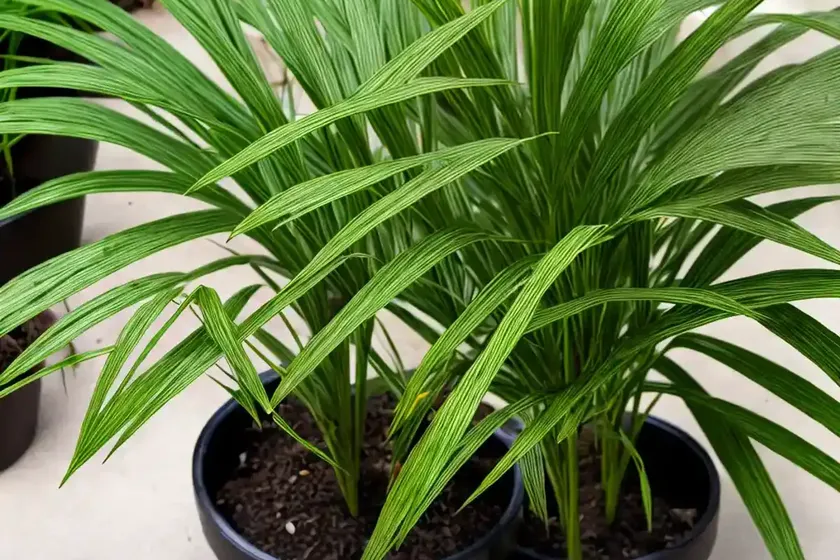
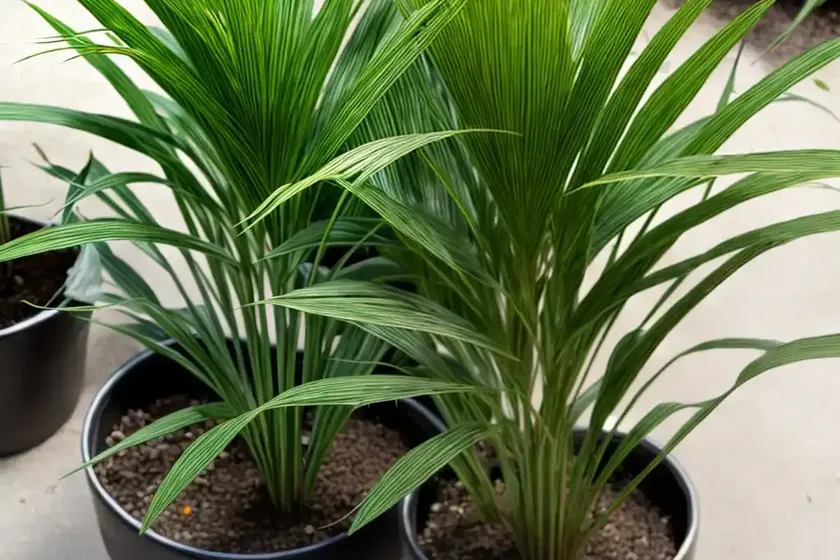
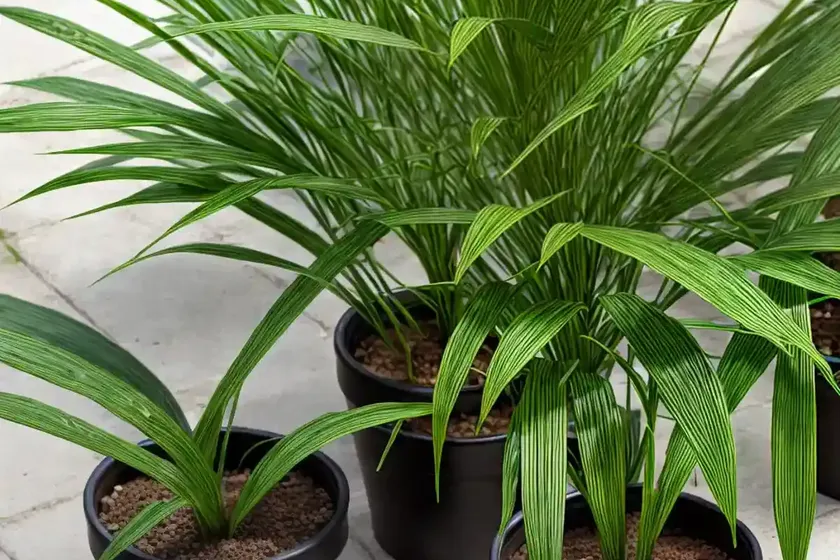
In the world of gardening and indoor plant décor, the Cyperus involucratus ‘Baby Tut’ (commonly known as the Umbrella Plant) stands out as a striking and elegant choice. Its graceful, cascading foliage and low-maintenance nature make it a popular choice for both indoor and outdoor settings.
In this comprehensive guide, we will explore the various aspects of caring for Cyperus involucratus ‘Baby Tut’ and delve into its culture, uses, maintenance requirements, potential issues, and much more. Whether you are a seasoned plant enthusiast or a beginner looking to incorporate more greenery into your surroundings, this article aims to equip you with the knowledge to successfully nurture and enjoy this beautiful plant.
Key Takeaways – Cyperus Involucratus ‘Baby Tut’ (Umbrella Plant)
Before we delve into the specifics, let’s briefly outline the key takeaways of Cyperus involucratus ‘Baby Tut’ care and maintenance:
-
Cyperus Involucratus Baby Tut Care: This plant requires consistent watering, medium to bright indirect sunlight, and well-draining soil to thrive. It is adaptable to a range of indoor environments and offers a unique aesthetic appeal with its umbrella-like foliage.
-
Umbrella Plant Varieties: Varieties of the Cyperus involucratus exist, with ‘Baby Tut’ being a popular dwarf cultivar known for its compact size and delicate appearance.
-
How to Propagate Cyperus Involucratus ‘Baby Tut’: Propagation can be achieved through division or by harvesting and planting its seeds.
-
Growing Umbrella Plants Indoors: These plants are well-suited for indoor growth and can be displayed in various settings, from living rooms to office spaces.
-
Cyperus Involucratus ‘Baby Tut’ Watering Tips: Consistent moisture is essential for this plant, and its watering frequency can vary based on factors like humidity and temperature.
-
Umbrella Plant Light Requirements: Medium to bright indirect light is ideal for Cyperus involucratus ‘Baby Tut’ to ensure healthy growth and vibrant foliage.
-
Best Soil for Cyperus Involucratus ‘Baby Tut’: Well-draining, slightly acidic soil with organic matter is recommended for optimal growth.
-
Umbrella Plant for Beginners: This plant is relatively low-maintenance and can be a great choice for individuals new to indoor gardening.
-
Cyperus Involucratus ‘Baby Tut’ Pruning Guide: Occasional trimming of dead or yellowing leaves can help maintain the plant’s appearance and health.
-
Umbrella Plant Pests and Diseases: Common pests include spider mites and aphids, while overwatering can lead to root rot and other fungal issues.
-
Ideal Temperature for Cyperus Involucratus ‘Baby Tut’: This plant thrives in temperatures ranging from 65°F to 80°F (18°C to 27°C) and should be protected from cold drafts.
These key takeaways provide an initial overview of the Cyperus involucratus ‘Baby Tut’ and will serve as a foundation for the detailed insights we will explore in the following sections.
What is Plant: Cyperus Involucratus ‘Baby Tut’ (Umbrella Plant)
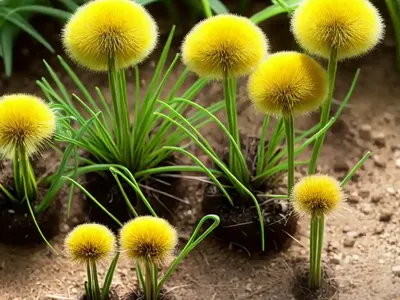
The Cyperus involucratus ‘Baby Tut’ is a captivating perennial plant that belongs to the sedge family, Cyperaceae. It is native to Madagascar and Southern Africa, where it thrives in marshy and wetland environments. With its trademark umbrella-like appearance, the plant effectively mimics the overlapping layers of an open umbrella, hence its common name, Umbrella Plant.
Plant Characteristics
-
Foliage: The characteristic umbrella-like foliage of Cyperus involucratus ‘Baby Tut’ consists of slender, green stems that form a lush, cascading canopy. These stems are adorned with small, grass-like leaves, creating a captivating display of greenery.
-
Size: The ‘Baby Tut’ cultivar is a diminutive variety of the species, featuring compact growth that makes it particularly well-suited for indoor cultivation. It typically reaches a height of 18 to 24 inches (45 to 60 cm) with a similar spread, allowing it to thrive in smaller containers and limited spaces.
-
Habitat: In its natural habitat, the Cyperus involucratus species flourishes in moist, marshy soils alongside rivers, ponds, and other water bodies. This preference for water-logged environments is a crucial aspect of its care when cultivated as a houseplant.
-
Flowering: While the ‘Baby Tut’ cultivar is not primarily grown for its flowers, it may occasionally produce small, inconspicuous blooms at the tips of its stems. These flowers are typically small and brownish in hue, complementing the plant’s overall appearance.
With its unique form and graceful demeanor, the Cyperus involucratus ‘Baby Tut’ adds a touch of elegance to any indoor space. Its adaptability to a variety of conditions and relatively modest care requirements make it an attractive choice for both experienced and novice plant enthusiasts.
Culture
The cultural requirements of Cyperus involucratus ‘Baby Tut’ encompass various aspects, ranging from its preferred environmental conditions to its growth habits and maintenance needs. Understanding the plant’s cultural preferences is essential for creating an environment that promotes its health and vitality.
Uses
The Cyperus involucratus ‘Baby Tut’ possesses versatile uses that make it a valuable addition to indoor and outdoor settings:
-
Ornamental Plant: As an ornamental plant, its distinctive foliage and graceful growth habit make it a favored choice for adding visual interest to gardens, patios, and indoor spaces.
-
Water Gardens: In water garden settings, the Cyperus involucratus species, including the ‘Baby Tut’ cultivar, thrives when partially submerged in water, making it an attractive option for pond margins and boggy areas.
-
Indoor Décor: Due to its compact size and aesthetic appeal, the ‘Baby Tut’ cultivar is frequently used to adorn living spaces, adding a touch of greenery without requiring excessive space or maintenance.
-
Focal Point: Whether utilized as a stand-alone feature or arranged alongside other plants, the Umbrella Plant can serve as a striking focal point, drawing attention with its captivating foliage.
These diverse uses underscore the plant’s versatility and aesthetic contributions, making it a valuable asset in various gardening and design contexts.
Water
Watering Frequency: Consistent moisture is crucial for the Cyperus involucratus ‘Baby Tut’ due to its preference for moist conditions. As a guideline, the plant should be watered whenever the top inch of the soil feels dry to the touch. However, it is important to avoid waterlogging, as excessive moisture can lead to root rot and other issues.
Water Quality: The plant benefits from the use of filtered or distilled water to prevent the accumulation of harmful salts or chemicals that may hinder its growth. When watering, the soil should be thoroughly moistened, allowing any excess water to drain away freely.
Humidity: Adequate humidity levels, especially for indoor cultivation, can contribute to the plant’s well-being. To enhance humidity, misting the plant or placing it near a humidifier can be beneficial, particularly in drier environments.
Sunlight
Light Requirements: Medium to bright indirect light is ideal for Cyperus involucratus ‘Baby Tut’ to ensure robust growth and vibrant foliage. While it can tolerate lower light conditions, insufficient light may result in leggy growth and a less lush appearance.
Indoor Placement: When growing indoors, positioning the plant near a window where it can receive adequate light without direct sun exposure is recommended. Rotating the plant periodically promotes even growth and prevents foliage from leaning towards one side.
Outdoor Considerations: For outdoor cultivation, the plant thrives in partial shade or locations that offer dappled sunlight, protecting it from the intense midday sun in warmer climates.
Fertilizer
Feeding Schedule: During the active growing season, which generally spans from spring to early fall, the Cyperus involucratus ‘Baby Tut’ benefits from regular fertilization to support its growth and encourage lush foliage. Applying a balanced, water-soluble fertilizer at half strength every two to four weeks can provide the necessary nutrients.
Winter Care: While the plant’s growth may slow during the winter months, it is advisable to reduce the frequency of fertilization or withhold it entirely during this period. This allows the plant to enter a more dormant phase, conserving its energy for the upcoming growing season.
Fertilizer Composition: A balanced, all-purpose fertilizer with equal proportions of nitrogen, phosphorus, and potassium, such as a 10-10-10 formula, can support the plant’s overall health and vigor.
Soil
Soil Type: Well-draining soil is essential for Cyperus involucratus ‘Baby Tut,‘ allowing excess moisture to escape and preventing waterlogged conditions that can jeopardize the plant’s well-being. A recommended soil mix consists of a combination of peat moss, perlite, and loam, creating a balanced medium that retains moisture without becoming overly compact.
Acidity: Slightly acidic soil with a pH range between 6.0 and 6.5 provides an optimal growing environment for the plant, enabling it to access essential nutrients while maintaining a suitable pH balance.
Container Drainage: When cultivating the plant in containers, ensuring adequate drainage is imperative to prevent water from accumulating at the base of the container and potentially causing root rot. Adding drainage holes to containers that lack them and using a layer of gravel or broken pottery at the bottom can facilitate proper drainage.
Pruning
Pruning Needs: Periodic pruning is beneficial for maintaining the plant’s appearance and health. Removing any yellowing or damaged foliage not only enhances the plant’s overall aesthetics but also prevents potential issues from spreading.
Sterilization: Using clean, sharp pruners or scissors when pruning is essential to prevent the spread of diseases or pests. After each use, the tools should be sanitized with rubbing alcohol or a similar disinfectant to ensure they are free of contaminants.
Propagation
Propagation Methods: Cyperus involucratus ‘Baby Tut’ can be propagated through division or by collecting and planting its seeds.
-
Division: When dividing the plant, existing clumps can be carefully separated, ensuring that each division retains a portion of the root system and healthy shoots. These divisions can then be transplanted into individual containers or suitable garden locations.
-
Seed Propagation: Harvesting seeds from mature flower clusters and sowing them in a well-prepared seed-starting mix offers an alternative method for propagating the plant. Providing consistent moisture and warmth during the germination process supports successful seed propagation.
Growth Medium: A well-draining, nutrient-rich growth medium is advisable when propagating Cyperus involucratus ‘Baby Tut. A mixture of peat moss and perlite provides suitable conditions for new divisions or seedlings to establish themselves.
Container Popularity
The compact size and elegant aesthetics of the ‘Baby Tut’ cultivar contribute to its popularity as a container plant. Whether grown in homes, offices, or outdoor spaces, the plant’s ability to thrive in containers makes it an adaptable and versatile choice for various environments.
Indoor Containers: Choosing decorative pots or containers that complement the plant’s foliage and suit the interior décor can enhance the overall visual impact. Additionally, containers with adequate drainage and sufficient room for the plant’s root system are key considerations.
Outdoor Containers: When cultivating Cyperus involucratus ‘Baby Tut’ outdoors, selecting weather-resistant containers that withstand outdoor conditions while providing proper drainage is essential. The plant can be showcased in patio arrangements, balcony gardens, or positioned alongside other outdoor plants to create captivating displays.
Common Diseases
Cyperus involucratus ‘Baby Tut’ is generally robust and resistant to most diseases under optimal care conditions. However, certain stress factors, such as overwatering or inadequate lighting, can render the plant more susceptible to potential issues. Familiarizing yourself with common diseases and their management approaches is valuable for safeguarding the plant’s health.
Disease Diagnosis
-
Root Rot: Overwatering or waterlogged soil can lead to root rot in Cyperus involucratus ‘Baby Tut. Symptoms include wilting, yellowing foliage, and a foul odor emanating from the soil. To address root rot, the plant should be removed from the affected soil, the roots inspected and pruned as needed, and then replanted in fresh, well-draining soil.
-
Fungal Diseases: Excessive humidity or poor air circulation can contribute to fungal issues, such as powdery mildew or leaf spot. These conditions manifest as powdery white growth or dark spots on the foliage. Addressing fungal diseases may involve improving air circulation, reducing humidity, and applying appropriate fungicidal treatments.
-
Insect Infestation: While not a disease, insect infestations can negatively impact the plant’s health. Common pests such as spider mites and aphids can colonize the plant, causing damage to its foliage and overall vigor. Prompt intervention with insecticidal treatments or natural remedies can effectively control infestations.
Preventive Measures: Implementing preventive measures, such as maintaining proper watering and humidity levels, providing adequate ventilation, and regularly inspecting the plant for signs of stress, can proactively mitigate potential disease occurrences.
Common Pests
Various pests can pose a threat to the well-being of Cyperus involucratus ‘Baby Tut’ if left unchecked. Understanding the signs of pest infestations and adopting appropriate control measures are instrumental in preserving the plant’s vitality.
Common Pests
-
Spider Mites: These minuscule pests can infest the plant’s foliage, causing stippling, webbing, and eventually leaf drop if left unaddressed. Spider mites thrive in dry, dusty conditions and can be deterred through increased humidity and targeted insecticidal treatments.
-
Aphids: Aphids may colonize the tender shoots and undersides of the leaves, feeding on the plant’s sap and secreting honeydew. Control measures for aphids include applying insecticidal soap, physically dislodging them with a stream of water, or introducing natural predators, such as ladybugs, to the environment.
-
Scale Insects: Scale insects often appear as small, raised bumps on the plant’s stems and leaves, where they feed on sap. Over time, these pests can weaken the plant and lead to stunted growth. Managing scale insects involves scraping them off the plant and employing insecticidal oils or soaps as part of an integrated pest management approach.
Pest Control
Integrated Pest Management (IPM): Utilizing a combination of cultural, mechanical, and biological control methods forms the foundation of an effective pest management strategy for Cyperus involucratus ‘Baby Tut’. This approach emphasizes the use of natural predators, beneficial organisms, and targeted treatments to minimize the reliance on chemical pesticides.
Avoiding Overcrowding: Regularly inspecting the plant and neighboring flora to detect potential pest issues and maintaining appropriate spacing between plants to reduce pest pressure are preventative steps that can help mitigate infestations.
Organic Remedies: Implementing organic pest control remedies, such as neem oil, insecticidal soap, or horticultural oils, offers environmentally friendly options for managing pest populations without compromising the plant’s well-being.
Botanist’s Tips
Incorporating the insights and tips of botanists and experienced gardeners can significantly enhance the successful cultivation of Cyperus involucratus ‘Baby Tut’. By drawing on their expertise, individuals can gain valuable recommendations and strategies for supporting the plant’s growth and long-term health.
Guidance from Botanists
-
Consistent Moisture: Strive to maintain consistent, moderate moisture levels for the plant, ensuring that the soil does not become saturated while preventing it from drying out excessively between waterings.
-
Humidity Management: Crating higher levels of humidity in indoor environments, particularly during drier seasons, can promote the plant’s well-being and prevent issues related to inadequate moisture.
-
Lighting Optimization: Position the plant in a location that receives sufficient but indirect light, adjusting its placement as needed to accommodate seasonal variations in light intensity and duration.
-
Quality Potting Mix: Utilize high-quality, well-draining potting mixes that promote root health and enable the plant to access essential nutrients while preventing waterlogged conditions.
-
Temperature Considerations: Shield the plant from temperature extremes and drafts, ensuring an environment that remains within the optimal temperature range for its growth.
-
Adequate Nutrition: Regularly fertilize the plant during the active growing season with a balanced fertilizer to support strong, healthy growth and vibrant foliage.
Implementing these botanist-endorsed tips can significantly contribute to the success of cultivating Cyperus involucratus ‘Baby Tut’, supporting its vitality and ornamental value.
Fun Facts
Uncovering interesting and lesser-known facts about the Cyperus involucratus ‘Baby Tut’ adds a layer of fascination to its appeal, creating a deeper appreciation for this captivating plant.
Fascinating Tidbits
-
Architectural Aesthetics: The visually striking appearance of the plant’s umbrella-like foliage has drawn comparisons to architectural elements, making it a favored choice for enhancing interior and exterior design concepts.
-
Ancient Symbolism: In various cultures, umbrellas have symbolized protection, sanctity, and regal authority. The umbrella-like appearance of Cyperus involucratus ‘Baby Tut’ adds a symbolic layer to its ornamental significance.
-
Restorative Environment: The presence of the plant in indoor settings has been linked to stress reduction and enhanced well-being, contributing to the creation of serene and inviting spaces.
-
Adaptability: The Cyperus involucratus species, including the ‘Baby Tut’ cultivar, demonstrates a remarkable adaptability to diverse conditions, allowing it to thrive in a range of environments.
Exploring these captivating tidbits unravels the allure of the Cyperus involucratus ‘Baby Tut’ and deepens our understanding of its significance beyond its ornamental beauty.
Links to External Resources
For further exploration and in-depth information on Cyperus involucratus ‘Baby Tut’ care, maintenance, and related topics, the following external resources offer valuable insights:
- Royal Horticultural Society: Growing Cyperus involucratus
- University of Florida Gardening Solutions: Umbrella Plant Care
- The Spruce: How to Grow Umbrella Plant
- Gardeners’ World: Cyperus involucratus ‘Baby Tut’ Information
These reputable sources