Cyperus Haspan (Dwarf Papyrus)
Introduction
Introduction
Plants play a crucial role in our lives, providing us with food, oxygen, and adding beauty to our surroundings. Cyperus haspan, also known as Dwarf Papyrus, is a fascinating plant that has captured the attention of plant enthusiasts and nature lovers alike. In this comprehensive guide, we will dive into the world of Cyperus haspan, exploring its characteristics, care requirements, cultural uses, and the numerous benefits it offers. Whether you are a seasoned gardener or just starting your journey with plants, this guide will equip you with the knowledge to nurture and appreciate the captivating Dwarf Papyrus.
What is Cyperus haspan (Dwarf Papyrus)?
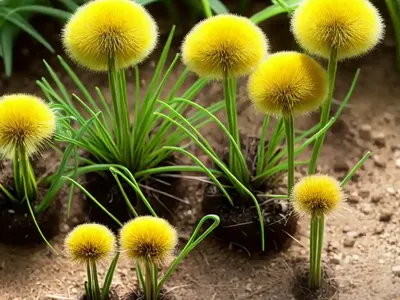
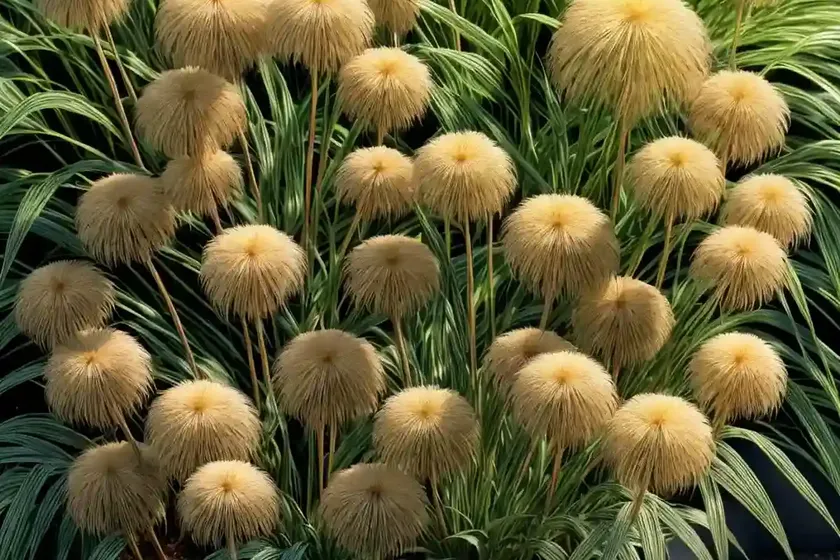
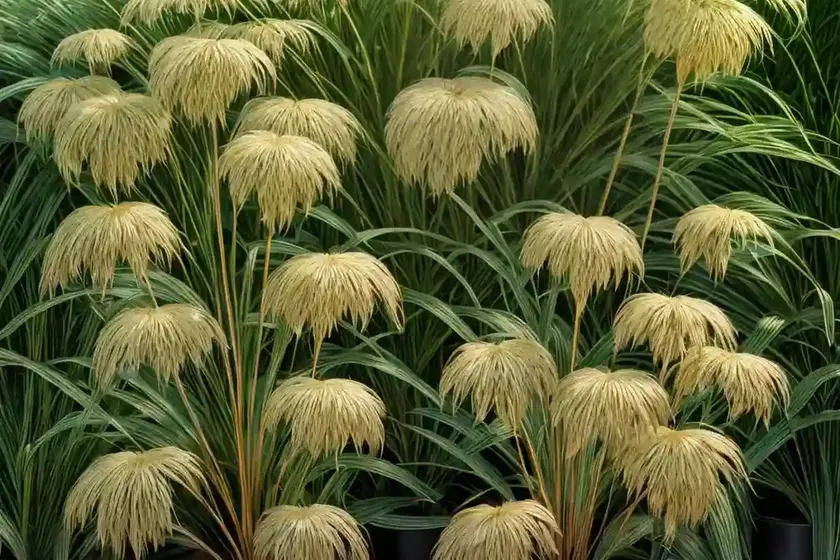
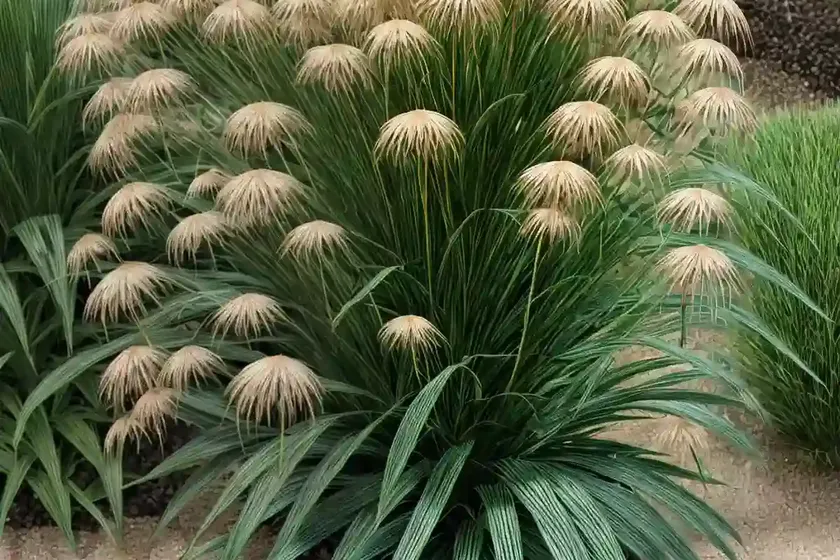
Cyperus haspan, commonly referred to as Dwarf Papyrus, is a plant species that belongs to the Cyperaceae family. Originating from wetland areas in Africa, this striking plant boasts slender, grass-like stems adorned with umbrella-shaped clusters of tiny green flowers, lending an exotic and tropical appeal to any setting. The unique appearance of Cyperus haspan makes it a popular choice for adding a touch of elegance to indoor and outdoor spaces.
Key Takeaways – Cyperus haspan (Dwarf Papyrus)
Before delving into the specifics of caring for Cyperus haspan, let’s take a quick look at the key takeaways associated with this captivating plant:
- Plant Name: Cyperus haspan (Dwarf Papyrus)
- Care Level: Low-maintenance, making it suitable for beginners
- Watering Requirements: Regular watering to maintain moist soil
- Sunlight Needs: Partial to full sun exposure for optimal growth
- Soil Type: Well-draining, rich soil or aquatic planting medium for water cultivation
- Uses: Indoor and outdoor decoration, pond and water feature ornamentation
- Popularity: Increasing popularity among plant enthusiasts and interior decorators
- Common Diseases: Root rot, bacterial leaf spot
- Common Pests: Aphids, spider mites
Now, let’s explore each of these aspects in detail to gain a comprehensive understanding of caring for and enjoying the beauty of Cyperus haspan.
Culture
Water
Watering is an essential aspect of caring for Cyperus haspan. Being a plant species that thrives in wetland environments, sufficient water is critical to its well-being. When growing Dwarf Papyrus in soil, it is important to keep the soil consistently moist, but not waterlogged. Additionally, if cultivating Cyperus haspan in water or a pond, ensure that the water level is maintained at a sufficient height to keep the roots submerged.
Sunlight
In terms of sunlight requirements, Cyperus haspan thrives in locations with partial to full sun exposure. When grown indoors, placing the plant near a sunlit window or in a spot that receives adequate natural light is ideal. If grown outdoors, selecting a location that offers a few hours of direct sunlight balanced with partial shade will promote healthy growth and vibrant foliage.
Fertilizer
Cyperus haspan generally does not have high fertilizer requirements, especially when cultivated in water. However, if the plant is grown in soil, a balanced, liquid fertilizer formulated for aquatic plants can be applied during the growing season. It is important to follow the manufacturer’s instructions regarding the frequency and dosage of fertilizer application to avoid over-fertilization, which can harm the plant.
Soil
When cultivating Cyperus haspan in soil, it is essential to provide well-draining and nutrient-rich soil. A mix of potting soil and sand can be used to create an ideal growing medium. Alternatively, for water cultivation, an aquatic planting medium or a mixture of topsoil and sand can be used. It is crucial to ensure that the soil or planting medium does not become compacted, as this can impede water and nutrient absorption.
Pruning
Pruning is a simple yet effective practice for maintaining the aesthetic appeal of Cyperus haspan. Regularly removing any yellowing or withered leaves will not only enhance the plant’s appearance but also promote new growth. Additionally, trimming the stems to the desired length can help shape the plant and prevent it from becoming overgrown, especially in indoor settings.
Propagation
Cyperus haspan can be propagated through division or from seeds. When propagating via division, carefully separate the root ball into sections, ensuring that each division possesses a viable portion of the root system and healthy growth points. Plant the divisions in suitable growing mediums, and keep them adequately moist to facilitate root establishment. If propagating from seeds, sow the seeds in a well-draining medium and provide consistent moisture and warmth to encourage germination.
Container Popularity
The appeal of growing Cyperus haspan in containers has been steadily increasing, particularly among individuals seeking to incorporate a touch of greenery into indoor spaces or create visually captivating aquatic displays. The graceful appearance of Dwarf Papyrus, combined with its adaptability to container culture, makes it a sought-after choice for both novice and experienced plant enthusiasts.
Common Diseases
Dwarf Papyrus, like many plant species, is susceptible to certain diseases, with root rot and bacterial leaf spot being among the most common. Excessive soil moisture and poor drainage can contribute to the development of root rot, causing the roots to decay and eventually leading to wilting and decline of the plant. Bacterial leaf spot, characterized by dark lesions on the foliage, can be managed by providing adequate air circulation and avoiding overhead watering, which can spread the bacteria.
Disease Diagnosis
Early detection and swift intervention are essential in managing diseases affecting Cyperus haspan. Regularly inspect the plant for any signs of discoloration, wilting, or unusual spots on the leaves. Should any disease symptoms be observed, it is crucial to take immediate action to prevent the spread of the infection and salvage the health of the plant. Utilizing disease-resistant cultivars and maintaining optimal growing conditions can also serve as preventive measures against common plant diseases.
Common Pests
Pests such as aphids and spider mites can affect Cyperus haspan, posing a threat to its vitality and visual appeal. These pests can often be managed through non-toxic approaches such as spraying the plant with a strong stream of water to dislodge the pests, or using insecticidal soap to effectively control their populations.
Botanist’s Tips
To ensure the successful cultivation of Cyperus haspan, consider the following botanist’s tips:
- Humidity Management: Maintain adequate humidity levels, especially when growing Dwarf Papyrus indoors. Placing a tray of water or using a humidifier can help elevate the humidity in the surrounding environment.
- Temperature Considerations: While Cyperus haspan can tolerate a range of temperatures, it is essential to protect the plant from extreme cold or heat, which can negatively impact its growth and health.
- Selection of Containers: When choosing containers for cultivating Dwarf Papyrus, opt for those with adequate drainage holes to prevent waterlogging, particularly when growing the plant in soil.
- Regular Monitoring: Keep a close eye on the plant for any signs of stress, disease, or pest infestations. Prompt intervention can make a significant difference in maintaining the plant’s well-being.
- Pruning for Vigor: Prune the plant regularly to remove dead or damaged foliage and promote vigorous growth. Additionally, trimming back overgrown stems can maintain the plant’s compact and elegant appearance.
Fun Facts
- Cyperus haspan has historical significance, with its use dating back to ancient times for various cultural and practical purposes.
- The captivating appearance of Dwarf Papyrus makes it a favored choice for creating tropical and serene atmospheres in gardens, landscapes, and interior spaces.
- In addition to its aesthetic appeal, Cyperus haspan also contributes to the purification of air, making it a valuable addition to indoor environments.
Links to External Resources
For further information and resources on Cyperus haspan, explore the following links:
- Cyperus haspan Plant Care Guide
- Growing Dwarf Papyrus: Tips and Techniques
- Enhancing Your Space with Cyperus haspan
- The Art of Container Gardening with Dwarf Papyrus
Cyperus haspan (Dwarf Papyrus) is a captivating plant that offers a unique blend of beauty, cultural significance, and practical benefits. From its graceful appearance to its low-maintenance nature, Dwarf Papyrus has earned its place as a beloved choice for both indoor and outdoor cultivation. By understanding and implementing the care guidelines outlined in this comprehensive guide, you can embark on a fulfilling journey of nurturing and enjoying the unparalleled charm of Cyperus haspan. Whether you are seeking to create a tranquil oasis in your living space, enhance your garden with an exotic touch, or simply appreciate the timeless allure of nature, the Dwarf Papyrus is sure to delight and inspire.