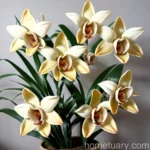
Boat Orchids (Cymbidium): A Comprehensive Guide
Boat orchids, scientifically known as Cymbidium, are a group of orchids that are highly valued for their beautiful, vibrant blooms and their adaptability to various growing conditions. With a wide range of species and hybrids available, these orchids have gained popularity among gardeners and flower enthusiasts. In this comprehensive guide, we will delve into the culture, uses, care tips, and common diseases and pests associated with Boat Orchids. Whether you are a seasoned orchid enthusiast or a beginner looking to explore the world of orchid cultivation, this guide will provide you with valuable insights and practical advice for successfully growing and caring for Boat Orchids.
Table of Contents
- What are Boat Orchids (Cymbidium)?
- Key Takeaways – Boat Orchids (Cymbidium)
- Culture
- Uses
- Water
- Sunlight
- Fertilizer
- Soil
- Pruning
- Propagation
- Container
- Popularity
- Common Diseases
- Disease Diagnosis
- Common Pests
- Botanist’s Tips
- Fun Facts
- Links to External Resources
What are Boat Orchids (Cymbidium)?
Boat Orchids, commonly known by their scientific name Cymbidium, are a genus of evergreen orchids that belong to the family Orchidaceae. These orchids are native to various regions in Asia, including China, Japan, India, and parts of Southeast Asia. The name “Cymbidium” is derived from the Greek word “kumbos,” which means ‘hole’ or ‘cavity,’ referring to the form of the lip of the orchid’s flower.
Cymbidium orchids are particularly admired for their long, arching sprays of flowers, which come in a wide range of colors, shapes, and sizes. These orchids are well-known for their ability to thrive in both indoor and outdoor settings, making them a popular choice for home gardeners, greenhouse growers, and floriculturists.
Key Takeaways – Boat Orchids (Cymbidium)
Before we delve into the specifics of cultivating and caring for Boat Orchids, here are some key takeaways to provide a comprehensive overview of these stunning orchids:
- Boat Orchids, or Cymbidium, are a genus of evergreen orchids known for their vibrant, long-lasting blooms and adaptability to various growing conditions.
- The culture of Boat Orchids includes their historical significance, natural habitat, and geographic distribution.
- Boat Orchids have diverse uses, ranging from ornamental purposes to traditional medicinal and cultural applications.
- Proper watering is crucial for the health and vitality of Boat Orchids, with factors such as frequency, methods, and water quality playing a significant role in their care.
- Adequate sunlight is essential for the growth and flowering of Boat Orchids, and understanding their light requirements is crucial for successful cultivation.
- Fertilizer application should be tailored to the specific nutritional needs of Boat Orchids, ensuring balanced nutrition and optimal growth.
- The choice of soil or growing medium greatly influences the health and performance of Boat Orchids, with well-draining and aerated substrates being ideal for their cultivation.
- Pruning, propagation, and container selection are important aspects of Boat Orchid care, impacting their overall growth and development.
- Despite their resilience, Boat Orchids are susceptible to certain diseases and pests, necessitating proactive management and preventive measures.
- Insights from botanists and orchid experts provide valuable tips for enhancing the health and beauty of Boat Orchids.
- Exploring the fascinating world of Boat Orchids uncovers intriguing fun facts and lesser-known aspects of these remarkable orchids.
Now, let’s explore these key takeaways in detail to gain a comprehensive understanding of the culture, care, and maintenance of Boat Orchids (Cymbidium).
Culture
Understanding the historical significance, natural habitat, and geographical distribution of Boat Orchids sheds light on their cultural and ecological importance.
Historical Significance
The cultural and historical significance of Boat Orchids, or Cymbidiums, dates back centuries and spans across various regions where these orchids are native. In China and Japan, Cymbidium orchids have been revered for their beauty and elegance, often symbolizing purity, virtue, and love. They have been cherished as ornamental plants and featured prominently in traditional art, literature, and rituals.
Natural Habitat and Geographic Distribution
Boat Orchids are primarily found in diverse habitats across Asia, including the Himalayas, China, India, Japan, and Southeast Asian countries. Their natural habitats range from cool, mountainous regions to subtropical and tropical environments. These orchids often grow epiphytically on trees, as well as lithophytically on rocks and cliff faces. Understanding their native habitats and ecological adaptations is essential for replicating optimal growing conditions in cultivation settings.
Uses
Boat Orchids, or Cymbidiums, have a wide range of uses, encompassing ornamental, cultural, medicinal, and commercial applications.
Ornamental Purposes
One of the primary uses of Boat Orchids is for ornamental and decorative purposes. The striking and long-lasting blooms of Cymbidium orchids make them highly sought after for floral arrangements, corsages, and potted plants. Their diverse colors, shapes, and sizes cater to a wide range of aesthetic preferences, making them a popular choice for both indoor and outdoor display.
Traditional and Cultural Significance
In various Asian cultures, Boat Orchids hold cultural and symbolic significance. They are often associated with auspicious occasions, ceremonies, and festivals, symbolizing longevity, prosperity, and beauty. In some traditions, Cymbidium orchids are used in weddings, prayers, and cultural celebrations, reflecting their deep-rooted cultural importance.
Medicinal and Therapeutic Applications
Certain species of Boat Orchids have been traditionally used in herbal medicine for their purported medicinal properties. From wound healing to respiratory ailments, these orchids have been incorporated into traditional remedies in some Asian societies. While modern scientific evidence supporting their medicinal benefits is limited, these historical uses underscore the cultural and traditional relevance of Cymbidium orchids.
Commercial Cultivation
Boat Orchids are also cultivated on a commercial scale for the cut flower industry and the horticultural trade. With the demand for high-quality, long-lasting blooms, Cymbidium orchids have carved a niche in the international flower market, catering to floral designers, wholesalers, and retail consumers. Their adaptability to greenhouse and controlled environment cultivation further contributes to their commercial appeal.
Understanding the diverse uses of Boat Orchids provides insight into their cultural significance, economic value, and ecological relevance, highlighting their multifaceted contributions to horticulture and society at large.
Water
Proper watering is a fundamental aspect of caring for Boat Orchids, influencing their growth, flowering, and overall health. Understanding the watering requirements and best practices for Cymbidium orchids is essential for ensuring their vitality and longevity.
Watering Requirements
Boat Orchids have specific watering requirements that balance adequate moisture with proper drainage. As epiphytic orchids in their natural habitat, they are accustomed to periods of moisture followed by drying out. In cultivation, it is essential to mimic these natural cycles to prevent waterlogged conditions and root rot.
-
Frequency: Cymbidium orchids generally require regular watering, especially during active growth periods. As a general guideline, watering once or twice a week is recommended, adjusting based on environmental conditions and substrate moisture levels.
-
Watering Methods: When watering Boat Orchids, thorough saturation of the growing medium or substrate is essential. This can be achieved through immersion in water, allowing the pot to soak and drain thoroughly before returning to its growing location.
-
Water Quality: High-quality water is crucial for the health of Boat Orchids. Using distilled, rain, or purified water can help prevent the buildup of mineral deposits and salts in the growing medium, which can adversely affect the orchids.
Water Storage Capabilities
Boat Orchids exhibit a remarkable ability to store water in their pseudobulbs and thickened roots, enabling them to withstand periods of drought. This adaptation allows them to thrive in varying moisture conditions, making them resilient to fluctuations in watering frequency.
Understanding the watering requirements and water storage capabilities of Boat Orchids is essential for maintaining optimal moisture levels and preventing issues related to overwatering or underwatering.
Sunlight
Proper sunlight exposure plays a crucial role in the growth, flowering, and overall health of Boat Orchids. Understanding their light requirements and tailoring their exposure accordingly is essential for successful cultivation.
Light Conditions
Boat Orchids thrive in bright, indirect light that mimics the dappled sunlight found in their natural habitats. While they require ample light for robust growth and flowering, direct exposure to intense sunlight should be avoided, as it can lead to leaf burn and heat stress.
-
Indoor Cultivation: When grown indoors, Cymbidium orchids benefit from placement near windows with filtered or diffused light. East or west-facing windows often provide suitable light conditions, with supplemental lighting used as needed during darker months.
-
Outdoor Cultivation: In outdoor settings, providing partial shade or sheltering Boat Orchids from direct midday sun is important for preventing sunburn and leaf damage. Under the canopy of trees or on the shaded side of structures are ideal locations for outdoor cultivation.
Sun Exposure
The amount of sunlight that Boat Orchids receive directly impacts their flowering potential and overall vigor. Adequate light exposure promotes strong, healthy growth, while insufficient light can result in reduced flowering and weakened foliage.
Understanding the light conditions and sun exposure preferences of Boat Orchids is essential for optimizing their growth and ensuring their capacity to produce vibrant, long-lasting blooms.
Fertilizer
Fertilizer application is an integral part of caring for Boat Orchids, providing essential nutrients for their growth, flowering, and overall vitality. Understanding the fertilization requirements and best practices for Cymbidium orchids is crucial for promoting optimal health and bloom production.
Fertilization Tips
Boat Orchids have specific nutritional needs that should be met through a balanced fertilizer regimen. Key considerations for fertilizing Cymbidium orchids include the following:
-
Frequency: During the active growth phase, which typically occurs in spring and summer, regular fertilization is recommended. Monthly applications of a balanced orchid fertilizer at half the recommended strength can support healthy growth and flowering.
-
Nutritional Balance: Choosing a fertilizer with a balanced NPK (nitrogen, phosphorus, potassium) ratio, along with essential micronutrients, is important for meeting the nutritional requirements of Boat Orchids. Balanced formulations such as 20-20-20 or 10-10-10 are commonly suitable for Cymbidium orchids.
-
Specialized Formulations: Some growers opt for specialized orchid fertilizers that are tailored to the nutritional needs of epiphytic orchids. These formulations often contain added calcium and magnesium, which are beneficial for the overall health and vigor of Cymbidium orchids.
Container Gardening
The choice of containers and pots for growing Boat Orchids is a critical consideration, influencing their growth, root health, and overall performance. Understanding the container preferences and best practices for Cymbidium orchids is essential for providing them with optimal growing conditions.
Pot Selection Tips
When selecting pots for Boat Orchids, it is important to consider their specific requirements for drainage, aeration, and root health. Key factors to consider include:
-
Size and Depth: Choosing pots that provide ample room for the roots to spread and grow is essential for the healthy development of Boat Orchids. Deeper pots, especially for larger Cymbidium plants, can accommodate their extensive root systems and provide stability.
-
Drainage Holes: Opting for pots with adequate drainage holes helps prevent waterlogging and allows excess moisture to escape, minimizing the risk of root rot and other water-related issues.
-
Material: While plastic pots are commonly used for growing Boat Orchids, other options such as clay or ceramic containers can also be suitable, provided they offer proper drainage and aeration.
-
Stability: Ensuring that the chosen pots provide stability and support for the tall, arching flower spikes of Cymbidium orchids is important, especially during periods of active growth and flowering.
Understanding the pot selection tips and container preferences of Boat Orchids is essential for providing them with a conducive growing environment that promotes healthy root development and overall plant vigor.
Popularity
Boat Orchids, or Cymbidiums, have gained widespread popularity among orchid enthusiasts, home gardeners, and commercial growers due to their stunning blooms, adaptability, and cultural significance. Their popularity is reflected in their widespread cultivation and appreciation in various horticultural and floral contexts.
Ornamental Appeal
One of the primary reasons for the popularity of Boat Orchids is their ornamental appeal. The long, graceful flower spikes adorned with vibrant, waxy blooms captivate the attention of flower enthusiasts, collectors, and botanical garden visitors. Their diverse color palette, ranging from delicate pastels to intense hues, adds to their allure.
Versatile Cultivation
Boat Orchids are prized for their versatility in cultivation, thriving in diverse settings such as home gardens, greenhouses, and outdoor landscapes. Their ability to adapt to a range of environmental conditions, from temperate to subtropical, makes them accessible and appealing to a broad audience of growers.
Commercial Significance
In the commercial horticulture and floral industry, Boat Orchids play a significant role as cut flowers, potted plants, and ornamental specimens. Their longevity as cut flowers, often lasting several weeks, makes them a favored choice for floral arrangements and special occasions, further elevating their popularity.
Traditional and Cultural Relevance
The cultural and symbolic significance of Boat Orchids in various Asian traditions has contributed to their enduring popularity. The reverence for Cymbidium orchids in art, literature, and cultural practices reinforces their appeal and adds to their timeless allure.
Understanding the factors contributing to the popularity of Boat Orchids provides insight into their widespread acclaim and the diverse contexts in which they are appreciated and cultivated.
Common Diseases
Despite their overall resilience, Boat Orchids are susceptible to certain diseases and pathogens that can impact their health and vitality. Understanding the common diseases affecting Cymbidium orchids and their associated symptoms is essential for timely diagnosis and effective management.
Disease Diagnosis
Diagnosing diseases in Boat Orchids involves careful observation of their symptoms, as well as an understanding of the common pathogens and environmental factors that contribute to their occurrence. Common diseases that affect Cymbidium orchids include:
-
Bacterial Rot: Bacterial pathogens can cause rot and tissue decay in the pseudobulbs and roots of Cymbidium orchids, leading to soft, discolored areas and foul odors. Maintaining proper air circulation and avoiding overwatering can help prevent bacterial rot.
-
Black Rot: This fungal disease, caused by the pathogen Phytophthora cactorum, manifests as dark, water-soaked lesions on the leaves and pseudobulbs of Boat Orchids. Ensuring proper drainage and avoiding excessive moisture can help prevent black rot.
-
Fungal Leaf Spots: Various fungal pathogens can cause circular leaf spots with distinct margins on the foliage of Cymbidium orchids, often exacerbated by high humidity and poor air circulation. Pruning affected leaves and improving growing conditions can aid in controlling fungal leaf spots.
-
Viral Infections: Viral diseases can cause mottling, streaking, and deformities in the leaves and flowers of Boat Orchids. Preventing the spread of viruses through proper sanitation and the use of sterile tools is essential for disease management.
Understanding the symptoms and diagnostic methods for common diseases in Boat Orchids is crucial for implementing preventative measures and targeted treatments to safeguard their health and vitality.
Common Pests
Boat Orchids can fall victim to certain pests that can compromise their growth and flowering if left unmanaged. Identifying common pests that affect Cymbidium orchids and implementing appropriate pest control measures is essential for maintaining their overall health.
Insect Control
Effective control of common pests that affect Boat Orchids involves a combination of preventive measures, cultural practices, and targeted treatments. Common pests that may affect Cymbidium orchids include:
-
Aphids: These small, soft-bodied insects can cluster on the tender new growth and flower spikes of Boat Orchids, extracting plant sap and causing distortion and discoloration. Using insecticidal soap or horticultural oil can help control aphid infestations.
-
Scale Insects: Scale insects, in their armored or soft-bodied forms, can attach themselves to the leaves and pseudobulbs of Cymbidium orchids, feeding on plant fluids and causing yellowing and wilting. Applying horticultural oil or neem oil is effective against scale infestations.
-
Thrips: Thrips are tiny, slender insects that can cause stippling, silvering, and distortion of the leaves and buds of Boat Orchids. Utilizing insecticidal sprays or introducing beneficial predatory insects can help manage thrips populations.
-
Spider Mites: These microscopic pests can infest the undersides of leaves, spinning fine webs and causing stippling and discoloration. Regularly misting the foliage and using insecticidal soaps can help control spider mite infestations.
Implementing integrated pest management strategies, including regular monitoring, cultural practices, and targeted treatments, is crucial for effectively managing common pests and preserving the health and beauty of Boat Orchids.
Botanist’s Tips
Insights and tips from botanists and orchid experts provide valuable guidance for enhancing the health, vigor, and flowering of Boat Orchids. Incorporating expert advice and best practices into orchid care routines can lead to optimal results and long-term success in cultivating Cymbidium orchids.
Expert Recommendations
Experienced botanists and orchid specialists often provide the following tips for cultivating and caring for Boat Orchids:
-
Air Circulation: Ensuring adequate air circulation around Boat Orchids, especially in humid environments or indoor settings, is essential for preventing fungal diseases and promoting vigorous growth.
-
Potting Mix: Using well-draining and moisture-retentive potting mixes, such as bark-based formulations, can provide a suitable substrate for the roots of Cymbidium orchids, promoting healthy growth and development.
-
Temperature Tolerance: Recognizing the temperature preferences of Boat Orchids and providing appropriate conditions, especially during the winter months, is crucial for encouraging blooming and preventing cold-related stress.
-
Optimal Fertilization: Tailoring the fertilization regimen to the specific nutritional needs of Cymbidium orchids, focusing on balanced formulations and adjusting based on growth stages, can support robust growth and prolific flowering.
-
Pruning Frequency: Regular assessment and selective pruning of faded flowers, damaged foliage, and spent pseudobulbs can promote tidiness and divert the plant’s energy into new growth and blooming.
By incorporating these expert recommendations and best practices into the care routine for Boat Orchids, growers can enhance the health, resilience, and ornamental appeal of Cymbidium orchids.
Fun Facts
Exploring the fascinating world of Boat Orchids unveils intriguing and lesser-known aspects of these remarkable orchids, offering insights and trivia that add to their charm and appeal.
Fascinating Trivia
-
Indoor Gardening Favorites: Boat Orchids are highly favored for indoor gardening and are considered as elegant, long-lasting display plants, creating a striking focal point in home interiors.
-
Award-Winning Hybrids: Cymbidium orchids have been the subject of extensive hybridization