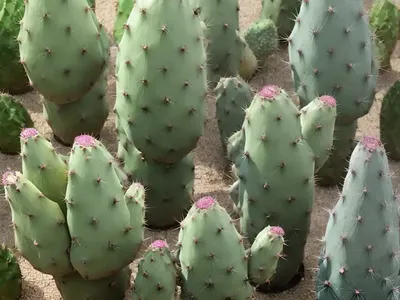
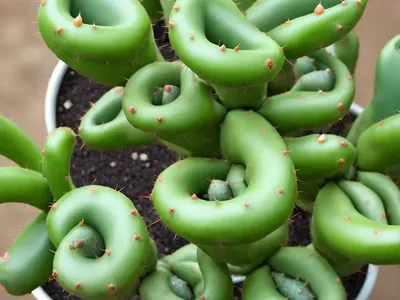
Cylindropuntia Imbricata (Tree Cholla)
Plants play a vital role in the ecosystem, providing oxygen, food, and habitat for various organisms. One such remarkable plant is the Cylindropuntia.
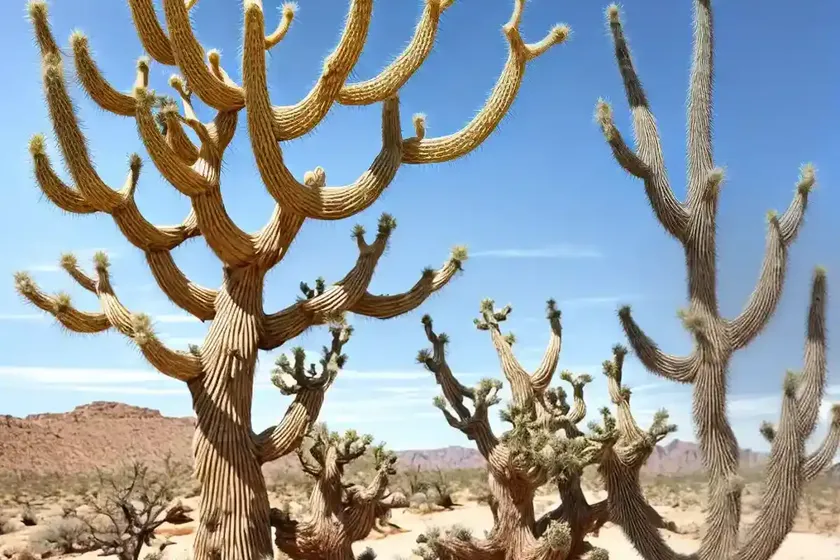
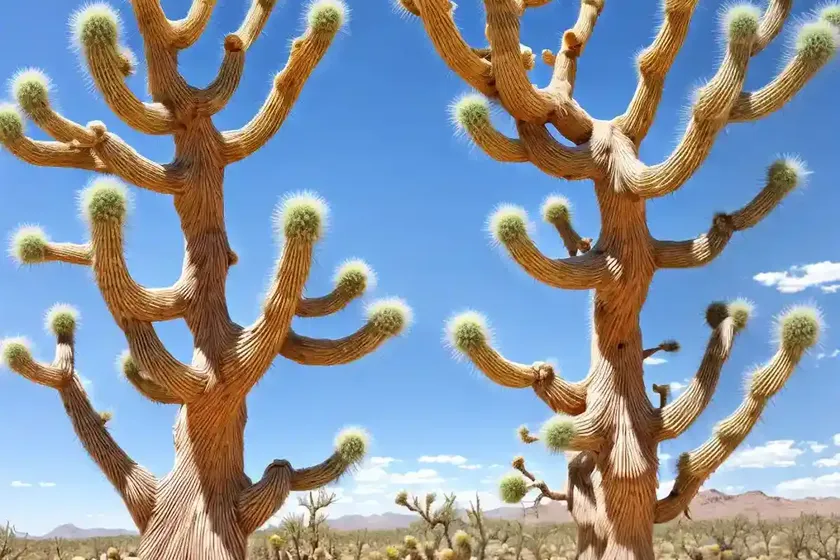
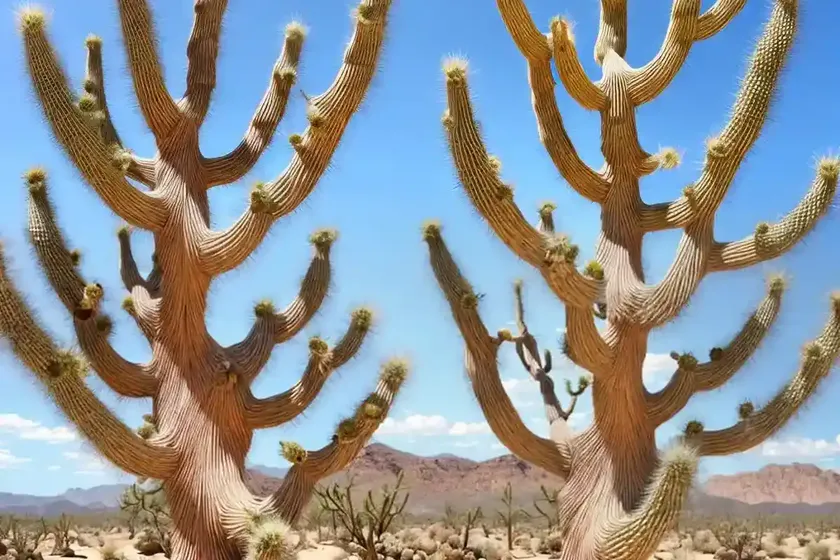
Cylindropuntia imbricata (Tree Cholla): A Resilient and Adaptable Plant
Plants play a vital role in the ecosystem, providing oxygen, food, and habitat for various organisms. One such remarkable plant is the Cylindropuntia imbricata, commonly known as the Tree Cholla. This resilient and adaptable plant has several unique characteristics and offers numerous benefits. In this blog post, we will explore the cultural significance, uses, maintenance requirements, propagation methods, and more about this intriguing plant species.
What is Cylindropuntia imbricata (Tree Cholla)?
Cylindropuntia imbricata, or Tree Cholla, is a species of cactus native to the southwestern United States and northern Mexico. It belongs to the Cactaceae family and is known for its cylindrical stem segments covered in spines. This plant often grows in arid and semi-arid regions, thriving in harsh environmental conditions characterized by low rainfall and high temperatures.
The prominent features of Cylindropuntia imbricata include its branching, shrubby habit and the presence of tubercles (small, wart-like projections) that bear clusters of spines. When in bloom, this plant produces vibrant, cup-shaped flowers in various hues, adding to its ornamental appeal.
Key Takeaways – Cylindropuntia imbricata (Tree Cholla)
Culture
- Growth Habit: Cylindropuntia imbricata exhibits a branching, shrubby growth habit, with cylindrical stem segments covered in spines.
- Flowering: The plant produces colorful, cup-shaped flowers in shades of pink, red, or yellow, enhancing its visual appeal.
- Adaptability: Known for its ability to thrive in arid and semi-arid regions, making it a resilient plant species.
Uses
- Ornamental Purposes: Due to its striking appearance and colorful flowers, Cylindropuntia imbricata is often used in xeriscaping and rock gardens.
- Ecological Importance: Provides habitat and food for wildlife, contributing to the biodiversity of arid ecosystems.
Water
- Watering Requirements: Cylindropuntia imbricata is drought-tolerant and requires minimal watering once established.
- Watering Frequency: It is essential to allow the soil to dry out between watering to prevent waterlogged conditions that can lead to root rot.
Sunlight
- Light Requirements: Thrives in full sun to partial shade, making it well-suited for sunny and bright locations in the garden.
- Sun Exposure: Ensure that the plant receives adequate sunlight to support its growth and flowering.
Fertilizer
- Minimal Fertilization: Cylindropuntia imbricata has low fertilizer requirements and can thrive in nutrient-poor soils.
- Fertilizer Application: Application of a balanced fertilizer or a specialized cactus fertilizer during the growing season can support healthy growth.
Soil
- Well-draining Soil: Requires well-draining, sandy or gravelly soil to prevent water accumulation around the roots.
- Soil pH: Thrives in slightly acidic to neutral soil pH levels, generally in the range of 6.0 to 7.5.
Pruning
- Minimal Pruning: Pruning requirements are minimal for Cylindropuntia imbricata, mainly to remove damaged or dead segments.
- Pruning Safety: Exercise caution when handling the plant due to its spines and use protective gloves when pruning.
Propagation
- Propagation Methods: Can be propagated from stem cuttings, allowing the cut ends to callus before planting to promote root development.
- Timing: Spring and early summer are favorable times for propagation, as the plant actively grows during this period.
Container Popularity
- Container Gardening: Cylindropuntia imbricata is suitable for container gardening, adding a unique and drought-tolerant element to the landscape.
Container Common Diseases
- Root Rot: Excessive moisture and poor drainage can lead to root rot in container-grown Cylindropuntia imbricata.
- Preventive Measures: Ensure proper drainage and avoid overwatering to prevent root rot and other soil-borne diseases.
Disease Diagnosis
- Symptoms: Symptoms of disease in Cylindropuntia imbricata may include wilting, discoloration, or rotting of the stem or roots.
- Consultation: Seeking advice from a horticulturist or plant pathologist can aid in accurately diagnosing and treating any diseases affecting the plant.
Common Pests
- Spider Mites: These tiny pests can infest Cylindropuntia imbricata, causing stippling on the foliage and weakening the plant.
- Control Measures: Regularly inspect the plant for pest infestations and use horticultural oils or insecticidal soaps for control.
Botanist’s Tips
- Protective Gear: When handling Cylindropuntia imbricata, use gloves and protective clothing to prevent accidental spines pricks.
- Location Selection: Plant in a well-draining, sunny spot with ample airflow to promote healthy growth.
Fun Facts
- Historical Significance: The plant has traditional uses among indigenous communities for food, medicine, and materials.
- Ecological Role: Cylindropuntia imbricata provides shelter and nesting sites for birds and small mammals in its natural habitat.
Links to External Resources
- Plant Care Guide for Cylindropuntia imbricata – Royal Horticultural Society
- Cactus and Succulent Society of America
Cylindropuntia imbricata, or Tree Cholla, is a captivating plant species with a rich cultural history and valuable ecological contributions. Whether used in landscaping, container gardening, or conservation efforts, this resilient plant holds significance in various contexts. Understanding its cultural requirements, maintenance needs, and potential challenges can enhance the successful cultivation and appreciation of Cylindropuntia imbricata in diverse settings.
By embracing the unique qualities of Cylindropuntia imbricata, we can foster a deeper connection with nature, promote sustainable gardening practices, and contribute to the conservation of arid ecosystems. Whether you are a novice gardener or an experienced horticulturist, the remarkable attributes of the Tree Cholla make it a captivating addition to any botanical collection or landscape design.
References
-
Hunt, D. (2006). Cactaceae Systematics Initiatives. Cylindropuntia imbricata. Retrieved from http://www.cactusexplorers.org.uk/nonMembers/cactusexplorer/cacti/Cylindropuntia%20imbricata.pdf
-
Royal Horticultural Society. (n.d.). Cylindropuntia imbricata. Retrieved from https://www.rhs.org.uk/plants/36921/i-cylindropuntia-imbricata-i/details