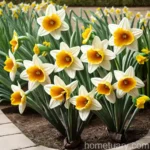
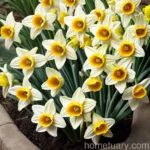
Plant Spotlight: Cyclamineus Daffodil (Narcissus ‘Straight Arrow’)
Cyclamineus daffodil, scientifically known as Narcissus ‘Straight Arrow’, is a captivating and popular spring-flowering bulb plant. Its striking beauty, resilience, and ease of culture make it a favored choice for gardens, landscapes, and even containers. In this comprehensive guide, we will delve into the various aspects of this delightful plant, from its care requirements to its propagation and potential uses. Let’s explore the enchanting world of the Cyclamineus daffodil, also known as Narcissus ‘Straight Arrow’.
What is Cyclamineus Daffodil (Narcissus ‘Straight Arrow’)?
Cyclamineus daffodil, also referred to as Narcissus ‘Straight Arrow’, is a captivating bulbous perennial belonging to the Amaryllidaceae family. It is a member of the Narcissus genus, which includes numerous species and hybrids bearing colorful and fragrant flowers.
Key Takeaways – Cyclamineus Daffodil (Narcissus ‘Straight Arrow’)
- Scientific Name: Narcissus ‘Straight Arrow’
- Common Names: Cyclamineus Narcissus, Straight Arrow Daffodil
- Plant Type: Bulbous Perennial
- Flower Characteristics: Characterized by narrow, reflexed petals and a prominent corona (trumpet-shaped center)
- Hardiness Zones: 3-8
- Bloom Time: Early to Mid-Spring
- Mature Height: 6-12 inches
- Sunlight Needs: Full sun to partial shade
- Watering Requirements: Average water needs; well-drained soil
- Soil Preferences: Well-draining, fertile soil
- Uses: Landscapes, gardens, containers
- Popularity: Highly favored for its unique flower shape and early bloom time
Culture
When it comes to cultivating cyclamineus daffodils, understanding their cultural requirements is crucial for ensuring their optimal growth and blooming. Let’s explore various cultural aspects vital for the successful cultivation of Narcissus ‘Straight Arrow’.
Uses
The cyclamineus daffodil holds numerous uses, making it a versatile and valuable addition to gardens and landscapes.
- Garden Beds: Adds vibrant color and texture to garden beds and borders.
- Rock Gardens: Thrives in rocky, well-drained areas, adding beauty to rock gardens.
- Containers: Well-suited for container gardening, bringing early spring charm to patios and balconies.
Water
Proper watering is essential for promoting healthy growth and blooming in cyclamineus daffodils.
- Established Plants: Water deeply when the top inch of soil becomes dry.
- Avoid Overwatering: Ensure well-drained soil to prevent waterlogging, especially during the dormant season.
Sunlight
Cyclamineus daffodils have specific sunlight preferences that influence their growth and flowering.
- Sun Needs: Prefers full sun to partial shade.
- Ideal Placement: Plant in locations receiving at least 6 hours of sunlight per day.
Fertilizer
Strategic fertilization can bolster the health and vigor of cyclamineus daffodils, supporting robust growth and profuse flowering.
- Timing: Apply a balanced, slow-release fertilizer in early spring before active growth begins.
- Fertilizer Composition: Look for a fertilizer with a formulation such as 10-10-10, providing balanced nutrition.
Soil
The soil composition plays a vital role in the overall health and development of cyclamineus daffodils.
- Well-Draining Soil: Prioritize well-draining, fertile soil to prevent water stagnation around the bulbs.
- Soil Amendments: Incorporate organic matter like compost to enhance soil fertility and structure.
Pruning
Proper pruning and maintenance practices are crucial for ensuring the continued health and vigor of cyclamineus daffodils.
- Post-Bloom Care: Remove spent flowers to prevent seed formation and conserve plant energy.
- Foliage Management: Allow the foliage to mature and yellow naturally before removing to support bulb development.
Propagation
The propagation of cyclamineus daffodils allows for the expansion of their presence in gardens and landscapes.
- Division: Divide established clumps every 4-5 years to rejuvenate the bulbs and promote vigorous growth.
- Offsets and Bulblets: Utilize offsets and bulblets produced by mature bulbs for propagation purposes.
Container Popularity
Cyclamineus daffodils are esteemed for their suitability for container gardening, offering a bold and early spring display in various container types.
- Container Size: Select containers with adequate depth and drainage holes for optimal growth.
- Aesthetic Appeal: Enhance patios, decks, and outdoor spaces with vibrant and compact cyclamineus daffodil plantings in containers.
Common Diseases
Despite their resilient nature, cyclamineus daffodils may encounter certain diseases that require attention and proactive management.
- Fungal Diseases: Vigilance against common fungal diseases like botrytis and fusarium is essential.
- Viral Infections: Monitor for viral symptoms and promptly remove affected plants to prevent spread.
Disease Diagnosis
Accurate diagnosis of diseases is fundamental for implementing effective treatment measures and preventing further spread.
- Symptom Identification: Learn to recognize symptoms like leaf spots, wilting, and abnormal growth patterns associated with common daffodil diseases.
- Consultation: Seek professional guidance if uncertain about disease diagnosis or management.
Common Pests
Cyclamineus daffodils may encounter pests that compromise their aesthetic and structural integrity, necessitating prompt intervention.
- Bulb-Feeding Pests: Protect bulbs from pests like bulb mites and narcissus nematodes that can weaken and damage the plants.
- Foliage Pests: Manage foliar pests such as thrips and aphids to prevent aesthetic and physiological damage.
Botanist’s Tips
Insightful tips from botanists can provide valuable guidance for enthusiasts and gardeners seeking to cultivate cyclamineus daffodils.
- Species Selection: Explore diverse cyclamineus daffodil varieties beyond Narcissus ‘Straight Arrow’ for a wider range of colors and characteristics.
- Early Planting: Plant bulbs in early autumn to allow for root establishment before the onset of winter.
Fun Facts
Uncover fascinating and lesser-known facts about cyclamineus daffodils to deepen your appreciation for these charming plants.
- Wild Origins: Cyclamineus daffodils are native to the northern regions of Spain and Portugal.
- Monarch’s Choice: Queen Elizabeth I of England was known to have a fondness for cyclamineus daffodils, considering them highly esteemed garden plants.
Links to External Resources
For further exploration and in-depth information, consider referring to the following external resources:
- American Daffodil Society
- Royal Horticultural Society – Daffodils
- University of Illinois Extension – Daffodils
In conclusion, cyclamineus daffodils, specifically Narcissus ‘Straight Arrow’, hold a special place in the world of ornamental plants, captivating hearts with their exquisite beauty and resilience. Whether adorning garden beds, containers, or naturalized landscapes, these delightful daffodils continue to enchant and inspire. Embracing their cultural requirements, understanding disease and pest management, and exploring their rich history can further deepen the joy and appreciation of cultivating cyclamineus daffodils. Happy gardening!