Cretan Bryony (Bryonia Dioica)
Cretan Bryony, scientifically known as Bryonia Dioica, is an intriguing and versatile plant with a rich history of traditional uses. This vine plant is.
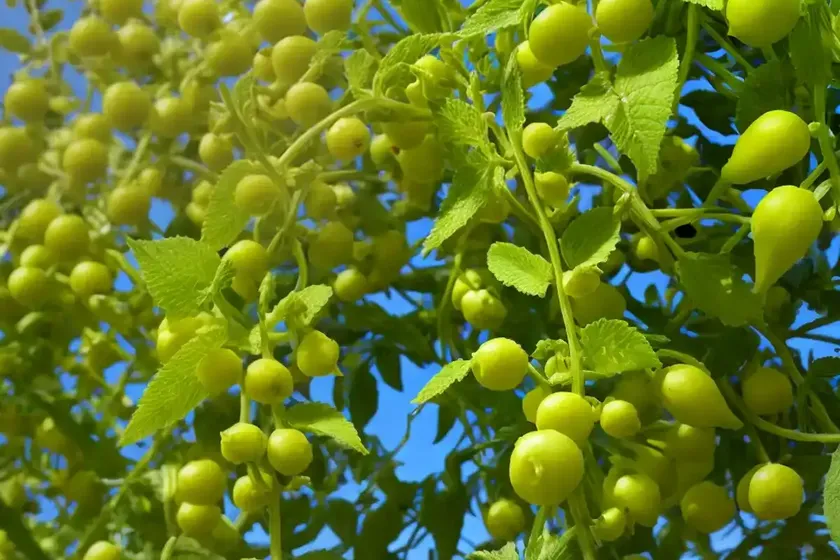
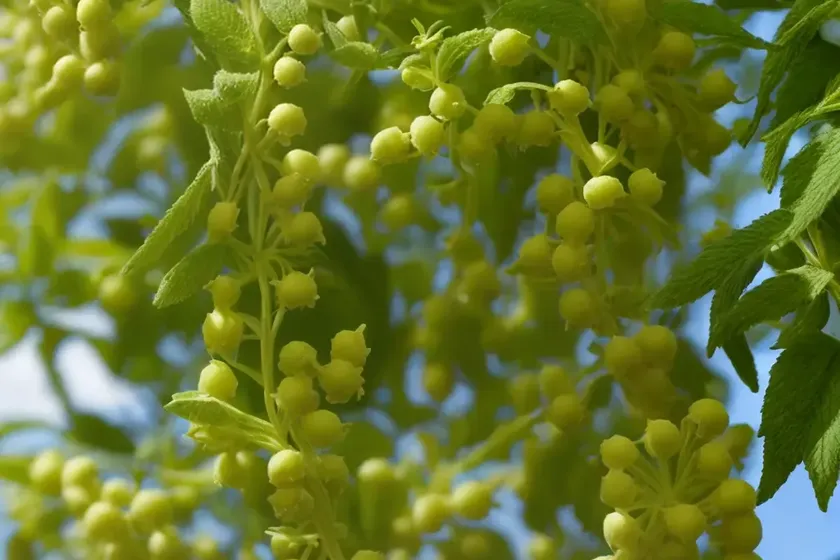
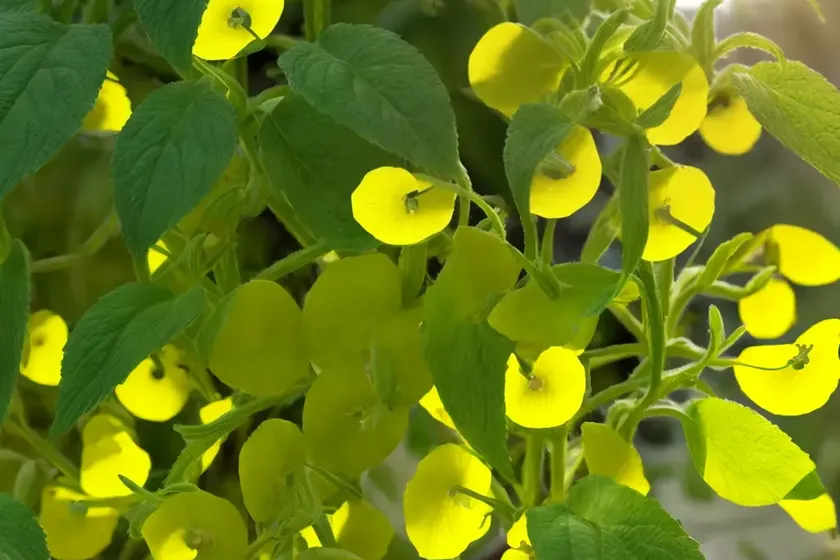
Cretan Bryony, scientifically known as Bryonia Dioica, is an intriguing and versatile plant with a rich history of traditional uses. This vine plant is known for its medicinal properties, folklore significance, and ornamental value. In this comprehensive guide, we will explore the various aspects of Cretan Bryony, from its cultivation and uses to its habitat and potential health benefits.
What is Cretan Bryony?
Cretan Bryony, or Bryonia Dioica, is a perennial vine plant belonging to the Cucurbitaceae family. It is native to the Mediterranean region, particularly in areas such as Crete, as the name suggests. The plant is characterized by its climbing habit, palmately lobed leaves, and small greenish-white flowers that develop into bright red berries.
Cretan Bryony at a Glance
- Scientific Name: Bryonia Dioica
- Common Names: Cretan Bryony, Red-berried Bryony
- Family: Cucurbitaceae
- Native Habitat: Mediterranean region
- Plant Type: Perennial vine
- Foliage: Palmately lobed leaves
- Flowers: Small greenish-white flowers
- Fruits: Bright red berries
- Toxicity: Parts of the Cretan Bryony plant, particularly the berries and roots, are toxic if ingested, and caution should be exercised when handling them.
Key Takeaways – Cretan Bryony (Bryonia Dioica)
Benefits of Cretan Bryony
- Potential medicinal properties
- Cultural and folklore significance
- Ornamental value in gardens and landscapes
Uses of Bryonia Dioica
- Traditional medicine
- Folklore beliefs
- Landscaping and ornamental purposes
- Potential culinary uses (in some cases)
Growing Cretan Bryony
- Cultivation requirements
- Propagation methods
- Care and maintenance tips
Medicinal Properties of Cretan Bryony
- Historical and modern medicinal uses
- Potential health benefits
- Precautions and toxicity considerations
Now, let’s delve deeper into the various aspects of Cretan Bryony, from its cultural significance to its cultivation and potential uses.
Culture
Historical Significance and Folklore Beliefs
Cretan Bryony holds a special place in Mediterranean folklore and traditional beliefs. In ancient times, the plant was associated with various superstitions and was believed to possess both protective and harmful powers. It was often used in rituals and as an ingredient in concoctions to ward off evil spirits. The folklore surrounding Cretan Bryony adds to its mystique and intrigue, making it a plant of cultural significance.
Medicinal and Therapeutic Traditions
In traditional medicine, Cretan Bryony has been used for its potential medicinal properties. Historical records and traditional knowledge suggest that the plant was utilized for a range of ailments, including joint pain, rheumatism, and skin conditions. Its roots and berries, while toxic in nature, were used in controlled and highly diluted forms for specific therapeutic purposes.
Ornamental Value
Beyond its cultural and medicinal significance, Cretan Bryony also has ornamental value. The vine’s vibrant red berries and vigorous growth habit make it a visually striking addition to garden landscapes. When properly trained and supported, the climbing vines of Bryonia Dioica can create a dramatic and picturesque display, especially when the bright red fruits adorn the foliage.
Uses
Traditional Medicinal Uses
The historical uses of Cretan Bryony in traditional medicine have contributed to its enduring reputation for potential therapeutic benefits. Extracts and preparations derived from the plant were historically employed for their purgative and diuretic properties. Additionally, certain traditional healing practices incorporated Cretan Bryony in the treatment of skin conditions and joint ailments, albeit with caution due to its toxic nature.
Folklore Beliefs and Cultural Significance
Cretan Bryony’s association with folklore and superstitions adds depth to its cultural significance. In various Mediterranean cultures, the plant was believed to possess mystical powers, playing a role in rituals and folk remedies. Its toxic nature and vivid appearance contributed to its portrayal in legends and folklore, making it a subject of fascination and reverence.
Potential Culinary Uses
While caution must be exercised due to its toxic properties, some historical records and folk traditions indicate that Cretan Bryony may have been used cautiously in culinary practices. However, such uses have diminished over time due to increased awareness of its toxicity and the availability of safer alternatives.
Ornamental and Landscape Applications
In contemporary settings, Cretan Bryony is also valued for its ornamental attributes. Its bright red berries, lush foliage, and climbing habit make it a desirable addition to gardens and landscapes. When integrated into garden designs or allowed to grow in natural settings, it creates visually appealing displays and adds a touch of natural beauty to outdoor spaces.
Water
Watering Requirements
Cretan Bryony generally thrives in well-draining soil that is kept consistently moist. Adequate moisture is essential for its growth and development, especially during the establishment phase and periods of active growth. While the plant prefers consistently moist conditions, it is important to avoid waterlogging, as excessively wet soil can lead to root rot and other issues.
Watering Guidelines
- Establishment Phase: During the initial planting and establishment phase, ensure that the soil remains consistently moist, but not waterlogged.
- Active Growth: Throughout the growing season, monitor the soil moisture regularly and adjust watering frequency based on environmental conditions and the plant’s water needs.
- Container-Grown Plants: If growing Cretan Bryony in containers, ensure that the pots have adequate drainage to prevent water from accumulating around the roots.
Drought Tolerance
While Cretan Bryony prefers moist conditions, it may exhibit some tolerance to short periods of drought once established. However, extended periods of water stress can negatively impact its growth and overall health. It is advisable to maintain a balanced approach to watering, providing sufficient moisture without allowing the roots to become waterlogged.
Sunlight
Sun Exposure
Cretan Bryony thrives in locations with partial to full sunlight exposure. While it can tolerate some shade, optimal growth and fruit production are achieved when the plant receives ample sunlight. In regions with intense summer heat, providing some shade during the hottest part of the day can help protect the plant from excess heat stress.
Light Requirements
- Optimal Sun Exposure: For best results, aim to provide Cretan Bryony with 6-8 hours of direct sunlight per day, especially during the growing season.
- Partial Shade: In areas with intense sun or high temperatures, partial shade during the hottest part of the day can help prevent heat-related stress and maintain healthy growth.
Sunlight Considerations
- Morning Sun: Morning sunlight is generally favorable for Cretan Bryony, as it allows the plant to receive sufficient light without being exposed to the harsh midday sun.
- Afternoon Shade: In regions with exceptionally hot afternoons, providing some shade during the peak heat hours can help prevent heat damage and maintain the plant’s vigor.
Fertilizer
Nutrient Needs
Cretan Bryony benefits from a balanced and nutrient-rich soil to support its vigorous growth and fruit development. While the plant has moderate fertilizer requirements, providing essential nutrients in the right proportions can enhance its overall health and productivity.
Fertilization Guidelines
- Slow-Release Fertilizer: Utilize a slow-release granular fertilizer formulated for flowering and fruiting plants to provide a steady supply of nutrients over an extended period.
- Organic Amendments: Incorporating well-rotted compost or organic matter into the soil during planting can help improve soil structure and provide a gradual release of nutrients.
- Balanced Fertilizer: Use a balanced fertilizer with a formulation such as 10-10-10 or 8-8-8, ensuring that it contains essential macronutrients and micronutrients.
Application Timing
- Early Spring: Apply a light application of slow-release fertilizer or well-rotted compost in early spring as new growth begins.
- Mid-Season Boost: If necessary, provide a supplemental dose of balanced fertilizer during the mid to late spring to support flowering and fruiting.
Caution
Exercise caution when fertilizing Cretan Bryony, as excessive fertilizer applications can lead to an imbalance of nutrients and potentially harm the plant. Following recommended guidelines and monitoring the plant’s response can help ensure optimal growth and fruit production.
Soil
Soil Requirements
Cretan Bryony thrives in well-draining, loamy soil with good fertility and a slightly acidic to neutral pH. The soil should have adequate moisture retention capabilities while allowing excess water to drain freely. Maintaining balanced soil moisture and nutrient levels is crucial for the plant’s overall health and productivity.
Soil Preparation
- Loose and Well-Draining: Prepare the planting site by loosening the soil to facilitate root penetration and encourage drainage.
- Organic Matter Addition: Incorporate well-rotted compost or organic matter into the soil to improve its structure, water retention, and nutrient content.
- pH Adjustment: Conduct a soil pH test and make adjustments as needed to ensure that the soil falls within the preferred range for Cretan Bryony (slightly acidic to neutral pH).
Container Considerations
- Potting Mix: When growing Cretan Bryony in containers, utilize a well-draining potting mix formulated for ornamental vines or flowering plants.
- Drainage Holes: Ensure that the containers have adequate drainage holes to prevent water from accumulating around the roots.
Soil Moisture Management
Regularly monitor the soil moisture levels, particularly during the growing season, to ensure that the soil remains consistently moist without becoming waterlogged. Proper soil moisture management is essential for the plant’s vitality and fruit production.
Pruning
Pruning Objectives
Pruning plays a crucial role in maintaining the vigor, shape, and productivity of Cretan Bryony. Proper pruning practices contribute to improved air circulation, enhanced fruiting, and the overall health of the plant. Key objectives of pruning include:
- Managing Growth: Controlling the size and spread of the vine to prevent overcrowding and maintain a manageable form.
- Removing Diseased Parts: Eliminating diseased or damaged growth to prevent the spread of infections and maintain plant health.
- Enhancing Fruit Quality: Encouraging the development of robust and healthy fruits by removing excessive foliage and ensuring adequate light penetration.
Pruning Techniques
- Deadheading: Regularly remove spent flowers and berries to promote continued flowering and fruiting.
- Thinning: Thin out excessive growth to improve air circulation and reduce overcrowding, focusing on maintaining a balanced and open canopy.
- Training Vines: Guide the growth of the vine by training it along supporting structures, such as trellises or arbors, to achieve an attractive and well-distributed growth pattern.
Timing
- Early Spring: Conduct pruning activities in early spring before new growth emerges, focusing on removing winter-damaged or dead branches.
- Throughout the Season: Monitor the plant regularly and perform selective pruning as needed to maintain its form and health.
Propagation
Methods of Propagation
Cretan Bryony can be propagated through various methods, including seed sowing and vegetative propagation. Each approach offers distinct advantages and may be suitable for different situations, depending on the desired outcomes and available resources.
Seed Propagation
- Seeds: Collect mature seeds from healthy fruits and sow them in well-prepared soil in a suitable location with the right environmental conditions.
- Germination: Provide optimal germination conditions, including consistent moisture, warmth, and indirect light, to facilitate successful seedling establishment.
Vegetative Propagation
- Stem Cuttings: Propagate Cretan Bryony from stem cuttings taken from healthy, established plants. Ensure that the cuttings have at least one node and remove any excess foliage to reduce moisture loss.
- Root Division: Divide the root mass of mature Cretan Bryony plants into sections, each containing healthy roots and shoots, and transplant them to new locations or containers.
Propagation Considerations
- Timing: Choose the most suitable time for propagation based on the plant’s growth cycle and environmental conditions.
- Environmental Factors: Provide the appropriate growing conditions, including moisture, temperature, and light, to support successful propagation and establishment.
Container Popularity
Container Growth
Cretan Bryony’s vigorous growth habit and ornamental appeal make it a popular choice for container gardening. When grown in containers, the plant’s climbing vines and vibrant red berries create a visually captivating display, making it an attractive addition to patios, balconies, and outdoor living spaces.
Advantages of Container Growth
- Space Utilization: Allows individuals with limited garden space to enjoy the beauty and benefits of Cretan Bryony.
- Versatility: Provides flexibility in positioning and relocating the plant to optimize its growth and visual impact.
- Visual Appeal: Enhances outdoor aesthetics and adds a natural element to container gardens and urban environments.
Container Requirements
- Size: Select a container of sufficient size to accommodate the plant’s root system and support its climbing habit. Larger containers provide better stability and moisture retention.
- Drainage: Ensure that the container has adequate drainage holes to prevent waterlogging and maintain healthy root conditions.
- Support Structure: Position the container near a trellis or other support structures to guide the growth of the climbing vines and prevent sprawl.
Common Diseases
Disease Susceptibility
While generally resilient, Cretan Bryony may be susceptible to certain diseases and health issues, particularly when environmental conditions and cultural practices are not optimal. Common diseases that can affect the plant include:
- Powdery Mildew: Fungal infection characterized by a powdery white coating on leaves and stems, often favored by high humidity and inadequate air circulation.
- Botrytis Blight: Fungal disease causing gray mold on flowers and fruits, favored by cool, damp conditions.
- Root Rot: Caused by waterlogged or poorly drained soil, leading to root damage and overall decline of the plant.
Disease Prevention
- Cultural Practices: Implement proper watering, ventilation, and sanitation practices to minimize disease risk.
- Monitoring: Regularly inspect the plant for signs of disease, addressing any issues promptly to prevent spread.
- Fungal Treatments: Utilize fungicidal treatments when necessary, following recommended guidelines and safety precautions.
Disease Diagnosis
Identifying Plant Health Issues
Early detection and accurate diagnosis of plant health issues are critical for effective management and treatment. Common signs of potential diseases or health problems in Cretan Bryony include:
- Leaf Spots: Presence of discolored or spotted areas on the leaves, which may indicate fungal or bacterial infections.
- Wilting and Yellowing: Signs of stress, nutrient deficiencies, or root-related issues, which can affect the overall health of the plant.
- Fruit Rot: Decay and discoloration of berries, indicating potential fungal infections or fruit-related issues.
Diagnosis Process
- Inspection: Thoroughly examine the plant for visual symptoms, including leaf discoloration, unusual growth patterns, and signs of decay.
- Research and Resources: Refer to reputable plant pathology resources and diagnostic guides to identify potential diseases and disorders based on observed symptoms.
- Consultation: Seek professional assistance from local extension services or horticultural experts if uncertain about the diagnosis or treatment options.
Common Pests
Pest Threats
In addition to diseases, Cretan Bryony may face challenges from various pests that can impact its growth and overall health. Common pests that may affect the plant include:
- Aphids: Small insects that feed on plant sap, leading to distorted growth and potential virus transmission.
- Spider Mites: Tiny arachnids that cause stippling and discoloration of leaves, affecting the plant’s photosynthetic capabilities.
- Caterpillars: Larval stages of certain moth species that can feed on foliage and fruits, causing damage and reducing plant productivity.
Pest Management
- Cultural Controls: Utilize practices such as regular pruning, proper sanitation, and removal of pest habitats to reduce pest populations.
- Biological Controls: Introduce beneficial insects or organisms that prey on or parasitize pest populations, promoting natural pest control.
- Pesticide Applications: Consider targeted pesticide applications when pest populations reach damaging levels, prioritizing environmentally friendly and selective products.
Botanist’s Tips
Tips for Growing Cretan Bryony
Botanical enthusiasts and gardeners can benefit from the following tips to optimize the growth and health of Cretan Bryony:
- Site Selection: Choose a well-drained, sunny location for planting to provide optimal growing conditions for the vine.
- Support Structures: Provide sturdy supports, such as trellises or arbors, to guide the growth of the climbing vines and enhance visual appeal.
- Pruning Guidance: Implement regular pruning to manage the growth of the plant, promote airflow, and facilitate fruiting.
- Caution with Toxicity: Exercise caution and awareness regarding the toxic nature of Cretan Bryony, particularly when handling its parts or considering its potential uses in various contexts.
Safety Considerations
Due to its toxic properties, Cretan Bryony warrants careful handling and management, particularly when there is potential for human or animal exposure to its berries and roots. Gardeners should be aware of the plant’s toxicity and take necessary precautions to prevent accidental ingestion or contact.
Environmental Awareness
Consider the environmental impact of planting Cretan Bryony, particularly in regions where it is non-native. Take steps to prevent the spread of the plant in natural areas and be mindful of its potential interactions with local ecosystems.
Fun Facts
Cultural Significance
- Cretan Bryony has been entwined with cultural beliefs and traditions for centuries, playing roles in folklore, rituals, and traditional medicine.
Toxicity Warnings
- The vibrant red berries of Cretan Bryony, while visually appealing, contain toxic compounds that can pose health risks if ingested.
Ornamental Beauty
- When properly managed, Cretan Bryony’s climbing vines and bright red berries create eye-catching displays, adding natural beauty to gardens and landscapes.
Links to External Resources
For further information about Cretan Bryony, its cultivation, and potential uses, consider exploring the following reputable resources:
- Royal Horticultural Society: Cretan Bryony Plant Profile
- Missouri Botanical Garden: Bryonia Dioica Information
- USDA Plants Database: Bryonia Dioica Species Page
- Botanical Medicine Resources: Cretan Bryony in Traditional and Herbal Medicine
- Poison Control Centers: Toxic Plant Information
Conclusion
In conclusion, Cretan Bryony (Bryonia Dioica) encompasses a rich tapestry of cultural significance, potential uses, and ornamental beauty. From its historical association with folklore and traditional medicine to its role as an eye-catching vine in modern landscapes, the plant offers a diverse array of