Creeping-forget-me-not (Omphalodes Verna)
Welcome to our complete guide on Creeping-forget-me-not, or Omphalodes verna. This enchanting and versatile plant is a valuable addition to any garden due.
Welcome to our complete guide on Creeping-forget-me-not, or Omphalodes verna. This enchanting and versatile plant is a valuable addition to any garden due to its delightful flowers, low maintenance requirements, and adaptability to various growing conditions. In this guide, we will explore the essential aspects of Creeping-forget-me-not care, including its culture, uses, water requirements, sunlight preferences, fertilizer needs, soil considerations, pruning techniques, propagation methods, and much more. Whether you are a seasoned gardener or a beginner looking to enhance your green space, this comprehensive resource will provide you with valuable insights into the world of Omphalodes verna.
What is Creeping-forget-me-not (Omphalodes Verna)?
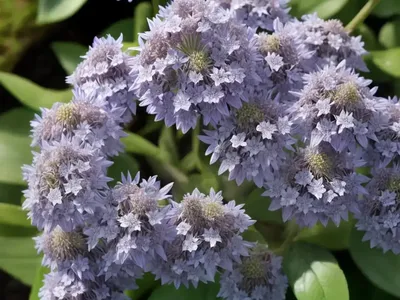
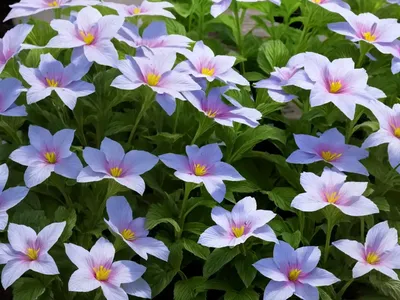
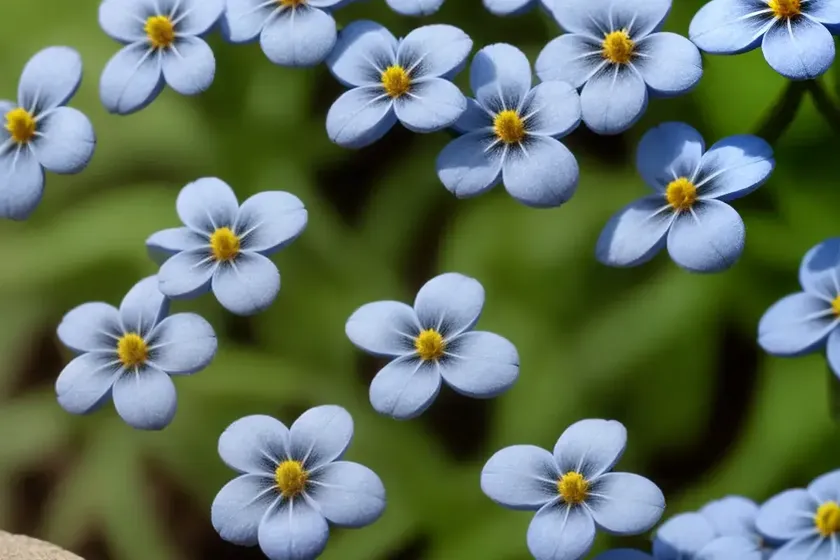
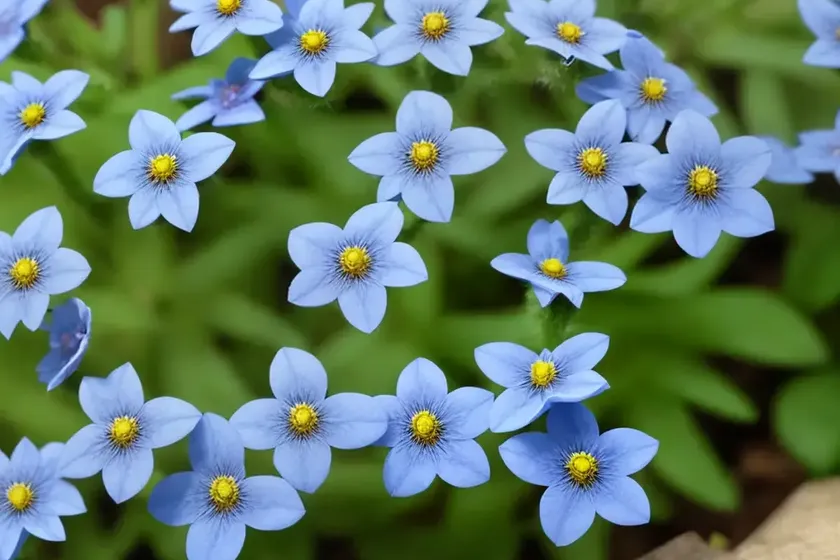
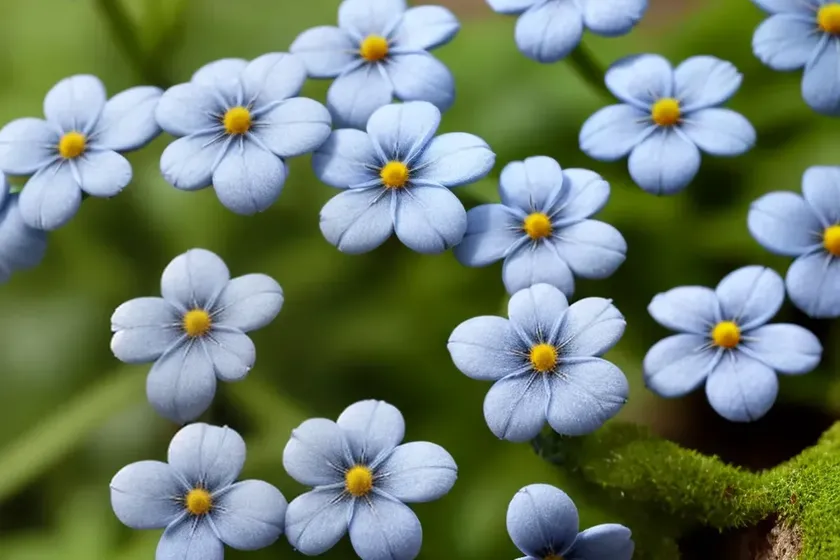
Creeping-forget-me-not, scientifically known as Omphalodes verna, is a charming perennial plant that belongs to the Boraginaceae family. Originating from Europe and Western Asia, this species is celebrated for its dainty, sky-blue flowers that bloom in clusters, creating a beautiful carpet-like effect when mass-planted. The name “forget-me-not” is derived from the plant’s symbolic association with remembrance, making it a popular choice for memorial gardens.
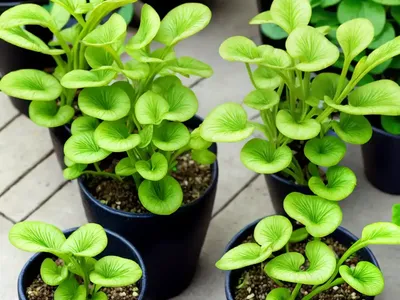
The plant’s appearance is characterized by its delicate, oval-shaped leaves and a spreading growth habit that allows it to function as an excellent ground cover. While Creeping-forget-me-not is primarily admired for its spring blooms, its attractive foliage remains visually appealing even beyond the flowering season. As a low-growing perennial, it typically reaches a height of 6-8 inches (15-20 cm), making it ideal for edging, borders, rock gardens, and woodland settings.
Key Takeaways – Creeping-forget-me-not (Omphalodes Verna)
To provide you with a comprehensive understanding of Creeping-forget-me-not care, we will delve into various aspects of its cultivation and maintenance. The following key takeaways will serve as a roadmap for our exploration of Omphalodes verna:
- Culture: Understanding the cultural requirements and preferred growing conditions for Creeping-forget-me-not.
- Uses: Exploring the versatile uses and landscaping applications of Omphalodes verna.
- Water: Identifying the optimal watering practices to ensure the health and vitality of Creeping-forget-me-not.
- Sunlight: Determining the sunlight preferences and light conditions that support the growth of this plant.
- Fertilizer: Choosing suitable fertilizers and understanding the fertilization needs of Omphalodes verna.
- Soil: Assessing the soil requirements and appropriate soil types for cultivating Creeping-forget-me-not.
- Pruning: Learning effective pruning techniques to maintain the shape and vigor of this perennial.
- Propagation: Exploring the various methods of propagating Omphalodes verna to expand its presence in the garden.
- Container Popularity: Evaluating the suitability of Creeping-forget-me-not for container gardening.
- Common Diseases: Identifying prevalent diseases that may affect Omphalodes verna and implementing necessary precautions.
- Disease Diagnosis: Understanding the symptoms and signs of common diseases to facilitate prompt diagnosis and treatment.
- Common Pests: Recognizing potential pest threats and implementing pest control measures to safeguard Creeping-forget-me-not.
- Botanist’s Tips: Gaining valuable insights and expert tips from botanists to optimize the cultivation of Omphalodes verna.
- Fun Facts: Exploring interesting and lesser-known facts about Creeping-forget-me-not to deepen your appreciation for this plant.
- Links to External Resources: Providing access to additional information and resources for further exploration of Creeping-forget-me-not care.
With these key takeaways in mind, let’s embark on a comprehensive journey through the world of Creeping-forget-me-not, exploring its care and cultivation from every angle.
Culture
Understanding the cultural requirements of any plant is essential for creating an environment that fosters optimal growth and development. In the case of Creeping-forget-me-not (Omphalodes verna), several cultural factors play a crucial role in shaping its overall health and appearance.
Uses
The versatile uses of Creeping-forget-me-not extend beyond its aesthetic appeal, encompassing various landscaping applications and thematic associations. Here are some key uses of Omphalodes verna:
- Ground Cover: Creeping-forget-me-not is widely utilized as a ground cover due to its low-growing nature and spreading habit. It forms a dense mat of foliage and flowers, making it an excellent choice for filling in bare or open areas in the landscape.
- Borders and Edging: The compact size and charming blooms of Omphalodes verna make it well-suited for border plantings, where it can delineate garden beds or pathways with its delicate blue flowers.
- Rock Gardens: The diminutive stature and adaptability of Creeping-forget-me-not make it an ideal candidate for rock gardens, where it can thrive in the well-drained, rocky substrates typically found in these settings.
- Woodland Gardens: Due to its natural habitat in woodland and forested regions, Omphalodes verna seamlessly integrates into woodland gardens, adding a touch of color and vibrancy to shaded areas.
- Memorial or Remembrance Gardens: The symbolic association of forget-me-not flowers with remembrance and everlasting love makes Creeping-forget-me-not a poignant choice for memorial gardens, where it serves as a living tribute to cherished memories.
- Container Gardens: While traditionally planted in garden beds, Creeping-forget-me-not can also be grown in containers, allowing for greater flexibility and mobility in garden design.
The adaptable nature of Creeping-forget-me-not makes it a valuable asset in various garden settings, where it contributes to the visual appeal and emotional resonance of the landscape.
Water
Effective watering practices are crucial for maintaining the health and vigor of Creeping-forget-me-not. Understanding the water requirements and appropriate irrigation techniques will ensure that Omphalodes verna thrives in its intended environment. Here are some key considerations related to watering Creeping-forget-me-not:
- Moderate Moisture: Creeping-forget-me-not thrives in soil that is consistently moist but not waterlogged. Adequate moisture is essential, particularly during the plant’s active growth phases and flowering period.
- Well-Drained Soil: While Creeping-forget-me-not appreciates consistent moisture, it is crucial to plant it in well-drained soil to prevent the risk of waterlogging, which can lead to root rot and other issues.
- Mulching: Applying a layer of organic mulch around the base of Creeping-forget-me-not can help retain soil moisture and regulate temperature, contributing to optimal growing conditions.
- Avoid Drought Stress: While Creeping-forget-me-not enjoys moderate moisture levels, it is sensitive to drought stress. Regular monitoring of soil moisture and timely irrigation will prevent the plant from wilting or experiencing undue stress.
By adhering to these watering guidelines, gardeners can ensure that Creeping-forget-me-not maintains vibrant growth and abundant blooms throughout the growing season.
Sunlight
Understanding the sunlight preferences of Creeping-forget-me-not is essential for selecting suitable planting locations and optimizing its overall performance. Here are the key aspects of sunlight requirements for Omphalodes verna:
-
Partial to Full Shade: Creeping-forget-me-not thrives in locations with partial to full shade, making it an excellent choice for shaded or woodland garden settings. It is sensitive to intense, direct sunlight and may exhibit signs of stress if exposed to prolonged periods of sun.
-
Filtered Light: While Creeping-forget-me-not prefers shaded conditions, it benefits from filtered light, especially during the morning hours. This gentle exposure to sunlight supports healthy growth and robust flowering.
-
Protection from Hot Afternoon Sun: When planting Creeping-forget-me-not, it is advisable to position it in areas that receive protection from the intense heat of the afternoon sun. This precaution helps prevent wilting and sunburn, ensuring the plant’s well-being.
By selecting suitable shaded locations and providing the right balance of light exposure, gardeners can create an environment where Creeping-forget-me-not thrives and flourishes.
Fertilizer
Applying appropriate fertilizers at the right time is essential for supporting the growth and flowering capabilities of Creeping-forget-me-not. Here are some key considerations related to fertilizing Omphalodes verna:
-
Moderate Fertilization: Creeping-forget-me-not benefits from moderate fertilization using a balanced, all-purpose fertilizer. This application should occur in early spring as new growth emerges, aiding in the development of healthy foliage and vibrant blooms.
-
Organic Amendments: Incorporating organic amendments, such as compost or well-rotted manure, into the soil before planting can provide a nutrient-rich foundation for Creeping-forget-me-not, promoting long-term health and vitality.
-
Avoid Excessive Nitrogen: While providing necessary nutrients is important, excessive nitrogen can lead to lush foliage at the expense of flower production. It is advisable to choose a fertilizer with balanced N-P-K (nitrogen, phosphorus, and potassium) ratios suitable for flowering plants.
By following these fertilization practices, gardeners can ensure that Creeping-forget-me-not receives the essential nutrients it needs to thrive and produce an abundance of charming blue flowers.
Soil
Understanding the soil requirements and suitable soil types for Creeping-forget-me-not is fundamental to creating an environment where the plant can establish strong roots and fulfill its ornamental potential. Here are the key considerations related to soil preferences for Omphalodes verna:
-
Well-Drained Soil: Creeping-forget-me-not thrives in well-drained, loamy soil that provides good aeration and moisture retention. Soil that retains excessive moisture can lead to root rot and other issues, so ensuring proper drainage is vital.
-
Neutral to Slightly Acidic pH: The ideal soil pH for Creeping-forget-me-not ranges from neutral to slightly acidic (6.0-7.0), providing an environment where the plant can effectively absorb essential nutrients from the soil.
-
Amendments for Heavy Soil: In areas with heavy or clay-rich soil, amending the soil with organic matter, such as compost or peat moss, can improve drainage and create a more hospitable growing medium for Creeping-forget-me-not.
-
Mulching Benefits: Applying organic mulch around the base of Creeping-forget-me-not provides additional benefits, including moisture retention, soil temperature regulation, and the gradual enrichment of the soil as the mulch decomposes.
By selecting suitable soil types and preparing the planting site accordingly, gardeners can create an optimal foundation for Creeping-forget-me-not to thrive and showcase its charming blue blooms.
Pruning
Effective pruning techniques are essential for maintaining the shape, vigor, and overall appearance of Creeping-forget-me-not. By implementing proper pruning practices, gardeners can help the plant remain tidy, promote healthy growth, and encourage prolific flowering. Here are the key aspects of pruning Creeping-forget-me-not:
-
Deadheading: Regular deadheading, which involves removing spent flowers, promotes continuous blooming and prevents the plant from expending energy on seed production.
-
Selective Pruning: Performing selective pruning to remove any damaged, diseased, or overcrowded growth helps maintain the plant’s overall health and appearance.
-
Thinning Out: Thinning out dense growth and promoting airflow within the foliage minimizes the risk of fungal diseases and enhances the aesthetic appeal of Creeping-forget-me-not.
-
Post-Flowering Maintenance: After the flowering period, light pruning can help tidy up the plant and encourage compact, bushy growth in preparation for the next blooming cycle.
By incorporating these pruning techniques into the care regimen for Creeping-forget-me-not, gardeners can ensure that the plant remains in peak condition and continues to delight with its charming blooms.
Propagation
Expanding the presence of Creeping-forget-me-not in the garden involves understanding and implementing effective propagation methods. By propagating Omphalodes verna through reliable techniques, gardeners can increase the plant’s abundance and diversity within their green spaces. Here are the primary methods of propagation for Creeping-forget-me-not:
-
Division: Propagating Creeping-forget-me-not through division involves carefully separating established clumps into smaller sections, each containing viable roots and growing points. This method is ideally performed in early spring or fall.
-
Seeding: Collecting and sowing seeds from mature Creeping-forget-me-not plants offers a cost-effective and rewarding approach to propagation. Sowing seeds in a well-prepared seedbed or containers provides the opportunity for new plants to emerge.
-
Transplanting: Utilizing self-rooted offsets or transplants from a mature Creeping-forget-me-not plant allows gardeners to establish new individuals in desired locations, expanding the plant’s presence in the garden.
By selecting a propagation method suitable for their specific needs and preferences, gardeners can propagate Creeping-forget-me-not effectively and integrate it more extensively into their landscape designs.
Container Popularity
While Creeping-forget-me-not is typically grown in garden beds, it also demonstrates suitability for container gardening, offering versatility and aesthetic appeal in various settings. Here are the key considerations related to growing Creeping-forget-me-not in containers:
-
Container Selection: Choosing containers with adequate drainage holes and a suitable size to accommodate the spreading growth habit of Creeping-forget-me-not is essential for successful container cultivation.
-
Potting Mix: Utilizing a well-draining, high-quality potting mix rich in organic matter provides an optimal growing medium for Creeping-forget-me-not in containers.
-
Placement: Positioning containers in shaded or partially shaded areas, such as patios, terraces, or shaded corners of the garden, supports the plant’s preference for partial to full shade.
-
Watering: Monitoring soil moisture in containers and ensuring regular, consistent watering helps sustain the health and vitality of Creeping-forget-me-not without the risk of waterlogging.
-
Aesthetic Appeal: Creeping-forget-me-not in containers offers an enchanting and versatile option for enhancing outdoor living spaces, creating visual interest, and adding a touch of natural beauty to patios and balconies.
By embracing container gardening, enthusiasts can incorporate Creeping-forget-me-not into a wider range of garden settings, allowing for greater creativity and flexibility in their horticultural pursuits.
Common Diseases
Despite its resilience, Creeping-forget-me-not may be vulnerable to certain diseases that can impact its overall health and appearance. Understanding these common diseases and implementing preventive measures are essential for safeguarding the well-being of Omphalodes verna. Here are some common diseases that gardeners should be aware of:
-
Powdery Mildew: A fungal disease that manifests as white, powdery patches on foliage, powdery mildew can affect Creeping-forget-me-not, particularly in conditions of high humidity and poor air circulation.
-
Leaf Spot: Caused by various fungal pathogens, leaf spot presents as dark lesions or spots on the leaves of the plant. It can compromise the plant’s photosynthetic capacity and overall vigor.
-
Crown and Root Rot: Excessive soil moisture and poor drainage can lead to crown and root rot, resulting in the decay of the plant’s base and root system. This condition can be fatal if not addressed promptly.
Disease Diagnosis
Recognizing the symptoms of common diseases affecting Creeping-forget-me-not is crucial for early diagnosis and effective intervention. Gardeners should be vigilant in observing the plant’s foliage, stems, and overall condition to identify signs of disease. Here are some key symptoms associated with common diseases of Omphalodes verna:
-
Powdery Mildew: White, powdery spots on the leaves and stems, often accompanied by leaf distortion and stunted growth.
-
Leaf Spot: Dark, irregular lesions on the leaves, often encircled by a characteristic halo. Affected leaves may yellow and drop prematurely.
-
Crown and Root Rot: Wilting, yellowing foliage, and soft, discolored areas at the base of the plant, signaling decay and damage to the root system.
By promptly recognizing these symptoms and conducting a thorough assessment of the plant’s health, gardeners can take targeted measures to prevent the spread of disease and promote recovery.
Common Pests
In addition to diseases, Creeping-forget-me-not may also face potential threats from common pests that can compromise its vitality and appearance. A proactive approach to pest management is essential for preserving the health of Omphalodes verna. Here are some common pests that may affect Creeping-forget-me-not:
-
Aphids: These small, sap-sucking insects can congregate on the tender growth of Creeping-forget-me-not, causing distortion and stunted growth.
-
Slugs and Snails: These moisture-dependent pests can feed on the leaves and stems of Creeping-forget-me-not, leaving behind characteristic slime trails and irregular feeding damage.
-
Spider Mites: These tiny arachnids can infest the undersides of leaves, causing stippling, discoloration, and webbing, leading to reduced photosynthetic capacity.
By actively monitoring for signs of pest activity and implementing appropriate pest control measures, gardeners can protect Creeping-forget-me-not from the detrimental effects of common pests.
Botanist’s Tips
What’s better than receiving insights and tips from experienced botanists to help you elevate your plant care game? Here are some valuable tips provided by botanists to optimize the cultivation and maintenance of Creeping-forget-me-not:
-
Selecting Planting Sites: When choosing planting locations for Creeping-forget-me-not, prioritize areas that offer partial to full shade, adequate moisture, and well-drained soil to ensure the plant’s thriving conditions.
-
Companion Planting: Consider pairing Creeping-forget-me-not with companion plants that share similar cultural requirements, such as other shade-loving perennials, ferns, and woodland wildflowers, to create harmonious garden compositions.
-
Seasonal Care: Be mindful of the plant’s seasonal requirements, providing consistent moisture during active growth phases and minimizing moisture levels during the dormant season to prevent root issues.
-
Mulching Benefits: Emphasize the benefits of mulching around Creeping-forget-me-not to maintain soil moisture, regulate temperature, and suppress weed growth, enriching the plant’s growing environment.
-
Monitoring for Pests and Diseases: Routinely assess Creeping-forget-me-not for signs of pest infestations and disease symptoms, intervening promptly with targeted treatments to mitigate risks to the plant’s well-being.
Fun Facts
Uncover lesser-known and intriguing facts about Creeping-forget-me-not that deepen your appreciation for this captivating plant:
-
Symbolism: Forget-me-not flowers, including those of Creeping-forget-me-not, have long been associated with enduring love, remembrance, and connections that transcend space and time, making them a poignant choice for commemorative plantings.
-
Medicinal History: In historical contexts, forget-me-not plants were utilized for their medicinal properties, with various parts of the plant believed to possess therapeutic benefits for certain ailments.
-
Wildlife Attraction: The charming blooms of Creeping-forget-me-not can attract pollinators, such as bees and butterflies, contributing to the biodiversity and ecological value of garden spaces.
-
Adaptability: Creeping-forget-me-not’s adaptability to shaded environments and its low-maintenance nature make it an excellent choice for beginner gardeners and those seeking