Costus Pictus (Costaceae Zingiberaceae)
Plant Name: “Costus Pictus (Costaceae Zingiberaceae)”
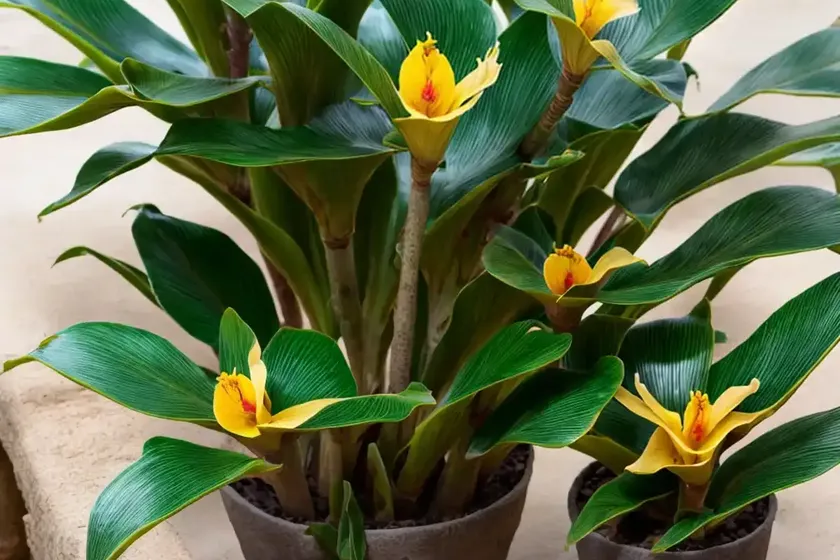
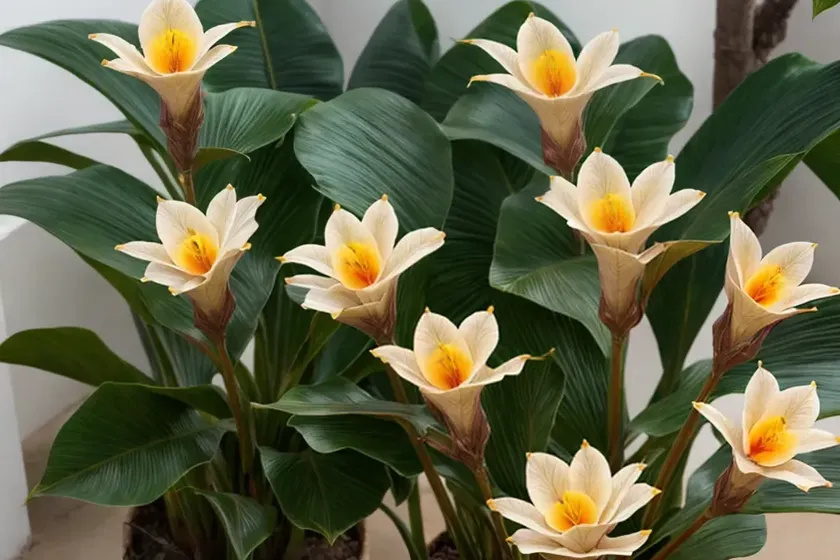
Plant Name: “Costus Pictus (Costaceae Zingiberaceae)”
Introduction to Costus Pictus
Costus Pictus, also known as the Spiral Flag or the Mirror Plant, is a striking species from the Costaceae family, which is part of the Zingiberaceae order. Native to South and Central America, this plant has gained popularity not only for its aesthetic appeal but also for its medicinal uses.
This comprehensive guide will provide you with all the essential information you need to cultivate and care for the beautiful Costus Pictus. From its cultural requirements to its uses, care guide, and a wealth of botanist’s tips, this article is your ultimate resource for understanding and nurturing this remarkable plant.
Key Takeaways – Costus Pictus (Costaceae Zingiberaceae)
Before we delve into the details, let’s briefly explore the key takeaways about Costus Pictus. As you read further, you will gain a deeper understanding of each of these aspects.
- Plant Name: Costus Pictus (Costaceae Zingiberaceae)
- Plant Family: Costaceae
- Order: Zingiberaceae
- Native Habitat: South and Central America
- Characteristics: Spiraling leaves, vibrant foliage, and unique floral structures
- Uses: Ornamental, medicinal, and landscape purposes
- Care Requirements: Adequate water, indirect sunlight, well-draining soil, and occasional fertilization
- Propagation Methods: Rhizome division, stem cuttings
- Common Pests: Aphids, spider mites
- Common Diseases: Root rot, leaf spot
Now, let’s explore each of these aspects in detail to gain a holistic understanding of Costus Pictus.
Plant Profile: Costus Pictus
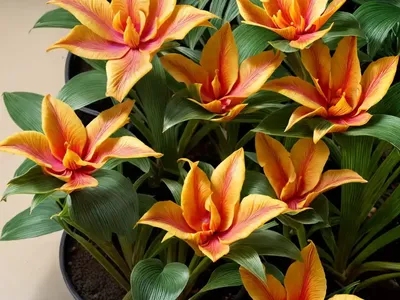
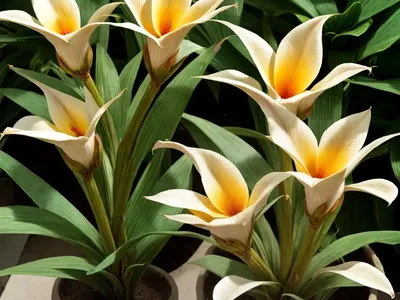
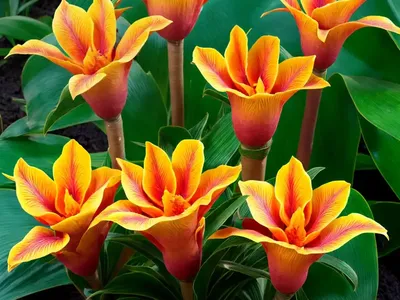
Costus Pictus, a member of the Costaceae family and the Zingiberaceae order, is revered for its stunning foliage and unique floral appearance. This plant is characterized by its spiraling leaves that showcase an array of vibrant colors, ranging from green to burgundy. The inflorescence of Costus Pictus is equally captivating, featuring striking bracts and intricate yellow flowers.
Costus Pictus Characteristics
- Leaf Shape: Elongated, spiraling leaves
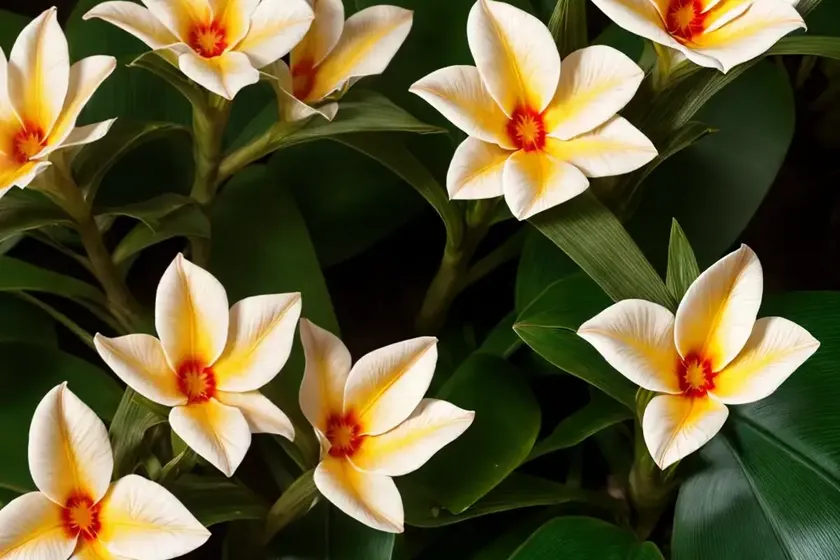
- Flower Appearance: Intricate yellow flowers surrounded by vibrant bracts
- Foliage Color: Ranges from deep green to shades of burgundy
- Plant Size: Can reach heights of 5 to 7 feet
- Lifespan: Perennial
- Hardiness: Suitable for USDA hardiness zones 9-11
Natural Habitat
Costus Pictus thrives in the tropical climates of South and Central America. It can be found in lush, humid environments, often growing alongside other tropical flora.
Plant Uses
Costus Pictus serves a multitude of purposes, making it a versatile addition to both indoor and outdoor spaces. Its uses include:
- Ornamental Purposes: Its striking foliage and unique floral displays make it a sought-after ornamental plant.
- Medicinal Uses: Certain parts of the plant are utilized in traditional herbal remedies for various ailments.
- Landscape Enhancement: Costus Pictus can be incorporated into landscape designs to introduce vibrant color and texture.
With a deeper understanding of Costus Pictus’ profile and uses, let’s proceed to explore the cultural requirements for successfully nurturing this captivating plant.
Cultural Requirements
To ensure the optimal growth and health of Costus Pictus, it’s crucial to understand its specific cultural requirements, including factors such as water, sunlight, fertilizer, soil, and pruning practices.
Water
Costus Pictus thrives in consistently moist but well-draining soil. It’s essential to provide regular watering, ensuring that the soil remains evenly moist without becoming waterlogged. During the hotter months, increased watering may be necessary to maintain the plant’s vigor.
Sunlight
In its natural habitat, Costus Pictus thrives in dappled or indirect sunlight. When cultivated indoors, it’s important to position the plant in a location that receives ample indirect light. Excessive exposure to direct sunlight may cause the foliage to scorch, so it’s advisable to shield the plant from harsh sun rays.
Fertilizer
Fertilization is essential to support the robust growth and vibrant foliage of Costus Pictus. During the growing season, a balanced, water-soluble fertilizer can be applied every 4-6 weeks. It’s vital to dilute the fertilizer to half the recommended strength to prevent the risk of over-fertilization, which can damage the plant.
Soil
Costus Pictus thrives in well-draining, organic-rich soil. A mixture of peat moss, perlite, and loamy soil can provide an ideal growing medium for this plant. It’s important to ensure that the soil remains consistently moist without becoming waterlogged, as excessive moisture can lead to root rot.
Pruning
Pruning is generally minimal for Costus Pictus, primarily focused on the removal of any dead or damaged foliage to maintain the plant’s aesthetic appeal. Additionally, spent flower spikes can be trimmed to encourage new growth and flowering.
With a solid understanding of the cultural requirements, we can now explore the propagation methods for extending the presence of Costus Pictus in your garden or indoor space.
Propagation
Propagation of Costus Pictus can be achieved through several methods, allowing you to expand your collection of these captivating plants. The two primary methods of propagation for Costus Pictus are rhizome division and stem cuttings.
Rhizome Division
Division of the plant’s rhizomes allows for the creation of new individual plants. This method is best undertaken during the plant’s active growth period, ensuring the successful establishment of the divided segments.
Stem Cuttings
Stem cuttings can also be utilized to propagate Costus Pictus. Select healthy, non-flowering stems and trim them to the desired length, ensuring that each cutting possesses at least one node. These cuttings can then be rooted in a well-draining, moist medium to encourage the development of new root systems.
By employing these propagation methods, you can expand your cultivation of Costus Pictus, enhancing the visual appeal of your garden or indoor space.
Container Gardening with Costus Pictus
The adaptable nature of Costus Pictus makes it well-suited for container gardening, allowing you to incorporate this stunning plant into various indoor and outdoor settings. When engaging in container gardening with Costus Pictus, there are several considerations to take into account for optimal growth and visual impact.
Container Selection
Choose a container that provides ample space for the plant’s root system to develop and has adequate drainage holes to prevent waterlogging. Opt for a well-structured, durable container that complements the aesthetic appeal of the plant.
Soil Considerations
Select a high-quality potting mix that offers excellent drainage and aeration. A mixture of peat moss, perlite, and loamy soil can provide an ideal growing medium for Costus Pictus in containers.
Sunlight and Watering
Position the container in a location that receives indirect sunlight, ensuring that the plant is shielded from harsh midday rays. Carefully monitor the moisture levels in the soil, ensuring that the plant is watered consistently, allowing the soil to dry slightly between waterings.
Popularity in Container Gardening
Costus Pictus has garnered popularity in container gardening due to its striking foliage and suitability for indoor cultivation. Its vibrant colors and unique appearance make it a coveted addition to both compact and expansive container gardens.
Common Diseases and Pest Control
While Costus Pictus is relatively resilient, it can be susceptible to certain diseases and pest infestations. Understanding these potential issues is crucial for implementing preventive measures and promoting the plant’s well-being.
Common Diseases
- Root Rot: Caused by overwatering and poorly draining soil, resulting in the decay of the plant’s roots.
- Leaf Spot: Characterized by the appearance of dark spots or lesions on the foliage, often caused by fungal pathogens.
Disease Diagnosis
Early detection of diseases is essential for effective intervention. Inspect the plant regularly for signs of wilting, discoloration, or unusual blemishes on the foliage. If any abnormalities are observed, prompt action should be taken to mitigate the spread of the disease.
Common Pests
- Aphids: Small, sap-sucking insects that can lead to stunted growth and damage to the plant’s foliage.
- Spider Mites: These pests thrive in dry conditions and can cause discoloration and webbing on the plant’s leaves.
Pest Control
Implementing preventive measures, such as regular inspection and maintaining suitable humidity levels, can deter common pests from infesting Costus Pictus. Additionally, natural predators and beneficial insects can be introduced to control pest populations without the use of chemical treatments.
By staying vigilant and implementing appropriate measures, you can safeguard the health and vitality of your Costus Pictus plants, ensuring their longevity and visual appeal.
Botanist’s Tips for Growing Costus Pictus
To enhance your proficiency in cultivating Costus Pictus, consider implementing the following botanist’s tips for optimal growth and overall plant well-being:
- Maintain Consistent Moisture: Monitor the moisture levels in the soil to ensure that it remains consistently moist without becoming waterlogged. Adequate moisture is essential for the plant’s vigor.
- Shield from Direct Sunlight: Position the plant in a location that receives indirect sunlight to prevent the risk of foliage scorching, particularly during the peak of the day.
- Regular Inspections: Conduct regular inspections of the plant to detect any signs of pest infestation or disease development, allowing for timely intervention.
- Balanced Fertilization: Apply a balanced, water-soluble fertilizer at half the recommended strength to promote healthy growth without the risk of over-fertilization.
- Pruning Practices: Engage in minimal pruning, primarily focused on the removal of dead or damaged foliage and spent flower spikes to maintain the plant’s aesthetic appeal.
By incorporating these tips into your cultivation practices, you can elevate your proficiency in nurturing Costus Pictus, ensuring the sustained health and visual allure of your plants.
Fun Facts about Costus Pictus
While delving into the world of Costus Pictus, it’s intriguing to explore some captivating and lesser-known facts about this remarkable plant:
- Medicinal Uses: In certain cultures, Costus Pictus is recognized for its traditional medicinal applications, where it is used in herbal remedies for various conditions.
- Botanical Diversity: The Costaceae family, to which Costus Pictus belongs, comprises a diverse array of plant species, each possessing unique ornamental and ecological attributes.
- Tropical Habitat: Costus Pictus’ native habitat in South and Central America showcases the vast diversity and lush beauty of tropical flora.
- Floral Attraction: The vibrant bracts and intricate yellow flowers of Costus Pictus serve as a magnet for pollinators, contributing to the ecological dynamics of its natural habitat.
These fun facts provide a glimpse into the multifaceted nature of Costus Pictus, further enhancing its allure and significance within botanical and horticultural contexts.
Costus Pictus in Feng Shui and Landscape Design
The vibrant and spiraling foliage of Costus Pictus lends itself to various applications in landscape design and the principles of Feng Shui, offering aesthetic appeal and symbolic significance.
Feng Shui Benefits
In Feng Shui, the spiraling nature of Costus Pictus’ foliage symbolizes growth and progress, making it an auspicious addition to indoor spaces. Its vibrant colors and dynamic form contribute to the positive energy flow within the environment.
Landscape Applications
Costus Pictus can be integrated into landscape designs to introduce visual interest, texture, and vibrant color. Its versatile nature allows for the creation of striking focal points and naturalistic arrangements within gardens and outdoor spaces.
By incorporating Costus Pictus into Feng Shui practices and landscape designs, you can harmonize the visual and symbolic elements within your living spaces, fostering an atmosphere of vitality and balance.
Conclusion
Costus Pictus, a captivating member of the Costaceae family and the Zingiberaceae order, encompasses a wealth of ornamental, cultural, and medicinal characteristics. From its vibrant foliage and unique floral displays to its applications in landscape design and Feng Shui, this remarkable plant offers an array of benefits and allure.
In this comprehensive guide, we’ve explored the cultural requirements, propagation methods, pest control practices, and fascinating facts pertaining to Costus Pictus. By embracing this knowledge and implementing the recommended care practices, you can cultivate and appreciate the beauty of Costus Pictus in your indoor and outdoor spaces.
Through the intricate spirals of its leaves and the vibrancy of its floral displays, Costus Pictus invites us to celebrate the exuberance and diversity of the natural world, enriching our lives with its ornamental charm and botanical significance.
External Resources
For further exploration of Costus Pictus and related botanical topics, you may find the following external resources to be valuable:
- Royal Horticultural Society – Costus Pictus Plant Profile
- Missouri Botanical Garden – Costaceae Family Overview
- American Society for Horticultural Science – Cultivation Practices for Zingiberaceae Plants
- Botanical Society of America – Botanical Diversity of South America
These resources offer in-depth information and botanical insights that can further enrich your understanding of Costus Pictus and its botanical relatives.