Corymbia Ficifolia (Corymbia Ficifolia)
Corymbia ficifolia, commonly known as the red flowering gum or scarlet gum tree, is an iconic Australian native plant renowned for its stunning, vibrant.

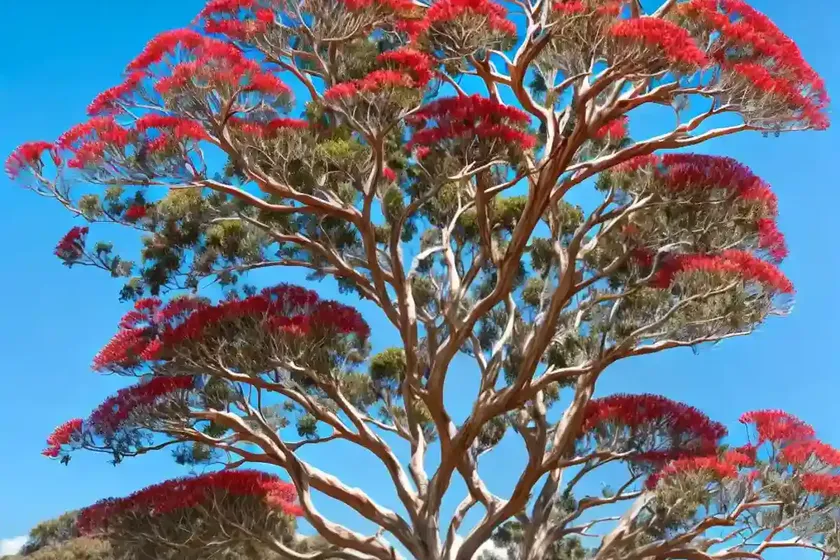

Corymbia ficifolia, commonly known as the red flowering gum or scarlet gum tree, is an iconic Australian native plant renowned for its stunning, vibrant flowers and dense foliage. This remarkable tree not only adds beauty to any landscape but also offers a myriad of cultural, ecological, and ornamental benefits.
In this comprehensive guide, we will delve into the various aspects of Corymbia ficifolia, including its cultural requirements, uses, water and sunlight needs, fertilizer and soil preferences, pruning techniques, propagation methods, as well as its popularity, common diseases, and pests. Additionally, we will explore some fun facts, botanist’s tips, and provide links to external resources for further information.
What is Corymbia ficifolia?
Corymbia ficifolia, a species of eucalyptus, belongs to the diverse family of Myrtaceae. This evergreen tree is native to the southwest region of Western Australia and is also found in parts of South Australia. It is appreciated for its striking, large clusters of flowers that come in various shades of red, from deep crimson to bright orange, and occasionally, pink.
The foliage of Corymbia ficifolia is equally attractive, characterized by its dense, glossy green leaves. Its growth habit is relatively compact, making it suitable for various landscape settings including gardens, parks, and urban plantings.
This species is known for its ability to thrive in hot, dry conditions, making it a valuable choice for gardens in arid climates. Its adaptability to withstand harsh environments, coupled with its fire resistance, further underscores its importance in conservation and landscaping efforts.
Key Takeaways – Corymbia ficifolia
Here is a quick overview of some key points to keep in mind when considering Corymbia ficifolia for your garden or landscape:
- Scientific Name: Corymbia ficifolia
- Common Names: Red flowering gum, scarlet gum tree
- Cultural Uses: Ornamental flowering tree, drought-tolerant, fire-resistant, and attracts wildlife
- Water Needs: Moderate; drought-tolerant once established
- Sunlight Requirements: Full sun
- Fertilizer: Minimal; prefers low-phosphorus feed
- Soil Preferences: Well-draining, sandy or loamy soil
- Pruning: Minimal pruning required; remove spent flowers if desired
- Propagation: Typically propagated from seeds or cuttings
- Container Popularity: Can be grown in containers in suitable climates
Now, let’s take a deeper look into each of these aspects in order to understand how to best care for Corymbia ficifolia and make the most of its remarkable characteristics.
Culture
Uses
Corymbia ficifolia holds several remarkable uses that make it a valuable addition to both natural and cultivated landscapes, as well as urban environments. Some of its key uses include:
- Ornamental Flowering Tree: The vibrant, large clusters of flowers make Corymbia ficifolia a sought-after ornamental tree, adding a spectacular display of color to gardens and parks.
- Drought-Tolerant and Fire-Resistant: Its ability to withstand drought and resist fires makes it an important species for landscapes in arid regions and in fire-prone areas.
- Attracts Wildlife: The profuse flowers of Corymbia ficifolia attract a variety of wildlife, including birds and insects, making it a vital component of biodiversity in gardens and natural habitats.
These uses underscore the ecological and aesthetic significance of Corymbia ficifolia in various settings.
Water
Corymbia ficifolia exhibits moderate water requirements, particularly during its establishment phase. Once mature, this species demonstrates excellent drought tolerance and can thrive in arid conditions. However, regular watering during prolonged dry spells is beneficial, especially for promoting flowering. It is essential to strike a balance to avoid waterlogging, as excessively wet soil can lead to root rot.
Sunlight
An abundance of sunlight is essential for the growth and flowering of Corymbia ficifolia. It thrives in full sun and may not perform optimally in shaded or partially shaded locations. When planting, ensure the tree has access to at least six hours of direct sunlight daily to support its vigor and flowering capacity.
Fertilizer
Corymbia ficifolia generally requires minimal fertilization, particularly in nutrient-rich soils. Excessive fertilization, especially with high-phosphorus feeds, may lead to nutrient imbalances and unfavorable growth patterns. When fertilization is necessary, opt for a low-phosphorus, slow-release fertilizer designed for native plants. Apply the fertilizer in spring, avoiding direct contact with the trunk to prevent potential damage.
Soil
The ideal soil conditions for Corymbia ficifolia are well-draining, slightly acidic soils with a sandy or loamy texture. These soil characteristics mimic its native habitat and promote healthy root growth and overall plant vigor. Avoid heavy clay soils that tend to retain excessive moisture, potentially leading to root suffocation and reduced plant vitality. Prior to planting, consider amending the soil with organic matter to enhance its drainage and nutrient-holding capacity.
Pruning
Corymbia ficifolia typically requires minimal pruning, as it naturally develops a well-shaped canopy. Pruning activities should focus on removing any dead, damaged, or diseased branches to maintain the tree’s health and appearance. Additionally, spent flowers can be removed if desired, which may stimulate further flowering in subsequent seasons.
Propagation
Propagation of Corymbia ficifolia is commonly achieved through both seeds and cuttings, each with its own set of considerations:
- Seeds: Collect mature seeds from the tree, ideally during its natural dispersal period. Prepare the seeds by scarifying the hard seed coat to enhance germination. Sow the seeds in a well-draining propagation mix and maintain consistent moisture levels to support successful germination.
- Cuttings: Softwood cuttings taken from healthy, actively growing shoots can also be used for propagation. Dip the cut ends in a rooting hormone to encourage root development and plant them in a suitable growing medium. Maintain high humidity and warmth to promote root establishment.
Both methods require attentive care and patience to yield successful propagation.
Container Popularity
Corymbia ficifolia is well-suited to container cultivation in regions that offer its preferred growing conditions. When grown in containers, it is crucial to select a well-draining potting mix and provide ample sunlight for the tree. Regular watering is essential, as containerized plants are more susceptible to moisture fluctuations. Additionally, potted Corymbia ficifolia may benefit from periodic fertilization during the growing season to support their vigor and bloom production.
The ability to grow this species in containers extends its suitability to a wider range of environments, including urban and patio settings.
Popularity
Corymbia ficifolia has garnered considerable popularity globally, particularly in regions with similar climatic conditions to its native habitat. Its striking flowers, drought tolerance, and ornamental appeal have made it a sought-after choice for landscapes and gardens with a focus on native, low-maintenance plants. Furthermore, its potential for container cultivation has extended its appeal to urban and small-space settings, contributing to its widespread popularity.
Common Diseases
While Corymbia ficifolia is generally robust, it can be susceptible to certain diseases under unfavorable growing conditions. Some common diseases that may affect this species include:
- Canker Diseases: Various fungal pathogens can cause cankers on the trunk and branches, leading to dieback and decline of the tree if left unmanaged.
- Powdery Mildew: In humid conditions, powdery mildew can affect the leaves, causing a white powdery growth and potentially impairing the tree’s photosynthetic capacity.
- Root Rot: Prolonged soil moisture and poor drainage can predispose Corymbia ficifolia to root rot, impacting its overall health and stability.
Proactive measures such as proper site selection, adequate spacing, and good cultural practices can mitigate the risk of these diseases.
Disease Diagnosis
Diagnosing diseases in Corymbia ficifolia involves careful observation of the tree’s overall health and any visible symptoms. Regular monitoring for changes in foliage color, shoot dieback, or the presence of abnormal growths on the trunk and branches can aid in early disease detection.
In cases where disease symptoms are noted, it is advisable to seek the expertise of a local plant pathology professional or arborist for accurate diagnosis and targeted management recommendations.
Common Pests
Pests can occasionally pose a threat to Corymbia ficifolia, particularly when the tree is stressed or growing under suboptimal conditions. Common pests that may affect this species include:
- Lerp Psyllids: These sap-feeding insects can cause leaf discoloration and deformation, impacting the tree’s aesthetics and potentially its overall health.
- Borers: Larval stages of various beetle species can tunnel into the wood of Corymbia ficifolia, leading to weakened branches and reduced vigor.
- Scale Insects: Scale insects can attach themselves to the stems and leaves of the tree, sapping its resources and potentially causing wilting and decline.
Vigilant monitoring and timely intervention can help manage pest populations and minimize their impact on the tree.
Botanist’s Tips
Here are some expert tips for successful cultivation and care of Corymbia ficifolia:
- Selecting a Site: Choose a site with full sun exposure and well-draining soil to optimize the growth and flowering of Corymbia ficifolia.
- Minimal Interference: Intervene minimally with the natural growth habit of the tree, as excessive pruning or shaping may disrupt its characteristic form and flowering capacity.
- Regular Monitoring: Regularly monitor the tree for any signs of stress, disease, or pest activity, and take prompt action as needed to maintain its health and vigor.
These tips encapsulate the essence of providing optimal conditions for the thriving of Corymbia ficifolia in a variety of settings.
Fun Facts
- Corymbia ficifolia is a favored source of nectar for various bird species, making it an important component of bird-friendly landscapes.
- The species’ vibrant summer flowers contribute to the overall aesthetics of gardens and public spaces, creating a captivating visual display.
- Indigenous Australians have historically used parts of the tree for various purposes, including crafting tools and extracting medicinal compounds from its bark.
These intriguing facts highlight the multifaceted significance of Corymbia ficifolia in both ecological and cultural contexts.
Links to External Resources
For further information and resources on Corymbia ficifolia, refer to the following links:
- The Australian Native Plants Society: An organization dedicated to the appreciation and conservation of native Australian plants.
- FloraBase – The Western Australian Flora: A comprehensive botanical resource providing detailed insights into the flora of Western Australia.
- PlantNet – Royal Botanic Garden Sydney: A botanical database offering extensive plant management information.
These resources offer valuable insights into the cultivation, conservation, and management of Corymbia ficifolia, serving as helpful references for plant enthusiasts, horticulturists, and conservationists alike.
In conclusion, Corymbia ficifolia, with its showy flowers, drought tolerance, and ecological benefits, stands as a remarkable tree species with broad appeal for a range of landscape and gardening applications. By understanding its cultural requirements, uses, and potential challenges, enthusiasts and horticulturists alike can successfully integrate this iconic Australian native plant into various settings, fostering its conservation and appreciation for generations to come.
Keywords: Corymbia ficifolia care, Corymbia ficifolia varieties, red flowering gum, Australian native plants, ornamental flowering tree, dense foliage tree, Corymbia ficifolia pruning, native garden plants, Corymbia ficifolia cultivation, native Australian flowering trees, Corymbia ficifolia landscape uses, drought-tolerant plants, fire-resistant plants, attracting wildlife to your garden, bird-friendly trees, low-maintenance tree species, vibrant summer flowers, flowering gum tree, Corymbia ficifolia common names, Corymbia ficifolia medicinal uses, shade tree options, landscaping with native trees, ornamental garden trees, red blooming tree species, Corymbia ficifolia environmental benefits, native plant conservation, tree for coastal gardens, red gum tree varieties, Corymbia ficifolia outdoor planting, native tree for urban areas, heat-tolerant plants, Australian tree species, Corymbia ficifolia timber uses, large flowering tree, native tree for hedges, Corymbia ficifolia soil requirements, tree for small spaces, native tree for hot climates, Corymbia ficifolia pest and disease control, tree for slope stabilization, Corymbia ficifolia water needs, native tree for attracting bees, ornamental tree with showy flowers, Corymbia ficifolia pruning tips