Corylopsis Pauciflora (Buttercup Winterhazel)
Corylopsis pauciflora, commonly known as Buttercup Winterhazel, is a captivating deciduous shrub that belongs to the witch hazel family, Hamamelidaceae..
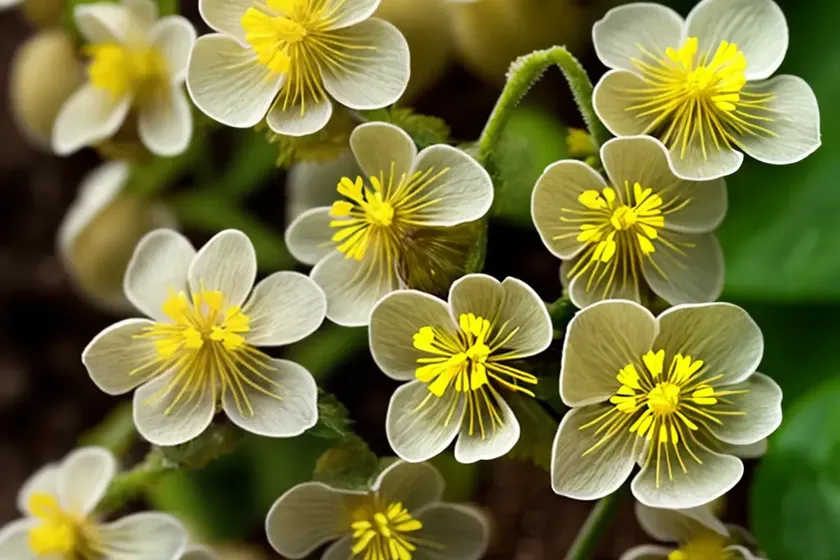
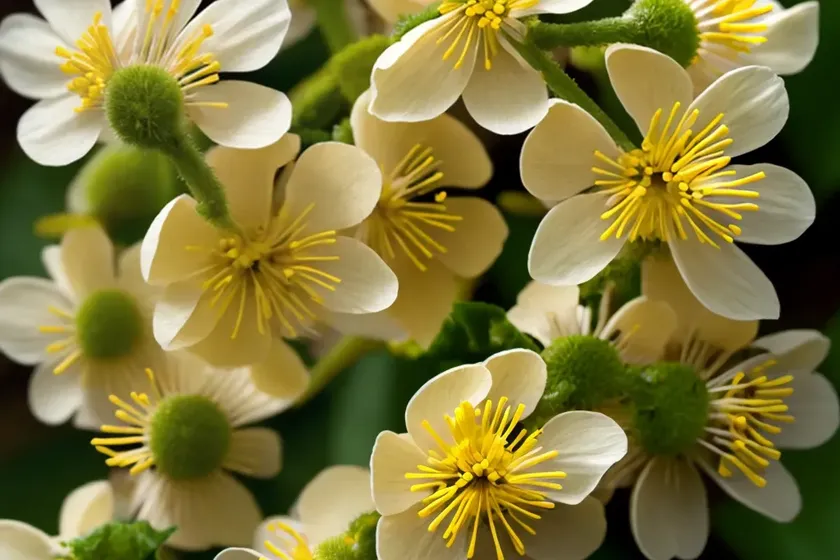
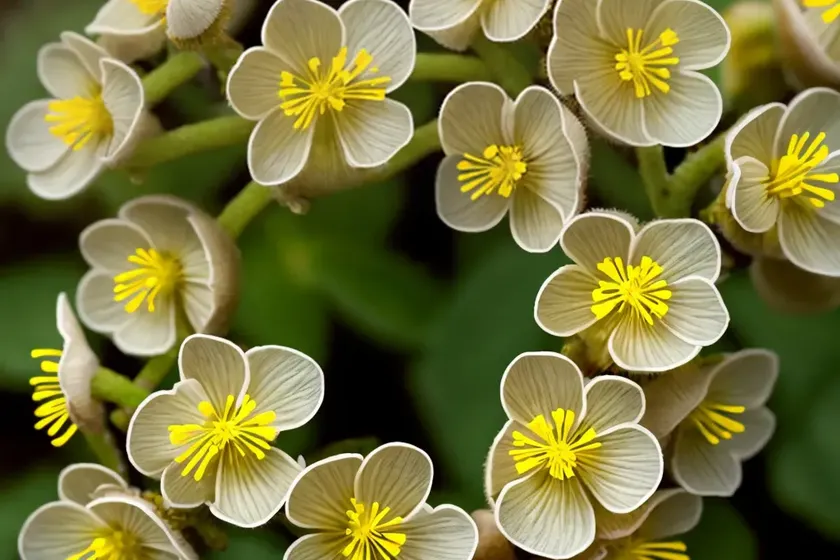
Corylopsis pauciflora, commonly known as Buttercup Winterhazel, is a captivating deciduous shrub that belongs to the witch hazel family, Hamamelidaceae. This species is native to regions such as Japan and China, where it thrives in woodland margins, moist valleys, and along streams. The plant is highly valued for its stunning yellow flowers that grace the landscape during late winter and early spring. In this comprehensive guide, we will delve into the plethora of factors related to Corylopsis pauciflora, including its characteristics, cultivation practices, uses, and more.
Section 1: What is Corylopsis pauciflora (Buttercup Winterhazel)?
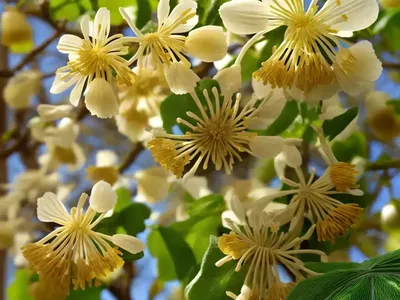
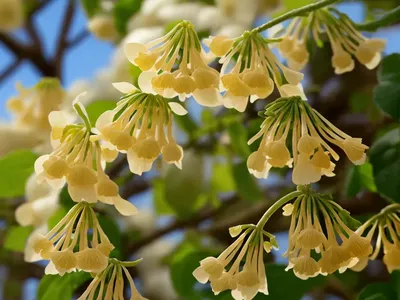
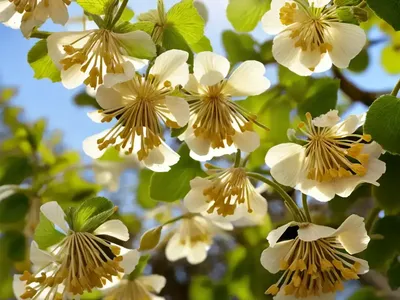
Corylopsis pauciflora is an ornamental, multi-stemmed shrub that typically reaches a height and spread of 4-6 feet. It bears oval, dark green leaves that turn attractive shades of yellow, orange, or red in the autumn, lending vibrant foliage interest to the landscape. However, the plant is perhaps most renowned for its abundant, pendulous clusters of primrose yellow flowers, which emerge in late winter or early spring. The densely clustered, bell-shaped blooms bring a burst of color and fragrance to the garden at a time when few other plants are in bloom.
The genus name “Corylopsis” is derived from the Greek words “korylos” (hazel) and “opsis” (resembling), which refers to the hazel-like leaves and flowers of the plant. Meanwhile, the specific epithet “pauciflora” translates to “few-flowered,” alluding to the inflorescence of this species.
Corylopsis pauciflora Characteristics
- Scientific Name: Corylopsis pauciflora
- Common Name: Buttercup Winterhazel
- Family: Hamamelidaceae
- Type: Deciduous shrub
- Mature Height: 4-6 feet
- Mature Spread: 4-6 feet
- Foliage: Dark green, changing to yellow, orange, or red in autumn
- Flowers: Pendulous, fragrant, primrose yellow
- Blooming Period: Late winter to early spring
Section 2: Key Takeaways – Corylopsis pauciflora (Buttercup Winterhazel)
Culture
Uses
- Ornamental: Due to its beautiful flowers and foliage, Corylopsis pauciflora is widely used in ornamental plantings. It can be utilized as a specimen plant or as a part of mixed borders and woodland gardens. Its striking aesthetic qualities make it a popular choice for landscape enhancement, particularly in early spring when its bright yellow blooms stand out against the winter landscape.
Water
Corylopsis pauciflora typically prefers consistently moist, well-drained soil. Although it can tolerate brief dry spells once established, it thrives in environments with ample moisture.
Sunlight
In terms of sunlight preferences, this plant performs best in partial shade to full sun. It is adaptable to a range of light conditions but generally benefits from some protection from the intense afternoon sun, especially in hotter climates.
Fertilizer
When it comes to fertilization, apply a balanced, slow-release fertilizer in early spring before new growth emerges. Additionally, organic mulch can aid in maintaining soil moisture and fertility.
Soil
The ideal soil for Corylopsis pauciflora is organically rich, slightly acidic to neutral, and well-drained. It is important to avoid wet or waterlogged soil conditions, as this can lead to root rot and other moisture-related issues.
Pruning
Corylopsis pauciflora generally requires minimal pruning. After flowering, any dead, damaged, or crowded branches can be selectively pruned to enhance the plant’s shape and structure. It is advisable to perform any necessary shaping or size control immediately after flowering to avoid interfering with the following year’s bloom production.
Propagation
The plant can be propagated through various methods, such as seed sowing, softwood cuttings, and division. Softwood cuttings are typically taken in early summer and propagated under mist or in a protected environment.
Container Popularity
Corylopsis pauciflora is well-suited for container cultivation, making it a versatile option for gardens with limited space. When grown in containers, it is important to ensure adequate soil moisture and provide protection from extreme temperatures and drying winds.
Common Diseases
- Powdery Mildew: This fungal disease can be a concern in conditions with poor air circulation and high humidity. To mitigate powdery mildew, ensure proper spacing between plants and utilize resistant cultivars when available. Fungicidal sprays may also be employed as a preventive or remedial measure.
Disease Diagnosis
When diagnosing diseases in Corylopsis pauciflora, it is important to closely examine the foliage, stems, and overall plant health. Symptoms such as leaf spots, wilting, discoloration, or deformities can provide valuable clues as to the nature of the issue. In many cases, consulting with a local extension service or plant health specialist can aid in accurate disease identification and management.
Common Pests
- Aphids: These sap-sucking insects can infest Corylopsis pauciflora, causing leaf distortion and potential damage to the plant. Natural predators, such as ladybugs and lacewings, can help control aphid populations. Additionally, insecticidal soaps or horticultural oils can be used to manage infestations if necessary.
Botanist’s Tips
- Companion Plants: When selecting companion plants for Corylopsis pauciflora, consider species that complement its moisture and light preferences. Plants such as ferns, hostas, and hellebores can create a harmonious woodland garden setting alongside Buttercup Winterhazel.
Fun Facts
- In addition to its aesthetics and ecological benefits, Corylopsis pauciflora also holds cultural significance in traditional herbal medicine and folklore, where it has been utilized for various medicinal and symbolic purposes in different regions.
Links to External Resources
For additional information on Corylopsis pauciflora and related topics, the following resources are recommended:
1. Royal Horticultural Society – Corylopsis pauciflora
2. Missouri Botanical Garden – Corylopsis pauciflora
3. American Horticultural Society – Corylopsis and Edgeworthia: Siblings, Senses, and Sensible Gardening
In the next sections, we will explore the growing conditions, landscape uses, and specific care requirements for cultivating and maintaining Corylopsis pauciflora.
Section 3: Corylopsis pauciflora (Buttercup Winterhazel) Cultivation Guide
Corylopsis pauciflora Growing Conditions
Soil Types
Corylopsis pauciflora flourishes in organically rich, well-drained soil with a slightly acidic to neutral pH. Loamy soils are particularly well-suited to this species, as they provide the necessary balance of drainage, aeration, and moisture retention.
Water Requirements
While Corylopsis pauciflora can tolerate brief dry spells, it prefers consistently moist soil. Regular watering, particularly during periods of drought or heat stress, is essential to promote healthy growth and flowering. Mulching around the base of the plant helps retain soil moisture and regulate temperature fluctuations.
Sunlight Preferences
In terms of sunlight, Corylopsis pauciflora performs best in partial shade to full sun. It thrives in locations with dappled sunlight, such as beneath deciduous trees or in areas protected from the intense midday sun. Adequate sunlight is crucial for promoting vigorous flowering and maintaining balanced growth.
Winterhazel Varieties
While Corylopsis pauciflora is a captivating species in its own right, it is worth exploring the diverse array of Corylopsis cultivars and related species available in the horticultural market. Varieties such as Corylopsis spicata and Corylopsis sinensis offer unique characteristics and bloom times, expanding the range of options for landscape design and plant collections.
Section 4: Buttercup Winterhazel Care Tips
Pruning Techniques
After flowering, the pruning of Corylopsis pauciflora should focus on the removal of dead, damaged, or overcrowded branches. This not only enhances the plant’s appearance but also supports healthy new growth and future flowering. It is advisable to prune immediately after the flowering period to avoid interfering with the formation of next year’s flower buds.
Landscape Design
Corylopsis pauciflora is a versatile shrub that lends itself to various landscape design applications. From mixed borders and foundation plantings to woodland gardens and naturalistic settings, its bright flowers and autumn foliage contribute to the visual interest and seasonal transitions within the garden. When incorporating Corylopsis pauciflora into the landscape, consider its mature size and growth habit to ensure proper placement and spacing.
Planting Guide
When planting Corylopsis pauciflora, select a location with well-drained soil and partial shade to full sun exposure. It is beneficial to amend the soil with organic matter and conduct a thorough watering after planting to establish the root system. Proper spacing between individual plants allows for adequate air circulation and future growth without overcrowding.
Section 5: Winterhazel Shrub Maintenance
Disease Prevention
To prevent disease issues, ensure proper air circulation around the plant through thoughtful spacing and selective pruning. Additionally, avoid overhead watering to minimize moisture on the leaves, which can contribute to fungal diseases. Regular monitoring for signs of stress or disease can aid in early intervention and successful management.
Flowering Period
Corylopsis pauciflora typically blooms in late winter to early spring, offering a much-needed burst of color and fragrance during the transitional period between winter and spring. The vibrant yellow flowers create a captivating display that resonates with pollinators and admirers alike.
Water Conservation Tips
While Corylopsis pauciflora appreciates consistent moisture, efficient water conservation practices can be implemented to support its needs. Mulching, utilizing rainwater collection, and employing drip irrigation systems are effective strategies for managing soil moisture and promoting water conservation in the garden.
Section 6: Corylopsis pauciflora Disease Prevention and Wildlife Attraction
Wildlife Attraction
Corylopsis pauciflora exhibits appeal to a variety of pollinators, including bees and butterflies, with its abundant, early-season flowers. The nectar and pollen resources provided by the plant contribute to supporting local pollinator populations and promoting ecological balance in the garden.
Natural Pest Control
Incorporating native plantings and diverse habitats within the garden can foster natural pest control mechanisms by attracting beneficial insects and predators that help manage pest populations. By creating a balanced ecosystem, gardeners can reduce the reliance on chemical controls and encourage a more resilient and sustainable approach to pest management.
Bird-Friendly Plant
The nectar-rich blooms and dense foliage of Corylopsis pauciflora provide valuable resources for birds, making it a welcome addition to wildlife-friendly gardens. The plant’s ecological contributions support avian biodiversity and offer opportunities for observing and appreciating local bird species in the garden setting.
Section 7: Buttercup Winterhazel Blooming Tips and Landscape Uses
Blooming Tips
To enhance the blooming of Corylopsis pauciflora, provide adequate sunlight, moisture, and nutrients to support healthy flower production. Adequate pruning and maintenance practices, such as the removal of dead wood and the promotion of new growth, can contribute to vigorous flowering and overall plant health.
Landscape Uses
Corylopsis pauciflora’s versatility makes it well-suited for a range of landscape uses. From focal points and specimen plantings to mass plantings and mixed borders, its adaptability and ornamental qualities offer diverse opportunities for integration into garden designs. When selecting companion plants, consider species that complement the moisture and light preferences of Corylopsis pauciflora to create cohesive and visually appealing plantings.
Section 8: Corylopsis pauciflora Native Habitat and Environmental Contributions
Native Habitat
Corylopsis pauciflora is indigenous to regions of Japan and China, where it flourishes in woodland margins, moist valleys, and along streams. By acknowledging the plant’s native habitat and growing conditions, gardeners can emulate these environmental parameters to create sustainable and ecologically sensitive plantings.
Pollination Process
The pollination of Corylopsis pauciflora primarily occurs through the attraction of bees and other pollinating insects to its flowers. The transfer of pollen from flower to flower supports successful fertilization and the production of seeds, contributing to the plant’s reproductive cycle and genetic diversity within the population.
Section 9: Buttercup Winterhazel Pruning Schedule and Attractive Foliage
Pruning Schedule
After flowering, prune Corylopsis pauciflora as needed to remove dead, damaged, or crossing branches. By addressing pruning tasks promptly, gardeners can maintain the plant’s shape and structure while nurturing healthy growth and future flower production.
Attractive Foliage
In addition to its striking early-season blooms, Corylopsis pauciflora boasts attractive foliage that transitions through vibrant hues of yellow, orange, or red in the autumn. The changing colors of the leaves contribute to the seasonal interest and visual appeal of the plant, enhancing its year-round ornamental value.
Section 10: Corylopsis pauciflora Hybrid Varieties and Landscape Uses
Hybrid Varieties
In addition to the species Corylopsis pauciflora, there are hybrid cultivars and related species available in the horticultural market that offer unique features and adaptability. Varieties such as Corylopsis sinensis ‘Winterthur’ and Corylopsis spicata ‘Aurea’ present diverse options for gardeners seeking specific attributes or combinations of characteristics in their landscape plantings.
Landscape Uses
When incorporating Corylopsis pauciflora and its hybrid varieties into garden designs, consider the mature size, growth habit, and visual impact of the plants within the intended landscape setting. Whether as focal points, mass plantings, or integrated with other ornamental species, the versatility of Corylopsis pauciflora and its hybrids provides ample possibilities for creative and functional landscape applications.
Section 11: Winterhazel Water Requirements and Plant Arrangement Ideas
Water Requirements
Effective irrigation and moisture management are essential for meeting the water requirements of Corylopsis pauciflora. Regular watering, especially during periods of heat and drought, supports the plant’s growth, flowering, and overall health. Monitoring soil moisture and responding to the plant’s hydration needs are key components of successful water management.
Plant Arrangement Ideas
In garden compositions, the placement and arrangement of Corylopsis pauciflora can be strategically designed to complement other plantings, create visual focal points, or establish naturalistic settings. By considering the plant’s mature size, bloom times, and seasonal changes, gardeners can develop harmonious plant arrangements that reflect their aesthetic preferences and design intentions.
Section 12: Corylopsis pauciflora Leaf Color Variations and Naturalizing in Gardens
Leaf Color Variations
The leaves of Corylopsis pauciflora exhibit a range of color variations, transitioning from dark green in the growing season to vibrant hues of yellow, orange, or red in the autumn. These changing leaf colors contribute to the seasonal appeal and ornamental value of the plant, enhancing its role in the garden landscape.
Naturalizing in Gardens
Corylopsis pauciflora has the potential to naturalize and establish itself within garden settings, particularly in conditions that closely resemble its native habitat. By providing suitable growing conditions and minimal disturbance, gardeners can create environments conducive to the natural spread and adaptation of Corylopsis pauciflora within the landscape.
Section 13: Buttercup Winterhazel Shade Tolerance and Frost Protection Techniques
Shade Tolerance
Corylopsis pauciflora exhibits a good level of shade tolerance, making it suitable for planting beneath deciduous trees or in partially shaded areas. However, it thrives best in locations with dappled sunlight and protection from the intense afternoon sun, particularly in warmer climates.
Frost Protection Techniques
In regions where frost and freezing temperatures occur, implementing protective measures such as mulching, burlap wraps, or temporary coverings can safeguard Corylopsis pauciflora from potential damage. By providing insulation and minimizing exposure to harsh environmental conditions, gardeners can support the plant’s survival and overall resilience during cold periods.
Section 14: Corylopsis pauciflora Maintenance Tasks and Fragrance
Maintenance Tasks
Routine maintenance tasks for Corylopsis pauciflora include watering, mulching, fertilizing, and selective pruning to support the plant’s growth, flowering, and overall health. Regular inspection for signs of pests, diseases, or environmental stress allows for timely intervention and successful management of potential issues.
Fragrance
The flowers of Corylopsis pauciflora emit a delicate, sweet fragrance that adds an olfactory dimension to the plant’s ornamental appeal. The subtle scent of the blooms, combined with their vibrant color, creates a multisensory experience that enriches the garden environment during the early spring flowering period.
Section 15: Corylopsis pauciflora Root Depth and Transplanting Guide
Root Depth
The root system of Corylopsis pauciflora typically extends to a moderate depth, seeking moisture and nutrients within the topsoil layers. Understanding the root depth of the plant can inform watering practices, soil preparation, and overall care considerations within the garden setting.
Transplanting Guide
When transplanting Corylopsis pauciflora, it is important to plan the relocation during the plant’s dormant season to minimize stress and support successful establishment. Careful digging, root ball preparation, and post-transplant care are critical components of ensuring the plant’s adaptability and continued growth following the relocation process.
Section 16: Buttercup Winterhazel Pollinator-Friendly Plant and Decorative Uses
Pollinator-Friendly Plant
Corylopsis pauciflora is a pollinator-friendly plant that attracts bees and other beneficial insects with its abundant nectar resources and fragrant blooms. By supporting local pollinator populations, the plant contributes to ecological balance and sustains beneficial interactions within the garden ecosystem.
Decorative Uses
In addition to its ornamental value in the garden, Corylopsis pauciflora lends itself to various decorative uses, such as cut flower arrangements, floral displays, and seasonal decorations. The long-lasting, pendulous flowers and vibrant foliage provide opportunities for creative and artistic expressions in floral design and horticultural adornments.