Plant Scientist’s Guide to Cornus sericea ‘Cardinal’ (Redtwig Dogwood)
Introduction
Plants have always fascinated humanity with their beauty, utility, and biodiversity. Among the wide array of plant species, Cornus sericea ‘Cardinal’ or Redtwig Dogwood, stands out for its vibrant red bark and versatile uses. As a plant scientist, I am excited to delve into the world of Cornus sericea ‘Cardinal’ and explore its characteristics, cultivation, and ecological significance.
What is Cornus sericea ‘Cardinal’?
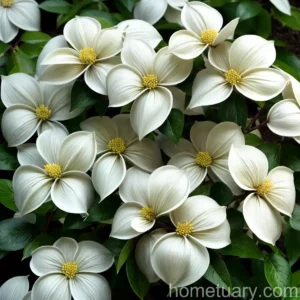
Cornus sericea ‘Cardinal’ is a deciduous shrub native to North America, specifically thriving in wetland habitats, along stream banks, and in moist woodlands. This striking plant belongs to the Cornaceae family and is known for its distinctive bright red bark, especially prominent during the winter months. It is a popular ornamental shrub, valued for its aesthetic appeal and landscaping versatility.
Key Takeaways – Cornus sericea ‘Cardinal’ (Redtwig Dogwood)
Culture
- Hardiness Zone: Cornus sericea ‘Cardinal’ typically thrives in hardiness zones 2 to 7, making it suitable for a wide range of climates.
- Foliage Color: The leaves are medium to dark green during the growing season, transitioning to attractive shades of red and purple in the fall.
- Growth Habit: This shrub exhibits a multi-stemmed, spreading growth habit, forming a dense thicket of branches.
Uses
- Landscaping: Its vibrant red stems make it a standout choice for winter interest in landscaping, creating striking focal points.
- Wildlife Habitat: The plant provides essential food and cover for various bird species, making it a valuable addition to wildlife-friendly gardens.
Water
- Watering Needs: Cornus sericea ‘Cardinal’ has moderate water needs and thrives in moist, well-drained soils. It is particularly well-suited to wetland restoration projects.
Sunlight
- Sunlight Requirements: This shrub flourishes in full sun to partial shade, making it adaptable to various light conditions in different garden settings.
Fertilizer
- Fertilization: It benefits from a balanced, slow-release fertilizer application in early spring to support healthy growth and vibrant foliage.
Soil
- Soil Requirements: Redtwig Dogwood prefers soils with a neutral to slightly acidic pH and good moisture retention. It can tolerate a variety of soil types, including sandy and clay soils.
Pruning
- Pruning Techniques: Regular rejuvenation pruning by removing older stems in late winter or early spring helps maintain the plant’s vibrant red stems and overall health.
Propagation
- Propagation Methods: Redtwig Dogwood can be propagated through stem cuttings taken from mature plants, which are then placed in a favorable rooting medium to develop new roots.
Container Popularity
- Container Gardening: It can thrive in large containers, providing a striking ornamental feature for patios or urban landscapes.
Container Common Diseases
- Disease Resistance: Resistant to common leaf spot diseases, but may be susceptible to powdery mildew under certain conditions.
Disease Diagnosis
- Common Pests and Diseases: Pests such as scale insects and diseases like powdery mildew may occasionally affect the plant. Regular monitoring and appropriate measures can help manage these issues.
Botanist’s Tips
- Growth Enhancement: Mulching around the base of the plant and providing adequate moisture during dry spells can promote healthy growth and vibrant stem color.
Fun Facts
- Natural Dye: The inner bark of Redtwig Dogwood contains pigments that have traditionally been used as a natural dye by indigenous cultures.
Links to External Resources
For further information on Redtwig Dogwood, refer to the following resources:
1. USDA Plants Database
2. Missouri Botanical Garden – Cornus sericea ‘Cardinal’
3. North Carolina State Extension – Redtwig Dogwood
Cornus sericea ‘Cardinal’ is a plant that captivates with its stunning visual appeal and ecological significance. By exploring its cultivation and characteristics, we can appreciate its role in landscaping, wildlife support, and horticultural diversity. As plant enthusiasts and scientists, there is always more to discover and appreciate about the remarkable world of plants.
As a plant scientist, I hope you found this guide to Cornus sericea ‘Cardinal’ insightful and informative. If you have any further questions or would like to delve deeper into the world of plants, feel free to reach out. Happy gardening!
Disclaimer: The information provided in this guide is based on scientific knowledge and horticultural practices. Specific local conditions and individual plant care requirements may vary. Always consult local experts and resources for tailored advice on plant cultivation and maintenance.