Cornus kousa ‘Greensleeves’ (Kousa Dogwood) – A Comprehensive Guide
Introduction to Cornus kousa ‘Greensleeves’
Cornus kousa, commonly known as Kousa Dogwood, is a deciduous flowering tree that captivates with its stunning blooms and distinctive bark. Among its cultivars, Cornus kousa ‘Greensleeves’ stands out for its remarkable features and versatility in landscaping. In this comprehensive guide, we will explore the various aspects of caring for this beautiful plant, including its culture, uses, water and sunlight requirements, fertilizer needs, soil preferences, pruning techniques, propagation methods, and its popularity in container gardening.
Key Takeaways – Cornus kousa ‘Greensleeves’ (Kousa Dogwood)
Before delving into the details of the care and maintenance of Cornus kousa ‘Greensleeves, let’s first outline the key takeaways of this beautiful plant:
- Scientific Name: Cornus kousa ‘Greensleeves’
- Common Name: Kousa Dogwood
- Characteristics: This plant is known for its eye-catching foliage, charming flowers, and interesting bark texture.
- Growth Habit: It has a moderate growth rate, forming a rounded shape as it matures.
- Uses: It is a popular choice for landscaping, adding ornamental value to gardens and outdoor spaces.
- Pruning: Pruning is essential for maintaining its shape and promoting healthy growth.
- Soil Requirements: Well-drained, acidic soil is preferred for optimal growth.
- Sunlight: It thrives in full sun to partial shade, making it adaptable to various light conditions.
- Fertilization: Proper fertilization contributes to the overall health and vigor of the plant.
- Popularity in Containers: It can be grown in containers, providing an opportunity for those with limited garden space to enjoy its beauty.
Now, let’s dive deeper into each of these aspects to understand how to care for Cornus kousa ‘Greensleeves effectively.
Culture
Understanding the cultural requirements of Cornus kousa ‘Greensleeves is essential for ensuring its successful growth and development.
Uses
Landscape Ornamental Plant
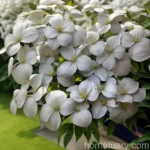
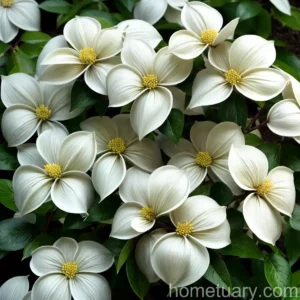
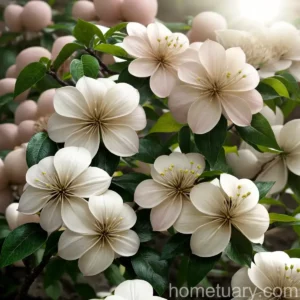
One of the primary uses of Cornus kousa ‘Greensleeves is as a landscape ornamental plant. Its striking appearance, with showy flowers and vibrant foliage, makes it a favorite among gardeners and landscapers. The plant not only enhances the visual appeal of outdoor spaces but also attracts wildlife, such as birds and butterflies, due to its nectar-rich blooms.
Water
Proper watering is crucial for the health and vitality of Cornus kousa ‘Greensleeves. When establishing this plant, regular watering is essential to promote root establishment and overall growth. Once established, it is relatively drought-tolerant, but consistent moisture is still important, especially during dry periods.
In terms of watering frequency, Cornus kousa ‘Greensleeves generally requires regular watering, especially during the establishment phase. It is important to ensure that the soil around the plant remains consistently moist but not waterlogged.
Sunlight
Cornus kousa ‘Greensleeves thrives in a location with full sun to partial shade. When selecting a planting site for this tree, it is important to consider its sunlight requirements. While it can tolerate partial shade, providing it with full sun exposure enhances its flowering and overall vigor.
Fertilizer
Applying fertilizer at the right time and in the correct manner is essential for promoting healthy growth and vibrant blooms in Cornus kousa ‘Greensleeves. A balanced, slow-release fertilizer can be applied in early spring, just before the new growth begins. This helps provide the necessary nutrients for the upcoming growing season.
The fertilizer should be evenly distributed around the root zone, and care should be taken to avoid direct contact between the fertilizer and the trunk of the tree. Following the application, it is important to water the area thoroughly to facilitate the incorporation of the fertilizer into the soil.
Soil
Well-drained, acidic soil is ideal for Cornus kousa ‘Greensleeves. The plant thrives in slightly acidic soil conditions, with a pH range of 5.5 to 6.0 being optimal. Additionally, the soil should have good drainage to prevent waterlogging, which can lead to root rot and other issues.
When planting Cornus kousa ‘Greensleeves, it is important to ensure that the soil is well-prepared, with the incorporation of organic matter to enhance its structure and fertility. Proper soil preparation contributes to the establishment and long-term health of the plant.
Pruning
Pruning is an important aspect of caring for Cornus kousa ‘Greensleeves, as it helps maintain its shape, remove damaged or diseased branches, and promote overall health and vigor. Understanding the pruning requirements and techniques for this plant is essential for achieving the desired growth and appearance.
Pruning Techniques
Regular Pruning
Regular pruning of Cornus kousa ‘Greensleeves is essential to manage its growth and shape. This can include the removal of dead or damaged branches, as well as the thinning of dense areas to improve air circulation and light penetration. Pruning should be carried out during the dormant season to minimize stress on the plant.
Removal of Suckers
Suckers, which are vigorous shoots that emerge from the base of the plant, should be promptly removed to prevent them from competing with the main trunk and compromising the overall appearance of the tree. Regular inspection of the base of the plant helps in identifying and removing these suckers as they appear.
Deadheading
After the flowering period, deadheading can be performed to remove the spent blooms. This not only improves the aesthetic appeal of the plant but also directs the plant’s energy towards other essential processes, such as root and foliage development.
Propagation
Propagating Cornus kousa ‘Greensleeves allows gardeners to expand their collection of these beautiful trees and share them with others. Understanding the propagation methods and best practices can help facilitate successful propagation.
Container Propagation
Step 1: Select a healthy, vigorous stem from the parent plant for propagation. The stem should possess several nodes and be free from any signs of disease or damage.
Step 2: Prepare a well-draining potting mix, preferably composed of peat moss, perlite, and coarse sand.
Step 3: Take a cutting that is around 6-8 inches in length, making sure to make a clean cut just below a node. Remove the leaves from the lower half of the cutting.
Step 4: Dip the cut end of the cutting in a rooting hormone to encourage the development of roots.
Step 5: Make a hole in the potting mix and plant the cutting, ensuring that at least two nodes are buried beneath the surface.
Step 6: Water the cutting thoroughly to settle the potting mix around it and provide the necessary moisture for root development.
Step 7: Place the container in a warm, bright location with indirect sunlight.
Step 8: Monitor the cutting regularly and ensure that the potting mix remains consistently moist but not waterlogged.
Pruning
Pruning is an essential aspect of caring for Cornus kousa ‘Greensleeves’. It helps maintain its shape, remove damaged or diseased branches, and promote overall health and vigor. Understanding the pruning requirements and techniques for this plant is essential for achieving the desired growth and appearance.
Pruning Techniques
Deadheading: After the flowering period, deadheading can be performed to remove the spent blooms. This not only improves the aesthetic appeal of the plant but also directs the plant’s energy towards other essential processes, such as root and foliage development.
Popularity in Container Gardening
Cornus kousa ‘Greensleeves is a wonderful addition to container gardens, providing an opportunity for those with limited garden space to enjoy its beauty. Here are key considerations when it comes to growing this plant in containers:
Container Size: When selecting a container for Cornus kousa ‘Greensleeves, it is important to choose one that provides ample room for root development. A larger container helps prevent the roots from becoming pot-bound and provides stability to the growing tree.
Drainage: Proper drainage is crucial for container-grown Cornus kousa ‘Greensleeves. The container should have drainage holes to ensure that excess water can escape, preventing waterlogging and root rot.
Soil: A well-draining potting mix designed for woody plants is ideal for cultivating Cornus kousa ‘Greensleeves in containers. This medium provides good aeration and water retention without becoming waterlogged.
Sunlight: When growing Cornus kousa ‘Greensleeves in containers, it is important to place the container in a location with adequate sunlight. The plant thrives in full sun to partial shade, so it should be positioned accordingly.
Common Diseases
Cornus kousa ‘Greensleeves is generally a resilient plant but is susceptible to certain diseases. Understanding the common diseases and their potential treatments is crucial for maintaining the health of this beautiful tree.
Disease Diagnosis
Powdery Mildew
Symptoms: Powdery mildew appears as a white, powdery substance on the leaves of Cornus kousa ‘Greensleeves. It can cause the leaves to become distorted and may lead to premature leaf drop, affecting the overall health of the plant.
Treatment: To manage powdery mildew, ensure good air circulation around the plant, and avoid overhead watering, as moisture on the leaves can contribute to the development of this fungal disease. If detected early, the application of fungicidal sprays may help control the spread of powdery mildew.
Anthracnose
Symptoms: Anthracnose is characterized by the appearance of dark, sunken lesions on the leaves and stems of Cornus kousa ‘Greensleeves. The disease can cause defoliation and weaken the plant if left unchecked.
Treatment: Pruning out and removing infected plant parts can help manage anthracnose. Applying fungicidal treatments can also aid in controlling the spread of the disease.
Common Pests
Dogwood Borer
Symptoms: Dogwood borers are destructive pests that bore into the trunks and branches of Cornus kousa ‘Greensleeves, causing structural damage and weakening the plant. Look for entry holes and sawdust-like frass as indicators of their presence.
Treatment: Preventive measures such as maintaining plant health through proper watering and fertilization can help reduce the risk of infestation. Additionally, applying insecticidal treatments can aid in managing dogwood borer populations.
Scale Insects
Symptoms: Scale insects can be identified by their immobile, waxy coverings on the stems and leaves of Cornus kousa ‘Greensleeves. They can weaken the plant by feeding on its sap and excreting honeydew, leading to the development of sooty mold.
Treatment: Pruning out heavily infested branches and the application of horticultural oils or insecticidal soaps can help control scale insect populations.
Botanist’s Tips
To ensure the successful growth and development of Cornus kousa ‘Greensleeves, here are some valuable tips from a botanist’s perspective:
-
Soil Preparation: Prepare the planting site by incorporating organic matter such as compost or well-rotted manure into the soil to improve its structure and fertility.
-
Mulching: Apply a layer of organic mulch around the base of the plant to conserve moisture, suppress weed growth, and maintain a consistent soil temperature.
-
Regular Inspections: Routinely inspect the plant for signs of disease, pest infestations, or other issues, and take prompt action if any problems are detected.
-
Pruning Considerations: When pruning Cornus kousa ‘Greensleeves, ensure that cuts are made at a slight angle just above a node to promote proper healing and minimize the risk of disease entry.
-
Seasonal Care: Adjust your care routine based on the changing seasons, considering factors such as watering frequency, fertilization, and protection from extreme weather conditions.
-
Companion Planting: Select companion plants that complement the growth habits and preferences of Cornus kousa ‘Greensleeves, enhancing the overall aesthetic of the garden.
Fun Facts
- Cornus kousa ‘Greensleeves is native to East Asia, including China, Korea, and Japan.
- In addition to its ornamental value, the fruit of Cornus kousa is edible and is commonly used in jams and preserves.
- The attractive exfoliating bark of Cornus kousa ‘Greensleeves adds visual interest, especially during the winter months.
Links to External Resources
For further information and resources on Cornus kousa ‘Greensleeves and related topics, please refer to the following links:
- The American Conifer Society
- Royal Horticultural Society – Growing Dogwoods
- University of Florida IFAS Extension – Dogwood Trees
- Missouri Botanical Garden – Plant Finder
By leveraging these external resources, you can gain further insights into the care, cultivation, and appreciation of Cornus kousa ‘Greensleeves.
In conclusion, Cornus kousa ‘Greensleeves is a captivating plant that offers a wealth of ornamental value, making it a prized addition to gardens and landscapes. By understanding and implementing the key care guidelines discussed in this comprehensive guide, you can foster the health and beauty of this remarkable plant, ensuring its enduring presence and impact in outdoor spaces.
Whether you are a seasoned gardener or a newcomer to the world of ornamental plants, the allure of Cornus kousa ‘Greensleeves is bound to inspire a deeper appreciation for the natural wonders found in our gardens and landscapes.