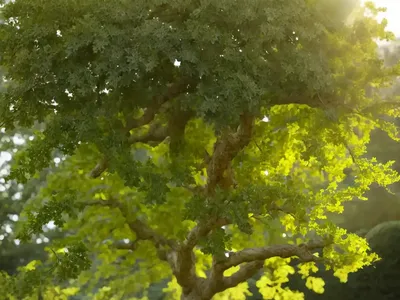
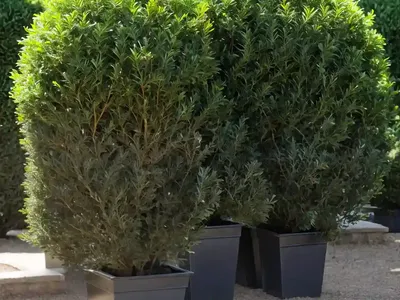
Cork Oak (Quercus Suber)
The Cork Oak, scientifically known as Quercus suber, is a remarkable tree that has been integral to human culture and the environment for centuries..
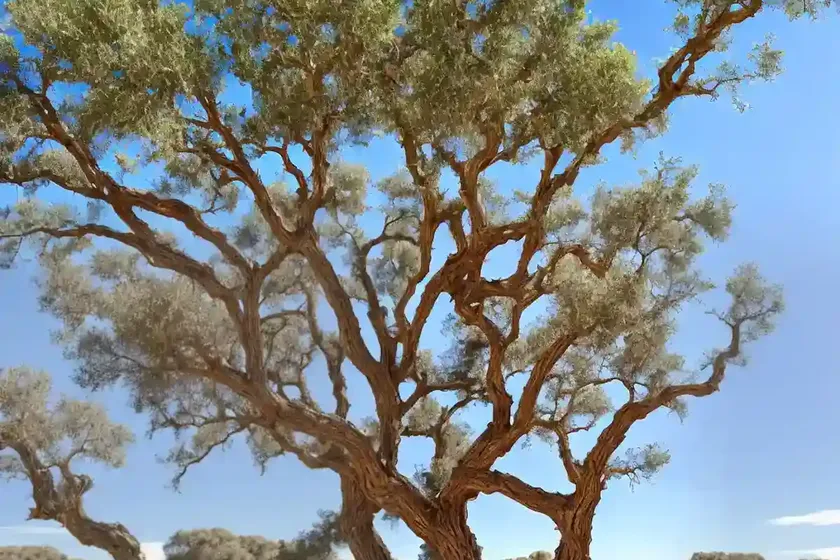
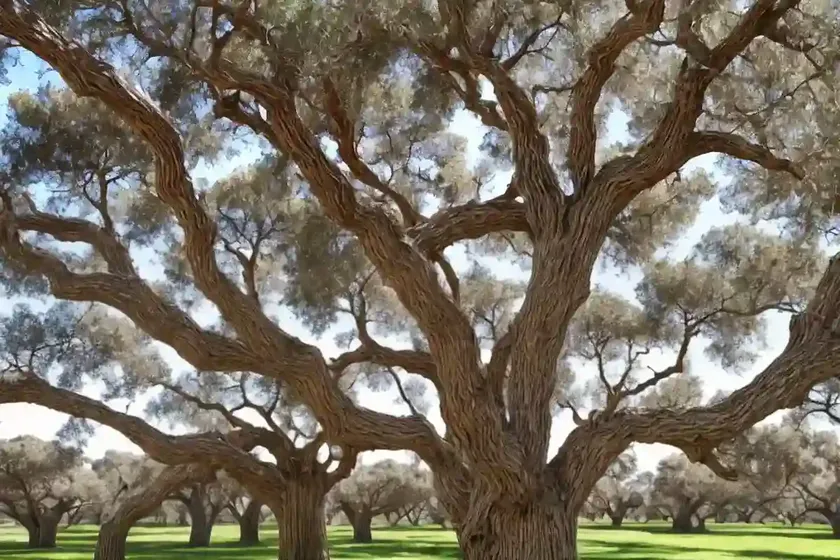
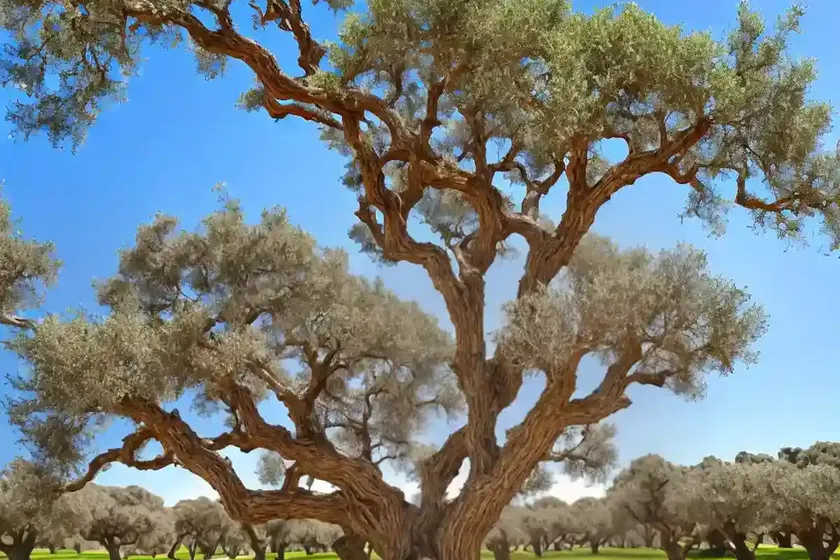
The Cork Oak, scientifically known as Quercus suber, is a remarkable tree that has been integral to human culture and the environment for centuries. Renowned for its unique bark and diverse uses, the Cork Oak is a species of great ecological, economic, and cultural importance.
In this comprehensive blog post, we will delve into the various aspects of the Cork Oak, including its cultural significance, uses, and the essential factors for its successful cultivation. Furthermore, we will explore the ecology, conservation, and the impacts of this tree on both the environment and various industries.
Key Takeaways
- The distinctive Bark of the Cork Oak is a significant resource for various industries
- The tree holds cultural and environmental importance
- Its adaptability to harsh conditions makes it valuable for conservation and landscape management
What is the Cork Oak?
The Cork Oak (Quercus suber) is an evergreen tree that belongs to the Fagaceae family. This species is native to the Western Mediterranean region and has been cultivated for its cork bark, which has numerous industrial uses. The Cork Oak has incredible adaptability, enabling it to thrive in harsh, drought-prone environments. Its resilience and unique properties have made it a valuable and sought-after tree in various sectors.
Cork Oak Facts
Scientific Classification
- Kingdom: Plantae
- Order: Fagales
- Family: Fagaceae
- Genus: Quercus
- Species: Quercus suber
Cork Oak Uses
The Cork Oak tree has been integral to various industries due to the exceptional properties of its bark. Here are some of its key uses:
- Cork Production: The primary and most well-known use of the Cork Oak is for cork production. The bark, once harvested, is used for making wine stoppers, flooring, and various other products.
- Environmental Benefits: The tree plays a crucial role in environmental conservation, habitat protection, and restoration due to its unique ecological characteristics.
- Medicinal Uses: Some traditional practices incorporate elements of the Cork Oak in herbal medicine due to its antioxidant and antimicrobial properties.
Cork Oak Characteristics
The Cork Oak possesses several distinctive characteristics that make it a unique and valuable tree:
- Unique Bark: The most striking attribute of the Cork Oak is its thick, corky bark, which is harvested periodically without harming the tree.
- Drought Tolerance: The tree has an impressive resistance to drought, making it suitable for arid and semi-arid climates.
- Longevity: Cork Oaks are long-lived trees, with some individuals living to be several centuries old.
Cork Oak Habitat and Distribution
The Cork Oak is indigenous to the Western Mediterranean, primarily found in countries such as Portugal, Spain, Algeria, Morocco, France, Italy, and Tunisia. It thrives in regions with hot, dry summers and mild, wet winters, and is often found in oak forests or mixed woodlands.
Key Points:
- The Cork Oak thrives in the Western Mediterranean region
- It prefers environments with hot, dry summers and mild, wet winters
- Often found in oak forests and mixed woodlands
Cork Oak Conservation and Sustainability
The conservation of the Cork Oak is of significant importance due to its ecological, economic, and cultural value. Sustainable management and conservation efforts are essential to ensure the preservation of this species and its habitat. The sustainable extraction of cork from these trees has become a model for conservation and sustainable resource management.
Key Points:
- Conservation efforts are crucial to preserve the Cork Oak and its associated ecosystems
- Sustainable cork extraction practices are essential for the long-term viability of this valuable resource
Cork Oak Cultivation and Care
Cultivating Cork Oaks can be immensely rewarding, whether for conservation, landscape design, or commercial purposes. Proper care and attention are essential to ensure the healthy growth of these trees. Understanding the specific requirements of the Cork Oak is vital for successful cultivation.
Water
Cork Oaks are remarkably drought-tolerant once established but require regular watering during their initial years to promote healthy root development. Here are some key considerations regarding water requirements:
- Establishment Phase: Regular watering, particularly during dry spells, is essential for the first few years after planting.
- Mature Trees: Once established, Cork Oaks are highly resilient to drought and may only require occasional watering during prolonged dry periods.
Sunlight
Cork Oaks thrive in full to partial sunlight. However, young saplings may benefit from some protection from intense sunlight during their initial growth stages.
- Optimal Conditions: Providing ample sunlight is crucial for the healthy growth and development of Cork Oaks.
- Protection for Young Trees: Providing partial shade or protection from intense midday sun can benefit young Cork Oak saplings.
Fertilizer
Cork Oaks growing in their natural habitat seldom require fertilization. However, in less fertile soils or urban environments, appropriate fertilization may be beneficial, particularly during the initial growth stages.
- Soil Test: Conduct a soil test to determine the nutrient content before considering fertilization.
- Low Maintenance: In most cases, Cork Oaks do not require regular fertilization once they are established in suitable soil conditions.
Soil
The Cork Oak thrives in well-draining soil, and it is essential to consider soil quality when cultivating this species.
- Well-Draining Soil: Ensure that the soil provides adequate drainage to prevent waterlogged conditions, which can be detrimental to the tree’s health.
- Acidic Soil: The tree prefers slightly acidic to neutral soil with a pH range between 6.1 and 7.8.
Pruning
Pruning is generally minimal for Cork Oaks, and it is mainly focused on the removal of dead or diseased branches, particularly in older specimens.
- Minimal Pruning: Cork Oaks typically require minimal pruning, focusing on the removal of dead or damaged branches.
- Consideration of Shape: If shaping is desired, it is recommended to carry out pruning during the late winter or early spring.
Propagation
Propagation of the Cork Oak can be achieved through seeds or by vegetative means such as grafting.
- Seed Propagation: Seeds can be collected from mature acorns and sown in well-draining soil.
- Grafting: The use of grafting techniques can provide a more rapid means of propagation, ensuring that desired traits are perpetuated.
Container Popularity
Cork Oaks are popular choices for container planting due to their adaptability and aesthetic value.
- Adaptability: The tree’s ability to thrive in containers makes it an attractive option for landscape and urban design.
- Aesthetic Appeal: The distinctive foliage and unique bark of the Cork Oak lend themselves well to container cultivation.
Key Points:
– Regular watering is essential during the establishment phase
– Full to partial sunlight is optimal for healthy growth
– Fertilization is generally not required once the tree is established
– Well-draining, slightly acidic to neutral soil is ideal
– Pruning is minimal and mainly focused on the removal of dead or diseased branches
– Propagation can be achieved through seeds or vegetative means such as grafting
– Cork Oaks are popular for container planting due to their adaptability and aesthetic appeal
Common Diseases and Pests
Cork Oaks are relatively resilient to diseases and pests, but they may still face certain challenges that can affect their health and vitality.
Disease Diagnosis
- Phytophthora Root Rot: This soil-borne pathogen can cause root rot and decline in Cork Oaks, particularly in poorly drained soil.
- Powdery Mildew: Fungal infections such as powdery mildew may occur in humid conditions, leading to a white powdery growth on leaves.
Common Pests
- Oak Processionary Moth: The larvae of this moth can defoliate trees and pose a threat to their health.
- Acorn Weevils: These pests can damage acorns and impact the reproductive capacity of the Cork Oak.
Botanist’s Tips:
– Regular monitoring of tree health is critical to identify and address any disease or pest issues promptly.
– Promoting overall tree health through proper care and maintenance can enhance resilience against diseases and pests.
Fun Facts about the Cork Oak
The unique properties and cultural significance of the Cork Oak make it a captivating subject. Here are some interesting and lesser-known facts about this exceptional tree:
- Sustainable Harvesting: The Cork Oak’s bark can be harvested without causing harm to the tree, making it a sustainable and renewable resource.
- Fire Resistance: The thick corky bark of the tree provides natural fire resistance, offering protection to the tree and its ecosystem.
- Wildlife Habitat: Cork Oak forests are rich in biodiversity, providing habitats for various animal species, including birds, insects, and mammals.
- Cultural Symbolism: The Cork Oak holds cultural and symbolic significance in regions where it is prevalent, often representing strength, resilience, and longevity.
Links to External Resources
To further explore the fascinating world of the Cork Oak, here are some valuable external resources:
- Cork Oak – International Conservation Organizations
- Cork Oak – Forestry and Environmental Organizations
- Cork Oak – Sustainability and Conservation Initiatives
Conclusion
The Cork Oak (Quercus suber) stands as a testament to nature’s ingenuity, offering sustainable resources, ecological benefits, and cultural significance. From its iconic bark and ecological resilience to its diverse uses and economic relevance, the Cork Oak continues to play a vital role in various aspects of human society and the natural world.
By understanding the essential characteristics, cultivation practices, and conservation measures associated with the Cork Oak, we can ensure the continued preservation and responsible utilization of this remarkable species. Whether for its sustainable cork production, ecological importance, or the symbolic value it holds in cultural traditions, the Cork Oak remains an indispensable and captivating component of our natural heritage.
As we continue our journey of discovery and appreciation for the wonders of the natural world, the Cork Oak stands as a shining example of the intricate connections between humans, ecology, and the enduring beauty of the plant kingdom.
With the knowledge gained from this comprehensive exploration, we hope that you embark on your own enriching journey with the Cork Oak, embracing its unique characteristics, cultural heritage, and ecological significance.
The Cork Oak (Quercus suber) stands as a testament to nature’s ingenuity, offering sustainable resources, ecological benefits, and cultural significance. From its iconic bark and ecological resilience to its diverse uses and economic relevance, the Cork Oak continues to play a vital role in various aspects of human society and the natural world.
By understanding the essential characteristics, cultivation practices, and conservation measures associated with the Cork Oak, we can ensure the continued preservation and responsible utilization of this remarkable species. Whether for its sustainable cork production, ecological importance, or the symbolic value it holds in cultural traditions, the Cork Oak remains an indispensable and captivating component of our natural heritage.
As we continue our journey of discovery and appreciation for the wonders of the natural world, the Cork Oak stands as a shining example of the intricate connections between humans, ecology, and the enduring beauty of the plant kingdom.
With the knowledge gained from this comprehensive exploration, we hope that you embark on your own enriching journey with the Cork Oak, embracing its unique characteristics, cultural heritage, and ecological significance.