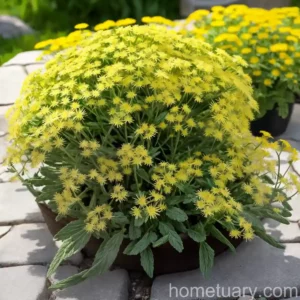
The Beauty of Coneflower (Echinacea ‘The Price is White’)
As a plant scientist and enthusiast, I have always been fascinated by the sheer diversity and beauty of plants. Among the myriad of plant species, coneflowers (Echinacea) have always held a special place in my heart. In this comprehensive guide, we will delve into the captivating world of the striking white coneflower variation, Echinacea ‘The Price is White’ – an exquisite cultivar that adds elegance and allure to any garden. We will explore its culture, uses, maintenance, and everything in between. Let’s embark on this botanical journey to uncover the secrets and beauty of Echinacea ‘The Price is White’.
What is Coneflower (Echinacea ‘The Price is White’)?
Echinacea, commonly known as coneflowers, is a genus of flowering plants in the daisy family (Asteraceae). These plants are native to North America and are renowned for their stunning flowers and medicinal properties. The Echinacea genus encompasses several species and numerous cultivars with a wide range of flower colors, including vibrant purples, pinks, oranges, and whites.
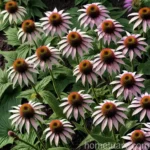
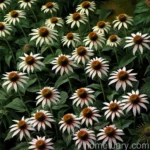
One of the standout varieties within the Echinacea genus is ‘The Price is White’. This particular cultivar is revered for its snow-white petals and distinctive cone-shaped centers, making it a sought-after choice for gardeners and plant enthusiasts alike. Echinacea ‘The Price is White’ is a striking white-petaled coneflower that exudes elegance and sophistication, adding a touch of purity and serenity to any landscape.
Key Takeaways – Coneflower (Echinacea ‘The Price is White’)
Before delving into the specific aspects of Echinacea ‘The Price is White’, let’s highlight the key takeaways that will be covered in this guide:
- Culture
- Uses
- Water Requirements
- Sunlight
- Fertilization
- Soil Preferences
- Pruning
- Propagation
- Container Gardening
- Popularity
- Common Diseases
- Common Pests
- Botanist’s Tips
- Fun Facts
- Links to External Resources
We will thoroughly explore each of these aspects to provide a comprehensive understanding of Echinacea ‘The Price is White’, ensuring that both novice and experienced gardeners can gain valuable insights and knowledge about this captivating plant.
Culture of Echinacea ‘The Price is White’
Caring for Echinacea ‘The Price is White’ involves understanding its specific cultural requirements, which encompass various factors such as water, sunlight, soil, and maintenance practices. Let’s delve into each of these elements to unravel the optimal cultural conditions for this splendid coneflower variety.
Water
Echinacea ‘The Price is White’ thrives in well-drained soil and is moderately tolerant of drought once established. However, it’s essential to provide regular watering, especially during dry spells or periods of extreme heat. Adequate moisture is crucial during the plant’s initial establishment to promote healthy root development. Once the plants are established, they exhibit good tolerance to dry conditions, making them suitable for xeriscaping and water-efficient landscapes.
Watering Guidelines:
- Initial Establishment: Provide consistent moisture during the first growing season to ensure robust root development.
- Established Plants: Water deeply but infrequently, allowing the soil to dry out between waterings to encourage deep root growth and drought tolerance.
Sunlight
Echinacea ‘The Price is White’ flourishes in full sun to partial shade, displaying optimal growth and abundant flowering when provided with ample sunlight. However, it can tolerate partial shade, making it adaptable to various garden settings. When grown in full sun, the plants typically exhibit more compact growth habits and prolific flowering, showcasing their full ornamental potential.
Sunlight Requirements:
- Full Sun: Position in locations receiving 6-8 hours of direct sunlight daily for best flowering and overall vigor.
- Partial Shade: Tolerates partial shade, especially in regions with intense heat or where full sun exposure may be limited.
Fertilizer
While Echinacea ‘The Price is White’ is known for its resilience and adaptability, providing some fertilization can support optimal growth and flowering, particularly in nutrient-deficient soils. A balanced, slow-release fertilizer applied in spring can provide the necessary nutrients to fuel robust growth and prolific blooming.
Fertilization Tips:
- Balanced Fertilizer: Utilize a balanced, slow-release fertilizer in early spring to promote healthy growth and flowering.
- Soil Testing: Consider conducting a soil test to determine the specific nutritional needs of the planting site and adjust fertilization accordingly.
Soil
Echinacea ‘The Price is White’ thrives in well-drained, loamy soils with a slightly acidic to neutral pH. Good drainage is essential to prevent waterlogging, which can potentially lead to root rot and other moisture-related issues. Amending heavy clay soils with organic matter can improve drainage and create an optimal growing environment for these elegant white coneflowers.
Soil Preferences:
- Well-Drained: Plant in soil with good drainage to prevent waterlogged conditions that can be detrimental to the plants.
- pH Range: Prefers slightly acidic to neutral soils (pH 6.0-7.0) for optimal growth and nutrient uptake.
Pruning Echinacea ‘The Price is White’
Pruning is a fundamental aspect of Echinacea ‘The Price is White’ maintenance, contributing to the plant’s overall health, appearance, and longevity. Proper pruning practices involve removal of spent blooms and occasional rejuvenation to promote continuous flowering and prevent excessive self-seeding.
Pruning Guidelines:
- Deadheading: Regularly remove faded blooms to encourage prolonged flowering and prevent seed formation.
- Rejuvenation: In late spring or early summer, consider cutting back the plants by one-third to stimulate new growth and maintain compact, bushy habits.
Propagation of Echinacea ‘The Price is White’
Echinacea ‘The Price is White’ can be propagated through various methods, including division, seed sowing, and stem cuttings. Each propagation technique offers unique advantages and challenges, allowing gardeners to expand their Echinacea collection and share the beauty of these white coneflowers with others.
Propagation Methods:
- Division: Divide mature clumps in early spring or fall, ensuring that each division has sufficient roots and shoots for successful establishment.
- Seed Sowing: Collect and sow seeds in fall or early spring, following proper stratification techniques to enhance germination.
- Stem Cuttings: Harvest softwood or semi-ripe cuttings in late spring to early summer and root them in a well-draining medium to produce new plants.
Container Gardening with Echinacea ‘The Price is White’
Echinacea ‘The Price is White’ is well-suited for container gardening, allowing individuals with limited space or specific design preferences to enjoy the beauty of these white coneflowers on patios, balconies, or urban settings. When cultivating Echinacea ‘The Price is White’ in containers, certain considerations should be taken into account to ensure the plants thrive in this unique growing environment.
Container Considerations:
- Size: Select containers that provide ample room for root growth and stability, allowing for unrestricted development of the plants.
- Drainage: Ensure that the containers have adequate drainage holes to prevent waterlogging and root rot, protecting the plants from moisture-related issues.
- Potting Mix: Utilize a well-draining, nutrient-rich potting mix to provide a conducive growing medium for Echinacea ‘The Price is White’ in containers.
- Maintenance: Monitor moisture levels, fertilize as needed, and consider overwintering strategies for container-grown plants in regions with harsh winters.
Uses of Echinacea ‘The Price is White’
Echinacea ‘The Price is White’ serves both ornamental and functional purposes, making it a versatile addition to gardens, landscapes, and even medicinal herb gardens. Let’s explore the diverse uses and benefits associated with this captivating white coneflower variety.
Ornamental Purposes:
- Garden Borders: Create stunning garden borders and mixed perennial beds with the striking white blooms of Echinacea ‘The Price is White’, complementing other flowering perennials and ornamental grasses.
- Wildlife Gardens: Attract pollinators, such as bees and butterflies, with the nectar-rich flowers, promoting biodiversity and contributing to the ecological balance in the garden.
- Cut Flowers: Harvest the long-lasting blooms for enchanting floral arrangements, adding a touch of elegance to indoor displays and bouquets.
Medicinal and Herbal Uses:
- Immune Support: Echinacea species are traditionally known for their potential immune-boosting properties, with the roots and aerial parts used in herbal preparations.
- Herbal Remedies: Explore the traditional and modern applications of Echinacea in herbal medicine, acknowledging its historical significance and contemporary relevance in supporting overall wellness.
Popularity of Echinacea ‘The Price is White’
Echinacea ‘The Price is White’ has garnered widespread popularity among gardeners, horticulturists, and landscape designers, owing to its captivating appearance, adaptability, and garden performance. Its serene white blossoms and reliable growth habits have contributed to its increasing demand in the horticultural market, making it a coveted addition to diverse garden settings.
Characteristics Driving Popularity:
- Distinctive Flowers: The pure white petals and prominent cones of Echinacea ‘The Price is White’ captivate the attention of plant enthusiasts and individuals seeking a graceful addition to their landscapes.
- Versatility: Adaptability to a range of growing conditions and landscape uses, including ornamental, wildlife-friendly, and medicinal herb gardens, has amplified the appeal of this exquisite coneflower variety.
- Long Blooming Period: The extended flowering season of Echinacea ‘The Price is White’ ensures a continuous display of elegant blooms, enhancing its desirability as a garden focal point.
Common Diseases of Echinacea ‘The Price is White’
While Echinacea ‘The Price is White’ is generally resilient, it is important to be aware of potential diseases that can affect the plants. Understanding the common diseases and their management strategies is crucial for maintaining the health and vigor of these exquisite white coneflowers.
Disease Diagnosis:
- Powdery Mildew: Watch for the development of white, powdery growth on the foliage, often occurring in humid conditions. Provide adequate air circulation and consider fungicidal treatments to mitigate the spread of powdery mildew.
- Leaf Spot: Monitor for the appearance of circular lesions on the leaves, potentially caused by fungal pathogens. Implement proper sanitation and consider fungicidal measures to manage leaf spot diseases.
- Root Rot: Be cautious of overly moist or poorly drained soil, which can lead to root rot and eventual decline of the plants. Address drainage issues and refrain from overwatering to prevent root rot.
Common Pests Affecting Echinacea ‘The Price is White’
Pest infestations can pose a threat to the health and aesthetics of Echinacea ‘The Price is White’, necessitating proactive pest management measures to safeguard the plants. By identifying common pests and implementing appropriate control strategies, gardeners can effectively mitigate pest-related challenges and preserve the vitality of these captivating white coneflowers.
Pest Control Strategies:
- Aphids: Monitor for colonies of soft-bodied aphids on the tender growth, utilizing insecticidal soaps or horticultural oils to manage infestations and protect the plants from aphid damage.
- Caterpillars: Keep an eye out for caterpillars feeding on the foliage, handpicking or using biological control agents to address caterpillar presence and minimize feeding damage.
- Japanese Beetles: Deploy pheromone traps and act promptly to control Japanese beetle populations, reducing the likelihood of extensive feeding damage on the flowers and foliage.
Botanist’s Tips for Echinacea ‘The Price is White’ Care
As a plant scientist deeply passionate about Echinacea ‘The Price is White’, I would like to share some valuable tips and insights to enhance the care and cultivation of these exquisite white coneflowers. Leveraging scientific knowledge and practical experience, these botanist’s tips aim to empower gardeners and enthusiasts with the tools and information needed to foster the optimal growth and performance of Echinacea ‘The Price is White’.
Botanist’s Recommendations:
- Mulching: Apply a layer of organic mulch around the base of the plants to conserve soil moisture, suppress weeds, and provide insulation during temperature fluctuations.
- Companion Planting: Explore companion plant selections that complement and support Echinacea ‘The Price is White’, fostering a mutually beneficial and visually appealing garden environment.
- Observation and Monitoring: Regularly observe the plants for signs of pests, diseases, and overall growth, intervening promptly to address any issues and maintain plant health.
Fun Facts about Echinacea ‘The Price is White’
To further appreciate and celebrate the charm of Echinacea ‘The Price is White’, let’s uncover some intriguing and delightful fun facts about this elegant coneflower variety. These facts offer a glimpse into the captivating nature of Echinacea ‘The Price is White’ and its significance in horticulture, ecology, and botanical lore.
Engaging Fun Facts:
- Floral Symbolism: White flowers often symbolize purity, elegance, and tranquility, aligning with the graceful demeanor of Echinacea ‘The Price is White’ in garden settings.
- Historical Significance: Echinacea species have a rich history of traditional medicinal use among indigenous cultures in North America, emphasizing their cultural and ethnobotanical importance.
- Attractive to Pollinators: The nectar-rich blossoms of Echinacea ‘The Price is White’ serve as valuable floral resources for pollinators, contributing to the ecological value of these white coneflowers in natural landscapes.
Links to External Resources
- Echinacea ‘The Price is White’ – Missouri Botanical Garden
- Growing Echinacea: White Swan and Beyond – University of Vermont Extension
- Echinacea purpurea ‘The Price is White’ – UpShoot
- Planting and Caring for Echinacea – The Old Farmer’s Almanac
- Echinacea – The Herb Society of America
In conclusion, Echinacea ‘The Price is White’ stands as a captivating and versatile addition to gardens, landscapes, and even medicinal herb gardens, offering a harmonious blend of ornamental beauty and functional benefits. This remarkable coneflower variety, with its pure white petals and enduring charm, has secured a special place in the hearts of plant enthusiasts and continues to inspire awe and admiration. May the allure of Echinacea ‘The Price is White’ enrich gardens and landscapes, while contributing to the well-being of both humans and pollinators in the intricate tapestry of nature.
As a plant scientist and coneflower enthusiast, I hope this comprehensive guide provides valuable insights into the captivating world of Echinacea ‘The Price is White’, capturing its cultural nuances, uses, and horticultural significance. If you have any questions or insights to share about this delightful coneflower variety, please feel free to reach out. Happy gardening!