The Extraordinary Coneflower (Echinacea Supreme Series ‘Cantaloupe’)
What is a Coneflower?
Coneflowers are a group of popular perennial plants that belong to the genus Echinacea, within the family Asteraceae. They are native to North America and are commonly known for their beautiful and vividly colored flowers. These plants are not only aesthetically pleasing but also have several practical uses, making them a favorite among gardeners and plant enthusiasts.
Key Takeaways – Coneflower (Echinacea (Supreme Series) ‘Cantaloupe’)
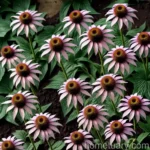
The Echinacea (Supreme Series) ‘Cantaloupe’ cone flower, also simply referred to as ‘Cantaloupe,’ is a striking perennial variety that belongs to the Echinacea Supreme series. Its unique cantaloupe-colored petals and trademark cone-shaped center make it an attractive addition to any garden. The following sections will explore the cultural requirements, uses, and other essential aspects of growing and maintaining this delightful plant.
Culture
Uses
The Echinacea (Supreme Series) ‘Cantaloupe’ cone flower is primarily grown for ornamental purposes. Its vibrant flowers not only add a splash of color to gardens but also attract pollinators such as bees and butterflies, making it an excellent choice for wildlife gardens. In addition to its visual appeal, Echinacea species are also known for their potential medicinal properties. Traditionally, they have been used in herbal remedies for their purported immune-boosting and anti-inflammatory effects.
Water
Coneflowers are known for their tolerance to drought conditions, making them a suitable choice for gardeners in regions with dry or arid climates. While they can survive with minimal water, regular watering is essential, especially during periods of prolonged drought. It is important to provide consistent moisture to young plants to help establish strong root systems.
Sunlight
Echinacea (Supreme Series) ‘Cantaloupe’ cone flower thrives in full sun to partial shade. When grown in full sun, these plants typically produce more abundant and vibrant blooms. However, they can also tolerate some shade, particularly in hot climates where protection from intense afternoon sun may be beneficial.
Fertilizer
These plants are not heavy feeders, and excessive fertilization can lead to lush foliage at the expense of flowering. A balanced, slow-release fertilizer applied in early spring can help promote healthy growth and blooming. However, it is essential to follow the recommended application rates to avoid over-fertilization.
Soil
Coneflowers prefer well-draining soils with a slightly acidic to neutral pH. They can adapt to a variety of soil types, including sandy, loamy, or clay soils, as long as they are not waterlogged. Incorporating organic matter into the soil before planting can improve its structure and fertility, providing an ideal growing medium for these plants.
Pruning
Pruning is generally not required for Echinacea (Supreme Series) ‘Cantaloupe’ cone flowers, as their spent flowers can be left on the plant to develop seed heads, which can attract birds and add visual interest to the garden. However, removing faded blooms can promote additional flowering and prevent self-seeding in the garden if desired.
Propagation
These plants can be propagated from seeds, division, or cuttings. Seed propagation is relatively easy and can be done by collecting mature seeds from the flower heads and sowing them in well-prepared soil in the fall or early spring. Division of mature clumps can also be carried out in the spring to create new plants, while stem cuttings offer another viable method of propagation.
Container Popularity
The Echinacea (Supreme Series) ‘Cantaloupe’ cone flower is well-suited for container gardening, allowing individuals with limited garden space to enjoy its beauty on patios, balconies, or other outdoor areas. When grown in containers, it is crucial to choose a well-draining potting mix and provide regular watering to prevent the soil from drying out completely.
Common Diseases
Coneflowers are relatively resistant to most common diseases, particularly when grown in favorable growing conditions. However, they can be susceptible to certain fungal diseases such as powdery mildew, particularly in humid or poorly ventilated environments. Proper spacing, adequate air circulation, and avoiding overhead watering can help minimize the risk of disease.
Disease Diagnosis
Diagnosing diseases in coneflowers typically involves inspecting the plant for visual symptoms such as discolored or distorted leaves, abnormal growth, or powdery fungal growth on the foliage. Early detection is vital for effective management, and affected plants should be isolated to prevent the spread of the disease to healthy specimens.
Common Pests
Coneflowers are relatively resistant to pest infestations, but they can occasionally be targeted by insects such as aphids, spider mites, and Japanese beetles. Regular monitoring of plants and prompt action if pest populations are detected can help prevent significant damage. Natural predators and organic pest control methods can also be employed to manage pest populations.
Botanist’s Tips
- Ensure proper site selection with well-draining soil and adequate sunlight for optimal growth and blooming.
- Water young plants consistently to help establish robust root systems and promote healthy growth.
- Deadhead faded blooms to encourage additional flowering and prevent self-seeding if desired.
- Monitor plants for signs of disease and pests, and take proactive measures to maintain plant health.
- Consider incorporating Echinacea (Supreme Series) ‘Cantaloupe’ cone flowers in wildlife or pollinator-friendly gardens to support biodiversity.
Fun Facts
- Echinacea species have a long history of traditional use in Native American medicine for various health purposes.
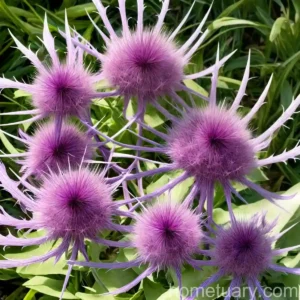
- The name “Echinacea” is derived from the Greek word “echinos,” which means “hedgehog,” referring to the spiky central cone of the flower.
- Coneflowers are an excellent choice for cut flower arrangements, adding a touch of natural beauty to indoor spaces.
Links to External Resources
For more information about Echinacea (Supreme Series) ‘Cantaloupe’ cone flower and related topics, consider exploring the following resources:
- The Royal Horticultural Society – Echinacea Cultivation
- University of Minnesota Extension – Coneflowers for the Garden
- American Society for the Prevention of Cruelty to Animals – Plants Non-Toxic to Cats including Echinacea
In conclusion, the Echinacea (Supreme Series) ‘Cantaloupe’ cone flower is a captivating perennial plant that offers visual appeal, potential medicinal properties, and wildlife-attracting qualities. With proper care and attention to its cultural requirements, this delightful plant can thrive in various garden settings, bringing joy to both humans and pollinators alike.