The Wonders of Coneflower (Echinacea ‘Moab Sunset’)
In the world of botanical beauty, there are few plants as captivating and beloved as the coneflower (Echinacea). Among the various cultivars, the ‘Moab Sunset’ stands out as a remarkable variety, acclaimed for both its ornamental charm and medicinal value. In this comprehensive guide, we will delve into the enchanting world of the coneflower (Echinacea ‘Moab Sunset’), exploring its culture, uses, care requirements, and much more.
What is Coneflower (Echinacea ‘Moab Sunset’)?
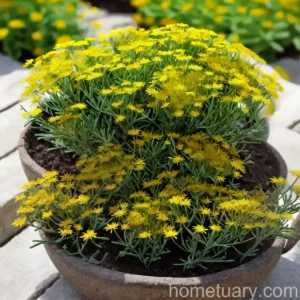
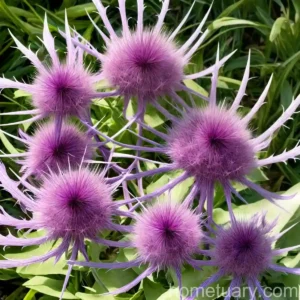
Echinacea ‘Moab Sunset’ is a stunning perennial plant esteemed for its vibrant, daisy-like flowers. Belonging to the genus Echinacea, this cultivar is a cherished member of the Asteraceae family. Distinct for its bold sunset-colored blooms, ‘Moab Sunset’ is a remarkable addition to any garden or landscape, offering not only aesthetic allure but also potential health benefits often associated with Echinacea species.
This cultivar is known for its exceptional characteristics, including a vigorous growth habit and impressive drought tolerance. The ‘Moab Sunset’ coneflower blooms from early to late summer, filling the garden with warm, sunset hues that attract pollinators and bring joy to any observer.
Key Takeaways – Coneflower (Echinacea ‘Moab Sunset’)
Before delving into the specifics of cultivating and caring for Echinacea ‘Moab Sunset’, it is essential to summarize the key points that will be covered in this guide. Below are the primary takeaways regarding this enchanting plant:
Cultivar:
- Echinacea ‘Moab Sunset’ is a captivating cultivar of the coneflower (Echinacea) known for its vibrant and bold sunset-colored blooms.
- It is esteemed for both its ornamental appeal and potential medicinal uses often associated with Echinacea species.
Culture:
- ‘Moab Sunset’ coneflower exhibits a robust growth habit and impressive drought tolerance.
- It blooms from early to late summer, attracting pollinators and adding warmth to its surroundings.
Uses:
- Beyond its ornamental value, Echinacea species, including ‘Moab Sunset’, have historically been associated with potential medicinal properties, particularly in herbal medicine and traditional remedies.
Now, let’s dive deeper into the specific care requirements and characteristics of this captivating coneflower cultivar.
Culture
Understanding the specific cultural requirements of Echinacea ‘Moab Sunset’ is essential for ensuring its optimal growth and development. From irrigation practices to sunlight exposure, each aspect plays a critical role in nurturing this beloved plant.
Water
Echinacea ‘Moab Sunset’ thrives in well-drained soil and is remarkably tolerant of drought conditions. While this cultivar is relatively resilient once established, regular watering is essential during its initial growth phase to encourage strong root development and ensure healthy, robust blooms.
Sunlight
Like many Echinacea varieties, ‘Moab Sunset’ thrives in full sun. Providing ample sunlight is crucial for promoting abundant flowering and vibrant, long-lasting blooms. In regions with particularly intense summer heat, some light afternoon shade may be beneficial to prevent stress on the plants.
Fertilizer
While ‘Moab Sunset’ coneflower is known for its adaptability and resilience, a balanced and gentle fertilizer application in early spring can provide an extra boost for healthy growth and prolific blooming. A slow-release, organic fertilizer can be particularly beneficial for sustaining the plant’s long-term health and vigor without causing excessive rapid growth.
Soil
This cultivar thrives in well-drained, moderately fertile soil. Incorporating organic matter into the soil during planting helps establish an optimal growing environment for ‘Moab Sunset’ coneflower. Additionally, maintaining adequate soil moisture without waterlogging is crucial for preventing root rot and other moisture-related issues.
Pruning
One of the charms of ‘Moab Sunset’ coneflower lies in its ability to retain its ornamental appeal even as its flowers fade. While deadheading spent blooms can encourage continuous flowering, leaving the seed heads can also provide visual interest and serve as a food source for wildlife during the colder months. In early spring, pruning back the plant to remove any remaining foliage from the previous season can promote healthy, vigorous growth.
Propagation
Propagating Echinacea ‘Moab Sunset’ can be a rewarding endeavor, allowing you to expand your collection of these captivating coneflowers and share their beauty with others. There are several methods of propagation, including division, seed sowing, and stem cuttings, each offering its own unique advantages and considerations.
- Division:
-
Divide mature clumps of ‘Moab Sunset’ coneflower in early spring or early fall to rejuvenate the plants and create new, thriving specimens. Replant the divisions in prepared soil, ensuring that they receive adequate moisture and sunlight for optimal establishment.
-
Seed Sowing:
-
Harvesting seeds from ‘Moab Sunset’ coneflower allows you to propagate new plants while also preserving the genetic diversity of the cultivar. Sow the seeds in well-draining, fertile soil in the desired location, providing consistent moisture and warmth to promote germination.
-
Stem Cuttings:
- Taking stem cuttings from healthy, established plants can be an effective way to propagate ‘Moab Sunset’ coneflower. Ensure that the cuttings have a sufficient length and healthy growth nodes before planting them in a suitable rooting medium to encourage the development of strong, independent root systems.
Container Popularity
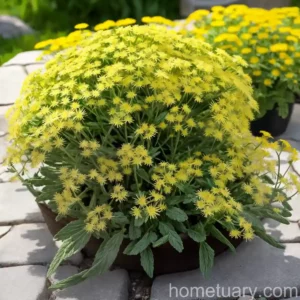
The enchanting allure and adaptability of ‘Moab Sunset’ coneflower make it an excellent candidate for container planting, allowing gardeners to enjoy its captivating blooms even in limited outdoor spaces.
Container Uses:
- Incorporate ‘Moab Sunset’ coneflower into outdoor container gardens to introduce vibrant splashes of color onto patios, balconies, and terraces.
- Pair this cultivar with complementary plants, such as ornamental grasses and trailing vines, to create visually captivating and dynamic container arrangements.
Container Care:
- When growing ‘Moab Sunset’ coneflower in containers, select medium to large pots with adequate drainage holes to ensure proper soil aeration and moisture management.
-
Use a well-draining potting mix, ideally with added organic matter, to provide the necessary nutrients and growing conditions for the plant.
-
Disease Diagnosis:
- Recording and monitoring the growth patterns, foliage condition, and bloom development of ‘Moab Sunset’ coneflower can provide valuable insights into its overall health and potential concerns.
-
Common diseases include aster yellows, powdery mildew, and bacterial leaf spots. Proper sanitation practices and appropriate spacing can help mitigate the risk of these issues.
-
Common Pests:
- Aphids, Japanese beetles, and various caterpillar species are among the potential pests that may affect ‘Moab Sunset’ coneflower. Regular observation and proactive pest management can help prevent infestations and minimize their impact on the plants.
Botanist’s Tips
As with any plant, understanding the unique characteristics and requirements of ‘Moab Sunset’ coneflower is essential for fostering its vitality and allowing it to thrive in the garden. Here are some key tips to consider when cultivating and caring for this captivating cultivar:
- Wildlife Attraction:
-
Echinacea ‘Moab Sunset’ is known for its ability to attract bees, butterflies, and other pollinators, making it a valuable addition to wildlife-friendly landscapes and gardens.
-
Companion Plants:
-
Pair ‘Moab Sunset’ coneflower with complementary plants, such as ornamental grasses, sedums, and salvias, to create visually captivating and harmonious garden displays.
-
Growing Tips:
-
Provide consistent moisture during the plant’s establishment phase, and subsequently reduce watering to mimic the drier conditions preferred by ‘Moab Sunset’ coneflower once it is well-established.
-
Sun Exposure:
-
Ensure that ‘Moab Sunset’ coneflower receives ample sunlight to support its abundant flowering and vibrant coloration.
-
Container Gardening:
- When growing ‘Moab Sunset’ coneflower in containers, select appropriate-sized pots with sufficient drainage and consider the plant’s eventual size to prevent overcrowding.
Fun Facts
Uncover the fascinating aspects of Echinacea ‘Moab Sunset’ with these captivating and enlightening fun facts:
- ‘Moab Sunset’ coneflower draws inspiration from the radiant colors of the sunset, showcasing warm, inviting hues that captivate the senses.
- With its potential medicinal uses, ‘Moab Sunset’ coneflower has been historically associated with various herbal remedies and traditional healing practices.
- The captivating blooms of ‘Moab Sunset’ coneflower not only add ornamental value to gardens but also serve as a vital food source for pollinators and wildlife.
- As a perennial plant, ‘Moab Sunset’ coneflower offers enduring beauty, returning year after year to grace the garden with its vibrant presence.
Links to External Resources
For further exploration of the enchanting world of Echinacea ‘Moab Sunset’ and coneflowers in general, the following external resources offer valuable insights and information:
- Royal Horticultural Society (RHS) – Echinacea Cultivars: RHS – Echinacea Cultivars
- University of Vermont Extension – Growing Coneflowers: UVM Extension – Growing Coneflowers
- American Society for the Prevention of Cruelty to Plants (ASPCP) – Echinacea Care Guide: ASPCP – Echinacea Care Guide