Common Water Hyacinth (Eichhornia Crassipes)
Plants are integral to the very existence of life on our planet. Not only do they produce oxygen, but they also serve as a source of food, shelter, and.
Introduction
Plants are integral to the very existence of life on our planet. Not only do they produce oxygen, but they also serve as a source of food, shelter, and medicine. Among the vast array of plant species that exist, the Common Water Hyacinth (Eichhornia crassipes) stands out as an intriguing and, at times, challenging aquatic plant.
Understanding the characteristics, habits, and uses of the Common Water Hyacinth is essential for anyone intrigued by plant life, ecology, and environmental conservation. In this comprehensive guide, we delve into the details of this captivating plant, discussing its cultural requirements, uses, ecosystems, and ecological impacts.
What is Plant?
Plants are multicellular organisms that belong to the Plantae kingdom. They are characterized by their ability to produce energy through photosynthesis, employing chlorophyll to convert light energy into chemical energy. This process is fundamental to plant growth, as it allows them to synthesize organic compounds from carbon dioxide and water. Consequently, plants play a vital role in the carbon and oxygen cycles on Earth.
Common Water Hyacinth (Eichhornia crassipes)
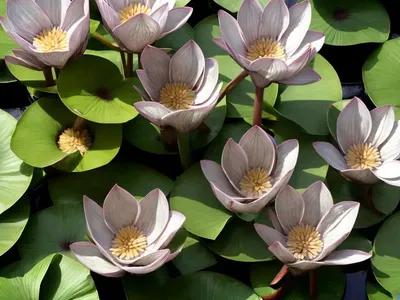
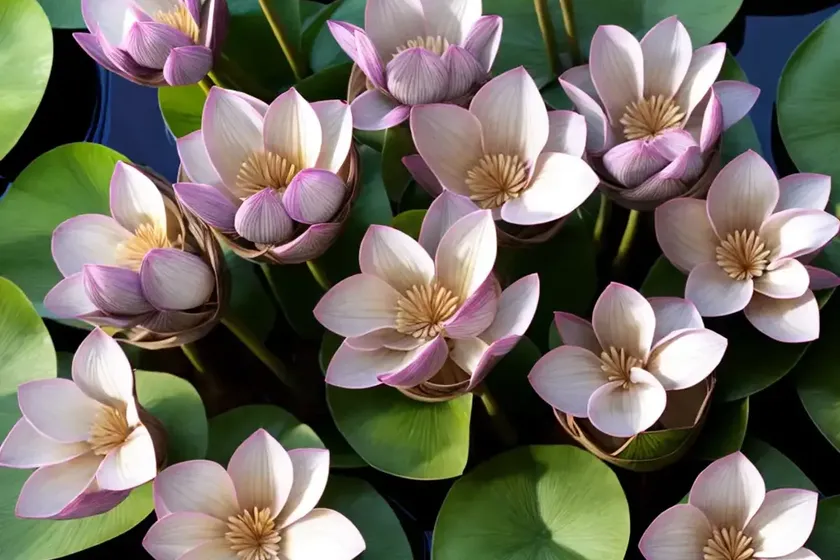
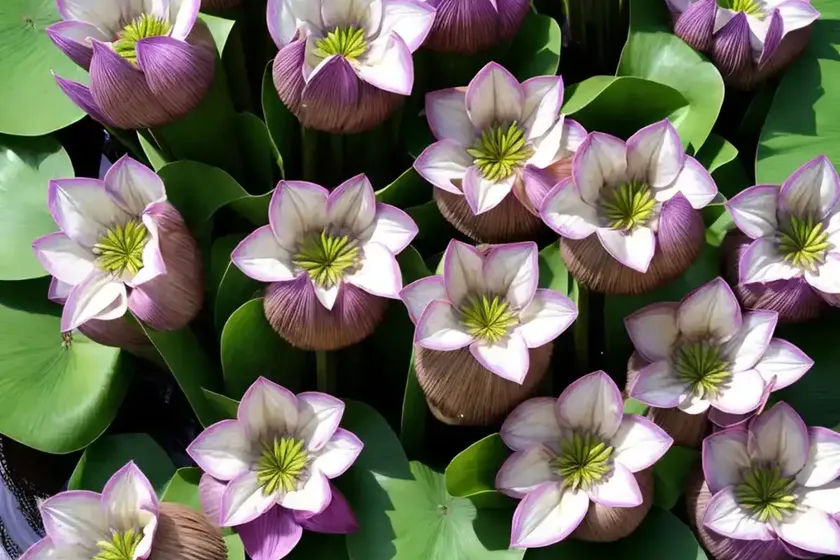
The Common Water Hyacinth, scientifically known as Eichhornia crassipes, is a free-floating perennial aquatic plant native to the Amazon basin in South America. It is a member of the Pontederiaceae family and is renowned for its striking appearance, featuring glossy, ovate leaves and vibrant lavender to deep purple flowers. The plant is often found in freshwater habitats such as lakes, ponds, and slow-moving rivers, where its distinctive aesthetic qualities make it a desirable ornamental addition.
Key Takeaways – Common Water Hyacinth (Eichhornia crassipes)
- Water Hyacinth Control: Understanding the measures for controlling and managing water hyacinth growth is essential to prevent its overpopulation and subsequent negative impacts on aquatic ecosystems.
- Aquatic Plant Species: As an aquatic plant, Eichhornia crassipes has specific adaptations to thrive in water environments, making it a unique subject of study and interest.
- Invasive Water Plants: The invasive nature of the Common Water Hyacinth poses significant ecological and environmental challenges, requiring careful management and control strategies.
- Eichhornia crassipes Information: A comprehensive understanding of the biology, growth habits, and ecological impacts of Eichhornia crassipes is crucial for effective management and conservation efforts.
- Water Hyacinth Facts: Exploring interesting facts about the water hyacinth sheds light on its ecological importance, uses, and potential threats.
- Water Hyacinth Ecosystem: Understanding the role of water hyacinth within aquatic ecosystems provides insights into its interactions with other organisms and the environment.
- Water Hyacinth Blooms: The patterns and impacts of water hyacinth blooms on aquatic environments require careful monitoring and management to prevent detrimental effects on biodiversity and water quality.
- Water Hyacinth Eradication: Efforts to eradicate water hyacinth infestations are crucial in preserving native flora and fauna and maintaining the ecological balance of aquatic habitats.
- Water Hyacinth Impacts: Exploring the impacts of water hyacinth on aquatic life, water quality, and ecosystem functioning provides valuable information for conservation and management strategies.
- Water Hyacinth Benefits: While considered an invasive species in many regions, water hyacinth also offers potential benefits, such as bioenergy production and nutrient absorption, warranting a balanced perspective on its management.
Culture
Cultivating the Common Water Hyacinth requires a keen understanding of its specific cultural requirements to ensure its optimal growth and development. Whether grown in natural water bodies or artificial aquatic environments such as ponds or water gardens, certain key factors play a pivotal role in the successful cultivation of Eichhornia crassipes.
Water
The primary cultural requirement for the Common Water Hyacinth is, unsurprisingly, water. Being an aquatic plant, it thrives in freshwater environments, particularly those with slow-moving or still water. It is important to note that the plant should not be submerged too deeply, as it requires access to the air above the water’s surface for optimal growth.
Sunlight
Like most plants, the Common Water Hyacinth relies on sunlight for its energy needs. Therefore, it should be cultivated in a location that receives ample sunlight, preferably in a full-sun exposure. Adequate sunlight is crucial for its photosynthetic processes and overall vigor.
Fertilizer
Common Water Hyacinth plants require little to no additional fertilization when grown in natural aquatic environments. However, in cultivated settings such as water gardens, the addition of a balanced aquatic plant fertilizer may be beneficial, particularly if the water lacks essential nutrients.
Soil
As an aquatic plant, the Common Water Hyacinth does not grow in soil in the traditional sense. Instead, it obtains its nutrients directly from the water. When cultivated in artificial aquatic environments, special aquatic plant media or pots filled with a soil-less mix may be used to anchor the plants and provide a medium for their root systems to establish.
Pruning
Pruning is typically not necessary for Common Water Hyacinth when grown in natural water bodies. However, in cultivated settings, removing old or decaying foliage can help maintain the plant’s aesthetic appeal and prevent the accumulation of organic matter in the water.
Uses
The Common Water Hyacinth has been utilized for various purposes across different cultures and regions. Its unique attributes and adaptability have made it a valuable resource for different applications, ranging from ornamental uses to environmental remediation.
Environmental Remediation
One of the most well-documented uses of the Common Water Hyacinth is in environmental remediation projects. Due to its ability to absorb nutrients such as nitrogen and phosphorus from the water, it has been employed in the treatment of polluted water bodies, particularly in mitigating the effects of agricultural runoff and industrial effluents. This quality makes it a natural biofilter, as it helps improve water quality and reduce the risk of eutrophication in aquatic ecosystems.
Ornamental Plant
The striking appearance of the Common Water Hyacinth, characterized by its glossy green leaves and vibrant purple flowers, has made it a popular choice for ornamental water gardens and aquatic landscapes. When carefully managed to prevent its uncontrolled spread, the plant adds a touch of elegance and color to ponds and water features, enhancing their visual appeal.
Biomass Production
Under certain conditions, the Common Water Hyacinth can be harnessed for biomass production. Its fast growth rate and high biomass yield make it a potential candidate for bioenergy production through processes such as anaerobic digestion and bioethanol production. This utilization offers a sustainable approach to waste management and renewable energy generation.
Handicrafts and Art
In some cultures, the fibrous roots and stems of the Common Water Hyacinth have been used to create handicrafts and woven products. Additionally, the dried foliage and flowers have been incorporated into traditional artworks, further demonstrating the plant’s versatility and cultural significance.
Water Hyacinth Farming
The idea of cultivating water hyacinth for specific purposes, such as biomass production or for ornamental use, has gained attention in various regions. Water hyacinth farming involves the deliberate and controlled cultivation of the plant for targeted applications, often in managed aquatic environments such as constructed ponds or water reservoirs.
Potential Biomass Production
The rapid growth and high biomass yield of water hyacinth make it a promising candidate for biomass production. It can be harvested and used for various bioenergy processes, offering a sustainable and renewable source of fuel or feedstock for diverse industries.
Environmental Remediation
By cultivating water hyacinth in contaminated or eutrophic water bodies, it is possible to harness its nutrient-absorbing properties for environmental remediation purposes. Through controlled farming practices, the plant can contribute to the restoration of polluted aquatic ecosystems, improving water quality and supporting biodiversity.
Research and Innovation
Farming water hyacinth for specific applications provides an opportunity for research and innovation in fields such as bioenergy, environmental engineering, and sustainable agriculture. By exploring the potential uses and benefits of cultivated water hyacinth, new avenues for addressing environmental challenges and resource management can be established.
Regulatory Considerations
Given the invasive nature of water hyacinth, farming initiatives must be accompanied by rigorous regulatory measures to prevent its unintended spread into natural water bodies. Strategies for containment, monitoring, and responsible management are crucial to mitigate the ecological risks associated with cultivating this species.
Species Classification
The Common Water Hyacinth, with its botanical name Eichhornia crassipes, belongs to the genus Eichhornia within the family Pontederiaceae. This taxonomical classification places it within the broader group of monocotyledonous plants, characterized by their single embryonic seed leaf and vascular bundles scattered throughout the stem.
Genus: Eichhornia
The genus Eichhornia encompasses several aquatic plant species, most of which are native to the tropical and subtropical regions of the Americas. These plants exhibit similar growth habits and reproductive mechanisms, often sharing common ecological niches and adaptations to aquatic environments.
Family: Pontederiaceae
Belonging to the family Pontederiaceae places the Common Water Hyacinth among other aquatic plants, including species such as pickerelweeds and mudworts. This family is recognized for its diverse representation of aquatic and semi-aquatic plants, often found in freshwater habitats and wetland ecosystems.
Order: Commelinales
The order Commelinales encompasses a range of flowering plant families, including Pontederiaceae, and is characterized by its diverse floral structures and ecological adaptations. Many members of this order exhibit unique inflorescence patterns and vegetative features, often associated with their specific habitats and pollination mechanisms.
Class: Liliopsida
The class Liliopsida, also referred to as the monocotyledons or monocots, represents a significant group of flowering plants characterized by the presence of a single embryonic seed leaf (cotyledon) in the embryo of their seeds. This class encompasses a wide diversity of plant species, including both terrestrial and aquatic representatives.
Water Hyacinth Facts
Fast Growth Rate
The Common Water Hyacinth is renowned for its rapid growth rate, particularly under favorable environmental conditions. This attribute contributes to its potential as a high-yield biomass producer and its ability to colonize water bodies swiftly.
Nutrient Absorption
Water hyacinth exhibits exceptional capacity for absorbing nutrients such as nitrogen and phosphorus from the water. This quality has been leveraged in environmental remediation projects aiming to improve water quality and reduce eutrophication.
Invasive Behavior
Water hyacinth is considered one of the most notorious invasive aquatic plants, capable of forming dense mats that can impede water flow, block sunlight penetration, and disrupt native aquatic ecosystems. Its propensity for rapid expansion and colonization makes its management a significant challenge in many regions.
Vibrant Flowers
The showy and vibrant flowers of water hyacinth, typically ranging from lavender to deep purple in color, contribute to its popularity as an ornamental aquatic plant. However, the aesthetic appeal of its blooms contrasts with the ecological challenges it poses in certain environments.
Floating Habit
As a free-floating aquatic plant, water hyacinth lacks roots that anchor it to the substrate. Instead, it utilizes buoyant air-filled petioles to remain afloat on the water’s surface, allowing it to thrive in both still and slow-moving water bodies.
Reproductive Potential
Water hyacinth reproduces prolifically through a combination of sexual and asexual reproductive strategies. This includes the production of seeds as well as the rapid formation of vegetative daughter plants, contributing to its invasive nature and rapid population expansion.
Water Hyacinth Ecosystem
Impact on Native Flora
The introduction and uncontrolled proliferation of water hyacinth in natural water bodies can have detrimental effects on native aquatic flora, outcompeting indigenous plant species and altering the overall habitat structure and species composition.
Disruption of Aquatic Fauna
By forming dense mats on the water’s surface, water hyacinth can impede the movement and foraging behavior of aquatic fauna, such as fish and invertebrates. Additionally, the reduction in water quality caused by its presence can further impact the health and abundance of native aquatic species.
Altered Ecosystem Functioning
Water hyacinth infestations can disrupt the natural functioning of aquatic ecosystems, affecting nutrient cycling, sedimentation processes, and light penetration. These changes have broader implications for ecosystem stability and the services provided by freshwater habitats.
Habitat Modification
The rapid growth and expansion of water hyacinth can result in significant modifications to aquatic habitats, creating barriers to water flow, altering littoral zones, and reducing the availability of open water areas. These alterations can have cascading effects on the ecological functions of affected water bodies.
Eutrophication Risk
The nutrient-absorbing capacity of water hyacinth, while beneficial in polluted water bodies, can become a concern in naturally eutrophic environments. Excessive nutrient uptake by the plant can exacerbate eutrophication, leading to oxygen depletion and algal blooms.
Biodiversity Impacts
The dominance of water hyacinth in invaded water bodies can lead to reduced biodiversity, as it outcompetes and displaces native aquatic plants, subsequently affecting the abundance and diversity of associated fauna.
Water Hyacinth Control Measures
Controlling and managing water hyacinth infestations is a pressing concern for environmental agencies, conservation organizations, and stakeholders in affected regions. Various strategies and methods are employed to mitigate the negative impacts of this invasive plant species.
Mechanical Control
The physical removal of water hyacinth from water bodies using tools such as rakes, nets, and aquatic weed harvesters is a common practice for localized management. This method aims to clear surface coverage and prevent further spread, but it requires sustained efforts to be effective.
Chemical Control
Herbicides are utilized to control water hyacinth populations, often in combination with other control measures. Selective herbicides that target the plant while minimizing impacts on non-target species are preferred to reduce ecological risks.
Biological Control
The introduction of natural enemies and herbivores that feed on water hyacinth, such as specific insect species and weevils, is a biocontrol approach aimed at reducing the plant’s population and inhibiting its growth. Careful consideration is given to the potential impacts of introducing non-native species for biological control.
Integrated Management
Integrated control methods that combine mechanical, chemical, and biological approaches are often employed for comprehensive water hyacinth management. This integrated approach addresses the complex nature of infestations and aims to balance effectiveness with ecological considerations.
Preventative Measures
Preventing the introduction and spread of water hyacinth in new areas is a critical aspect of its management. This involves measures such as early detection, quarantine protocols, and public education programs to raise awareness of the risks associated with the plant’s spread.
Water Hyacinth Removal Techniques
Harvesting and Collection
Manual or mechanical harvesting of water hyacinth from water bodies involves the collection and removal of the plants using rakes, nets, or specialized aquatic weed harvesters. This method is effective for reducing surface coverage and preventing further spread.
Herbicidal Treatment
The application of selective herbicides targeting water hyacinth is a common technique for controlling and reducing infestations. By carefully applying herbicidal products, the growth and spread of the plant can be managed while minimizing impacts on non-target species.
Biological Control Agents
The introduction of natural enemies and herbivores specific to water hyacinth, such as weevils and insects that feed on the plant, is a biological control approach aimed at reducing its population and limiting its expansion in affected areas.
Barrier Installation
The installation of physical barriers, such as booms and nets, can help contain and control water hyacinth infestations by preventing their spread to new areas and facilitating their removal from targeted locations.
Integrated Management
Employing a combination of different removal techniques, such as mechanical, chemical, and biological control methods, provides a comprehensive and integrated approach to managing water hyacinth infestations.
Common Diseases
Like all plants, the Common Water Hyacinth is susceptible to certain diseases and infections that can affect its growth and overall health. While relatively resilient in natural aquatic environments, cultivated specimens may encounter specific issues that need to be addressed.
Fungal Infections
Some fungal pathogens can affect the roots and foliage of water hyacinth plants, particularly when grown in artificial aquatic environments with fluctuating water conditions. These infections can lead to root rot and leaf lesions, impacting the plant’s vitality.
Bacterial Diseases
Bacterial diseases, such as soft rot and bacterial leaf spot, can manifest in water hyacinth under conditions conducive to microbial proliferation. These diseases may cause tissue deterioration and visible symptoms on the plant’s aerial parts.
Viral Pathogens
Certain viruses can infect water hyacinth, resulting in symptoms such as mottling, yellowing, and distortion of the leaves. Viral diseases can weaken the plants and impair their natural growth processes.
Nutrient Deficiencies
In cultivated settings, nutrient deficiencies can manifest as stunted growth, chlorosis, and reduced vigor in water hyacinth plants. These deficiencies may stem from imbalanced aquatic environments or inadequate nutrient availability.
Environmental Stress
Environmental stressors, such as extreme temperatures, water quality fluctuations, and physical damage, can weaken water hyacinth plants and make them more susceptible to diseases and opportunistic pathogens.
Preventative Measures
Maintaining optimal growing conditions, ensuring water quality, and implementing proper cultural practices can help prevent the onset and spread of diseases in water hyacinth. Regular monitoring and prompt intervention are essential for disease management.
Disease Diagnosis
Diagnosing diseases in water hyacinth can involve visual assessment of symptoms, as well as laboratory analyses to identify specific pathogens and causal agents. Adopting a systematic approach to disease diagnosis is crucial for effective management and mitigation of disease outbreaks.
Symptomatic Observation
Observing and documenting visible symptoms on water hyacinth plants, such as leaf lesions, discoloration, wilting, and decay, provides initial insights into potential diseases affecting the plants.
Laboratory Analysis
Conducting laboratory analyses, including pathogen isolation, microscopy, and molecular techniques, can aid in the precise identification of fungal, bacterial, or viral agents responsible for diseases in water hyacinth.
Growth Conditions Assessment
Assessing the growing conditions of water hyacinth, including water quality parameters, nutrient availability, and environmental stressors, can help identify underlying factors contributing to disease susceptibility.
Expert Consultation
Seeking input and guidance from plant pathologists, aquatic ecologists, and horticultural experts can support the accurate diagnosis of diseases in water hyacinth and the formulation of targeted management strategies.
Disease Management Plan
Developing a comprehensive disease management plan based on the diagnosis of specific pathogens and causal factors is essential for mitigating disease impacts and preventing future outbreaks.
Integrated Disease Control
Incorporating integrated disease control measures, such as cultural practices, preventive treatments, and resistance-enhancing strategies, can contribute to effective disease management in water hyacinth.
Common Pests
While the Common Water Hyacinth is not typically affected by insect pests in its natural aquatic habitats, cultivated specimens may encounter specific pests that can impact their growth and overall condition. Identifying and managing these pests is important for the successful cultivation and conservation of water hyacinth.
Aquatic Insects
Certain aquatic insects, such as weevils and beetles, are known to feed on water hyacinth, potentially causing damage to its