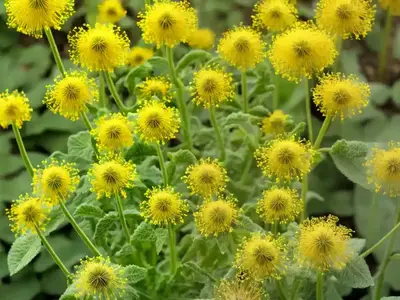
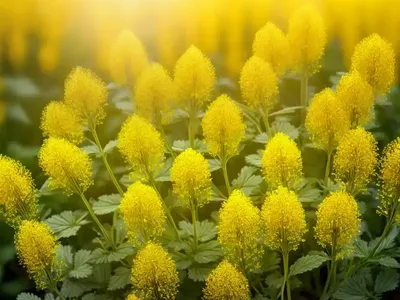
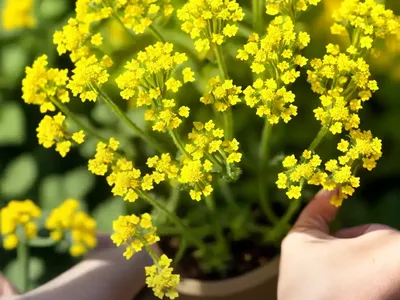
Common Pepperweed (Lepidium Densiflorum)
Plants are not only essential for providing oxygen and food but also have numerous benefits for the environment and human health. In this article, we will.
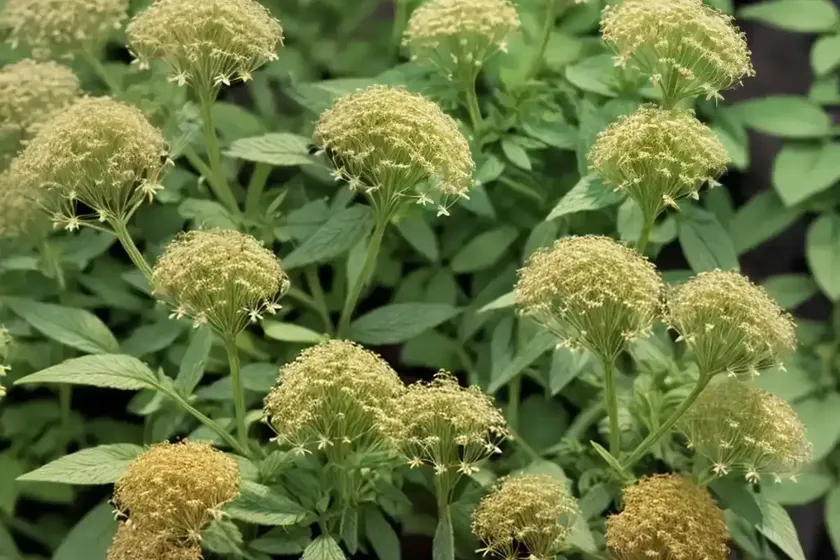
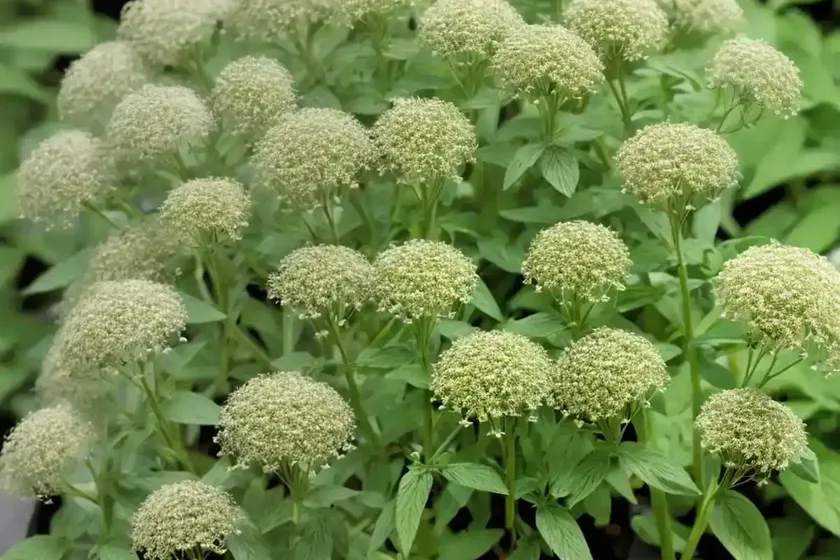
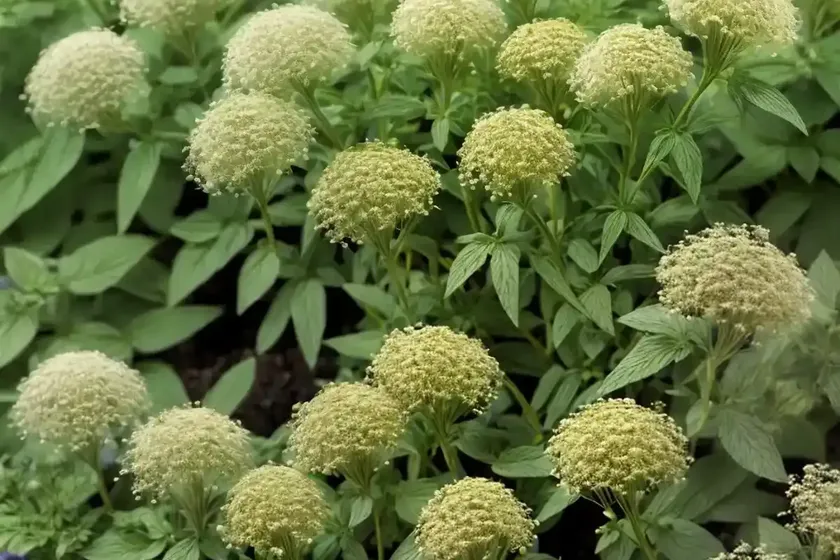
Plants are not only essential for providing oxygen and food but also have numerous benefits for the environment and human health. In this article, we will delve into the intriguing world of Common Pepperweed (Lepidium densiflorum), also known as densely flowered pepperwort, and explore its characteristics, uses, cultivation requirements, and much more.
What is Common Pepperweed (Lepidium densiflorum)?
Common Pepperweed, scientifically known as Lepidium densiflorum, is a herbaceous annual or biennial plant belonging to the Brassicaceae family. This species is native to North America and can be found in various habitats, including disturbed sites, roadsides, and fields. Its stemmed, lobed, and toothed leaves impart an attractive appearance, and it produces small, white flowers in tight clusters, adding to its aesthetic appeal.
Common Pepperweed Benefits
- Environmental Role: Common Pepperweed plays a crucial role in stabilizing soil, reducing erosion, and providing habitat and food for wildlife.
- Medicinal Properties: It possesses several medicinal properties and has been traditionally used for various health issues.
Now, let’s explore the key takeaways and characteristics of Common Pepperweed.
Key Takeaways – Common Pepperweed (Lepidium densiflorum)
Common Pepperweed, with its distinct features and beneficial properties, holds great significance in various domains. The following are the key takeaways that we will delve into throughout this article.
- Lepidium densiflorum plant profile
- Common Pepperweed characteristics
- Uses of Common Pepperweed
- Common Pepperweed species
- Growing Common Pepperweed
- Common Pepperweed nutrition
- Common Pepperweed cultivation
- Lepidium densiflorum medicinal properties
- Common Pepperweed habitat
- Common Pepperweed distribution
Now, let’s dive into each of these takeaways to gain a comprehensive understanding of Common Pepperweed.
Plant Profile: Lepidium densiflorum
| Family | Genus | Species |
|---|---|---|
| Brassicaceae | Lepidium | densiflorum |
| Common Name(s) | Origin | Growth |
| Common Pepperweed | North America | Annual/Biennial |
Common Pepperweed Characteristics
- Height: 10-70 cm
- Habit: Erect, branched, often with basal rosettes
- Leaves: Lobed, lower leaves petiolate, upper leaves sessile
- Flowers: Small, white, in dense clusters
Uses of Common Pepperweed
- Medicinal: Traditional herbal medicine for various health issues
- Environmental: Erosion control, wildlife habitat, and forage
- Culinary: Edible leaves and seeds in some cuisines
Common Pepperweed Species
- Lepidium latifolium: Broadleaf pepperweed
- Lepidium perfoliatum: Clasping pepperweed
- Lepidium virginicum: Virginia pepperweed
Growing Common Pepperweed
- Soil: Well-drained, nutrient-rich soil
- Water: Moderate water requirements
- Sunlight: Full sun to partial shade
- Propagation: Seeds
- Pruning: Minimal pruning required
Common Pepperweed Nutrition
- Nutrients: Rich in vitamins and minerals
- Culinary Uses: Leaves and seeds are edible
Common Pepperweed Cultivation
- Benefits: Erosion control, wildlife support
- Requirements: Low maintenance, adaptable
Lepidium densiflorum Medicinal Properties
- Traditional Uses: Herbal remedies for various ailments
- Active Compounds: Phytochemicals with medicinal potential
Common Pepperweed Habitat
- Natural Habitat: Disturbed sites, roadsides, fields
- Ecological Role: Provides wildlife habitat and forage
Common Pepperweed Distribution
- Native Range: North America
- Global Distribution: Introduced in various regions
Now that we have highlighted the key takeaways and characteristics of Common Pepperweed, let’s explore its cultivation requirements and sustainable practices.
Common Pepperweed Cultivation
Cultivating Common Pepperweed can be a rewarding endeavor, considering its beneficial properties and relatively low maintenance requirements. Let’s delve into the specific factors involved in growing and caring for this plant.
Water
Common Pepperweed exhibits moderate water requirements. It thrives in well-drained soil and is relatively tolerant of dry conditions once established. However, it is essential to ensure consistent moisture, especially during the initial stages of growth.
Sunlight
When it comes to sunlight requirements, Common Pepperweed favors full sun to partial shade. Adequate sunlight exposure is crucial for robust growth and flowering.
Fertilizer
This species generally grows well in nutrient-rich soils and may not require significant additional fertilization if grown in suitable conditions. However, a balanced and organic fertilizer can be beneficial, especially for container-grown plants or those in poor-quality soil.
Soil
Well-drained, loamy or sandy soil with good fertility is suitable for Common Pepperweed. It is adaptable to different soil types as long as the soil provides adequate aeration and drainage.
Pruning
Common Pepperweed typically requires minimal pruning. Removing spent flowers or controlling excessive growth may be necessary in some cases.
Propagation
Propagation of Common Pepperweed is primarily achieved through seeds. These seeds can be sown directly in the ground or started indoors and then transplanted.
Container Popularity
Due to its adaptability and moderate size, Common Pepperweed is often cultivated in containers, providing an excellent option for container gardening enthusiasts.
The versatility and resilience of Common Pepperweed make it a valuable addition to various landscapes, both for environmental and ornamental purposes. As we continue our exploration, let’s delve into the significance of Common Pepperweed in traditional and contemporary uses.
Uses of Common Pepperweed
Medicinal Uses
Common Pepperweed has been traditionally used for its medicinal properties, offering potential benefits for various health issues. Its leaves, seeds, and other plant parts are utilized in traditional herbal medicine to address specific ailments and promote well-being.
Culinary Uses
In certain cultures, the leaves and seeds of Common Pepperweed are incorporated into culinary dishes, adding a unique flavor and nutritional value. The edible nature of this plant opens up avenues for diverse culinary applications and contributes to its cultural relevance.
Environmental Benefits
Apart from its uses in human health and nutrition, Common Pepperweed plays a pivotal role in environmental conservation and restoration. Its ability to thrive in diverse habitats, stabilize soil, and provide food and habitat for wildlife underscores its ecological significance.
Now that we have covered the uses and cultivation aspects of Common Pepperweed, let’s discuss the challenges and potential issues associated with its growth.
Common Diseases and Pest Management
While Common Pepperweed is resilient and adaptable, it may still face certain challenges in terms of diseases and pests. Understanding and addressing these issues is vital for maintaining the plant’s health and vitality.
Common Diseases
Common Pepperweed may be susceptible to certain diseases, including fungal infections and leaf-related issues. Proper sanitation, adequate air circulation, and monitoring for early signs of disease can help manage these challenges effectively.
Disease Diagnosis
Early diagnosis of diseases in Common Pepperweed involves observing leaf discoloration, wilting, or unusual growth patterns. Consulting with a plant health professional can assist in accurate diagnosis and timely intervention.
Common Pests
Pests such as aphids, caterpillars, and flea beetles may pose a threat to Common Pepperweed. Regular inspection and integrated pest management practices can help mitigate pest infestations effectively.
Botanist’s Tips
Botanists and plant health experts recommend regular monitoring of Common Pepperweed for signs of stress, diseases, or pest infestations. Implementing preventive measures and promoting overall plant health are essential for sustaining the vitality of this species.
As we continue our journey into the realm of Common Pepperweed, let’s unravel some fun facts and intriguing aspects that add to the allure of this plant.
Fun Facts About Common Pepperweed
- Despite its modest size, Common Pepperweed plays a significant role in supporting wildlife and contributing to ecosystem stability.
- The leaves and seeds of this plant have been utilized by various cultures for centuries, reflecting its historical and cultural importance.
- Common Pepperweed’s adaptability and resilience make it an excellent candidate for sustainable landscaping and conservation efforts.
Links to External Resources
To further enrich your knowledge about Common Pepperweed and related topics, here are some useful external resources providing valuable insights and information:
- USDA PLANTS Database: Lepidium densiflorum
- Wildflowers of the Pacific Northwest: Lepidium densiflorum
- Montana Plant Life: Lepidium densiflorum
With a deeper understanding of Common Pepperweed, its cultivation, uses, and ecological significance, we have unveiled the multifaceted nature of this remarkable plant. Whether you are a gardening enthusiast, a conservation advocate, or someone intrigued by the intersection of nature and human well-being, Common Pepperweed captivates with its diverse attributes and enduring value. As we appreciate the significance of Common Pepperweed, let’s embrace its essence and contribute to its conservation and sustainable utilization, thereby fostering a harmonious relationship between humanity and the natural world.