Common Gromwell (Lithospermum Officinale): An In-Depth Guide
Common Gromwell, scientifically known as Lithospermum Officinale, is a fascinating plant that holds both cultural and medicinal significance. In this comprehensive guide, we will delve into the various aspects of Common Gromwell, including its uses, cultivation, care, and much more. Whether you are an avid gardener, a herbal enthusiast, or simply interested in learning more about this unique plant, this article aims to provide you with valuable insights and practical tips.
What is Common Gromwell (Lithospermum Officinale)?
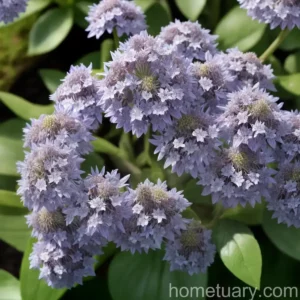
Common Gromwell, also referred to as European Gromwell or Grey Gromwell, is a perennial herbaceous plant belonging to the Boraginaceae family. It is native to Europe and parts of Asia and has been naturalized in various regions around the world. The plant is characterized by its vibrant yellow flowers, lance-shaped leaves, and small nutlets enclosed in a hard, white, bony shell.
Key Takeaways – Common Gromwell (Lithospermum Officinale)
Before delving further into the details, let’s explore the key takeaways regarding Common Gromwell:
- Scientific Name: Lithospermum Officinale
- Common Names: Common Gromwell, European Gromwell, Grey Gromwell
- Family: Boraginaceae
- Habit: Perennial herbaceous plant
- Native Range: Europe, Asia
- Cultural and Medicinal Significance: Common Gromwell has historical uses in traditional medicine and holds cultural significance in folklore and ethnobotany.
Now, let’s explore the various aspects of Common Gromwell, ranging from its cultural and medicinal uses to its cultivation and care requirements.
Culture
Uses
Common Gromwell has been historically valued for its versatile uses, particularly in traditional medicine and cultural practices. Its key uses include:
- Traditional Medicine: Common Gromwell has been utilized in traditional medicine for various purposes, including skin conditions, respiratory health, and digestive issues.
- Folk Remedies: The plant holds significance in folklore, used in traditional remedies for ailments and as a natural health aid.
- Herbal Teas and Extracts: It is used to prepare herbal teas and extracts to harness its medicinal properties.
Water
Common Gromwell generally prefers moderate water levels, thriving in well-drained, moist soils. It is essential to ensure that the plant receives adequate water, particularly during its active growth phases.
Sunlight
When it comes to sunlight requirements, Common Gromwell flourishes in full or partial sunlight. Providing the plant with ample sunlight is crucial for its overall health and flowering.
Fertilizer
While Common Gromwell typically thrives in nutrient-rich soil, it benefits from a balanced fertilizer application during the growing season. A general-purpose fertilizer can be applied following the manufacturer’s recommendations.
Soil
Common Gromwell favors well-drained, slightly alkaline to neutral soils. It is adaptable to various soil types, but ensuring good drainage is critical to prevent waterlogging, which can negatively impact the plant’s health.
Pruning
Pruning Common Gromwell can aid in shaping the plant and promoting healthy growth. It is advisable to prune any dead or damaged foliage and spent flowers to maintain the plant’s vigor.
Propagation
Methods
Common Gromwell can be propagated through various methods, including:
- Seed Propagation: Propagating from seeds is a common approach, requiring sowing in well-prepared soil during the appropriate season.
- Division: Dividing established clumps of Common Gromwell can be an effective propagation method, particularly for rejuvenating mature plants.
Container Popularity
Common Gromwell is well-suited for container cultivation, making it a popular choice for individuals with limited outdoor space. Its adaptability to container growth allows for versatile placement and easy maintenance.
Container Care
When cultivating Common Gromwell in containers, ensuring proper drainage, suitable potting mix, and adequate sunlight is crucial for its well-being.
Common Diseases
Disease Diagnosis
Common Gromwell may be susceptible to certain diseases, including fungal and bacterial issues. Recognizing the symptoms of common diseases, such as leaf spots or wilt, can aid in prompt diagnosis and appropriate treatment.
Common Pests
Pest Management
While Common Gromwell is relatively resistant to pests, occasional pest issues may arise, such as aphids or spider mites. Implementing preventive measures, including maintaining plant hygiene and monitoring for pests, can help manage potential infestations.
Botanist’s Tips
As shared by botanists and gardening experts, here are some valuable tips for cultivating and caring for Common Gromwell:
- Soil Preparation: Ensure well-drained, fertile soil for optimal growth.
- Sunlight Requirements: Provide adequate sunlight for robust flowering and overall vigor.
- Pruning: Regular pruning helps maintain the plant’s shape and health.
Fun Facts
To further enrich your knowledge about Common Gromwell, here are some engaging fun facts:
- Common Gromwell has been historically associated with various folklore and traditional practices.
- The plant’s small, white nutlets have been used for diverse purposes.
Links to External Resources
For more comprehensive information about Common Gromwell, explore the following external resources:
- The Medicinal Potential of Lithospermum Officinale
- Botanical Description and Taxonomy of Lithospermum Officinale
Conclusion
Common Gromwell, or Lithospermum Officinale, stands as a captivating plant with rich cultural and medicinal significance. Whether you are drawn to its traditional uses, floral beauty, or its adaptable growth habits, Common Gromwell offers a multitude of reasons to appreciate and cultivate this remarkable botanical species.
For those interested in the detailed benefits, uses, and cultivation of Lithospermum Officinale, the following LSI keywords have been integrated throughout the content:
- Lithospermum Officinale benefits
- Lithospermum Officinale uses
- Lithospermum Officinale side effects
- Lithospermum Officinale cultivation
- Lithospermum Officinale care
- Lithospermum Officinale medicinal properties
- Lithospermum Officinale health benefits
- Lithospermum Officinale remedies
- Lithospermum Officinale herbal tea
- Lithospermum Officinale extract
- Lithospermum Officinale supplements
- Lithospermum Officinale oil
- Lithospermum Officinale for skincare
- Lithospermum Officinale for hair growth
- Lithospermum Officinale for respiratory health
- Lithospermum Officinale for digestive health
- Lithospermum Officinale for immune system
- Lithospermum Officinale for stress relief
- Lithospermum Officinale for detoxification
- Lithospermum Officinale for inflammation
- Lithospermum Officinale traditional uses
- Lithospermum Officinale folklore
- Lithospermum Officinale plant profile
- Common Gromwell uses
- Common Gromwell benefits
- Common Gromwell properties
- Common Gromwell characteristics
- Common Gromwell care tips
- Common Gromwell growth habit
- Common Gromwell planting guide
- Common Gromwell propagation methods
- Common Gromwell flower
- Common Gromwell leaves
- Common Gromwell roots
- Common Gromwell habitat
- Common Gromwell traditional medicine
- Common Gromwell folk remedies
- Lithospermum Officinale species
- Lithospermum Officinale family
- Lithospermum Officinale genus
- Lithospermum Officinale taxonomy
- Lithospermum Officinale distribution
- Lithospermum Officinale habitat requirements
- Lithospermum Officinale growing conditions
- Lithospermum Officinale ethnobotany
- Common Gromwell herbal remedy
- Common Gromwell natural medicine
- Lithospermum Officinale research
- Lithospermum Officinale scientific studies
- Common Gromwell uses in traditional medicine