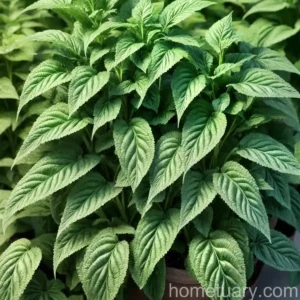
The Vibrant Common Globe-Amaranth (Gomphrena Globosa): A Comprehensive Guide
Plants have been an integral part of human life for centuries, providing food, beauty, and medicinal properties. Among the myriad of plant species, the Common Globe-Amaranth (Gomphrena Globosa) stands out with its vibrant and long-lasting globe-shaped flowers. In this comprehensive guide, we will explore the intricacies of this remarkable plant, from its cultural aspects to its uses and propagation techniques.
What is Common Globe-Amaranth (Gomphrena Globosa)?
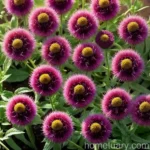
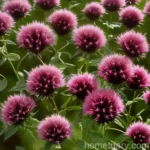
The Common Globe-Amaranth, scientifically known as Gomphrena Globosa, is a flowering plant native to Brazil, Panama, and Guatemala. It belongs to the Amaranthaceae family, which includes a wide variety of flowering plants. Commonly known as globe amaranth, bachelor’s button, and button flower, this plant has become popular in gardens and landscapes around the world due to its unique appearance and versatility.
Key Takeaways – Common Globe-Amaranth (Gomphrena Globosa)
Before delving further into the details, let’s highlight the key takeaways about the Common Globe-Amaranth:
- Scientific Name: Gomphrena Globosa
- Common Names: Globe amaranth, bachelor’s button, button flower
- Family: Amaranthaceae
- Native to: Brazil, Panama, Guatemala
- Notable Feature: Globe-shaped, long-lasting flowers
- Uses: Ornamental, medicinal, and cultural
- Propagation: Seeds and cuttings
- Hardiness Zones: 2 to 11
- Sunlight: Full sun
- Soil Type: Well-draining
- Watering: Moderate
- Height: 12-24 inches
- Colors: Purple, pink, white
- Popularity: High in gardens, landscapes, and floral arrangements
Now that we have a general overview of the Common Globe-Amaranth, let’s delve into the specific details of its culture, uses, and maintenance.
Culture of Common Globe-Amaranth
Water
Ideal Watering Regimen: Globe amaranth plants thrive with moderate watering. Allow the soil to dry out slightly between waterings to prevent root rot, especially in containers. In hot climates, regular watering is essential to maintain vibrant and healthy plants.
Sunlight
Sun Exposure Preferences: Common Globe-Amaranth plants flourish in full sun, receiving at least 6-8 hours of direct sunlight per day. Adequate sunlight promotes strong stem growth and vibrant flower coloration.
Soil
Soil Requirements: Well-draining soil is crucial for the health of Gomphrena Globosa. A mixture of garden soil and sand or perlite ensures good drainage, preventing waterlogged conditions that can be detrimental to the plant’s roots.
Fertilizer
Fertilizing Schedule: Apply a balanced, all-purpose fertilizer every 4-6 weeks during the growing season to provide essential nutrients for robust growth and prolific flowering. Avoid excessive fertilization, as it can lead to an abundance of foliage at the expense of flowers.
Uses of Common Globe-Amaranth
Ornamental Purposes
Common Globe-Amaranth is widely sought after for its ornamental value. Whether used in flower beds, borders, or containers, its globe-shaped flowers add bright and long-lasting accents to any landscape. Additionally, the flowers retain their shape and color when dried, making them popular for decorative arrangements and crafts.
Medicinal Properties
In traditional medicine, the Common Globe-Amaranth has been utilized for its potential medicinal properties. From soothing teas to herbal remedies, various cultures have recognized the plant for its purported health benefits. Research into its medicinal properties continues, with potential applications in herbal medicine and wellness products.
Cultural Significance
Some cultures attribute symbolic meanings to the globe amaranth flower. From representing immortality to signifying good fortune and love, the flower holds diverse cultural significance across different regions. Understanding and appreciating these cultural associations adds depth to the appreciation of this beautiful plant.
Pruning Common Globe-Amaranth
Pruning Techniques
Pruning is essential for maintaining the health and appearance of Common Globe-Amaranth plants. Regular deadheading of spent flowers encourages continuous blooming and prevents the plant from expending energy on seed production. Additionally, removing any diseased or damaged foliage promotes overall plant vigor.
Pruning Frequency
Aim to deadhead the flowers and remove any unwanted growth every 2-3 weeks during the growing season. This regular maintenance not only keeps the plant tidy but also prolongs its blooming period, enhancing its visual appeal in the garden.
Propagation of Common Globe-Amaranth
Propagation Methods
Common Globe-Amaranth can be propagated through both seeds and cuttings.
-
Seed Propagation: Sow seeds directly into the garden soil after the threat of frost has passed. Alternatively, start the seeds indoors 6-8 weeks before the last expected frost for a head start on the growing season.
-
Cutting Propagation: Take 4-6 inch stem cuttings from healthy plants and remove the lower leaves. Place the cuttings in a well-draining rooting medium and maintain humidity until roots develop.
Propagation Tips
When propagating from seeds, ensure consistent moisture for germination. For cuttings, use a rooting hormone to encourage root formation and place the cuttings in a warm, bright location to facilitate healthy growth.
Common Globe-Amaranth in Containers
Container Popularity
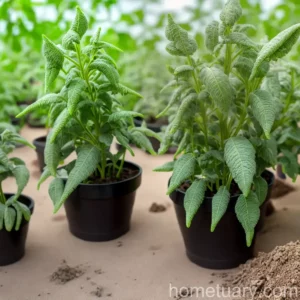
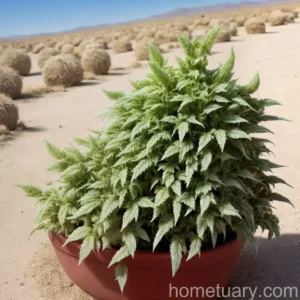
Gomphrena Globosa is a popular choice for container gardening due to its compact size and vibrant flowers. Whether grown individually in small pots or as part of a mixed container arrangement, the plant adds color and visual interest to any outdoor or indoor space.
Container Planting Tips
When planting Common Globe-Amaranth in containers, select a pot with adequate drainage holes to prevent waterlogging. Use a well-draining potting mix and ensure the container receives sufficient sunlight to support healthy growth and prolific flowering.
Common Diseases of Common Globe-Amaranth
Disease Diagnosis
While Common Globe-Amaranth is relatively resilient, it may be susceptible to certain diseases and infections. The key to effective management is early diagnosis and intervention. Common diseases include:
- Powdery Mildew: Identified by a powdery white growth on leaves and stems. Improving air circulation and avoiding overhead watering can prevent this fungal disease.
- Root Rot: Caused by overwatering and waterlogged soil, leading to blackened, mushy roots. Adjusting the watering regimen and improving soil drainage are critical for prevention.
Disease Management
For fungal diseases, targeted fungicidal treatments can help manage the spread and severity of infections. Additionally, adopting cultural practices that promote plant health, such as proper watering and adequate spacing, can reduce the risk of disease development.
Common Pests Affecting Common Globe-Amaranth
Identification of Pests
Several pests may pose a threat to Common Globe-Amaranth plants, potentially impacting their growth and flowering. Common pests include:
- Aphids: Small, sap-sucking insects found on the undersides of leaves. They can cause leaf curling and yellowing.
- Spider Mites: Tiny arachnids that create fine webs on the foliage, leading to stippling and discoloration.
- Thrips: Slim insects that feed on flower buds, causing distortion and premature flower drop.
Integrated Pest Management
Integrated pest management (IPM) strategies encompass a range of approaches, including cultural, biological, and chemical methods when necessary. For example, releasing beneficial insects such as ladybugs can help control aphid populations, while spraying with insecticidal soap may effectively manage mite and thrip infestations.
Botanist’s Tips for Common Globe-Amaranth Care
Seasoned botanists and horticulturists often share valuable tips for successful Common Globe-Amaranth care. Here are some expert recommendations:
- Mulching: Apply a layer of organic mulch around the base of the plants to conserve moisture, regulate soil temperature, and suppress weed growth.
- Companion Planting: Pair Common Globe-Amaranth with companion plants that enhance its growth and repel pests. Marigolds and petunias are known to complement the vibrancy of Gomphrena Globosa while serving as natural pest deterrents.
Fun Facts about Common Globe-Amaranth
Uncover some intriguing and lesser-known facts about the Common Globe-Amaranth:
- The globe amaranth flower holds symbolism in various cultures, representing love, longevity, and immortality.
- The flowers of Gomphrena Globosa can be used as a natural dye, imparting vibrant colors to fabrics and materials.
- Common Globe-Amaranth is renowned for its excellent performance as a cut flower, retaining its shape and color even after drying and preserving.
Links to External Resources
To further expand your knowledge and appreciation of the Common Globe-Amaranth, consider exploring the following resources:
- Globe Amaranth: Characteristics and Care
- Growing Common Globe-Amaranth in Your Garden
- Medicinal Properties of Gomphrena Globosa
- Ornamental Use of Gomphrena Globosa in Landscaping
- Common Pests and Diseases Affecting Gomphrena Globosa
- Cultural and Symbolic Significance of Globe Amaranth Flowers
The Common Globe-Amaranth, with its vibrant and long-lasting flowers, offers a myriad of possibilities in ornamental gardening, traditional medicine, and cultural symbolism. As we continue to appreciate and understand the intricacies of this remarkable plant, we unlock its full potential as a source of beauty, inspiration, and enrichment in our lives. Whether adorning a garden border or gracing a decorative arrangement, Gomphrena Globosa stands as a testament to the enduring allure of nature’s floral treasures.