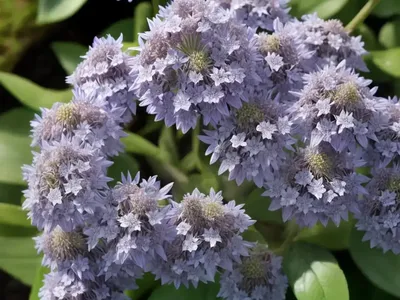
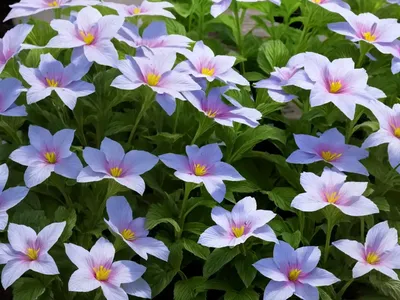
Common Forget-Me-Not (Myosotis)
Plants are living organisms that belong to the kingdom Plantae. They are multicellular, eukaryotic organisms that encompass a vast array of species, from.
What is a Plant?
Plants are living organisms that belong to the kingdom Plantae. They are multicellular, eukaryotic organisms that encompass a vast array of species, from tiny mosses to towering trees. Plants play a crucial role in sustaining life on Earth by converting sunlight into energy through the process of photosynthesis. They also contribute to the oxygen we breathe and serve as a fundamental part of food chains in various ecosystems.
In this comprehensive guide, we will explore the enchanting world of the Common Forget-Me-Not (Myosotis). From its cultivation and care to interesting folklore and medicinal uses, this article will provide you with a complete understanding of this captivating plant.
Common Forget-Me-Not (Myosotis)
The Common Forget-Me-Not, scientifically known as Myosotis, is a genus of flowering plants in the family Boraginaceae. This delicate and charming plant is renowned for its dainty blue blossoms and has acquired rich symbolism in folklore and literature.
Key Takeaways
Myosotis forget-me-not
The term “Myosotis” is derived from the Greek words “myos” (mouse) and “otis” (ear), referring to the supposed resemblance of the leaves to a mouse’s ear.
Common forget-me-not
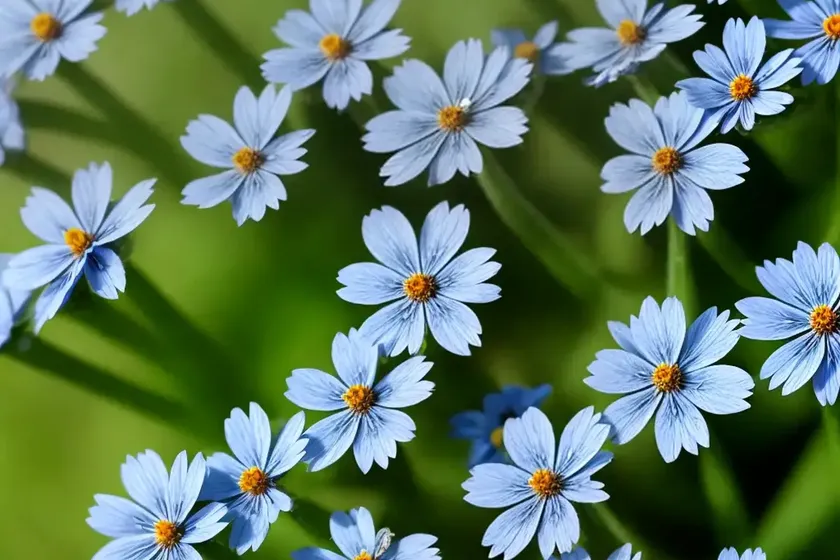
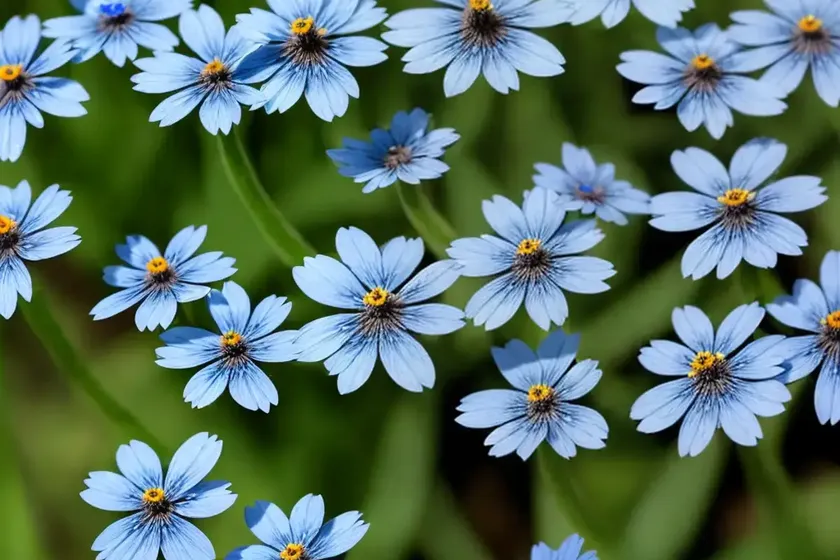
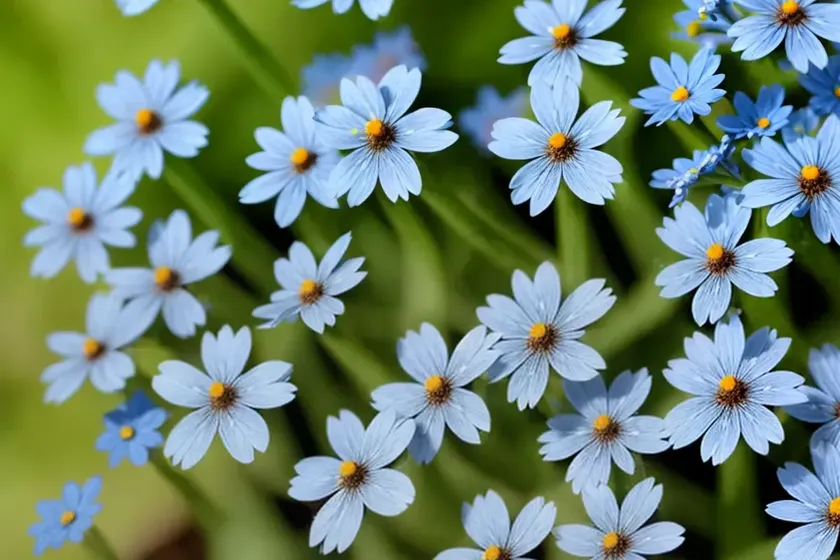
The Common Forget-Me-Not is a popular choice for gardeners and is adored for its clusters of small, sky-blue flowers.
Forget-me-not plant
The Forget-Me-Not is a resilient and adaptable plant that thrives in various conditions, from damp woodlands to sunny gardens.
Myosotis flowers
The Myosotis flowers are characterized by their distinct five-petaled, flat saucer-shaped blooms that come in shades of blue, pink, white, and occasionally yellow.
Myosotis alpestris
Myosotis alpestris, commonly known as the Alpine Forget-Me-Not, is a subspecies celebrated for its presence in alpine regions.
Myosotis sylvatica
Myosotis sylvatica, or the Wood Forget-Me-Not, flourishes in woodland settings and offers a captivating display of delicate flowers.
Myosotis identification
Identifying Myosotis species often involves examining the plant’s overall growth habit, leaf arrangement, and the color and size of its flowers.
Culture
The Common Forget-Me-Not holds a special place in the hearts of gardeners and nature enthusiasts due to its enchanting appearance and ease of cultivation. Let’s explore the specific cultural requirements for nurturing and tending to these charming plants.
Uses
The Common Forget-Me-Not serves various purposes, from enhancing the aesthetic appeal of gardens to offering ecological benefits.
– Ornamental Purposes: The delicate blossoms of Myosotis make it a popular choice for decorative purposes in borders, rock gardens, and container plantings.
– Ecological Significance: The nectar-rich flowers of Myosotis attract pollinators, such as bees and butterflies, contributing to the biodiversity of an area.
Water
Proper watering is essential for the healthy growth and development of the Common Forget-Me-Not. Understanding its water requirements is crucial for ensuring its well-being.
– Moderate Moisture: Myosotis thrives in moderately moist soil and does not tolerate prolonged drought. Regular watering, especially during dry spells, is essential to sustain its growth and flowering.
Sunlight
The sunlight requirements of the Common Forget-Me-Not play a significant role in its overall vigor and blooming performance.
– Partial Shade: Myosotis prefers partial shade, especially in regions with intense sun exposure. It thrives in dappled sunlight under the canopy of trees or in areas with filtered light.
Fertilizer
While the Common Forget-Me-Not is not particularly demanding in terms of fertilization, providing it with appropriate nutrients can support its overall vitality.
– Balanced Fertilizer: A balanced, all-purpose fertilizer applied in spring can encourage healthy foliage and abundant flowering.
Soil
Understanding the soil preferences of Myosotis is essential for creating an optimal growing environment for these charming plants.
– Well-Draining Soil: Myosotis thrives in well-draining, humus-rich soil that retains moisture without becoming waterlogged. Loamy soil with good aeration is ideal for promoting healthy root development.
Pruning
Pruning is a vital aspect of Myosotis care, contributing to the plant’s health, appearance, and longevity.
– Deadheading: Removing spent blossoms through deadheading can prolong the flowering period of Myosotis and encourage the production of new blooms.
– Thinning: Periodic thinning of the foliage can prevent overcrowding and enhance air circulation around the plants, reducing the risk of fungal diseases.
Propagation
Propagating the Common Forget-Me-Not allows gardeners to expand their collection and share the charm of Myosotis with others.
– Seed Propagation: Myosotis can be propagated from seeds, sown in suitable growing medium and provided with the right conditions for germination.
– Division: Dividing mature clumps of Myosotis can also be an effective method of propagation, yielding new plants with minimal effort.
Container Popularity
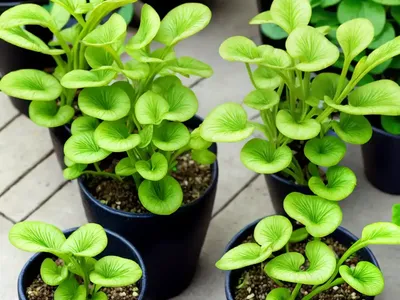
The Common Forget-Me-Not’s adaptability to container cultivation makes it a favorite choice for adding beauty and color to patios, balconies, and small outdoor spaces.
– Balcony Gardens: Myosotis thrives in containers on balconies, where its delicate blooms create a captivating display.
– Patio Planters: Planting Myosotis in patio planters and hanging baskets offers an enchanting way to adorn outdoor living spaces.
Common Diseases
While the Common Forget-Me-Not is relatively resilient, it is susceptible to certain diseases that can impact its health and vigor. Understanding common diseases and their management is crucial for preserving the beauty of Myosotis.
Disease Diagnosis
Early detection and prompt intervention are essential in managing diseases that affect the Common Forget-Me-Not.
– Powdery Mildew: The appearance of white, powdery patches on the foliage can indicate a powdery mildew infection, commonly triggered by humid conditions.
– Leaf Spot: Circular lesions on the leaves, often accompanied by yellowing and browning, can signal the presence of a fungal leaf spot disease.
Common Pests
The presence of pests can compromise the well-being of Myosotis, necessitating vigilant monitoring and targeted interventions.
– Aphids: These small, sap-sucking insects can congregate on the tender growth of Myosotis, causing distortion and stunted growth.
– Slugs and Snails: These voracious feeders can inflict damage on the foliage and flowers of Myosotis, particularly in damp environments.
Botanist’s Tips
Myosotis Growing Tips
- Adequate Moisture: Maintaining consistent soil moisture, particularly during dry periods, is crucial for promoting healthy growth and flowering.
- Partial Shade: Myosotis thrives in locations with filtered sunlight or partial shade, where it can display its blossoms to their full potential.
Myosotis Annual Plant
While some Myosotis species are grown as annuals in certain climates, they may act as short-lived perennials or biennials in other regions.
Myosotis Perennial Plant
In favorable conditions, Myosotis can exhibit perennial growth, returning year after year to grace the garden with its delightful blooms.
Fun Facts
Myosotis Symbolism
The Common Forget-Me-Not is associated with enduring love, remembrance, and fond memories, making it a popular choice for memorial gardens and sentimental plantings.
Myosotis Folklore
In various cultures, the Forget-Me-Not holds symbolic significance, often linked to themes of love, loyalty, and connections that withstand the test of time.
Links to External Resources
Discover more about Myosotis and expand your knowledge with these valuable resources:
1. Royal Horticultural Society – Myosotis
2. Missouri Botanical Garden – Myosotis
3. Gardenia – Myosotis
4. American Meadows – Forget-Me-Not Seeds
In conclusion, the Common Forget-Me-Not (Myosotis) encapsulates grace, charm, and enduring symbolism, making it a treasured addition to gardens and landscapes. Its versatile nature, from shade tolerance to container adaptability, further enhances its appeal, offering a myriad of possibilities for cultivating and enjoying this captivating plant. By understanding its cultural requirements, embracing its symbolic significance, and exploring its ecological contributions, we can fully appreciate the remarkable allure of the enchanting Myosotis.
Whether you seek to adorn your garden with its delicate blooms, attract pollinators, or infuse your surroundings with heartfelt symbolism, the Common Forget-Me-Not, with its timeless allure, is certain to leave an indelible impression.
✿✿✿
Growth. Care. Wonder. Embrace the world of Myosotis.
✿✿✿